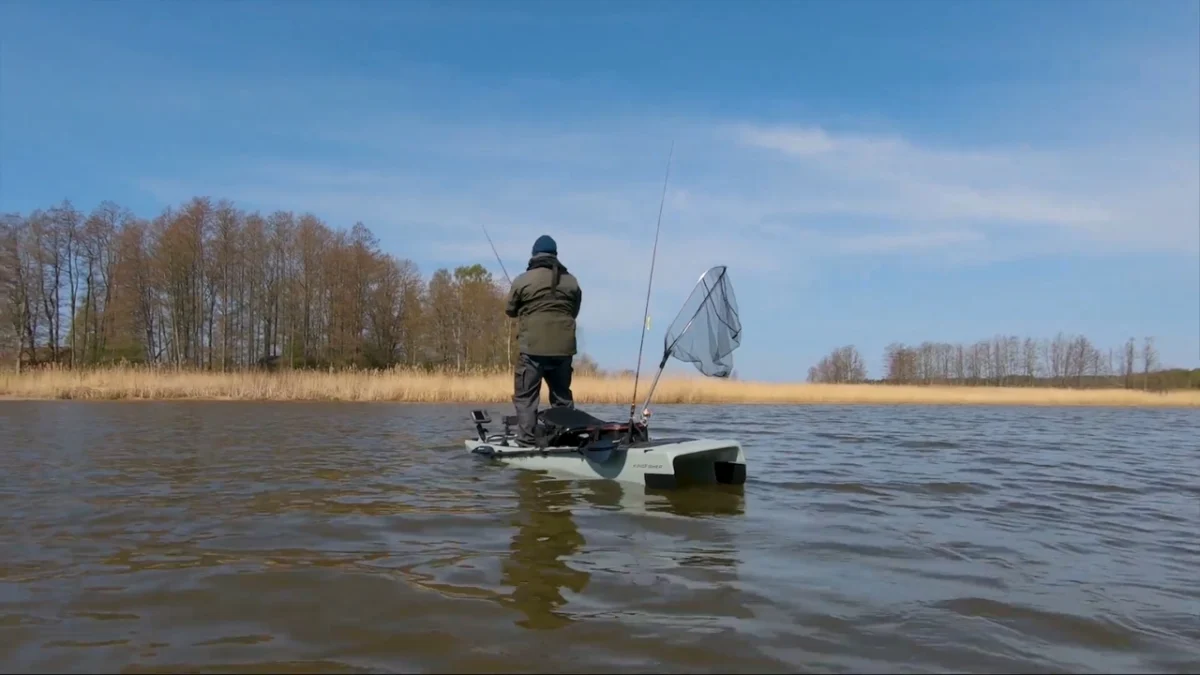
Pulling a heavy-hitting game fish from the depths while balanced on a kayak is one of the most exhilarating experiences in angling. It is a moment of pure adrenaline, the culmination of patience, technique, and gear mastery. However, as any seasoned angler will tell you, the fight is only half the battle. Bringing a fish to the boat—or in this case, the kayak—does not always equate to a successful harvest.
There is an old adage in the angling community: "Not every fight ends in a feast." Over years of navigating diverse waterways, I have learned that some fish are simply better left in the water. Whether due to unpalatable textures, the overwhelming presence of small, nuisance bones, or legitimate health risks regarding toxins and pollutants, understanding which species to avoid is a critical skill for any modern angler.
This article examines why certain species—often labeled as "trash fish" or "rough fish"—carry a poor reputation, and provides a professional breakdown of how to judge your catch before you ever reach for the fillet knife.
The Triad of Avoidance: Why Some Fish Fail the Plate
Generally, the species that anglers frequently complain about fall into three distinct categories. Understanding these categories is the first step toward becoming a more conscious and efficient harvester.
- The "Mudsuckers": These are typically freshwater bottom-feeders that inhabit stagnant, murky waters. Their diet often consists of decaying organic matter, leading to the absorption of geosmin—a naturally occurring organic compound produced by blue-green algae and bacteria. While geosmin is not harmful to human health, it imparts a pervasive, muddy flavor that is difficult to mask even with heavy seasoning.
- The Oily Predators: High-oil saltwater predators, such as large bluefish or mackerel, are often targets of frustration. Their high oil content causes the flesh to turn rancid quickly if not bled and iced immediately. When neglected, these fish develop an aggressive, metallic, or "fishy" flavor that can taste almost like a battery.
- The "Work-Intensive" Species: Some fish are not necessarily "bad" tasting, but they are architecturally difficult to consume. Species packed with complex "Y-bone" structures or those that require extensive, messy cleaning procedures often end up in the "trash" category because the effort required to produce a clean, boneless fillet is simply not worth the culinary payoff.
Quick Ranking: The Angler’s "Avoid" List
| Rank | Fish | Primary Issue | Safety Concern | Recommended Action |
|---|---|---|---|---|
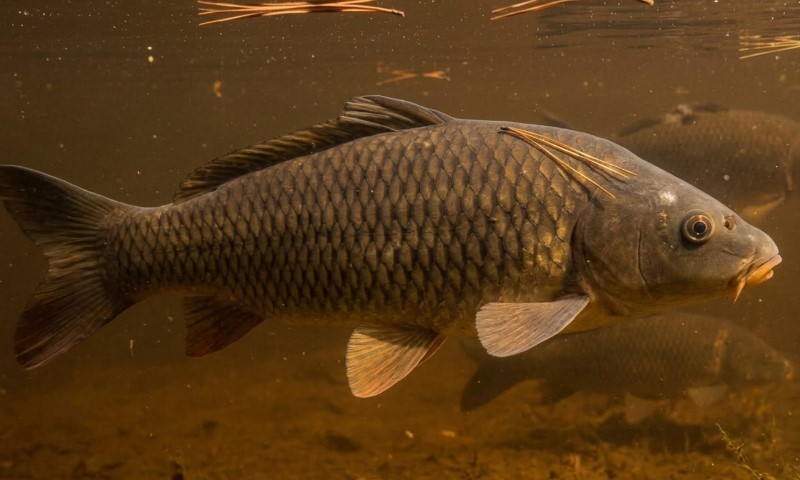
| 1 | Common Carp | Muddy, Bony | Local contaminants | Keep only from clean water |
| 2 | Bowfin | Mushy texture | Handling risk | Eat fresh or release |
| 3 | Gizzard Shad | Oily, Bony | Rare table fish | Use as bait |
| 4 | Large Bluefish | Strong/fishy | Mercury/PCBs | Bleed, ice, trim meat |
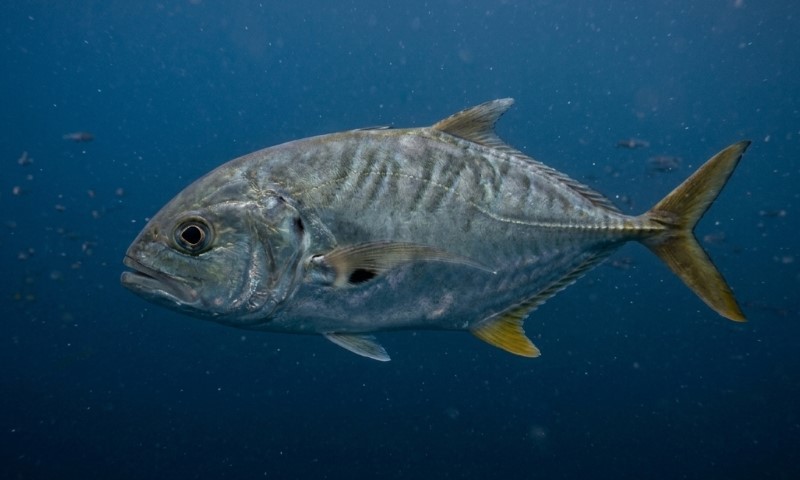
| 5 | Jack Crevalle | Metallic | Handling risk | Keep small ones only |
| 6 | Bigmouth Buffalo | Coarse | Advisory waters | Smoke or grind |
| 7 | Freshwater Drum | Divisive taste | Mercury advisories | Check local rules |
| 8 | Large Black Drum | Wormy/Coarse | Parasites | Keep "puppy" drum only |
| 9 | Gar Roe | Toxic | Roe toxicity | Never eat the eggs |
| 10 | Barracuda | Variable | Ciguatera | Avoid in reef zones |
| 11 | Shark | Ammonia | Mercury/Spoilage | Usually skip |
| 12 | King Mackerel | Strong flavor | High mercury | Avoid large ones |
The Science of Flavor and Safety
Flavor is undeniably subjective, but human health and safety are not. While anglers often judge a fish based on its smell and texture, federal agencies like the FDA and the EPA provide a more objective metric. They track "invisible" dangers—heavy metals like mercury, industrial chemicals (PCBs), and marine toxins—that accumulate in fish over their lifespans.
It is a professional standard for any angler to cross-reference their "taste list" with the FDA’s "Choice to Avoid" list. This list specifically highlights large, long-lived predators like swordfish, marlin, and king mackerel. Because these fish sit at the very top of the aquatic food chain, they are "bio-accumulators." Over years of consuming smaller prey, they concentrate high levels of mercury in their tissues.
Furthermore, water quality is hyper-local. As the EPA emphasizes in its advisory guidelines, a fish that is perfectly safe to consume from a mountain reservoir may be under a strict consumption advisory in a river downstream due to industrial runoff. Always consult your state’s department of natural resources before consuming a harvest from unfamiliar waters.
Detailed Species Analysis: Why They Are Misunderstood
1. Common Carp: The Environmental Sponge
Carp are the ultimate environmental reflectors. Because they spend their lives sifting through bottom silt, they act as a living record of their habitat. In warm, stagnant ponds, they are nearly inedible. Furthermore, their complex Y-bone structure makes them a nightmare for beginners. For a kayak angler, they also present a significant logistical issue: they are covered in a thick, persistent slime that coats everything it touches, including your expensive electronics and deck space.
2. Bowfin: The Prehistoric Paradox
Bowfin flesh contains unique enzymes that begin to break down muscle fibers almost instantly after the fish dies. If you are not equipped with a high-capacity, well-insulated cooler on your kayak, the meat will turn into a "cotton-like" mush. Furthermore, handling a live bowfin is dangerous; their teeth are designed to crush shells and can easily puncture a dry bag or a finger.
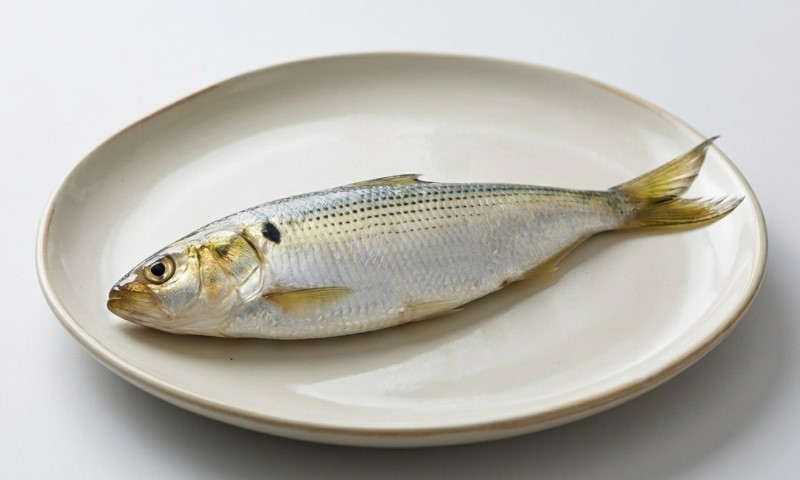
3. Gizzard Shad: The Bait-World Staple
To the casual angler, the gizzard shad is a nuisance; to the predator-chasing angler, it is "fast food." They are far more valuable as fresh-cut bait for catfish or stripers than they are on a dinner plate. They are notoriously bony and oily, and the scales shed during handling will be found on your kayak for weeks.
4. Large Bluefish: A Culinary Challenge
Bluefish are legendary fighters, but their meat is incredibly rich. NOAA identifies them as having a very high oil content, which leads to rapid degradation. To make a bluefish palatable, you must perform an immediate "field bleed" by cutting the gills while the fish is alive. You must then remove the dark, lateral bloodline during filleting. On a kayak, this is a messy, blood-filled procedure that can quickly turn your cockpit into an unhygienic workspace.
5. Jack Crevalle: The Pound-for-Pound King
The Jack Crevalle is arguably the hardest fighting fish you will encounter inshore. However, its meat is dark, bloody, and possesses a strong, metallic, "gamey" tang. Most seasoned veterans apply the "under 5-pound" rule—only keeping the smallest specimens, which are generally more tender. The larger bulls are simply too tough and metallic for the average palate.
6. Bigmouth Buffalo: The "Rough Fish" Misnomer
Often confused with carp, the Bigmouth Buffalo is actually a native North American species. As part of the growing "Rough Fish Revolution," many anglers are learning that when properly prepared—scored to break down the bones and deep-fried—it can be a hidden gem. However, they are heavy and possess thick, armor-like scales that require serious tools, making them difficult to process in a small craft.
7. Freshwater Drum: The Grunting Mystery
The freshwater drum is a polarizing species. Some appreciate its firm, scallop-like texture, while others describe it as rubbery. Their biggest drawback is their tendency to aggregate in industrial areas, leading to frequent consumption advisories. Additionally, they are known for making a loud "grunting" sound when landed, which can be an unnerving experience during a quiet, solo kayak trip.
8. Large Black Drum: The Parasite Problem
While young "puppy drum" (usually under 20 inches) are delicious, the larger adults are another story. They are frequently infested with "spaghetti worms." According to LSU Sea Grant, while these parasites are technically harmless if the fish is cooked thoroughly, the visual experience of finding a worm in your dinner is enough to turn any angler into a vegetarian.
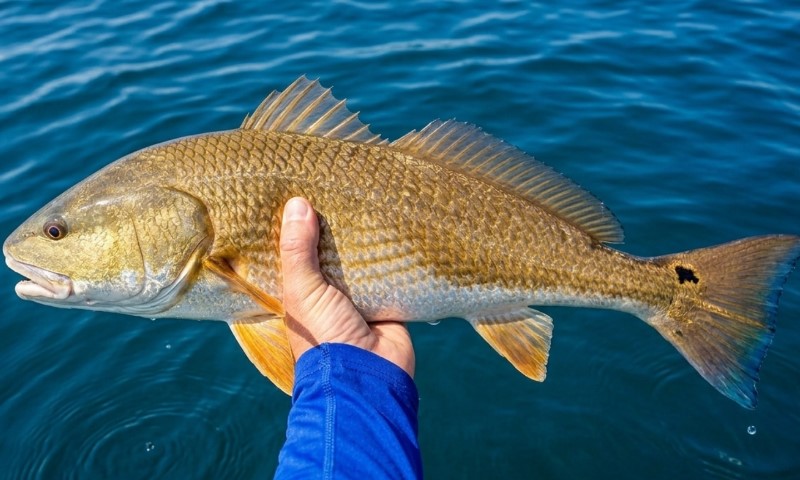
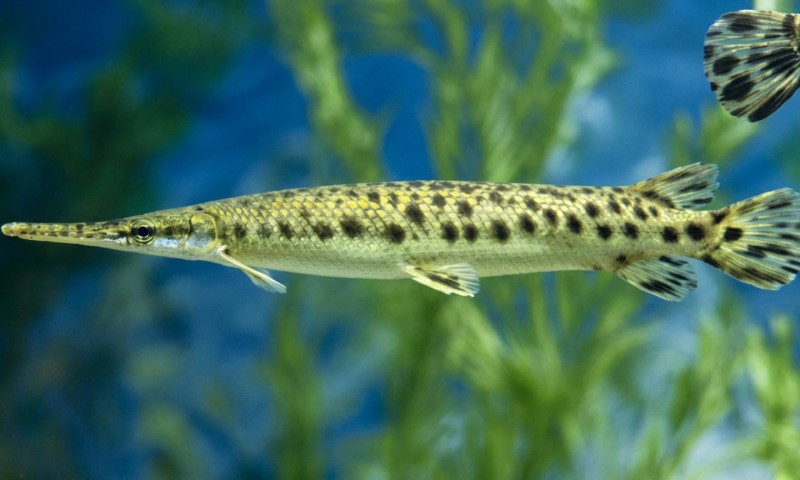
9. Gar: The Armored Predator
The meat of a gar is actually quite good—firm and white, often compared to alligator or chicken. The danger lies in the roe (eggs), which are toxic to humans. When cleaning a gar, one must be surgically precise to avoid cross-contaminating the flesh with the eggs. Furthermore, their scales are essentially chainmail; you will need heavy-duty tin snips to get through the skin.
10. Barracuda: The Ciguatera Gamble
Barracuda are iconic, but they are the primary carriers of Ciguatera, a toxin produced by algae that grows on coral reefs. As the CDC warns, this toxin is heat-stable, meaning no amount of cooking will make the fish safe. It is a "gamble fish." Given the high risk of food poisoning and their aggressive, sharp-toothed nature in a small kayak, the most professional choice is to photograph them and set them free.
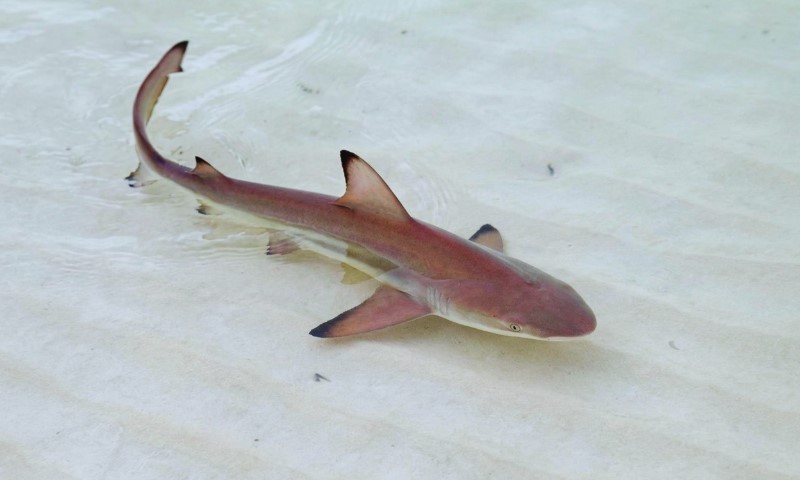
11. Shark: The Ammonia Issue
Shark meat is high in urea, which converts to ammonia as the fish dies. If not immediately bled and soaked in milk or citrus, it is virtually inedible. Beyond the taste, the logistics of harvesting a shark from a kayak are poor. A thrashing, sandpaper-skinned shark can damage your kayak, and the risk of a bite or tail-whip in the confined space of a cockpit is not worth the risk.
12. The Pelagics: Mackerel, Swordfish, and Tuna
These large, deep-sea species are prone to scombroid poisoning if they are not iced immediately. This occurs when bacteria break down the proteins in the meat, producing high levels of histamines. On a kayak, you lack the massive, industrial-grade cooling capacity required to keep these fish at a safe temperature. Unless you are fishing with a support boat, these species should be left in the deep.
The Bottom Line for Kayak Anglers: Stewardship
Ultimately, being a great angler is about respecting the resource. Ethical angling extends beyond simply following state regulations; it is about understanding the impact of your choices on the local ecosystem.
When you choose to release a fish that you are not prepared to handle correctly—or one that is known for poor table quality—you are ensuring that the population remains robust for the next generation. There is no shame in a "catch-and-release" day when the alternative is a wasted life and a ruined meal.
As kayak anglers, we occupy a unique position. We are silent, low-impact visitors in the fish’s world. Use that intimacy to foster a sense of stewardship. For consistent, easy, and safe table fare, stick to the tried-and-true species that you are equipped to handle. But if you feel the urge to experiment with an "oddball" catch, do so with the knowledge of how to clean, store, and prepare it safely.
Respect the fish, respect your limitations, and always keep your lines tight and your environmental impact low. Happy paddling.