The ultralight backpacking movement has long championed the mantra that "ounces equal pounds, and pounds equal pain." By prioritizing the lowest possible base weight, many hikers have successfully trimmed their gear lists, often trading traditional, robust equipment for minimalist alternatives. However, as the boundaries of alpine exploration push into increasingly volatile climates, the limitations of ultralight rainwear are coming under intense scrutiny.
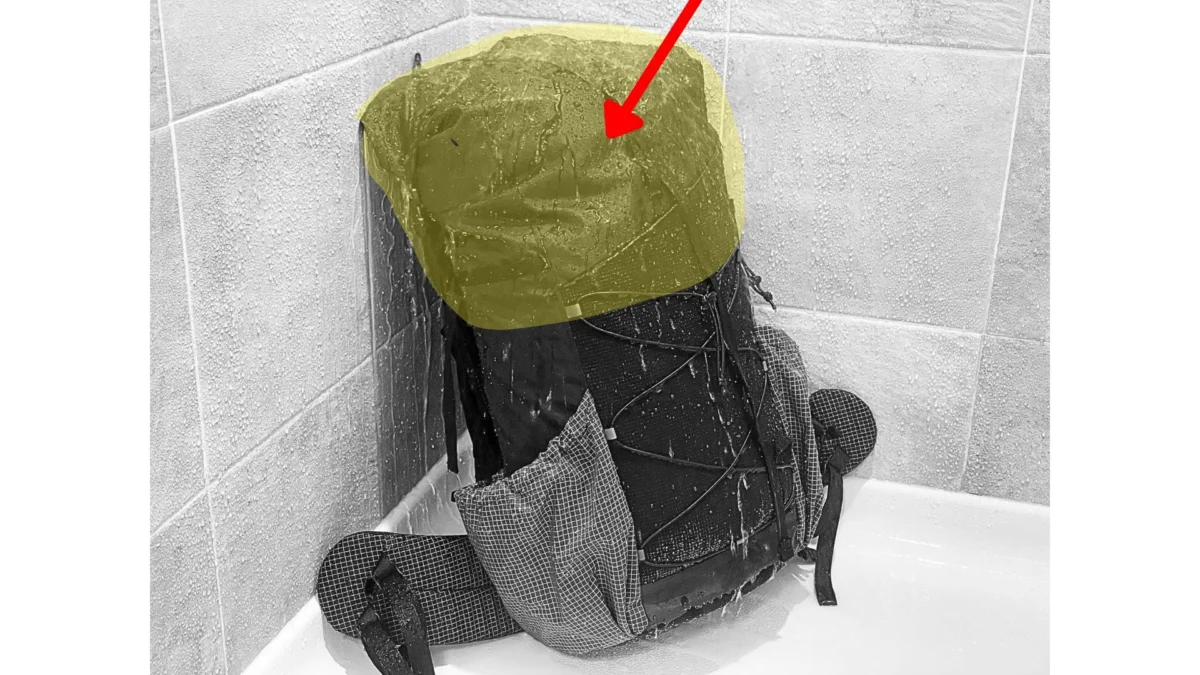
When sustained, heavy precipitation meets high-exertion activity in the "shoulder season," the standard ultralight shell often fails to manage moisture and heat effectively. This article examines the critical trade-off between weight savings and technical performance, arguing that for those operating in the world’s most unpredictable mountain ranges, the "extra ounces" spent on durable, feature-rich raingear are not a luxury—they are a vital safety investment.
The Core Conflict: Weight vs. Performance
At the heart of the debate is a simple physical reality: waterproofing, durability, and ventilation are competing interests. Ultralight rain jackets, typically constructed from thin, high-denier fabrics, excel at keeping pack weight low, but they often sacrifice the mechanical features necessary for active thermoregulation.
When a hiker generates significant body heat during a steep ascent in a downpour, they face a double-edged sword. If they keep their shell on, they risk becoming soaked from the inside out due to poor breathability and trapped perspiration. If they take it off, they are exposed to the elements. Robust rain shells solve this by incorporating pit zips, adjustable hoods, and heavier, more durable membranes that can withstand the abrasive nature of bushwhacking or heavy pack straps, all while offering superior ventilation.
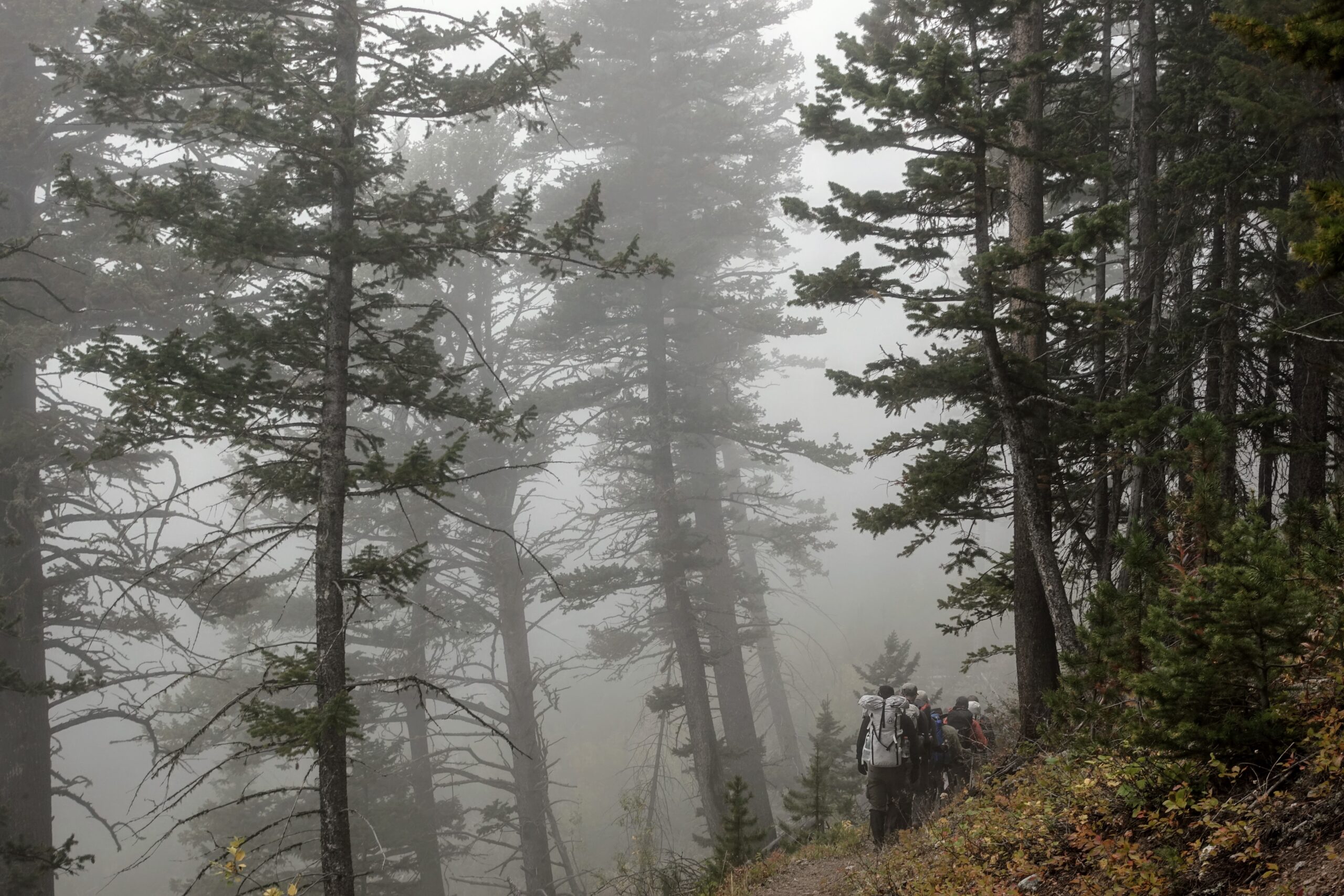
A Chronology of Technical Evolution
The perception of "essential" gear has shifted significantly over the past decade.
- Early 2010s: The rise of the ultralight movement saw a mass exodus from heavy, three-layer Gore-Tex shells toward 7D-10D nylon smocks and ponchos. The focus was exclusively on weight reduction at the expense of longevity.
- 2018-2021: Reports from field instructors and long-distance hikers began to highlight the "failure point" of ultra-thin membranes in sustained, multi-day rain events, particularly in regions like the Pacific Northwest and the Northern Rockies.
- 2024-2026: A paradigm shift is occurring. With the introduction of advanced ePE (expanded polyethylene) membranes and improved DWR (Durable Water Repellent) coatings, the market has begun to bridge the gap. Newer shells, such as the Arc’teryx Beta SL, offer a middle ground: professional-grade protection at a weight that no longer feels "heavy" to the modern backpacker.
Supporting Data: The Thermodynamics of Moisture Management
To understand why traditional layering systems often fail during the shoulder season, one must look at the science of evaporative cooling. A standard three-layer system consists of a wicking base layer, an insulating mid-layer, and a protective shell.
The Wind-Cold-Rain Trifecta
When temperatures hover between 34°F and 50°F (1°C–10°C), combined with wind speeds exceeding 10 mph, the risk of hypothermia increases exponentially. The "trifecta" of wind, cold, and rain creates a situation where moisture—either from external precipitation or internal sweat—is the hiker’s greatest enemy.
Research indicates that clothing which absorbs moisture significantly lowers the body’s core temperature through evaporative cooling. While a 3-ounce ultralight jacket may keep the rain off for an hour, its lack of mechanical ventilation means that, after four hours of movement, the hiker is often wetter from their own sweat than they would have been from the rain.
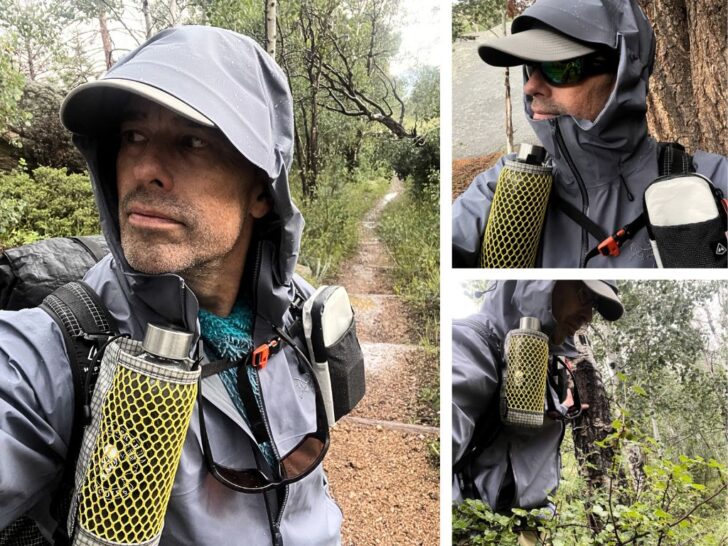
Material Weights and Durability
Comparative analysis shows that while an ultralight system (base layer, fleece, 7D shell) might weigh as little as 10.7 ounces (303g), a more robust system utilizing a 40D fabric shell adds roughly 5 to 8 ounces. While this represents a nearly 50% increase in shell weight, the gain in durability—measured by hydrostatic head retention and fabric abrasion resistance—is substantial. For a hiker traversing high-alpine terrain where shelter is miles away, this increase in system weight is often viewed by industry experts as a necessary insurance policy.
Official Perspectives and Industry Trends
Leading gear manufacturers and alpine experts have noted a distinct change in consumer behavior. The "ultralight at all costs" mentality is being replaced by "performance-optimized" gear.
"We are seeing a trend where users are moving away from the extreme, ultra-fragile end of the spectrum," says an industry consultant specializing in textile development. "The demand for ‘ventilation-first’ design—such as oversized pit zips and articulated hoods—is at an all-time high. Hikers are realizing that if they have to carry a repair kit for their jacket, the weight savings of a 7D fabric are negated."
Furthermore, modern membrane technology now allows for better air permeability without sacrificing the waterproof rating. The inclusion of adjustable cuffs, helmet-compatible hoods, and reinforced shoulders is becoming the industry standard, even in "fast and light" product lines.

Implications for Future Backpacking
The implications of this shift are profound for the backpacking community, particularly regarding safety and trip planning.
1. The Death of the "One-Size-Fits-All" Gear List
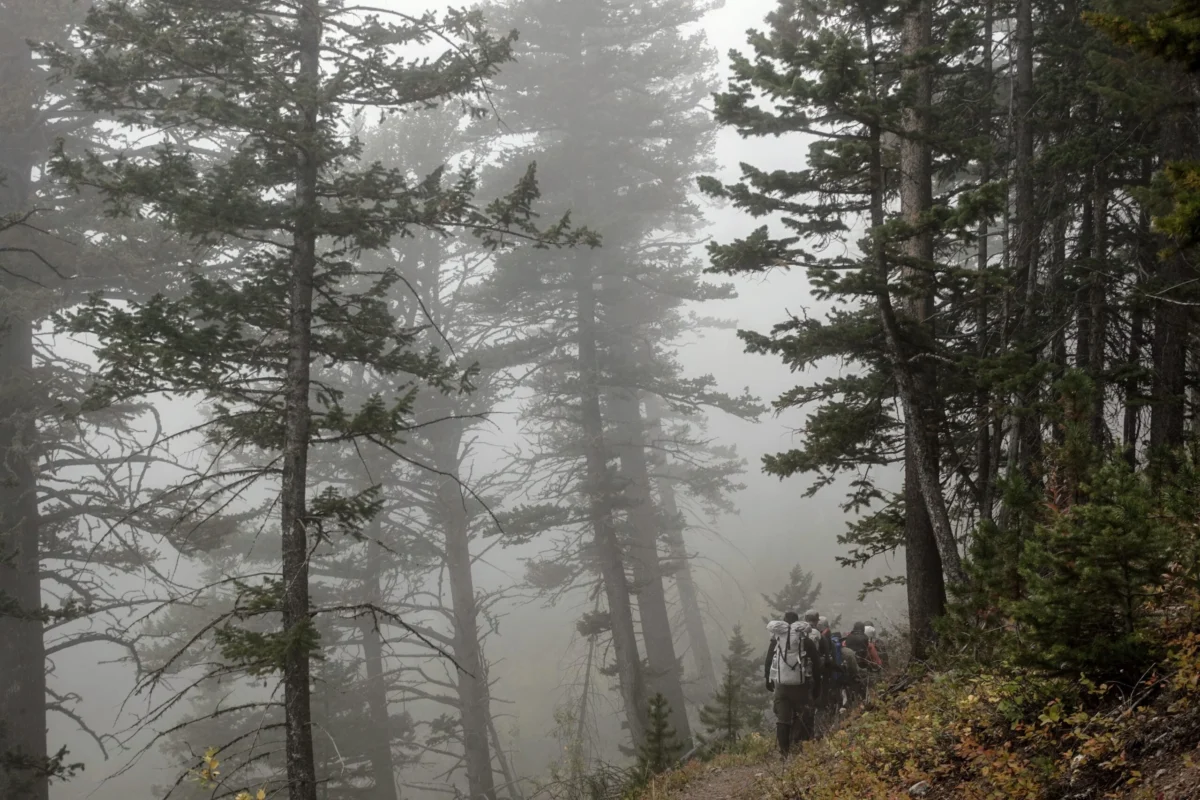
Hikers must move toward a situational approach. A hiker in the dry, arid climate of the Southwestern United States may continue to benefit from an ultralight 7D smock. However, for those traversing the Absaroka-Beartooth Wilderness or the Cascades, a robust, ventilated shell is becoming the standard recommendation.
2. Prioritizing Thermoregulation Over Raw Weight
The industry is encouraging hikers to prioritize "active" comfort. By choosing a jacket that allows for heat venting without exposing the wearer to rain, the hiker can maintain a steady internal temperature, reducing the need for constant layer changes. This, in turn, keeps the rest of the layering system drier, as the shell is no longer acting as a vapor barrier.
3. The Economic Argument
While high-end, durable shells carry a higher price tag, their longevity is a significant factor. A 40D nylon jacket with a modern ePE membrane is designed to survive hundreds of days of use, whereas a 7D shell may show signs of structural degradation after a single season of heavy use. Over a five-year period, the cost-per-use of a more expensive, durable piece of equipment is often lower than the constant replacement cycle of ultralight alternatives.
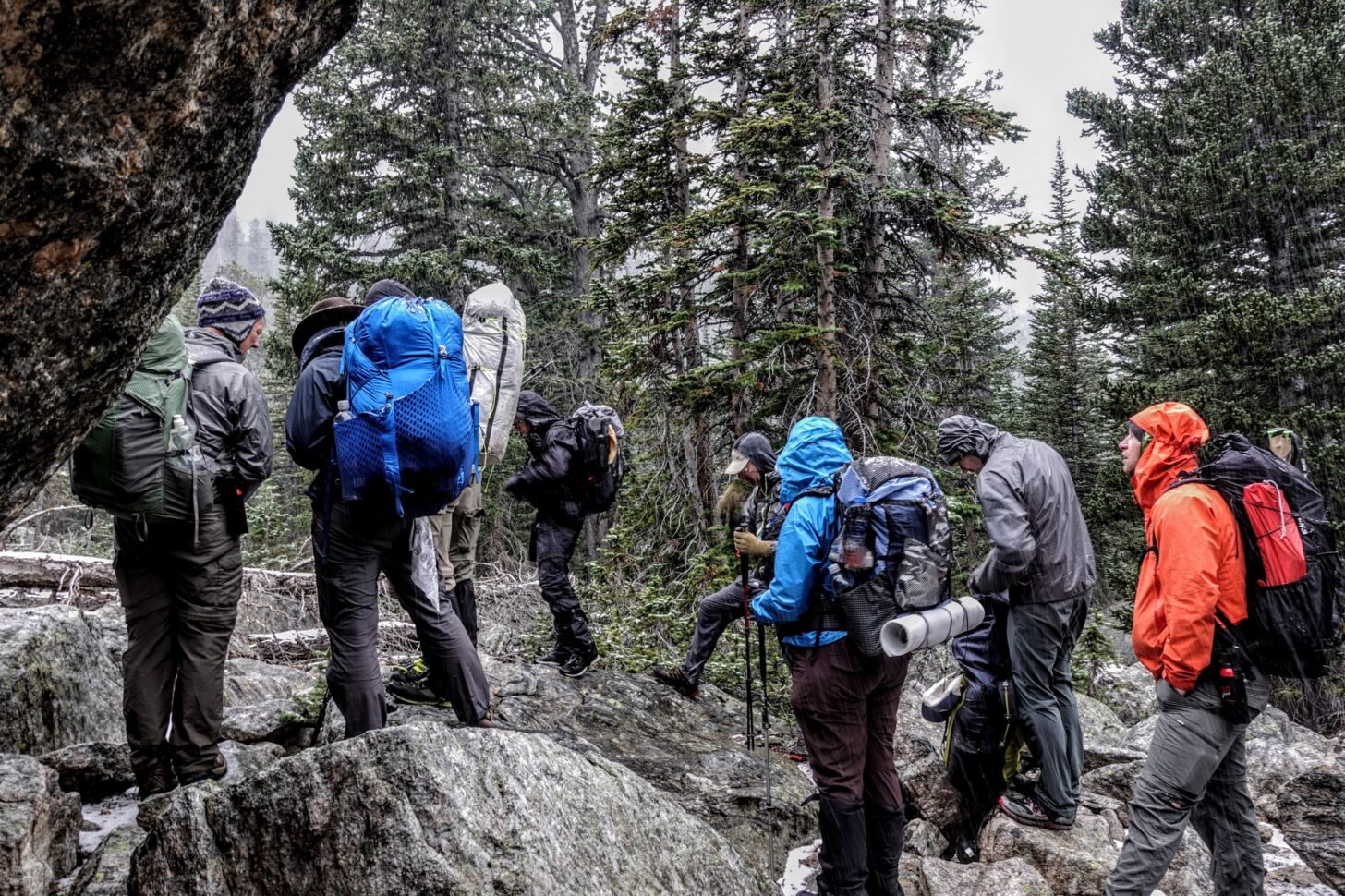
Conclusion: Finding the Balance
The debate over raingear is not a contest between "ultralight" and "traditional" hiking. It is a nuanced discussion about matching equipment to environment. While the pursuit of a lighter pack has undeniably pushed the industry to create more innovative fabrics, there remains no substitute for sound judgment in the field.
For the average hiker, the takeaway is clear: do not let the fear of a few extra ounces blind you to the realities of mountain weather. When the clouds darken and the wind picks up, the best piece of gear in your pack is the one that allows you to regulate your body temperature, withstand the elements, and keep you moving safely toward your destination. In the shoulder seasons of our most rugged mountain ranges, that piece of gear is worth every extra gram.