Whether you are an outdoor enthusiast battling sand and trail debris, a pet owner managing a constant layer of shedding fur, or a parent dealing with the inevitable crumbs of daily life, keeping a vehicle clean can feel like a Sisyphean task. While any standard vacuum can technically clean a car, the unique geometry of automotive interiors—cramped footwells, narrow crevices between seat bolsters, and hard-to-reach areas under floor mats—demands specialized tools.
Selecting the right device requires a balance between portability, suction power, and battery endurance. In this guide, we break down the best options on the market, the technical considerations for your purchase, and the best practices for maintaining your vehicle’s interior.
The Core Philosophy: Handheld vs. Stick Vacuums
The first decision you must make is whether to invest in a dedicated, lightweight handheld vacuum or a more versatile cordless stick vacuum that includes a handheld conversion mode.
The Case for Handheld Vacuums
Handheld vacuums are the gold standard for convenience. Because they are compact, they are significantly easier to maneuver around a center console or under a dashboard. They are generally more affordable and lightweight, making them the preferred choice for quick, routine cleanups. However, they typically come with smaller dustbins and shorter battery lives, usually ranging from 10 to 20 minutes of continuous operation.
The Case for Stick Vacuums
If you view your car vacuum as part of a larger cleaning arsenal, a stick vacuum is a superior investment. These models offer significantly more suction power and longer battery life. By removing the extension wand, they transition into a handheld unit that can tackle seats and mats with ease. While they represent a larger financial commitment and are heavier, their multi-purpose nature often makes them the more practical choice for homeowners who want one machine for both home and automotive use.
.jpg)
Supporting Data: What to Look for in a Car Vacuum
When evaluating vacuums for automotive use, ignore the marketing fluff and focus on these critical metrics:
- Suction Power (Air-Watts): For embedded sand and stubborn pet hair, look for higher air-watt ratings.
- Filtration Systems: HEPA filtration is non-negotiable if you or your passengers suffer from allergies, as it prevents dust and dander from being blown back into the cabin air.
- Battery Chemistry and Runtime: Lithium-ion batteries are the industry standard for a reason. They provide consistent power until the battery is nearly depleted, unlike older nickel-cadmium batteries that lose power as they drain.
- Accessory Ecosystem: A vacuum is only as good as its attachments. Look for a dedicated crevice tool (for tight gaps) and a motorized upholstery brush (the only effective way to lift embedded pet hair).
Top Picks: The Best Car Vacuums for 2024
1. Best Overall: Worx 20V Cordless Cube Vac
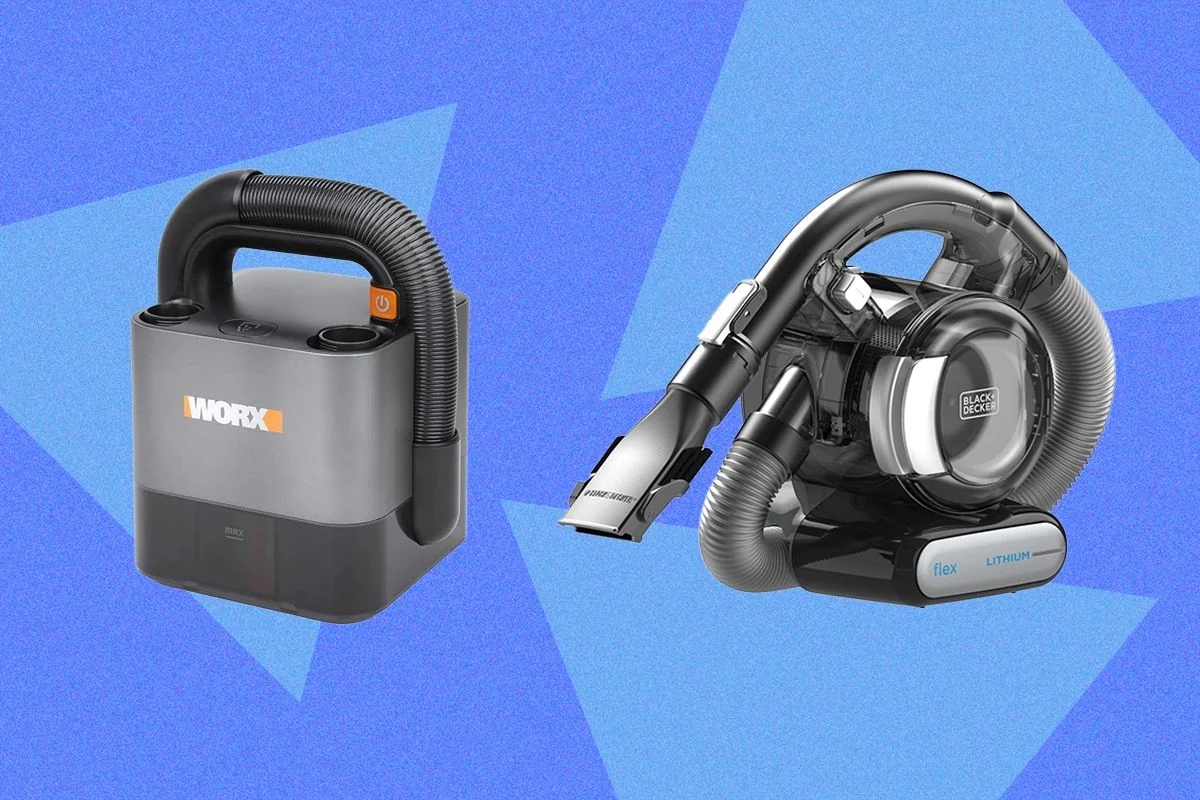
The Worx Cordless Cube Vac is the undisputed champion for those who want a dedicated car cleaner. Its design is ingenious: a square, balanced base with an integrated hose that wraps around the handle. This allows you to stand the unit on the floor of the car while you work with the 3-foot flexible hose. With storage for a crevice tool and brush attachment directly on the unit, it eliminates the need to run back and forth to your garage for parts. It features a HEPA filter and a 25-minute runtime, and the battery is interchangeable with the broader Worx tool ecosystem.
2. Best for Easy Charging: Black & Decker Dustbuster Flex
For those who prioritize a seamless workflow, the Dustbuster Flex offers a flat, stable charging base. You simply dock the unit, and it begins charging while housing your accessories. While its 15-minute battery life is more modest than others, its large dust cup and 4-foot hose make it excellent for tackling heavy debris in a single session.
3. Best for Pet Owners: Bissell Pet Hair Eraser
Pet hair is notoriously difficult to remove because it weaves itself into the fibers of car seats. The Bissell Pet Hair Eraser excels here, thanks to its high-torque, motorized brush attachment. It mechanically agitates the fabric to lift hair, a feature that static brushes simply cannot replicate.
4. Best for Detail Work: Scosche Scovac 4-in-1
Detailers often need more than just suction. The Scosche Scovac functions as a vacuum, an air duster, and an inflator/deflator. By providing a blast of air to clear dust out of AC vents and switches, it reaches places that suction alone cannot. It is an ideal tool for the perfectionist who wants to detail their car like a professional.
.jpg)
5. Best Battery Life: Dyson Car+Boat
If you have a large SUV or a boat that requires deep cleaning, the Dyson Car+Boat is the heavy-hitter. With a 40-minute runtime and 115 air-watts of suction, it bridges the gap between handheld convenience and industrial-grade power. While the price point is higher, the reliability and suction performance are unmatched.
Chronology of Maintenance: A Recommended Cleaning Routine
To maximize the life of your vehicle’s interior and your vacuum, follow this professional sequence:
- Step 1: Preparation (Minutes 0-2): Remove all floor mats. Shake them out thoroughly outside the vehicle. Remove all loose trash, coins, and personal items.
- Step 2: Dry Debris Removal (Minutes 2-10): Use the wide upholstery tool on seats and carpets to remove loose dirt. Start from the top (seats) and work your way down to the footwells.
- Step 3: Detail Work (Minutes 10-20): Switch to the crevice tool for the seat tracks, the gap between the seat cushion and backrest, and the door pockets. Use an air duster if you have one to blow out vents.
- Step 4: Deep Cleaning (Minutes 20-30): Use a motorized brush tool on the carpets and fabric seats to lift trapped dirt and hair.
- Step 5: Finishing (Minutes 30+): Replace the floor mats and wipe down hard surfaces with a damp microfiber cloth.
Official Recommendations and Expert Responses
We reached out to industry experts regarding the storage and maintenance of these devices. A common point of confusion is whether to keep the vacuum in the car.
Expert Response: "Under no circumstances should you store a lithium-ion battery vacuum in your vehicle for extended periods," says a leading battery safety consultant. "Vehicles reach extreme temperatures in the summer and winter. These temperatures degrade the chemical composition of the battery, leading to reduced capacity and, in extreme cases, potential safety risks. Furthermore, a vacuum left in a car is unlikely to stay charged, rendering it useless when you actually need it."
Best Practice: Store your vacuum in a climate-controlled environment, such as a laundry room or an insulated garage. If you use a wall-mounted charging station, ensure it is located near an outlet that is protected from moisture.

Implications: Why Proper Care Matters
Beyond the aesthetic appeal of a clean car, there are practical implications for maintenance. Dirt, sand, and pet dander act as abrasives. Over time, these particles grind into your upholstery and carpet fibers, causing premature wear and thinning. Additionally, failing to clean up organic spills (like crumbs or liquids) can lead to mold and mildew growth, which can cause persistent odors that are difficult to remove and potentially harmful to your respiratory health.
Investing in a high-quality vacuum is not just about vanity; it is an act of asset protection. By removing grit and debris, you maintain the resale value of your vehicle and ensure a healthier, more pleasant environment for your daily commute. Whether you choose the compact, user-friendly Worx Cube or the high-powered Dyson, the time spent vacuuming is a direct investment in the longevity of your car’s interior.