When one conjures the image of a "ghost," the mind often drifts toward the spectral figures of folklore or the whimsical characters of cinema. Yet, for the dedicated angler and the discerning aquatic biologist, the term carries a far more tangible, shimmering reality. The Ghost Carp—a captivating, metallic-scaled hybrid—glides through the world’s freshwater systems, serving as both a prize for the sport fisherman and a subject of intense ecological debate.
Far from the myths of the paranormal, the Ghost Carp is a product of deliberate human ingenuity. These fish are not mere aquatic phantoms; they are robust, intelligent, and highly adaptable creatures that have carved out a unique niche in the global angling landscape.
Main Facts: Defining the Ghost Carp
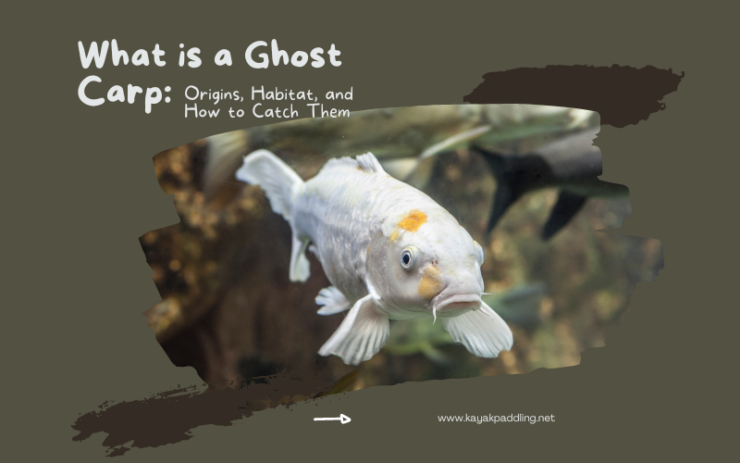
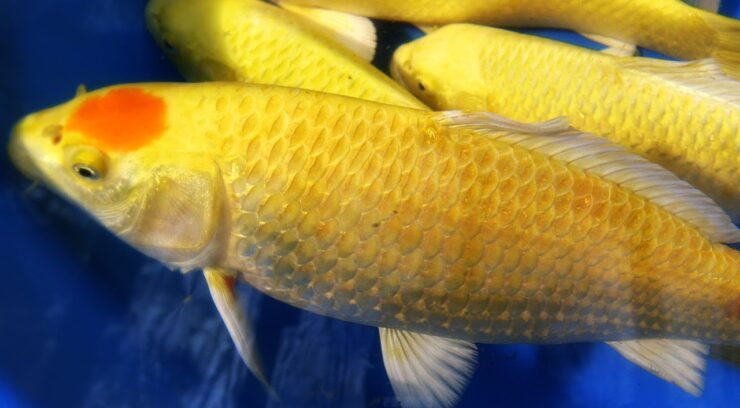
The Ghost Carp (Cyprinus carpio) is an ornamental hybrid, born from the strategic crossbreeding of traditional mirror or common carp with the brilliant, metallic Yamabuki Ogon Koi. While biologically identical to their Nishikigoi (Koi) cousins, the Ghost Carp possesses a distinct aesthetic and behavioral profile that separates it in the eyes of enthusiasts.
Physical Profile
- Average Weight: 6–15 lb (2.7 kg–6.8 kg)
- Maximum Potential: Up to 94 lb (42 kg)
- Average Length: 18–26 inches (45–65 cm)
- Maximum Length: 48 inches (120 cm)
- Lifespan: 9–45 years
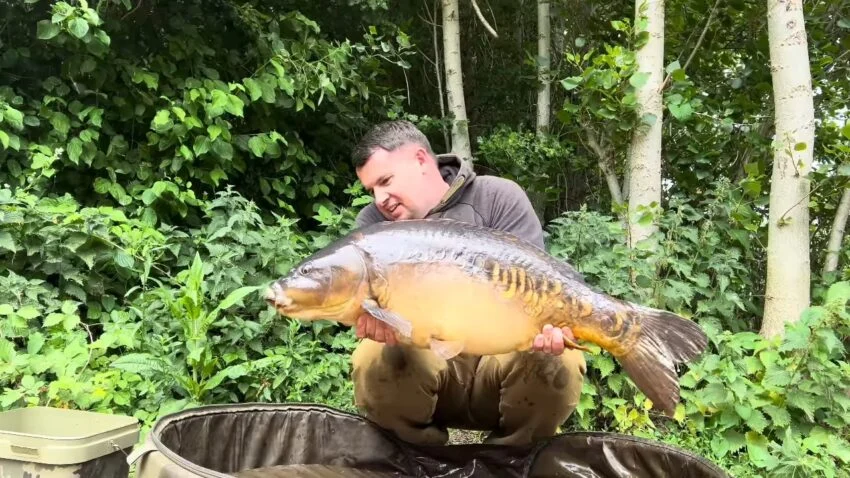
What makes them truly "ghostly" is their appearance. They feature a torpedo-shaped body that can be either fully scaled or "Doitsu" (scaleless/mirror). Their hallmark is a dark under-layer of skin topped with striking, crystalline purine cells. These cells act as natural mirrors, reflecting light to create metallic gold, silver, or platinum highlights, allowing the fish to seemingly vanish or flash brilliantly depending on the angle of the light in murky, sediment-rich waters.
A Chronological Evolution
The history of the Ghost Carp is a relatively modern tale of selective breeding.
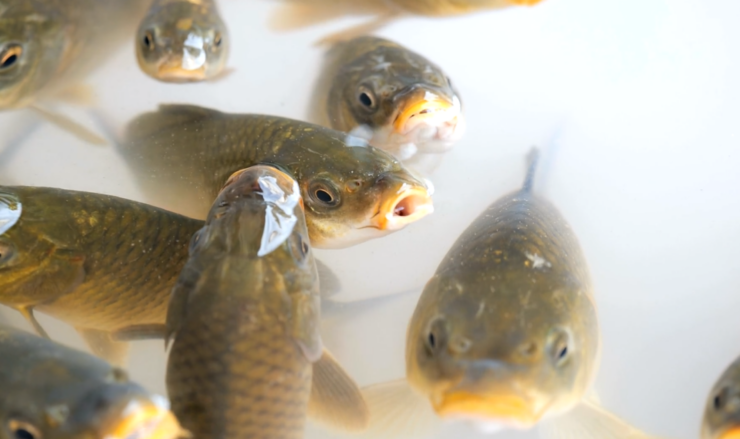
- Pre-1980s: The ancestors of the Ghost Carp were predominantly dark-colored wild carp, valued primarily for their hardiness and resilience in Central European and Asian agricultural systems.
- The 1980s Transformation: A pivotal moment in aquaculture occurred when an innovative farmer experimented with crossing the rugged, deep-bodied mirror carp with the flashy, ornamental Yamabuki Ogon Koi. The result was the first generation of Ghost Carp.
- Late 20th Century to Present: The breed gained rapid popularity in the UK and Europe. While traditionalists in the Koi breeding world were initially hesitant to recognize them as "pedigree" Koi, the sport-fishing community embraced them for their stamina and intelligence.
- Global Expansion: While ornamental variants were being refined in private fisheries, wild carp species were being imported globally—including to the United States in the 1970s—for vegetation management. This created a dual narrative: one of a prized ornamental sport fish and one of an invasive species challenging local ecosystems.
Supporting Data: Behavioral and Biological Insights
The Ghost Carp is a master of survival. Its ability to withstand temperatures ranging from 3°C to 30°C and its capacity to thrive in low-oxygen environments make it one of the most resilient species in freshwater habitats.
Foraging Habits
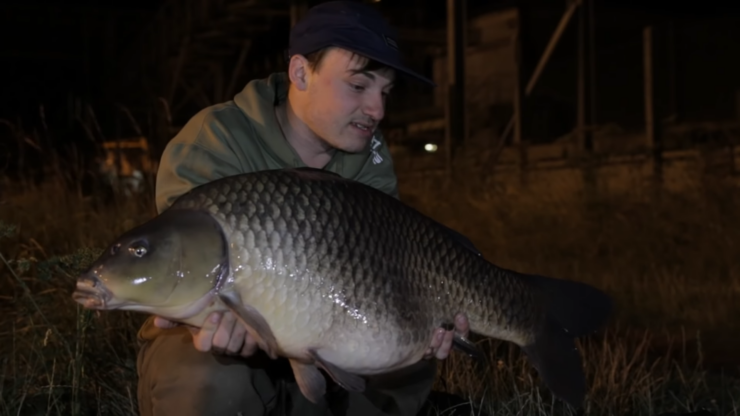
Often dubbed "freshwater pigs," these fish are bottom-feeders. They use sensitive barbels—tactile sensory organs located near their rubbery, protruding lips—to sift through silt and vegetation for aquatic insects, mollusks, and crustaceans. This constant foraging behavior is the primary driver of their growth but also a significant factor in their environmental impact.
Reproduction and Life Cycle
Sexual maturity is typically reached between the ages of two and three. Breeding is highly temperature-dependent, usually occurring when water temperatures hit 16°C–22°C. A single female can lay hundreds of thousands of eggs in a single season. These eggs are adhesive, attaching themselves to submerged weeds. Unlike many other species, Ghost Carp provide no parental protection, relying instead on the sheer volume of offspring to ensure the survival of the species.
Official Perspectives and Ecological Implications
The presence of Ghost Carp in public waterways is a subject of significant management concern. While private, enclosed fisheries in Europe treat them as crown jewels, environmental agencies in North America and parts of Asia view them through a more critical lens.
The Problem of Eutrophication and Habitat Disruption
Because Ghost Carp and their wild cousins thrive in warm, nutrient-rich (eutrophic) water, their populations can explode. Their bottom-feeding habits trigger a "domino effect" in local ecosystems:
- Sediment Disturbance: As they forage, they stir up the lake bed, increasing water turbidity.
- Light Blockage: High turbidity prevents sunlight from reaching aquatic plants, causing them to die off.
- Food Web Collapse: The loss of vegetation removes habitat and spawning grounds for native fish species, while the carp outcompete these native species for the available benthic invertebrate food source.
Disease Vectors
Official wildlife and fisheries departments often warn of the risks associated with unauthorized introductions. Wild populations can act as carriers for serious pathogens, most notably the Koi Herpesvirus (KHV). The transmission of such diseases through the movement of live fish is a major reason for strict governmental regulations regarding the transport and stocking of carp.
The Angler’s Perspective: The "Ghost" Challenge
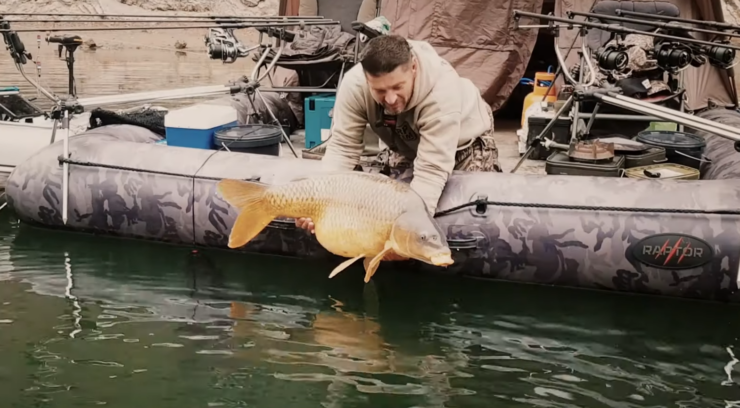
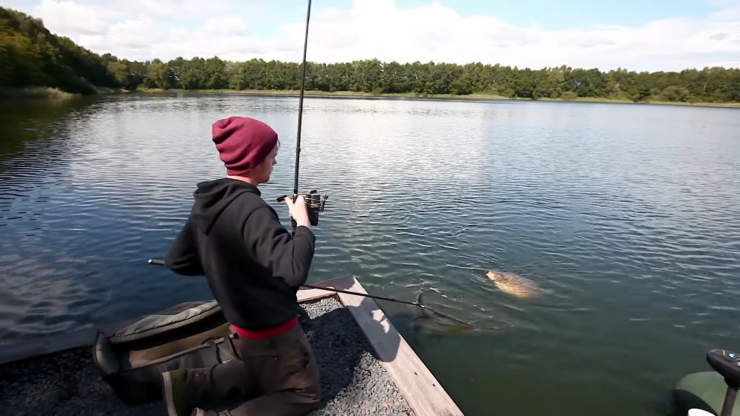
For the sport fisherman, the Ghost Carp represents the pinnacle of a challenging pursuit. Their reputation for "intelligence" is not mere superstition; it is a testament to their wariness and experience.
Tactics for Success
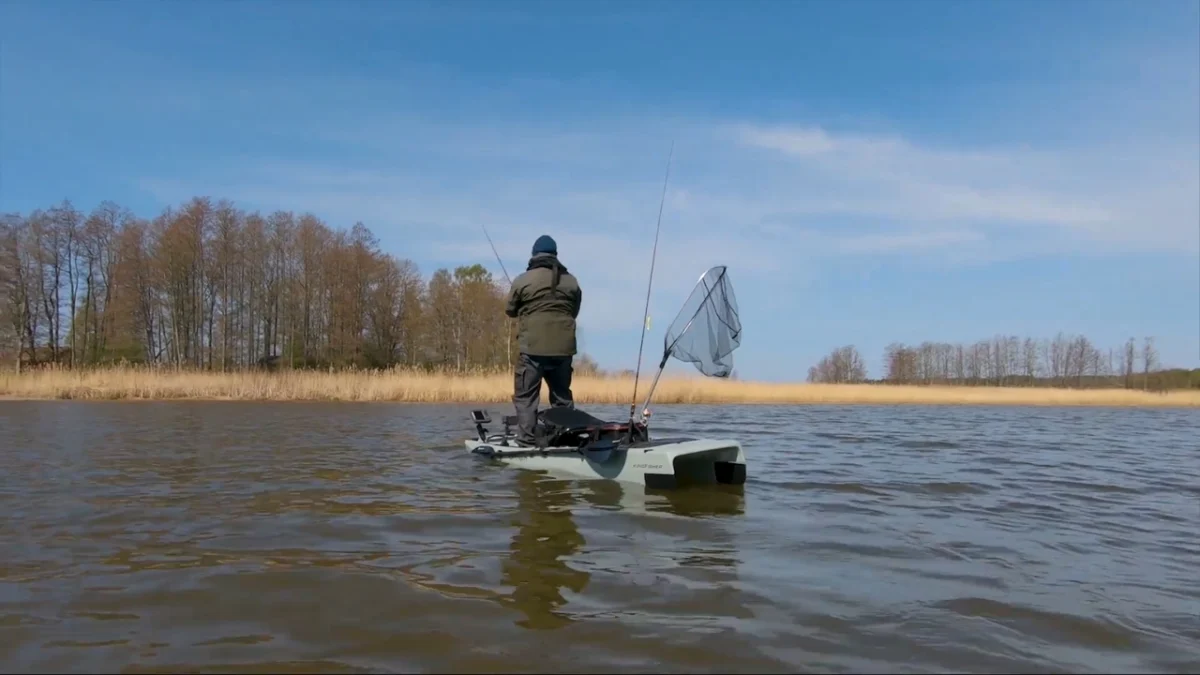
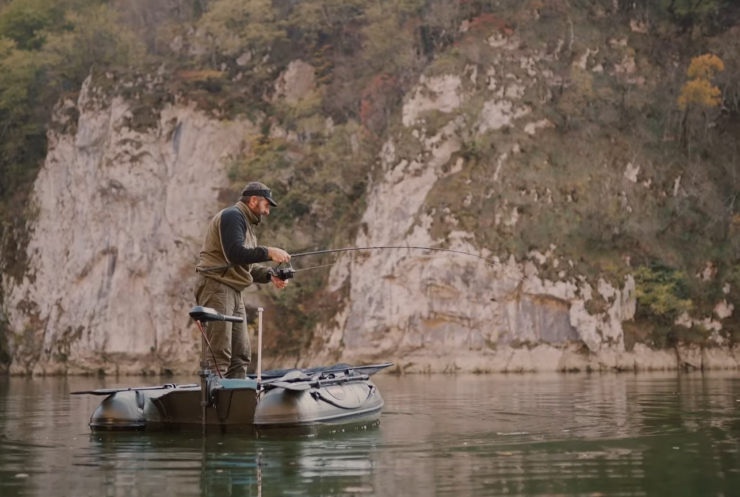
To catch a Ghost Carp, one must move beyond standard techniques. Because they are cautious, stealth is paramount. Experienced anglers often:
- Scout the Structure: Focus on submerged logs, lily pads, and overhanging trees where the fish seek refuge.
- Vary the Bait: While pellets are the standard, success often requires versatility. Worms, sweetcorn, maggots, and even flavored luncheon meat can entice a strike when standard offerings fail.
- Patience and Persistence: As they are highly sensitive to their environment, a "catch and release" mindset is vital. Ensuring the fish has enough space—at least 25 liters of water per fish in tank settings—is a rule of thumb for keepers, but in the wild, it is about respecting the fishery’s carrying capacity.
Conclusion: Myth vs. Reality
The "Ghost" of the water is neither a paranormal entity nor a mindless scavenger. It is a sophisticated, highly evolved, and visually stunning fish that demands respect from both the scientist and the angler.
As we look toward the future of aquatic management, the Ghost Carp stands as a reminder of the delicate balance between human desire for ornamental beauty and the needs of native biodiversity. Whether you are an angler hoping to catch a glimpse of that metallic shimmer on the end of your line, or a conservationist working to protect native habitats from invasive expansion, understanding the biology and history of this fish is the first step toward responsible coexistence.
While they may never possess the spectral powers of a true phantom, the Ghost Carp’s ability to "vanish" into the murky depths of a lake is a trick of biology that ensures they will remain one of the most enigmatic figures in the freshwater world for generations to come.