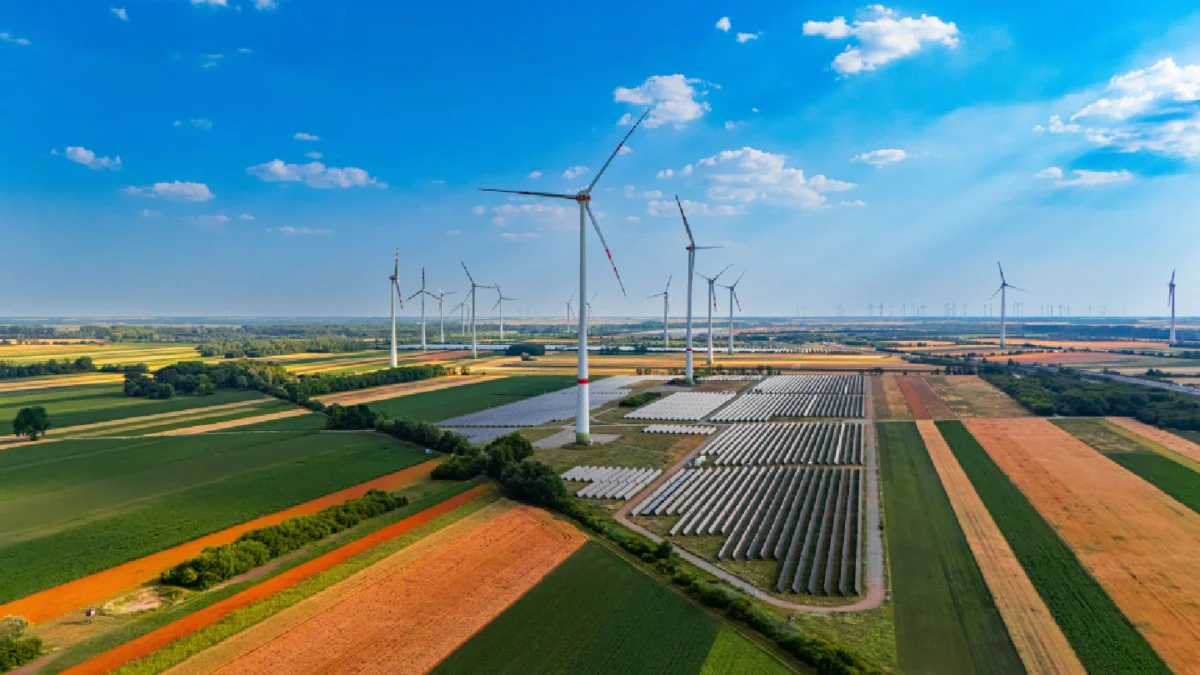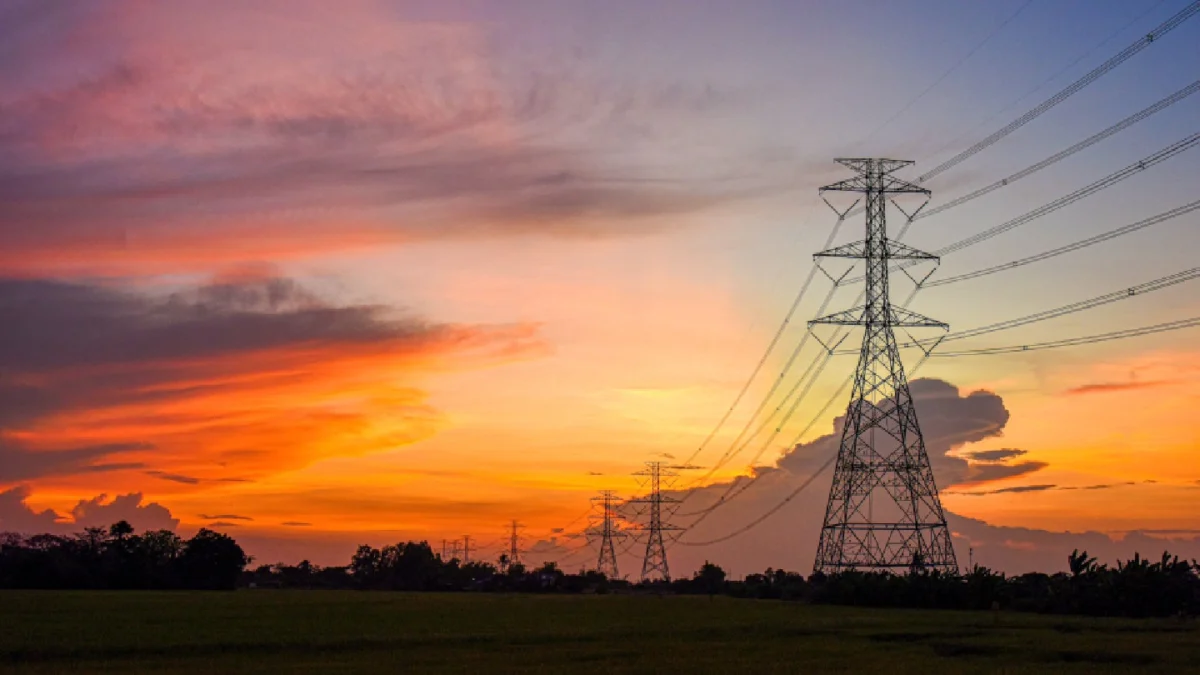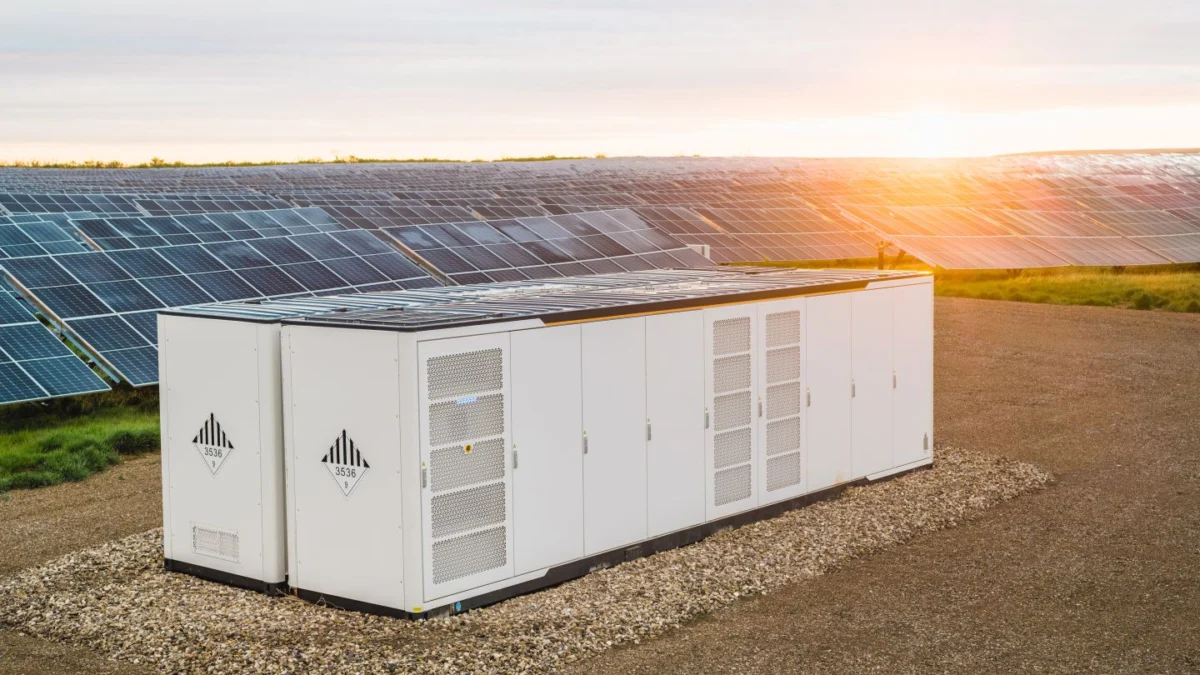
In a significant consolidation move within the European energy sector, Aura Power Developments and Verdant Energy have announced a strategic merger, forming a new, high-capacity Independent Power Producer (IPP). The newly formed entity, backed by significant financial support from CVC DIF, aims to accelerate the deployment of solar photovoltaic (PV) and battery energy storage systems (BESS) across the United Kingdom.
The merger combines the agile development capabilities of Aura Power with the robust, operational, and under-construction portfolio of Verdant Energy. By integrating these strengths, the new platform enters the market with a formidable 1GW of operating and near-term assets, underpinned by a massive 10GW development pipeline that promises to play a pivotal role in the UK’s transition to net-zero carbon emissions.
The Strategic Union: Main Facts and Structure
The newly unified organization represents a seamless blend of two complementary business models. While Aura Power—founded in 2013—has historically excelled in the high-stakes world of project development, having shepherded over 2.1GW of projects to the "ready-to-build" stage, Verdant Energy brings a proven track record of asset management and large-scale delivery.
Launched in 2022, Verdant Energy quickly established itself as a reliable operator with a portfolio spanning 660MW of utility-scale solar and co-located battery storage. By merging, the new IPP eliminates the traditional friction between "developer" and "operator," creating a vertically integrated powerhouse capable of managing the full lifecycle of a renewable energy asset—from site identification and planning permission to construction and long-term energy generation.
The transaction has been bolstered by CVC DIF, which has invested in the business through its DIF Infrastructure VII fund. Further financial stability has been secured via a financing package provided by the Eiffel Investment Group. This capital infusion is earmarked for three primary objectives: facilitating the merger itself, refinancing existing junior facilities, and providing the liquidity necessary to aggressively scale the combined 10GW development pipeline.
Chronology: A Path to Market Consolidation
The formation of this new IPP is the culmination of years of individual growth for both entities. To understand the significance of this merger, one must look at the trajectories of the founding businesses:
- 2013: Aura Power is established, focusing on the burgeoning UK solar market. Over the following decade, the company carves out a niche in international and domestic markets, focusing on complex project development and commercialization.
- 2022: Verdant Energy enters the landscape with a specific focus on utility-scale solar and battery storage. Its rapid assembly of a 660MW portfolio highlights a shift in the market toward the necessity of co-located storage to manage grid intermittency.
- Mid-2024: Aura Power signals a pivot toward an IPP model, successfully reaching financial close on six major UK solar projects and achieving the energization of the high-profile Kemble site.
- 2026 (Current Date): The formal merger is finalized. The combined entity integrates a staff of more than 75 professionals, drawing on the deep expertise of both legacy organizations to manage a platform now boasting 1GW of active/under-construction capacity.
Supporting Data: Scaling for the UK Net-Zero Target
The UK government’s mandate to decarbonize the power system by 2030 requires an unprecedented pace of renewable infrastructure rollout. The new IPP is strategically positioned to address the primary technical challenge of this transition: grid stability.
The 1GW Operating Core
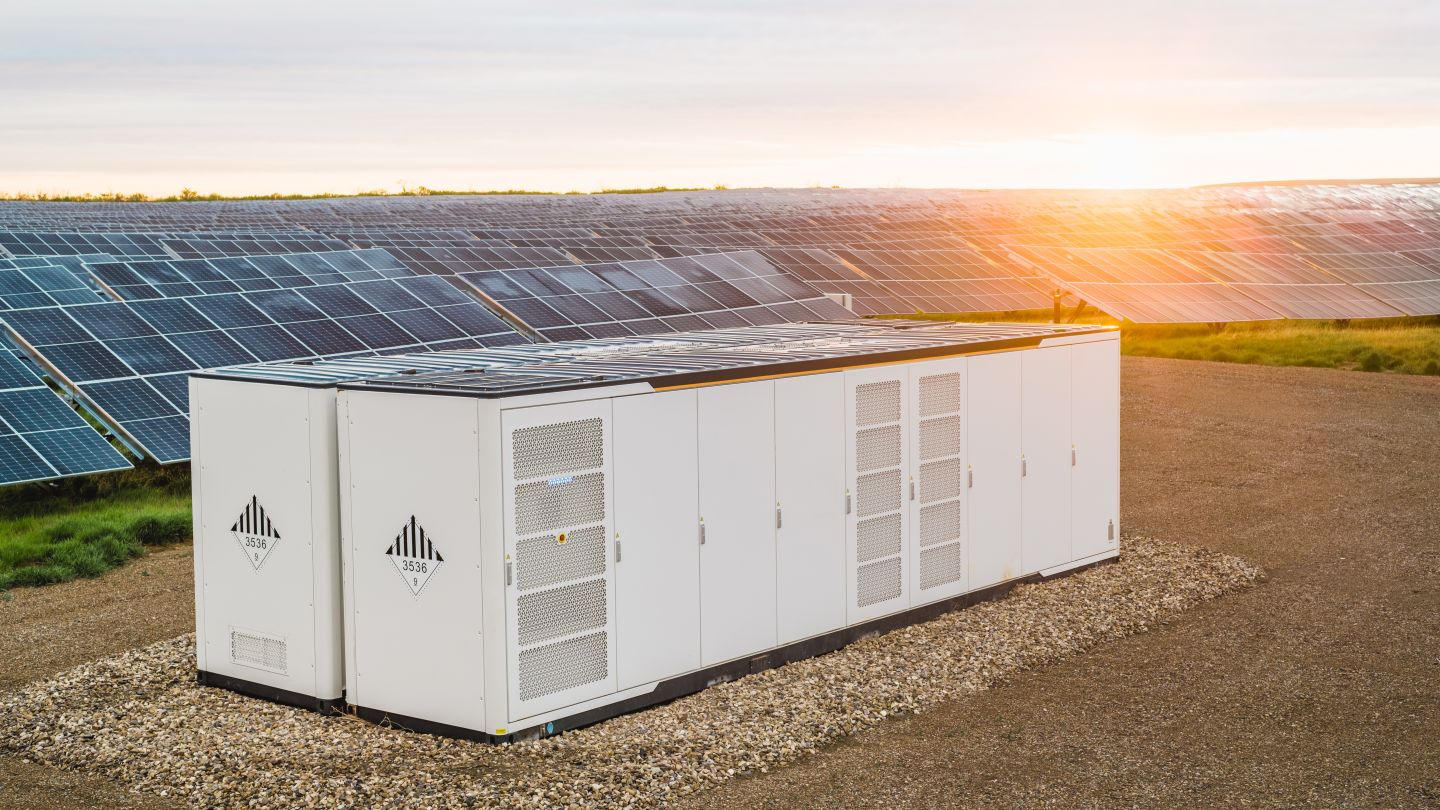
The initial 1GW of assets provides the immediate revenue base required for an IPP to be creditworthy in the eyes of institutional investors. By balancing solar generation (which is weather-dependent) with battery storage (which provides essential frequency response and load shifting), the platform offers the National Grid a reliable, dispatchable power source.
The 10GW Pipeline
The 10GW development pipeline is perhaps the most significant aspect of this merger. To put this into perspective, 10GW is roughly equivalent to the capacity of several large-scale nuclear power stations. Successfully converting this pipeline from "contracted project" to "energized asset" will require significant capital, regulatory navigation, and technical precision—all of which are now supported by the CVC DIF backing and the consolidated team of 75+ experts.
International Ambitions
While the UK remains the primary theater for the new entity, Aura Power’s legacy of international development remains active. The company has confirmed that it will continue to pursue battery energy storage project development in select European markets, signaling that the leadership team intends to apply their UK-honed expertise to the wider continental energy crisis.
Official Responses and Strategic Vision
The leadership transition places Simon Coulson, the founder and CEO of Aura Power, at the helm of the combined organization. Coulson, who will continue to hold a minority stake, views the merger as a transformative moment for the industry.
"This merger with Verdant Energy, with the backing of CVC DIF, marks a transformative milestone for Aura Power," Coulson stated during the announcement. "By combining our extensive development pipeline with Verdant’s robust delivery track record, we are perfectly positioned to scale our IPP model. The deal provides us with both the financial strength and operational expertise to accelerate the delivery of critical solar and battery storage infrastructure, helping the UK meet its ambitious green energy targets."
The sentiment reflects a broader industry trend where mid-sized developers are seeking the financial "heft" of infrastructure funds to move from the development phase—which is inherently risky—to the operational phase, which provides stable, long-term returns.
Implications: The Future of the UK Renewable Market
The merger carries significant implications for the UK energy market, which is currently undergoing a structural transformation.
1. Vertical Integration as the New Standard
For years, the UK renewable sector was fragmented. Developers would sell projects to utilities, who would then manage them. This merger suggests that the market is maturing into a model where developers hold onto assets to capture the "full margin" of the value chain. By controlling the asset from inception through to the point of connection, the company can better optimize the interaction between solar generation and BESS discharge.
2. The Role of Private Equity in the Energy Transition
The involvement of CVC DIF and the Eiffel Investment Group underscores the massive appetite among institutional investors for "real assets" that support the green transition. For CVC DIF, this is not just a financial play; it is an infrastructure play. By financing the development pipeline, they are essentially underwriting the physical hardware required for the UK’s 2030 decarbonization goals.
3. Increased Competitive Pressure
With a 10GW pipeline, this new entity becomes a "Tier 1" player overnight. Other developers will likely feel pressure to either consolidate or seek similar financial partnerships to maintain their competitiveness in a market where land and grid connections are increasingly scarce and expensive.
4. Technical and Legal Sophistication
The sheer complexity of this transaction is evidenced by the roster of advisory firms involved. Akereos Capital (financial/debt), CMS (legal), TLT (real estate), DNV (technical), and PwC (tax/structuring) were all necessary to thread the needle of this multi-faceted merger. As the industry grows, such high-level advisory work is becoming a prerequisite for any firm looking to achieve scale.
Conclusion
The union of Aura Power and Verdant Energy is more than just a corporate merger; it is a strategic alignment of two distinct skill sets that, when combined, create a powerhouse capable of executing the UK’s most critical energy infrastructure projects. With a 1GW portfolio already delivering power and a 10GW pipeline waiting in the wings, the company is poised to become a central pillar in the British transition to a clean, reliable, and secure energy future.
As the energy landscape continues to shift toward decentralized, renewable-heavy systems, the success of this entity will serve as a bellwether for the viability of the IPP model in a post-subsidy energy market. With professional leadership, deep-pocketed financial backers, and a clear roadmap, the newly merged entity is well-equipped to turn the vision of a carbon-neutral UK into a reality.