By Ben Emanuel | July 31, 2026
While the summer of 2026 has been defined by headline-grabbing heat waves, a more insidious and long-term threat is gripping the American Southeast: a severe, lingering drought. As of late July, large swaths of the region are suffering under the weight of an environmental stress test that is pushing ecosystems, municipal water supplies, and agricultural sectors to their breaking points.
The current crisis is not merely a product of this summer’s record temperatures; it is the culmination of a hydrological deficit that began months ago, exacerbated by modern development patterns that leave our rivers and watersheds increasingly vulnerable to a changing climate.
The Core Facts: A Region Under Stress
The drought conditions currently affecting the Southeast are characterized by both their intensity and their timing. According to the U.S. Drought Monitor, North Carolina has been at the epicenter of this crisis, with vast portions of the state languishing in "severe" or "extreme" drought for several consecutive months.
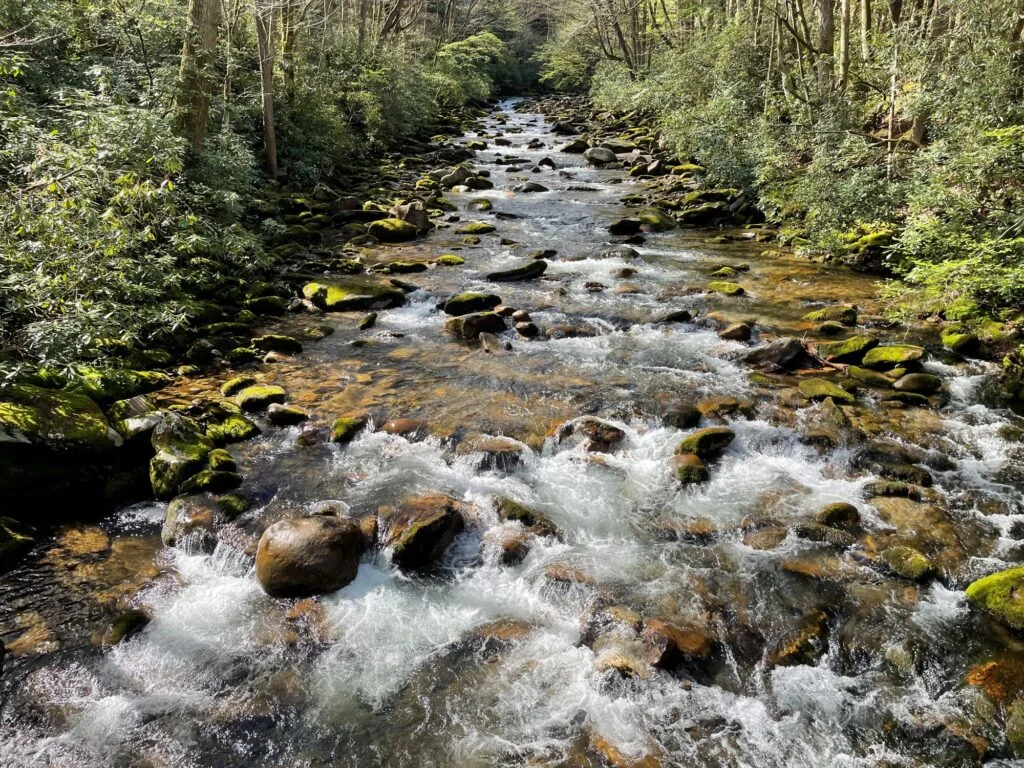
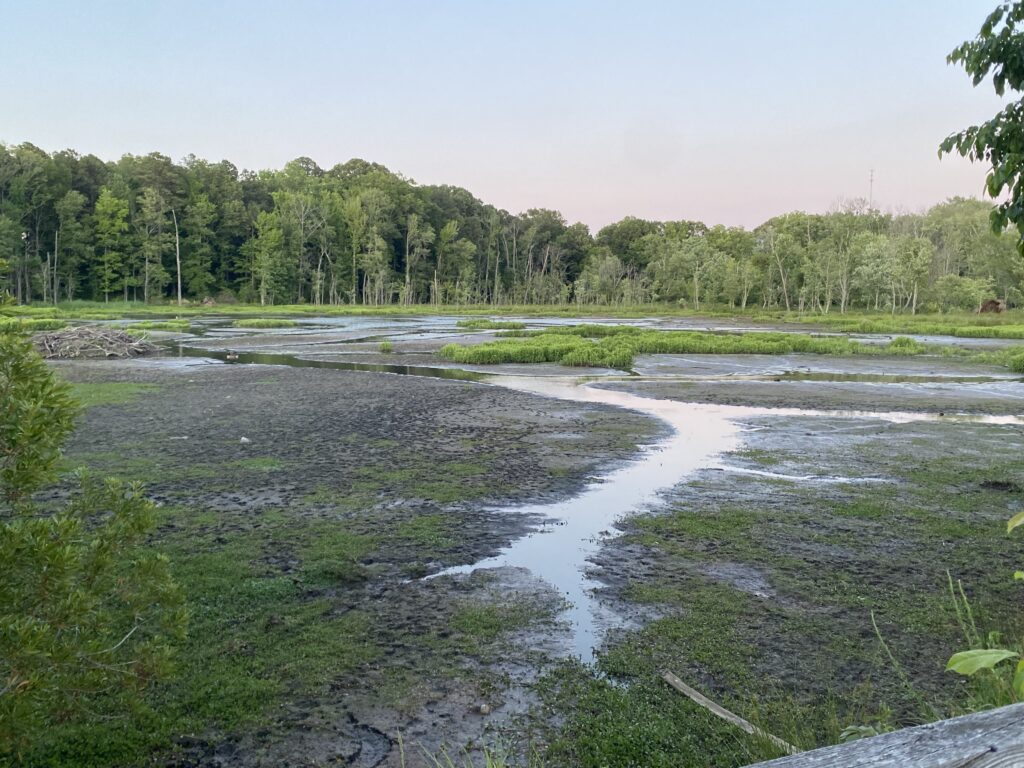
Across the region, stream and river flows have plummeted to near-record-low levels. When these waterways—the lifeblood of the Southeastern ecosystem—drop below their natural baseflow, the cascading impacts are immediate and severe. Fish and wildlife habitats are fractured, recreational river use is curtailed, and the very water security of the communities that rely on these basins for drinking water and sanitation is compromised.
A Chronology of a Slow-Motion Disaster
To understand the severity of the 2026 drought, one must look beyond the summer heat. Hydrological health is a cumulative process, and this year’s crisis is a case study in "missed opportunities" for recharge.
- The Winter Deficit: In the Southeast, the winter months are typically the period when the landscape "recharges." During the cooler season, rainfall replenishes groundwater tables and sustains the baseflow of streams. This past winter was uncharacteristically dry, leaving the region with a water-availability deficit before the first heat wave even arrived.
- The Failed Spring: Springtime is historically the rainy season for the region. However, in 2026, the expected spring rains never materialized in sufficient quantities to offset the winter losses. Instead, drought conditions intensified during a period when the landscape should have been saturated.
- The Summer Heat Trap: By the time summer arrived, the "dry-out" was already well underway. As temperatures soared, soil moisture evaporated rapidly, and the lack of ground saturation meant that any sporadic rainfall was absorbed by parched earth rather than running off into the river systems.
- The Present Day: As of late July, the region remains locked in this cycle. While some states like Georgia have seen brief, localized relief from sporadic summer storms, the underlying water deficit remains substantial. In North Carolina, the recovery timeline is projected to be significantly longer, as the current drought is now deeply entrenched in the local hydrology.
Supporting Data: Infrastructure and Ecological Vulnerability
The impact of drought on a river is not purely a matter of weather; it is a matter of landscape management. Rivers are resilient, but they have been structurally compromised by human development.
The Pavement Problem
When we pave over the landscape—replacing forests and wetlands with concrete and asphalt—we destroy the "sponge" that holds water in the watershed. In an undeveloped basin, rainfall infiltrates the soil to recharge groundwater, which then slowly seeps into rivers over time. In urbanized areas, that rain instead becomes runoff, contributing to flash flooding during storms and leaving the river starving for water during dry spells.
The Demand Surge
The strain on our water resources is being compounded by four critical factors:
- Rapid Population Growth: Increased human density creates higher demand for municipal water supplies.
- Urban Sprawl: The expansion of impervious surfaces further reduces the land’s ability to retain water.
- Energy Generation: Power plants require significant water volumes for cooling, competing with other needs during drought.
- The Tech Boom: The rise of energy-intensive data centers, which require significant water for climate control, is placing unprecedented pressure on local utilities.
Official Responses and Ecological Implications
The environmental consequences of this year’s drought are already visible. The recent, massive fish kill on the Chattahoochee River in Atlanta serves as a grim warning of what happens when climate-driven "weather whiplash"—oscillating between drought and flash floods—is combined with stressed ecosystems.
Environmental agencies and advocacy groups, including American Rivers, are calling for a fundamental shift in how we manage water. The current "reactive" approach—where policy is shaped only when a drought is declared—is no longer sufficient.
The "Efficiency First" Mandate
Advocates are pushing for an "efficiency first" approach to water supply. This philosophy prioritizes demand management—fixing leaky pipes, incentivizing xeriscaping, and reducing non-essential outdoor water use—before seeking to draw more water from already taxed rivers.
Infrastructure and Smart Planning
Smart water infrastructure planning involves designing systems that mirror natural flows. This means investing in "green infrastructure," such as restored floodplains and bioswales, which allow for better groundwater recharge and protect the natural health of the river.
"We must be planning for drought when we’re not in drought," experts argue. By building policy frameworks that prioritize river-friendly management during wet years, the region can create a buffer that makes it more resilient when the inevitable dry years arrive.
Implications: A New Normal for the Southeast?
The 2026 drought is a harbinger of a future where water scarcity may become a permanent feature of life in the Southeast. As the climate continues to change, the historical reliability of seasonal rainfall patterns is diminishing.
For the average citizen, the immediate response must be conservation. Reducing water consumption is not just a polite suggestion; it is a necessary act of community stewardship. Simple steps—such as fixing plumbing fixtures, minimizing irrigation, and avoiding water waste—are vital tools in a collective defense against water insecurity.
However, individual conservation is only one piece of the puzzle. The long-term security of the region depends on how we manage the intersection of growth and geography. We are entering an era where every gallon of water represents a choice between competing needs: our homes, our industries, our energy needs, and the life of the river itself.
The rivers of the Southeast have supported this region for millennia. Whether they will continue to do so depends entirely on our ability to value them not just as a resource to be extracted, but as a living system that requires protection, planning, and respect. As we move through the remainder of this hot summer, the lesson is clear: the time to safeguard our water is now, before the next dry season begins.