As July progresses, Western and Southwestern Europe find themselves trapped beneath a formidable atmospheric phenomenon: a massive, stationary upper-level ridge known as a "Heat Dome." This meteorological structure has effectively paralyzed the continent’s weather patterns, creating a stable, high-pressure blockade that prevents cooler, refreshing maritime air from the Atlantic from reaching the mainland. The result is a prolonged, escalating, and dangerous heatwave that is currently pushing temperatures to record-shattering levels.
From the sun-scorched plains of the Iberian Peninsula to the northern reaches of France and beyond, the continent is battling extreme thermal stress. With daytime highs consistently sitting 10 to 15°C above historical norms and nighttime temperatures failing to provide any relief, the situation has escalated from a typical summer heat spell to a critical public health and environmental emergency.

The Mechanism: Anatomy of a Heat Dome
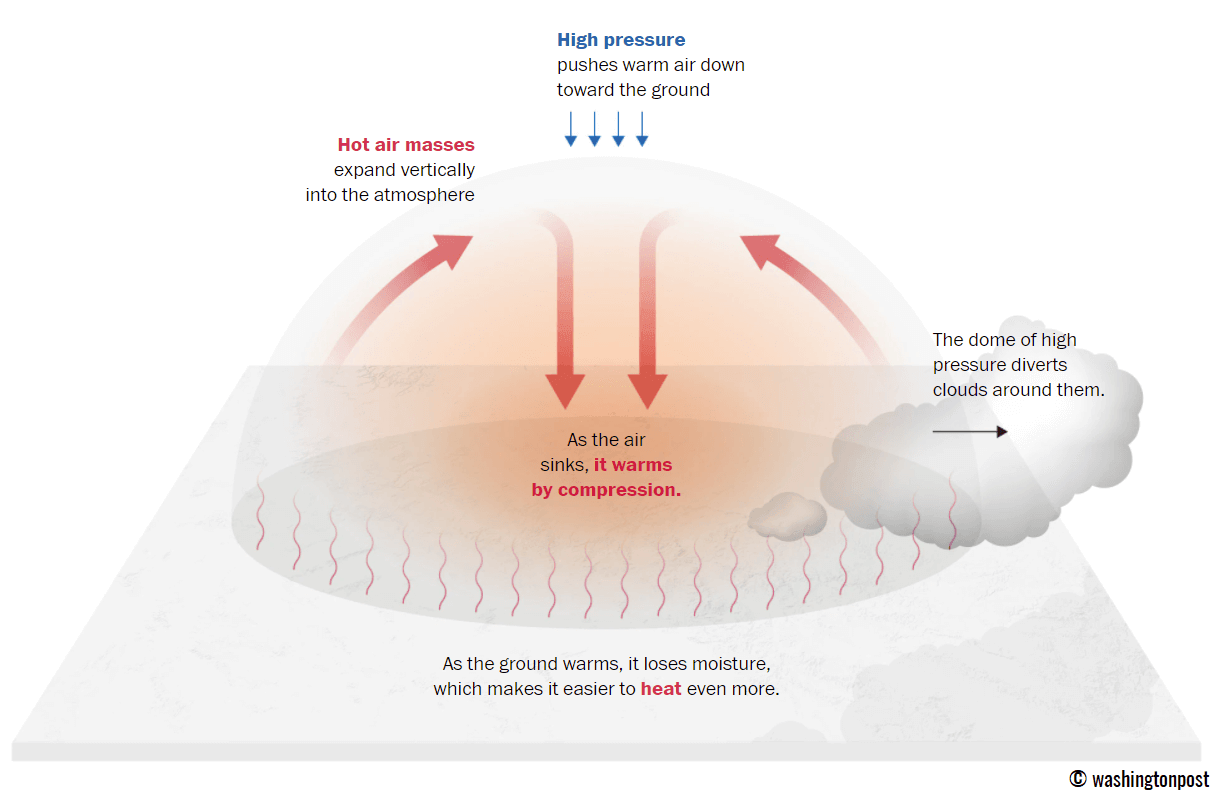
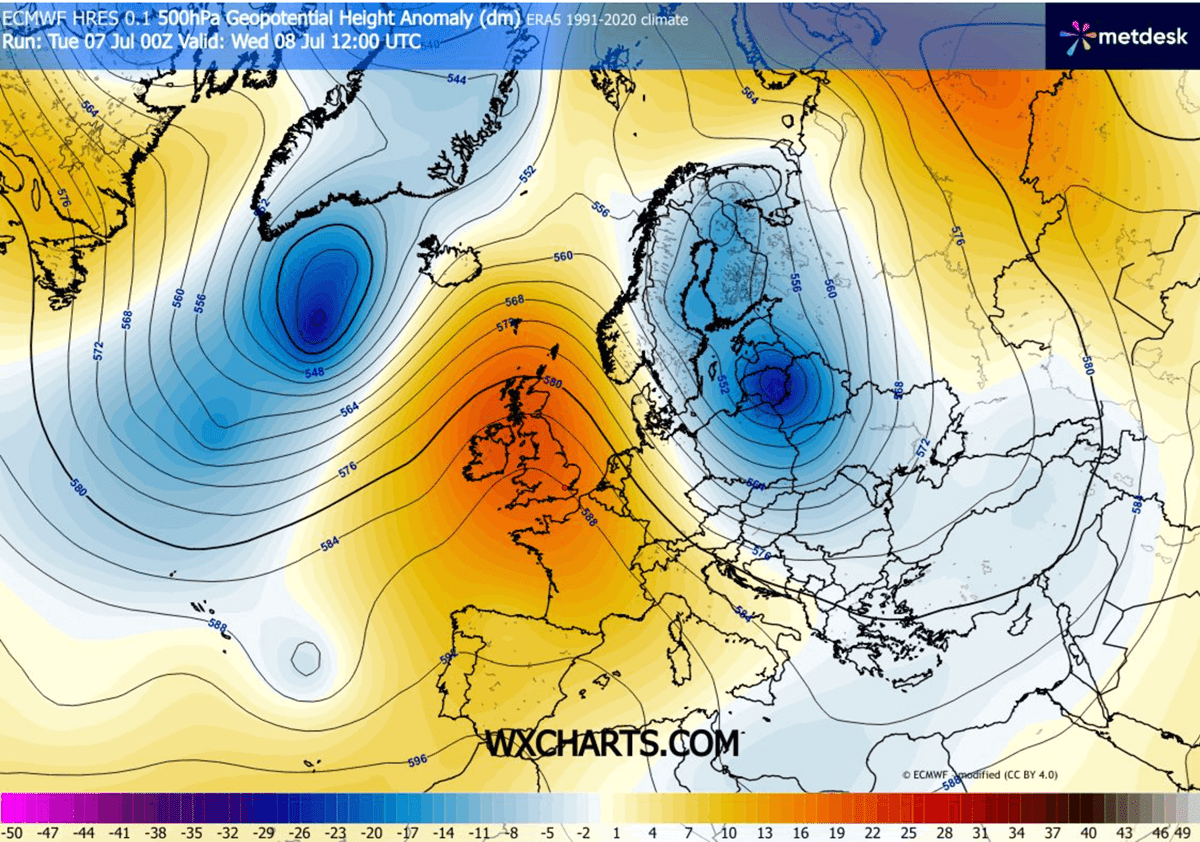
To understand the severity of the current situation, one must look at the atmospheric architecture driving it. A "Heat Dome" functions similarly to a lid on a pot of boiling water. A broad area of high-pressure air parks itself over a significant portion of the continent, trapping warm air at all levels of the atmosphere.
As the air is forced downward toward the ground, it undergoes compression, which further heats the air mass. This creates a feedback loop: the sinking, hot air prevents the formation of clouds, allowing intense solar radiation to strike the surface unimpeded, which in turn heats the ground further. Because the ridge is exceptionally stable and slow-moving, it acts as a persistent barrier, keeping the heat locked over the same geographic regions for days or even weeks.
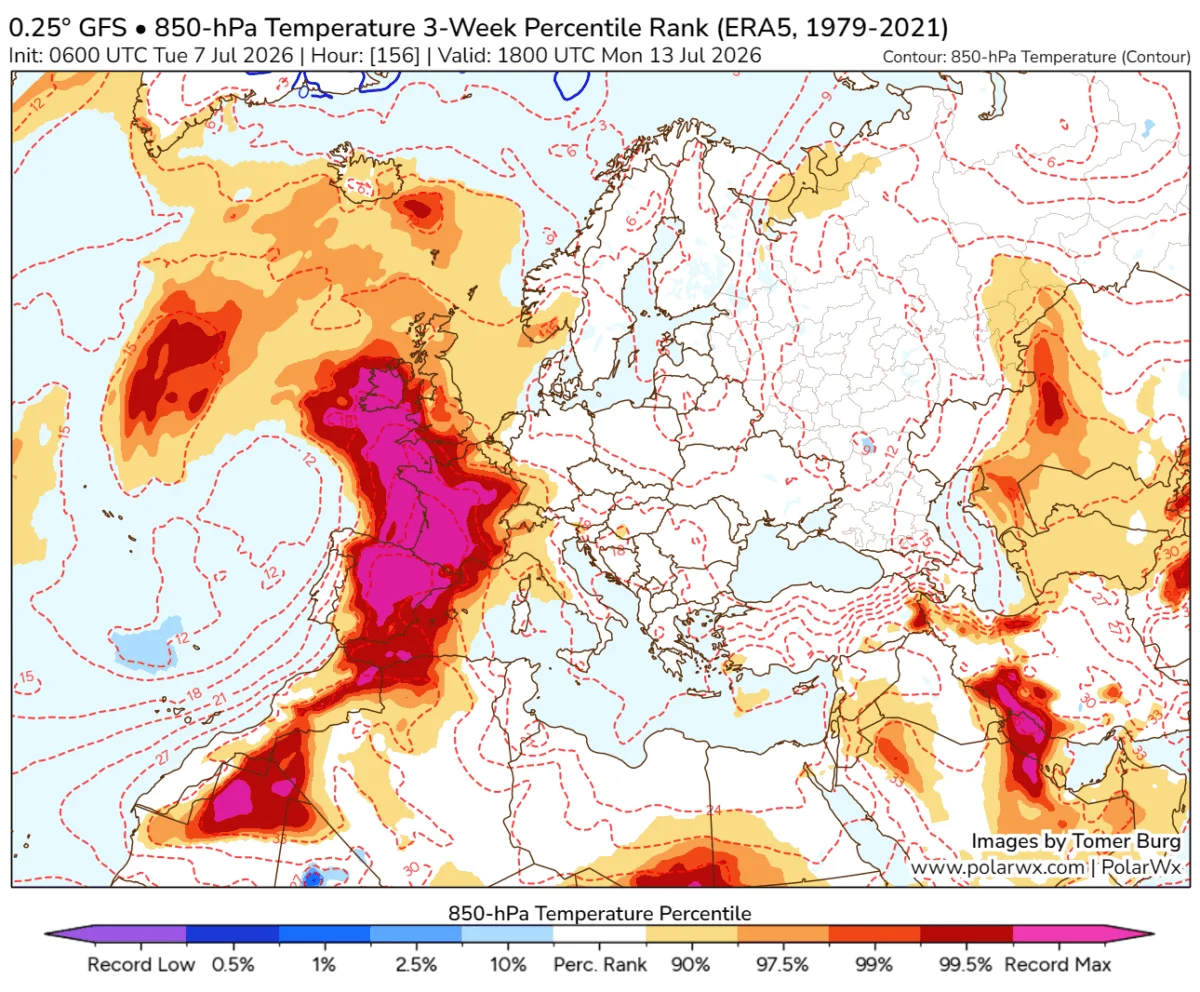
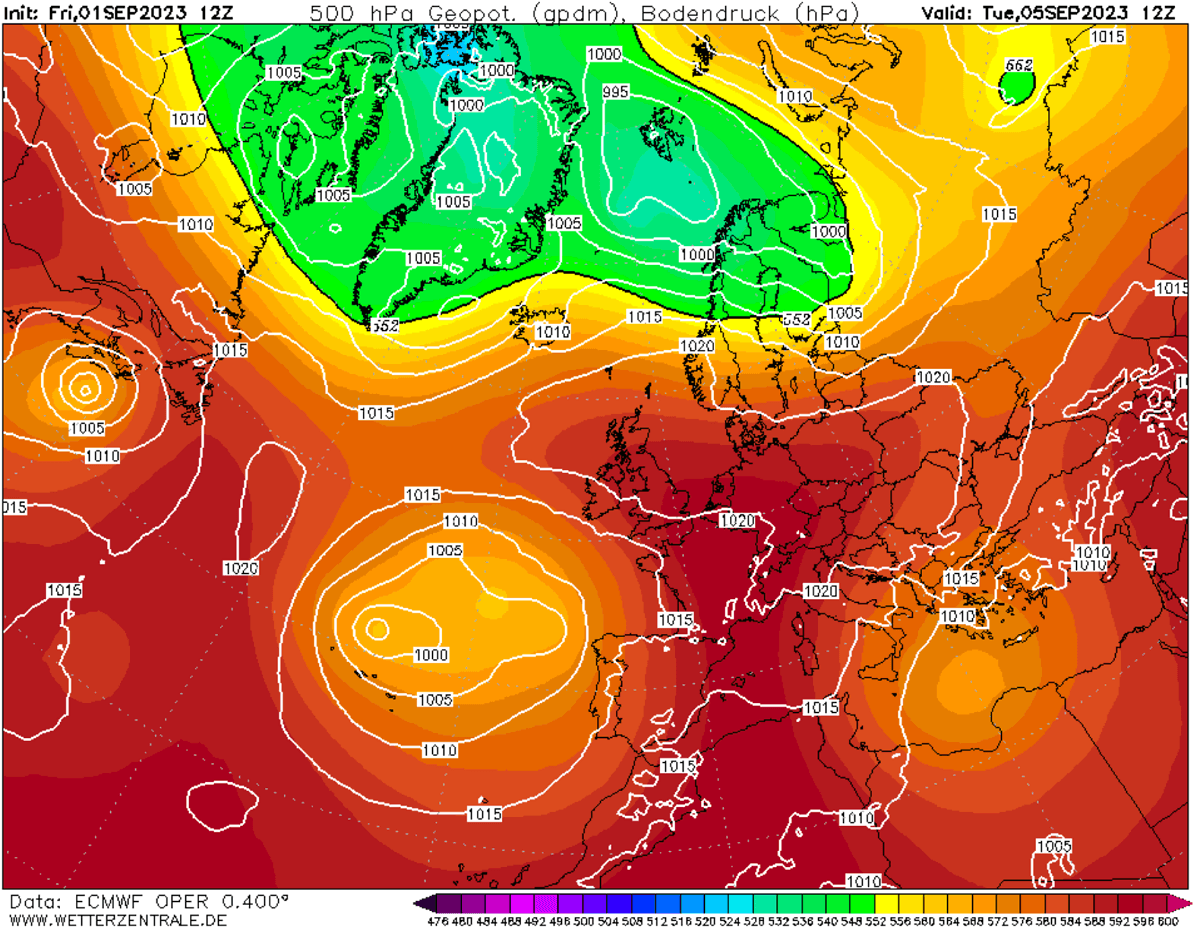
This specific event is being fueled by a massive warm plume originating in Northwest Africa, which has expanded across the Mediterranean and into Western Europe. Current modeling from the European Centre for Medium-Range Weather Forecasts (ECMWF) and the Global Forecast System (GFS) confirms that the 500 mbar geopotential heights—a measure of the pressure and thickness of the atmosphere—are reaching record-breaking levels for this time of year.
Chronology of a Crisis
The current heatwave is not an isolated event but the culmination of a summer marked by extreme volatility.
- Late May: The continent experienced an unseasonably hot spell that obliterated early-season temperature records across several meteorological stations.
- Late June: A historic heatwave swept through the region, setting new all-time highs and putting immense strain on infrastructure.
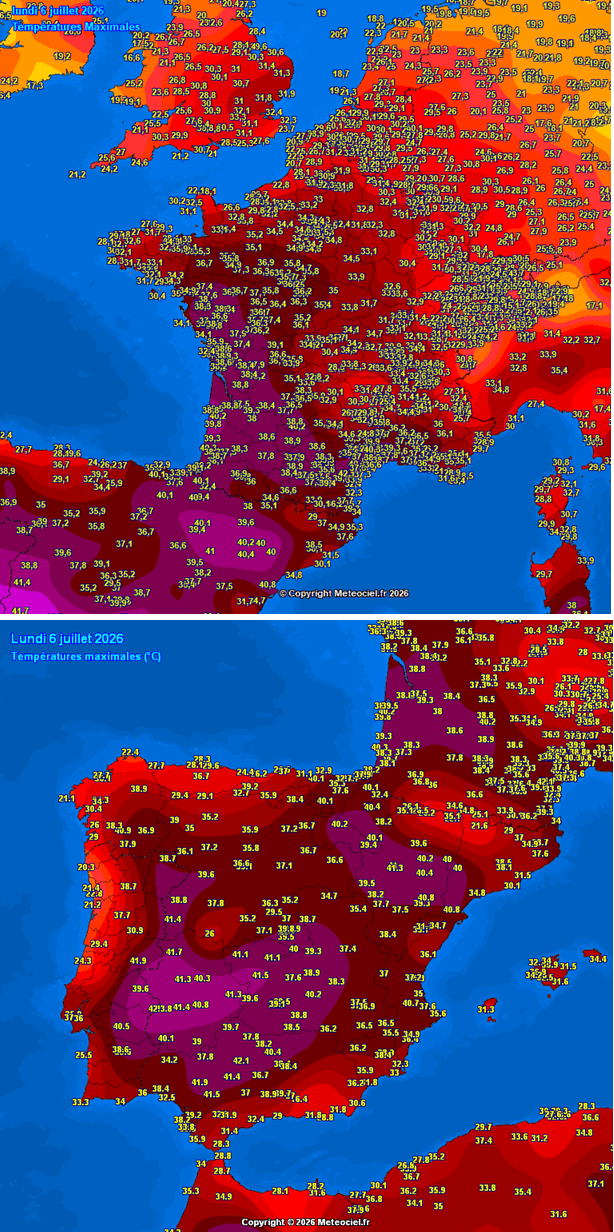
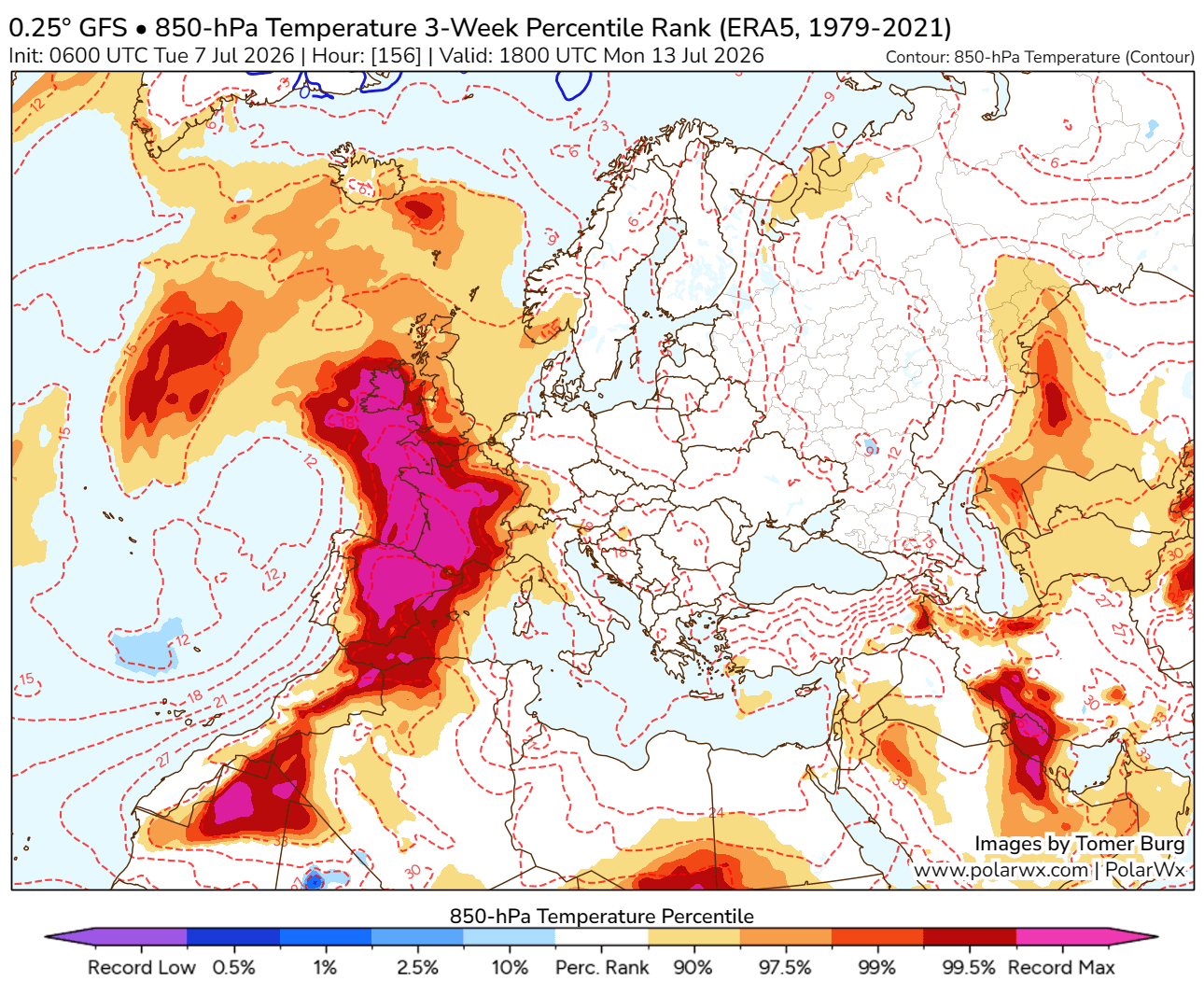
- Early July (Current): The "Heat Dome" re-established itself, building upon the already parched landscape. Southwestern Europe, particularly Spain, Portugal, and Southern France, saw temperatures climb into the 40–43°C range.
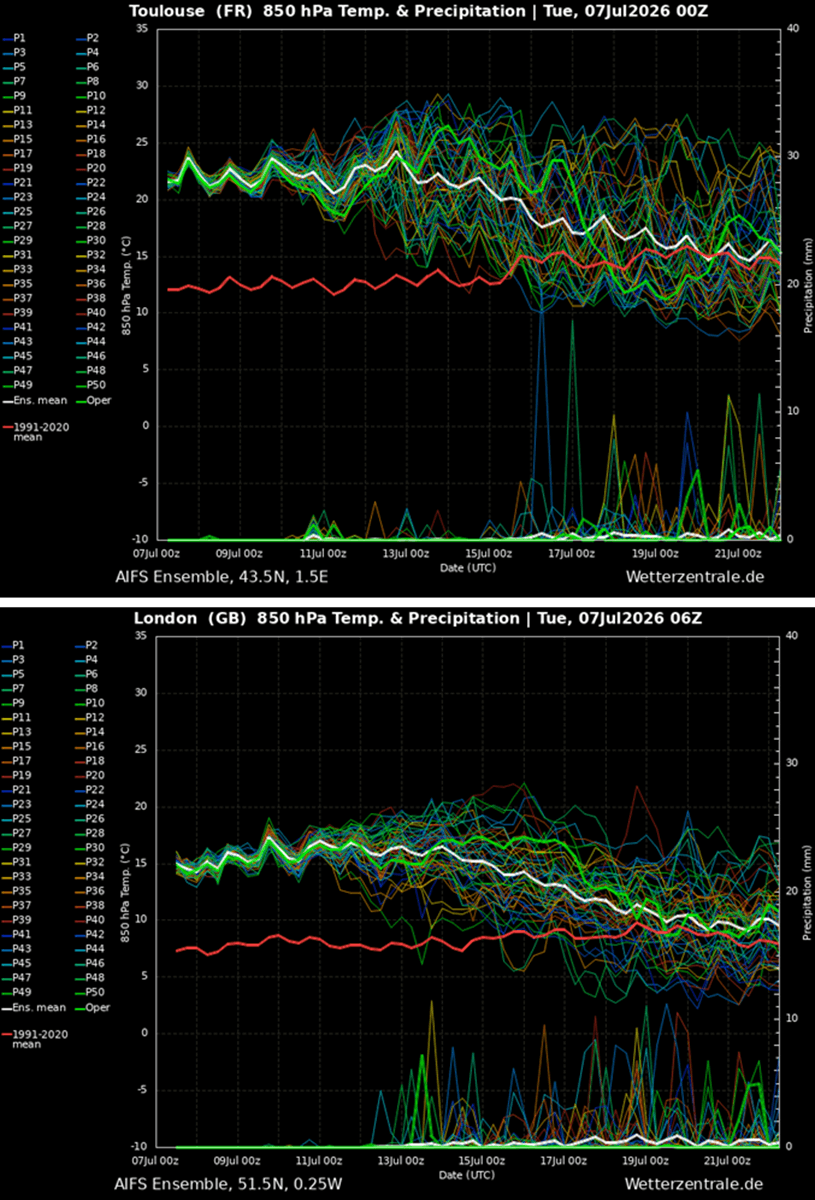
- Mid-July Projection: Forecast models indicate that the ridge will remain structurally stable for at least the next ten days. The heat is expected to expand northward into the British Isles and eastward into Germany and the Balkans, potentially pushing temperatures in Central France as high as 45°C.
Supporting Data and Meteorological Forecasts
The data provided by regional meteorological services and global climate monitors paint a grim picture. Temperatures in core regions are hovering at 12–16°C above the mid-July climatological average.
The lack of an "overnight reset" is perhaps the most concerning statistic. Urban centers like Madrid, Paris, and Lisbon are reporting "tropical nights," where temperatures refuse to drop below the 25°C threshold. Without this nocturnal cooling, the human body, buildings, and infrastructure are denied the opportunity to dissipate the heat accumulated during the day, compounding the cumulative physiological strain on residents.
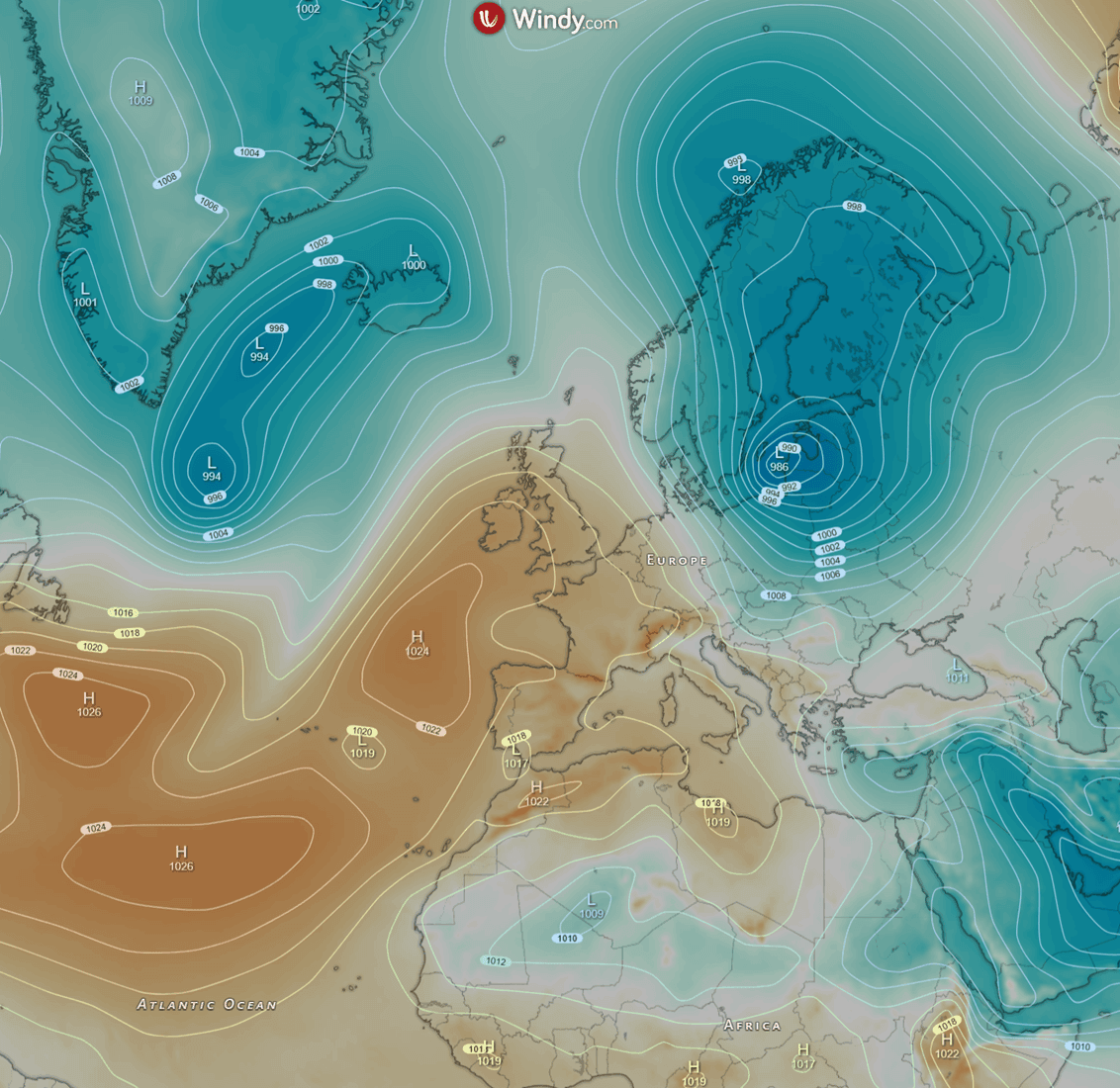
Furthermore, the pressure gradient maps reveal that the surface high-pressure system is exceptionally dominant. There are no significant frontal systems arriving from the Atlantic to break the blockade, meaning the "lid" will remain firmly in place for the foreseeable future.
Implications for Human Health and Infrastructure
The human toll of such a prolonged heatwave is significant. Medical experts and health authorities emphasize that the risk is not uniform.
Vulnerable Populations
The elderly, young children, and those with pre-existing cardiovascular or respiratory conditions are at the highest risk. Prolonged exposure to high heat leads to dehydration, heat exhaustion, and potentially fatal heatstroke.
Occupational Hazards
Outdoor workers—including those in agriculture, construction, and emergency services—face heightened dangers. The combination of intense solar radiation and high temperatures requires constant monitoring, yet the economic pressure to maintain productivity often forces continued work in life-threatening conditions.
Urban Heat Islands
The "Heat Dome" effect is exacerbated in urban environments. Cities constructed with vast quantities of concrete, asphalt, and steel act as "heat sinks," absorbing solar energy during the day and radiating it back into the atmosphere at night. For populations living in lower-income housing with poor ventilation or lack of access to air conditioning, these structures become ovens, significantly increasing the risk of heat-related fatalities.
Environmental Consequences: The Wildfire Threat
One of the most immediate and dangerous consequences of the current heatwave is the rapid degradation of soil moisture. The combination of record-breaking heat and a total lack of precipitation has created a "tinderbox" scenario across Southern Europe.
The rapid evaporation rates have led to severe soil moisture deficits, pushing the regional wildfire risk vector to "critical." Major, destructive wildfires are already active in Portugal, Spain, and Southern France. These fires are exceptionally difficult to contain because the low relative humidity—a byproduct of the high-pressure system—dries out vegetation, turning forests and grasslands into high-energy fuel.
The smoke from these fires further degrades air quality, adding a secondary health crisis to the thermal one. Emergency responders are currently being stretched to their limits as they pivot between heat-related medical calls and the suppression of fast-moving forest fires.
Official Responses and Long-term Outlook
Governments across the affected regions have begun to activate "Extreme Heat Protocols." This includes the opening of cooling centers, the implementation of "code red" health alerts, and strict bans on agricultural activities that could spark further wildfires.
However, the meteorological consensus suggests that these measures are stop-gap solutions to a pattern that is becoming increasingly frequent. The recurrence of such intense "Heat Domes" in consecutive months (June and July) highlights a disturbing trend in European climate variability.
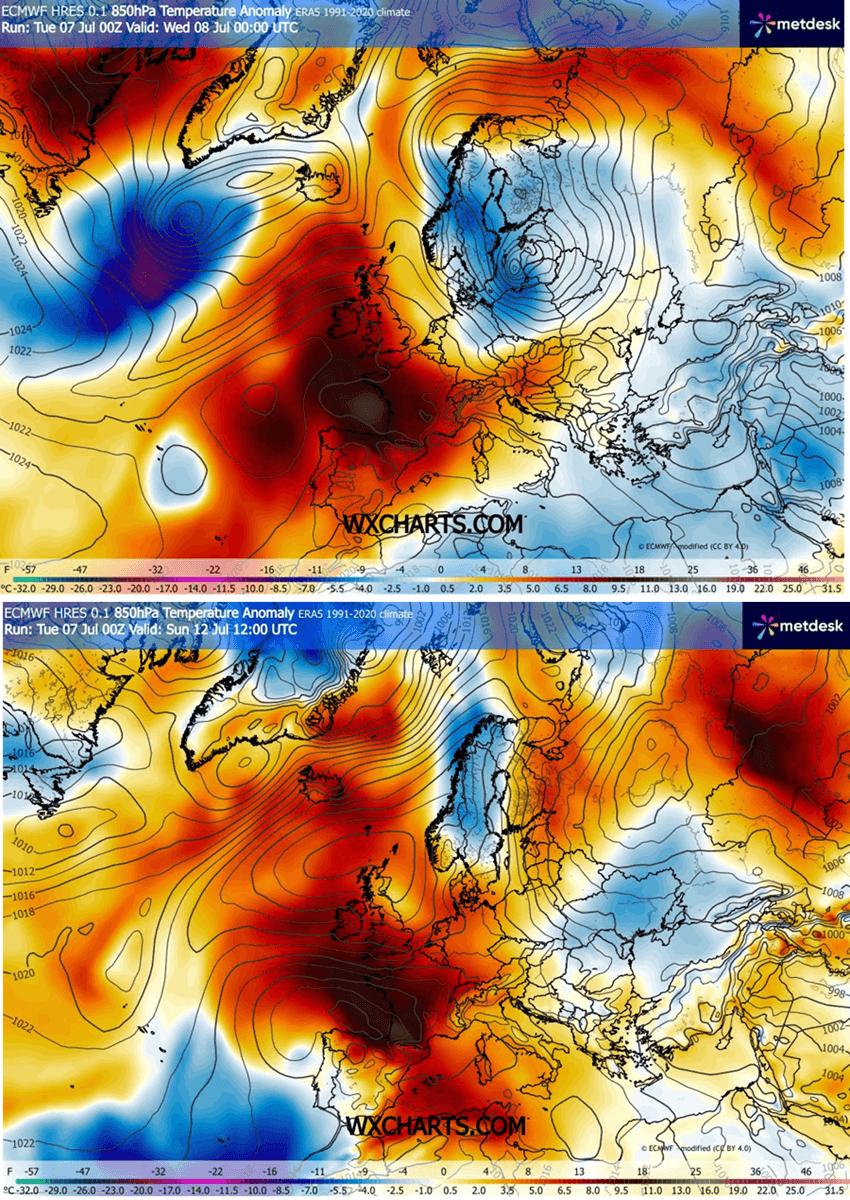
Meteorologists note that while the current focus is on the next two weeks, the structural integrity of the upper-level ridge is such that it may influence weather patterns well into August. As the heat dome continues to expand, countries in Central Europe and the Balkans are advised to prepare for record-breaking temperatures in the coming week.
In conclusion, the situation across Europe is grave. The confluence of a stagnant atmosphere, historically high surface temperatures, and parched landscapes creates a dangerous environment that will challenge the resilience of the continent’s infrastructure and public health systems. Citizens are urged to remain hydrated, minimize outdoor activity during peak sun hours, and keep a close watch on elderly or isolated neighbors as the "Heat Dome" maintains its grip on the continent.