Mount Kilimanjaro, the "Roof of Africa," remains one of the most sought-after destinations for adventurers, mountaineers, and environmental enthusiasts. Among the various paths that lead to the legendary Uhuru Peak, the Lemosho route has emerged as the premier choice for those seeking a harmonious blend of low-traffic serenity, breathtaking biodiversity, and superior summit success rates. As global interest in sustainable tourism surges, the Lemosho trail stands as a beacon of responsible mountaineering.
The Allure of Lemosho: Why It Is the Mountaineer’s Choice
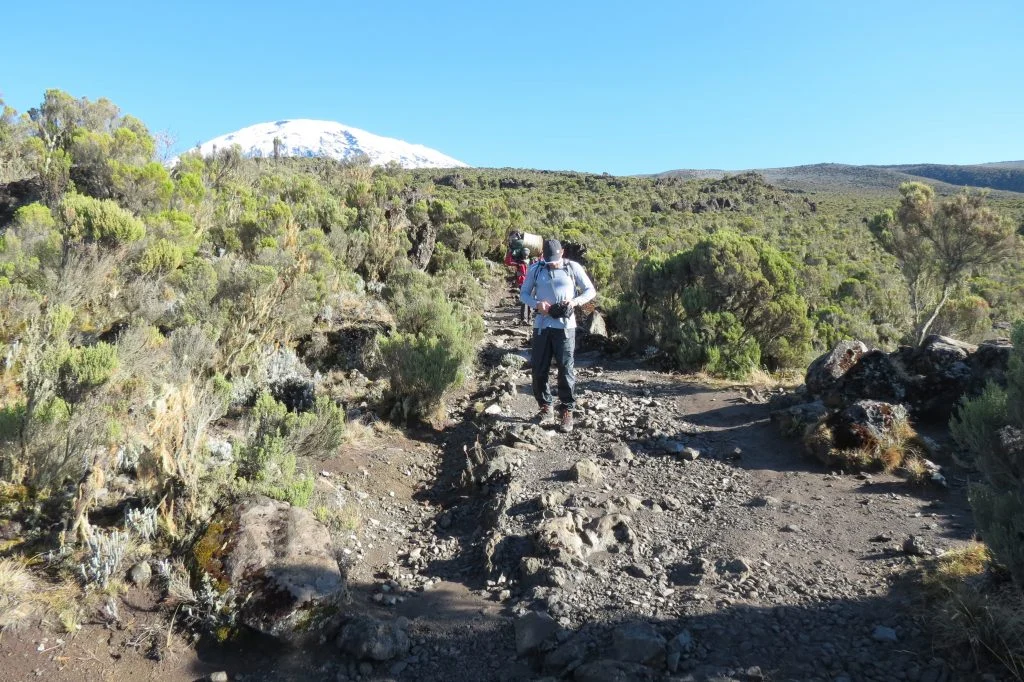
For many travelers, the primary goal of visiting Tanzania is not just to reach the summit, but to experience the diverse ecological zones that define the mountain. The Lemosho route is widely regarded as the most scenic and rewarding path, offering a unique opportunity to traverse through lush rainforests, vast moorlands, and high-altitude alpine deserts before the final push to the crater rim.
Unlike more crowded routes, such as the Marangu or Machame, Lemosho provides a secluded atmosphere. This reduced congestion is not only a benefit for those seeking a peaceful retreat into nature but also for the preservation of the mountain’s fragile ecosystem. By choosing Lemosho, trekkers actively participate in ecotourism, supporting trails that are less prone to the environmental degradation often associated with high-density foot traffic.
A Journey of Discovery: The 8-Day Itinerary
While a 7-day trek is possible, experts and seasoned guides at Kilimanjaro Tanzanite Safaris strongly advocate for the 8-day itinerary. The additional day provides a critical advantage: superior acclimatization. By spending an extra night at the Karanga Camp, the body is better prepared to handle the physiological stresses of altitude, which directly correlates to a higher success rate for reaching the summit.
The Chronology of the Ascent
The Lemosho experience begins in the vibrant town of Moshi, the gateway to the mountain. From here, adventurers are transported to the Londorosi Park Gate, marking the official start of the expedition.
Day 1: Into the Wild
The journey begins with a drive to the Lemosho Glades. After completing registration at the gate, climbers trek through the dense, pristine rainforests toward the Mti Mkubwa (Big Tree) campsite at 2,750 meters. This initial stretch is an introduction to the rich flora and fauna of the lower slopes.
Day 2: The Ascent to Shira Ridge
As the trail steepens, the vegetation shifts from dense forest to giant heather moorlands. Hikers cross several pristine streams before reaching the Shira Ridge at 3,600 meters, eventually descending to Shira 1 camp on the Shira Plateau.
Day 3: The Acclimatization Plateau
This day is defined by a gentle walk across the Shira Plateau to Shira 2 camp. The plateau offers varied terrain that serves as an excellent natural laboratory for acclimatization, allowing the body to adjust to the thinning air.
Day 4: Lava Tower and Barranco
The route continues east toward the iconic Lava Tower, a massive volcanic plug that serves as a landmark for climbers. After reaching the tower, the trail descends into the Barranco Valley, an area famous for its unique giant groundsels.
Day 5: The Strategic Rest (The 8-Day Advantage)
In the 8-day itinerary, this is the day spent at Karanga Camp. Positioned at 4,000 meters beneath the towering icefalls of the Heim, Kersten, and Decken Glaciers, this stop is essential. The following ascent to the desolate, high-altitude Barafu Hut (4,600m) is strenuous, and the extra rest ensures that climbers have the energy required for the final summit push.
Day 6: The Summit Push
The final ascent begins in the pre-dawn darkness. Climbers aim for the Kibo Crater rim, navigating between the Rebmann and Ratzel Glaciers. Reaching Uhuru Peak, the highest point in Africa, provides an unparalleled panoramic view of the Mawenzi peak and the plains below. The descent follows a route through the Mweka Hut area, bringing the journey to a close.
Day 7: The Return to Civilization
The final trek concludes with a 3-4 hour descent through the forest, leading back to the park gate where transport awaits to take trekkers back to the comforts of their hotel in Moshi.
Supporting Data and Ecotourism Principles
The success of the Lemosho route is supported by its thoughtful integration into the Kilimanjaro National Park management plan. By utilizing less-trafficked paths, the route minimizes the "human footprint" on the mountain.
Kilimanjaro Tanzanite Safaris, a local destination management company (DMC), emphasizes that ecotourism is not merely about visiting nature—it is about preserving it. Their packages include comprehensive support: from AMREF Flying Doctor air rescue insurance to the provision of essential safety equipment like emergency oxygen bottles and pulse oximeters. This focus on safety and sustainability ensures that the mountain remains pristine for future generations.
Other routes, such as the Northern Circuit (9 days) and the Rongai route via Mawenzi Saddle, are also highly recommended for those seeking a deep, photographic, and ecological connection with the mountain.
Official Perspectives on Mountain Safety and Planning
Planning a trip to Kilimanjaro requires meticulous preparation. Industry leaders note that the cost of an 8-day trip is slightly higher than a 7-day excursion, but the investment is justified by the increased probability of summit success and the reduction in health risks associated with altitude sickness.
A standard professional service package from a reputable DMC like Kilimanjaro Tanzanite Safaris covers:
- Airport transfers from Kilimanjaro International Airport.
- All mandatory park fees and government taxes.
- The professional services of guides, porters, and specialized mountain cooks.
- All meals and safe drinking water on the mountain.
- Emergency rescue protocols.
However, prospective climbers are reminded that international flights, entry visas, personal climbing gear, and tips are typically excluded. Choosing the right accommodation in Moshi is also a personal choice, with many ecotourism-focused lodges offering authentic, high-value experiences that align with the spirit of the trek.
Implications for Future Mountaineers
The Lemosho route serves as a model for how tourism can coexist with conservation. As demand for "photographic safaris" and adventure travel increases, the industry is shifting toward longer, more sustainable itineraries that allow for better acclimatization and deeper immersion in the environment.
The implications for future travelers are clear: the value of a Kilimanjaro expedition lies in the quality of the experience rather than the speed of the ascent. By opting for longer routes and supporting local tour operators that adhere to strict environmental standards, climbers contribute to the longevity of Mount Kilimanjaro as a global heritage site.
For those planning their own journey, the guidance of a professional DMC is invaluable. From arranging logistics for Serengeti wildlife safaris to coordinating complex mountaineering expeditions, local expertise ensures that every aspect of the trip is seamless.
For inquiries and planning assistance, interested parties are encouraged to contact Kilimanjaro Tanzanite Safaris directly. As a highly-rated local operator, they provide the logistical backbone for educational programs, student expeditions, and individual adventurers committed to the highest standards of ecotourism.
Note: For further information on gear requirements, seasonal trends, and detailed booking procedures, visitors can consult the reviews of Kilimanjaro Tanzanite Safaris on platforms such as TripAdvisor and the "Your African Safari" marketplace.