For centuries, the pursuit of fish was a rudimentary endeavor defined by nets, spears, and simple poles. These ancestral methods, while historically significant, lacked the mechanical sophistication required for precision angling. The evolution of the fishing reel transformed this pastime from a survival-based necessity into a refined art form, allowing anglers to cast further, retrieve with greater speed, and engage in more tactical battles with their aquatic quarry.
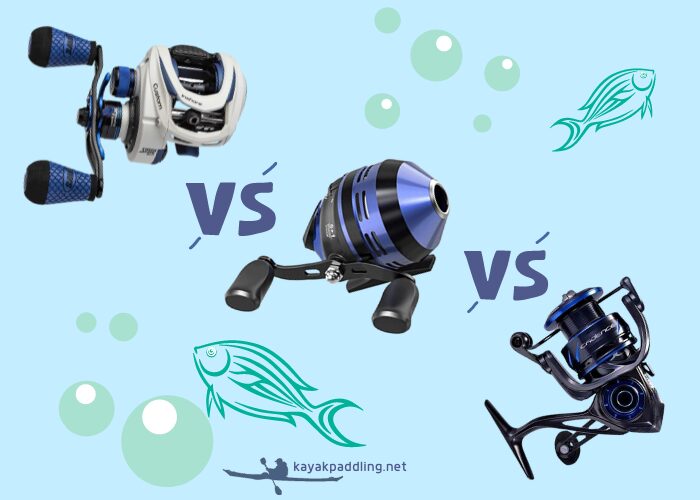
Today, the fishing reel landscape is dominated by three primary technologies: the spinning reel, the baitcasting reel, and the spincasting reel. Each serves a unique purpose, catering to different skill levels, target species, and environmental conditions.
The Chronology of Innovation
The history of the modern fishing reel is marked by a steady progression of mechanical engineering designed to solve the age-old problem of line management.
- 1938 – The Spinning Revolution: Daiwa Seiko Co., Ltd. introduced the world to the first spinning reel. This design, featuring a stationary spool and a bail arm, effectively solved the issue of line twist and allowed for the effortless casting of lightweight lures, a feat that was previously nearly impossible with older designs.
- 1956 – The Rise of Spincasting: Shakespeare Fishing Tackle Company debuted the first spin-casting reel. By enclosing the spool within a housing and utilizing a push-button release, Shakespeare democratized fishing, making the sport accessible to novices who struggled with the complexities of open-faced reels.
- 1958 – The Baitcasting Standard: While various prototypes existed, 1958 marked a pivotal moment when George “Butch” Snyder Jr. solidified the legal use and standardized mechanics of the modern baitcasting reel. By allowing the spool to rotate during the cast, baitcasters provided unparalleled accuracy and power, quickly becoming the preferred tool for professional bass anglers.
The Mechanics of Reeling: A Comparative Analysis
While all reels share the same fundamental goal—repositioning fishing line onto a spool for efficient retrieval—the mechanisms they employ differ significantly. Understanding these nuances is essential for any angler looking to maximize their success on the water.
Spincasting: The Gateway to Angling
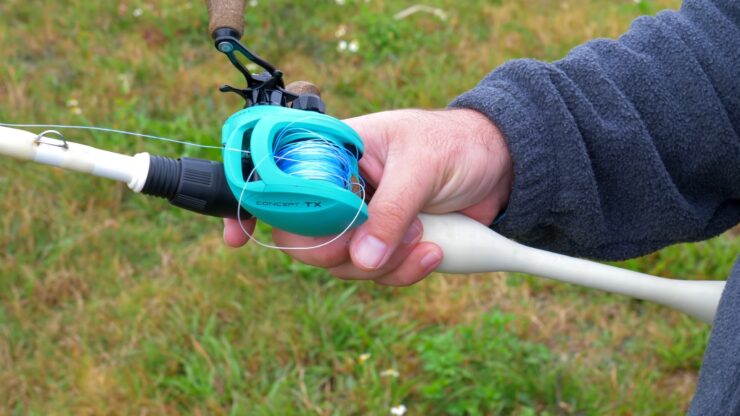
Often dismissed as "beginner gear," spincasting reels are masterclasses in simplicity. Because the spool is encased, the reel does not require a bail arm or a complicated level-wind system. The line flows out through a small hole in the nose cone.
- Best For: Novice anglers, children, and those fishing in environments where simplicity is prioritized over high-performance casting.
- Limitations: Because of their design, they lack the drag precision and high-speed retrieval rates found in more advanced models, making them ill-suited for competitive, high-stakes fishing.
Spinning Reels: The All-Rounder
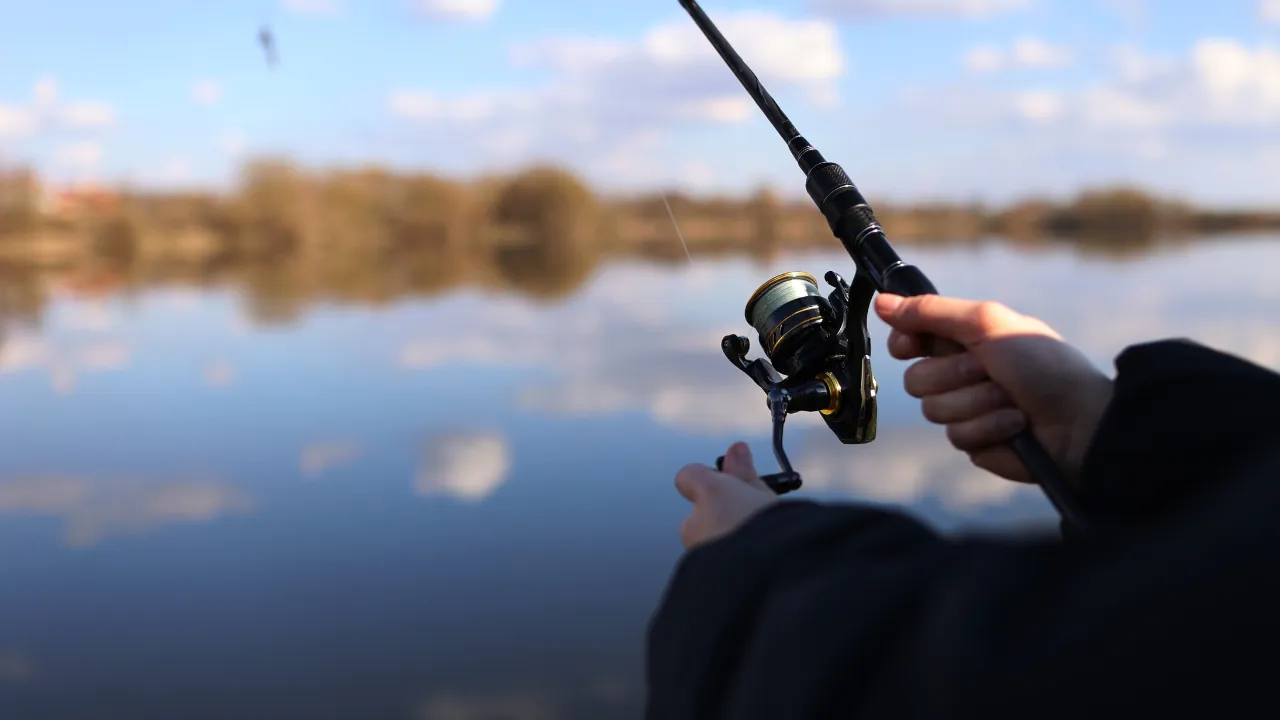
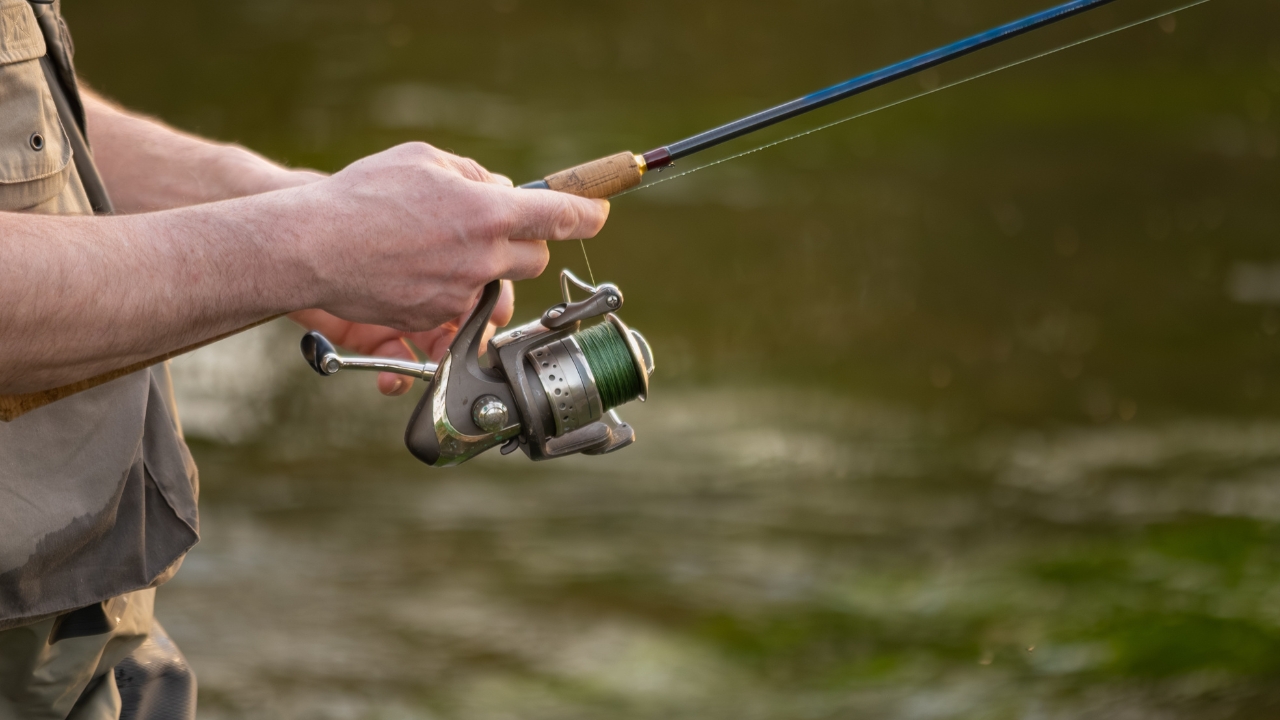
Spinning reels are mounted on the underside of the rod, balancing the setup and allowing for a natural, ergonomic grip. The spool sits perpendicular to the rod, allowing the line to "peel" off in coils. This design is exceptionally efficient for light lures and thin monofilament lines.
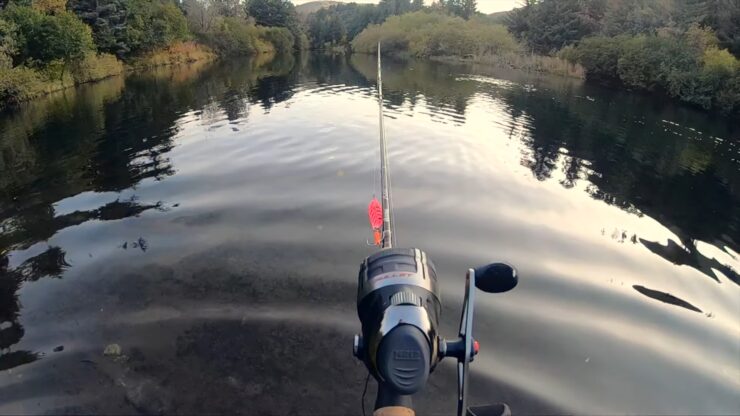
- Versatility: Whether you are targeting trout in a mountain stream or bass in a shallow flat, the spinning reel’s ability to handle a wide range of test-weights makes it the "Swiss Army Knife" of the fishing world.
- Performance: High-end spinning reels now feature advanced anti-reverse systems and sealed drag mechanisms that can compete with the power of larger baitcasters.
Baitcasting Reels: The Tool of the Precisionist
Baitcasters are the high-performance sports cars of the fishing world. They feature a spool that rotates during the cast, requiring the angler to use their thumb to modulate the speed of the line.
- Accuracy: The ability to "feather" the spool with your thumb allows for pinpoint accuracy. You can stop a lure mid-air to drop it silently into a narrow pocket of water or behind a submerged log—a feat nearly impossible with other systems.
- Power: With a more direct line-to-spool connection, baitcasters provide superior leverage when fighting heavy fish, especially in dense cover.
Supporting Data: Choosing the Right Gear
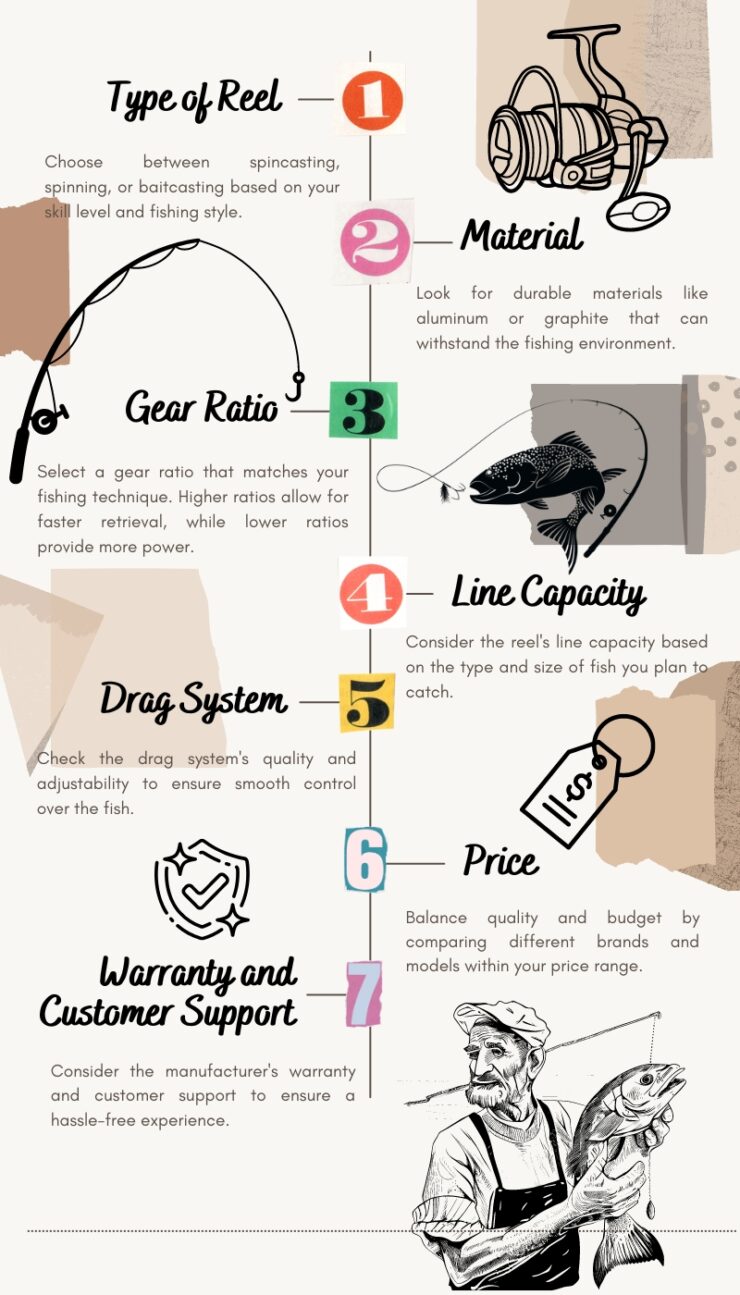
When selecting a reel, an angler must weigh several technical specifications.
| Feature | Spincast | Spinning | Baitcasting |
|---|---|---|---|
| Skill Level | Beginner | Intermediate | Advanced |
| Casting Accuracy | Low | Medium | High |
| Line Capacity | Limited | High | Moderate/High |
| Maintenance | Low | Medium | High |
| Ideal Usage | Casual/Panfish | Versatile/Light Lures | Precision/Heavy Cover |
The Role of Gear Ratios
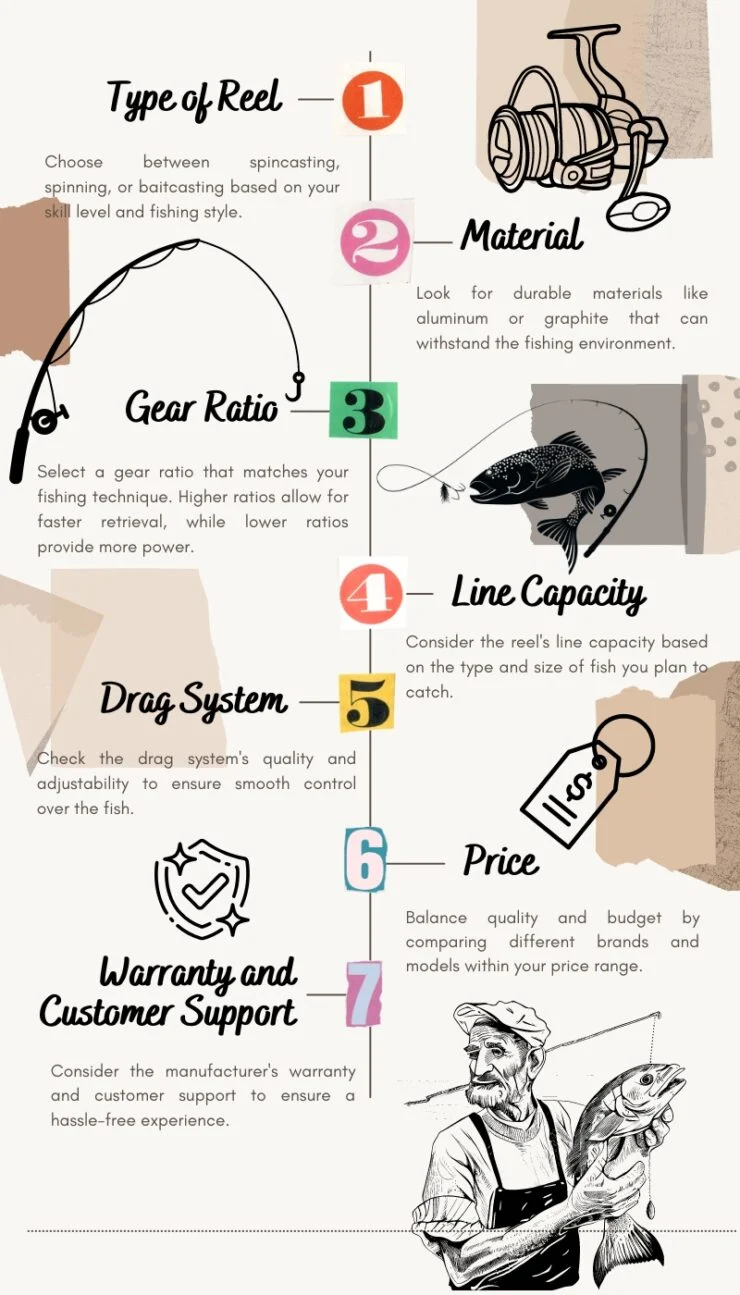
The gear ratio—the number of times the spool rotates per single turn of the handle—is a critical metric. A 5:1 ratio provides significant torque, making it ideal for deep-diving crankbaits where resistance is high. Conversely, a 7:1 or 8:1 ratio is preferred for techniques requiring rapid line retrieval, such as flipping and pitching or top-water fishing.
Professional Perspectives on Reel Maintenance
The longevity of a reel is directly tied to the diligence of the angler. According to leading industry maintenance guides, the "clean, dry, and lubricate" mantra is not merely a suggestion—it is a requirement for performance.
- Post-Trip Care: After every outing, especially in saltwater, reels should be wiped down with a damp cloth to remove salt and grit. A light misting of freshwater—never a high-pressure spray—can clear internal debris.
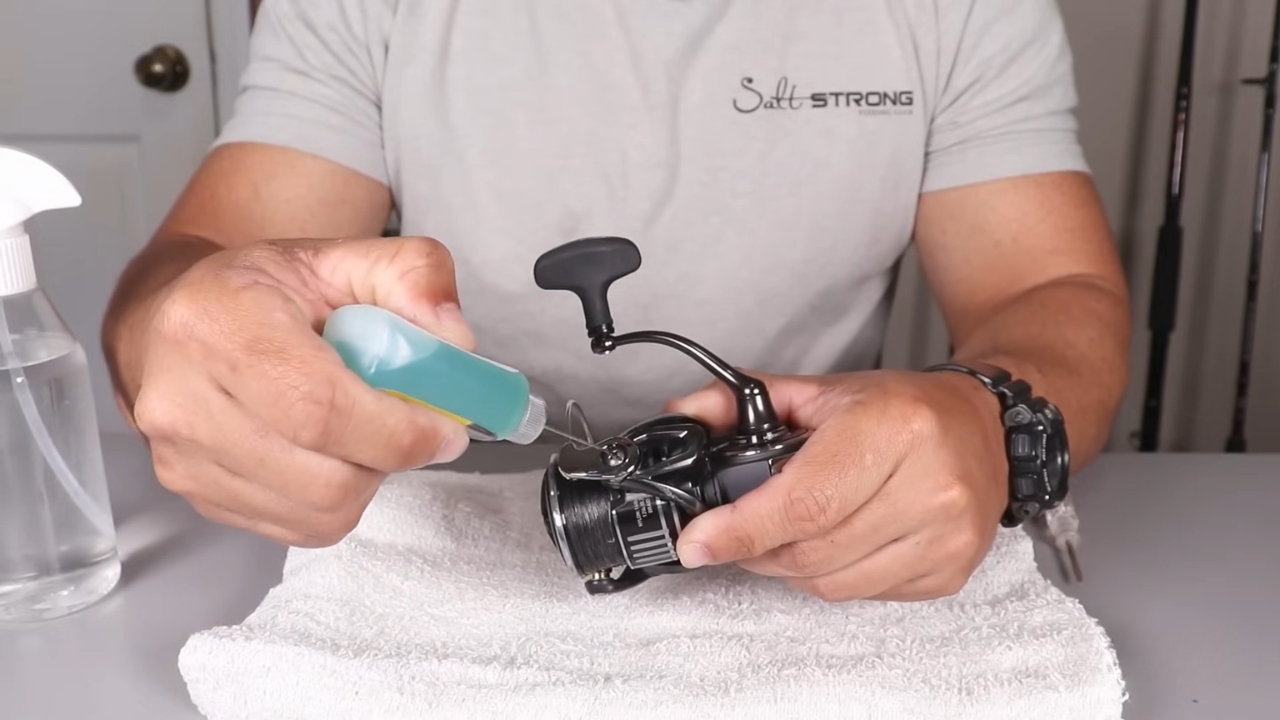
- Lubrication: Periodically, the handle knobs, bail springs, and gear housing should be treated with manufacturer-recommended reel oil or synthetic grease. Over-lubrication, however, can attract dirt, so moderation is key.
- Internal Inspection: For baitcasters, the braking system and level-wind worm gear should be inspected for signs of wear. If you notice an inconsistent retrieve, it is often a sign that the gears are misaligned or dry.
Implications for the Modern Angler
The shift in recent years toward baitcasting among younger, tech-savvy anglers indicates a desire for greater control and technical mastery. While spinning reels remain the most popular choice globally due to their ease of use, the "baitcaster learning curve" has become a rite of passage for those transitioning from hobbyists to enthusiasts.
Addressing the "Backlash" Problem
The primary deterrent to using a baitcaster is "backlash," or the dreaded "bird’s nest." This occurs when the spool spins faster than the line exits the rod tip. Modern engineering has mitigated this with sophisticated centrifugal and magnetic braking systems. When calibrated correctly, these systems act as an electronic "safety net," preventing the spool from over-spinning and allowing the angler to focus on technique rather than constant manual intervention.
Environmental Adaptations
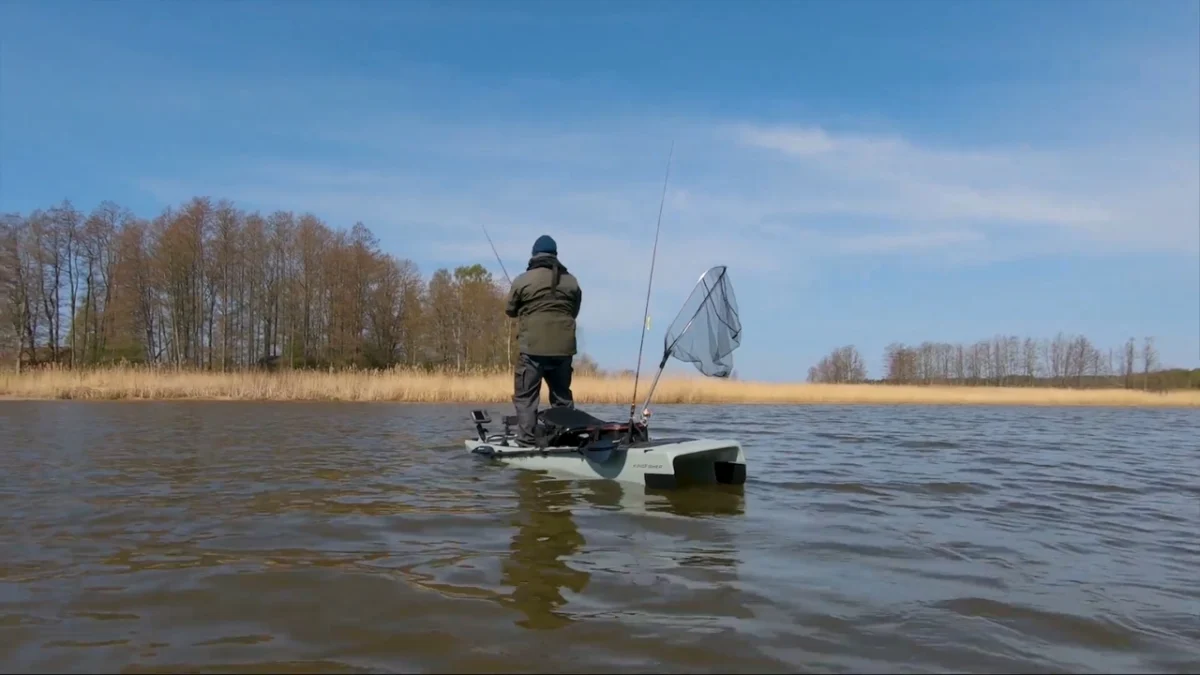
The choice of reel also has implications for the environment. For instance, in kayak fishing, where space is limited, the compact nature of a spinning reel is often preferred. In contrast, for surf fishing where long-range casting into the wind is required, the heavier, more robust frame of a large-capacity baitcaster is often superior to prevent line fatigue and breakage.
Conclusion: The Art of the Cast
Ultimately, there is no "best" reel—only the best reel for the task at hand. The spincast reel invites the novice into the sport with a low barrier to entry; the spinning reel offers the intermediate angler a versatile platform for varied techniques; and the baitcasting reel rewards the seasoned expert with unparalleled precision and power.
As you advance in your fishing journey, consider building a collection that mirrors your aspirations. A well-rounded angler is one who understands not just how to catch a fish, but how the mechanical synergy of the rod, reel, and line can be fine-tuned to conquer any body of water. Whether you are battling a feisty bass in a muddy creek or seeking the thrill of a long-range cast on the open ocean, the right reel is the bridge between intention and success.
Remember, while technology provides the tools, it is the thumb, the wrist, and the experience of the angler that truly masters the water. Practice, patience, and a bit of routine maintenance will ensure your gear stays as sharp as your skills for years to come.