The Czech Republic stands at a critical crossroads in its energy policy. As the European Union accelerates its transition toward a decarbonized economy, the Czech government has placed nuclear power at the heart of its strategy to ensure energy sovereignty, industrial stability, and long-term carbon neutrality. The decision to embark on a massive expansion of its nuclear fleet—specifically through the construction of new units at the Dukovany and Temelín power plants—represents one of the most significant infrastructure investments in the nation’s modern history.
This article examines the intricacies of the Czech nuclear program, tracing its historical context, the technical milestones ahead, and the geopolitical implications of a nation seeking to solidify its position as a central European energy hub.
I. The Main Facts: A Bold Vision for Base-Load Power
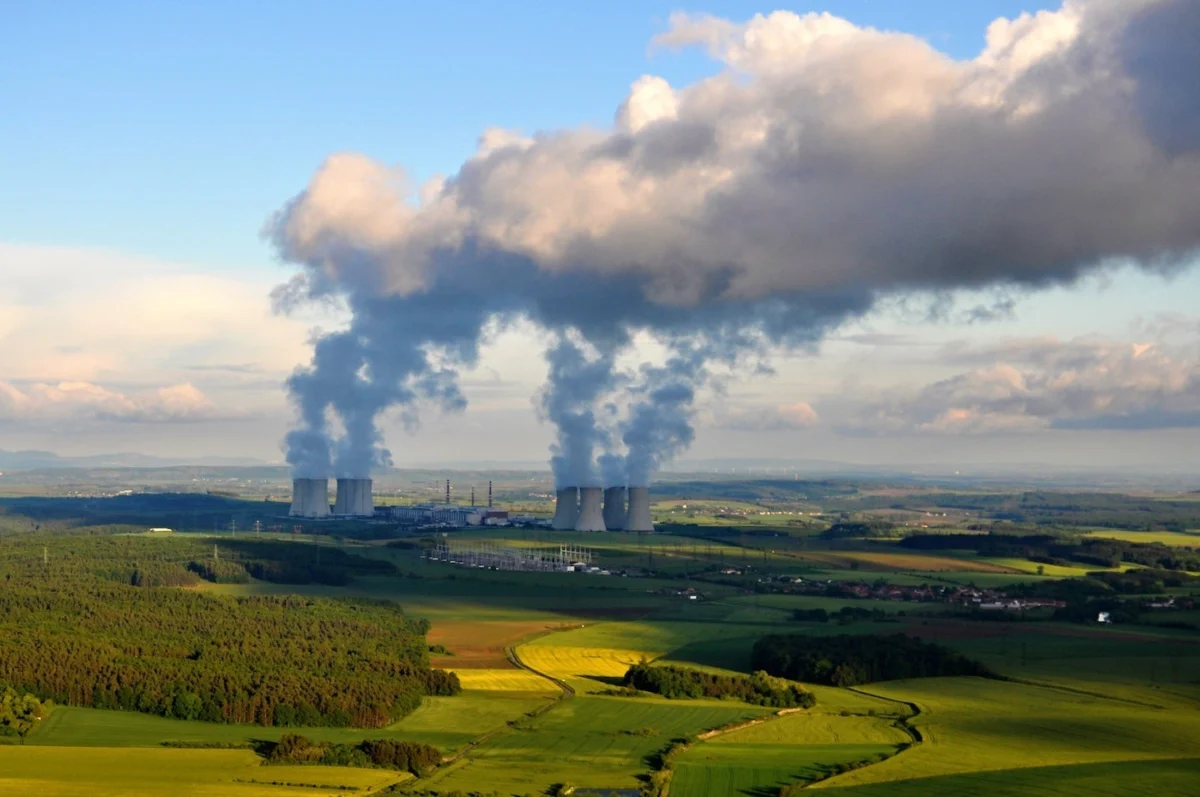
At its core, the Czech government’s energy strategy is dictated by the necessity of replacing aging coal-fired power stations while managing the volatility of renewable energy sources. Nuclear power currently provides approximately one-third of the country’s electricity, but with several existing units approaching the end of their operational lifecycles, the government has launched a tender process aimed at building up to four new nuclear reactors.
The primary focus is the Dukovany site, where the state utility, ČEZ Group, is overseeing the selection process for the construction of at least one large-scale pressurized water reactor. The project is designed to be the largest tender in Czech history, with estimates for the initial unit ranging between €6 billion and €8 billion, though analysts suggest the total program could exceed €20 billion depending on the final configuration.
The strategic objective is twofold: to maintain the country’s status as a net electricity exporter and to provide the reliable "base-load" power required to sustain the nation’s heavy industrial base, which accounts for a disproportionate share of the Czech GDP compared to its EU neighbors.
II. Chronology of the Expansion Program
The roadmap for this expansion has been defined by years of deliberation, political maneuvering, and regulatory preparation.
- 2015–2018: The Initial Deliberation. The Czech government initiates a series of discussions regarding the National Energy Policy, identifying nuclear power as the primary pillar for replacing coal.
- 2019–2020: Regulatory Frameworks. The government establishes the Standing Committee on Nuclear Energy and initiates negotiations with the European Commission regarding state aid and funding models.
- 2021: The Security Pre-qualification. In a move influenced by geopolitical tensions, the Czech government excludes Russia’s Rosatom and China’s CGN from the tender process on the grounds of national security.
- 2022: Formal Tender Launch. ČEZ Group officially launches the tender for the construction of a new unit at Dukovany. Westinghouse (USA), EDF (France), and KHNP (South Korea) are invited to submit bids.
- 2023: Bid Optimization. Throughout the year, the three bidders refine their proposals, focusing on cost-sharing, technology transfers, and the integration of local Czech supply chains.
- 2024: The Selection Milestone. The government moves toward a final decision, emphasizing the need for a long-term strategic partnership rather than a simple procurement contract.
III. Supporting Data: The Economic and Technical Landscape
The feasibility of the Czech nuclear project rests on rigorous data analysis. According to the International Energy Agency (IEA), the Czech Republic has one of the most carbon-intensive energy mixes in Europe, largely due to its reliance on brown coal. The transition to nuclear is not merely an environmental preference; it is an economic imperative.
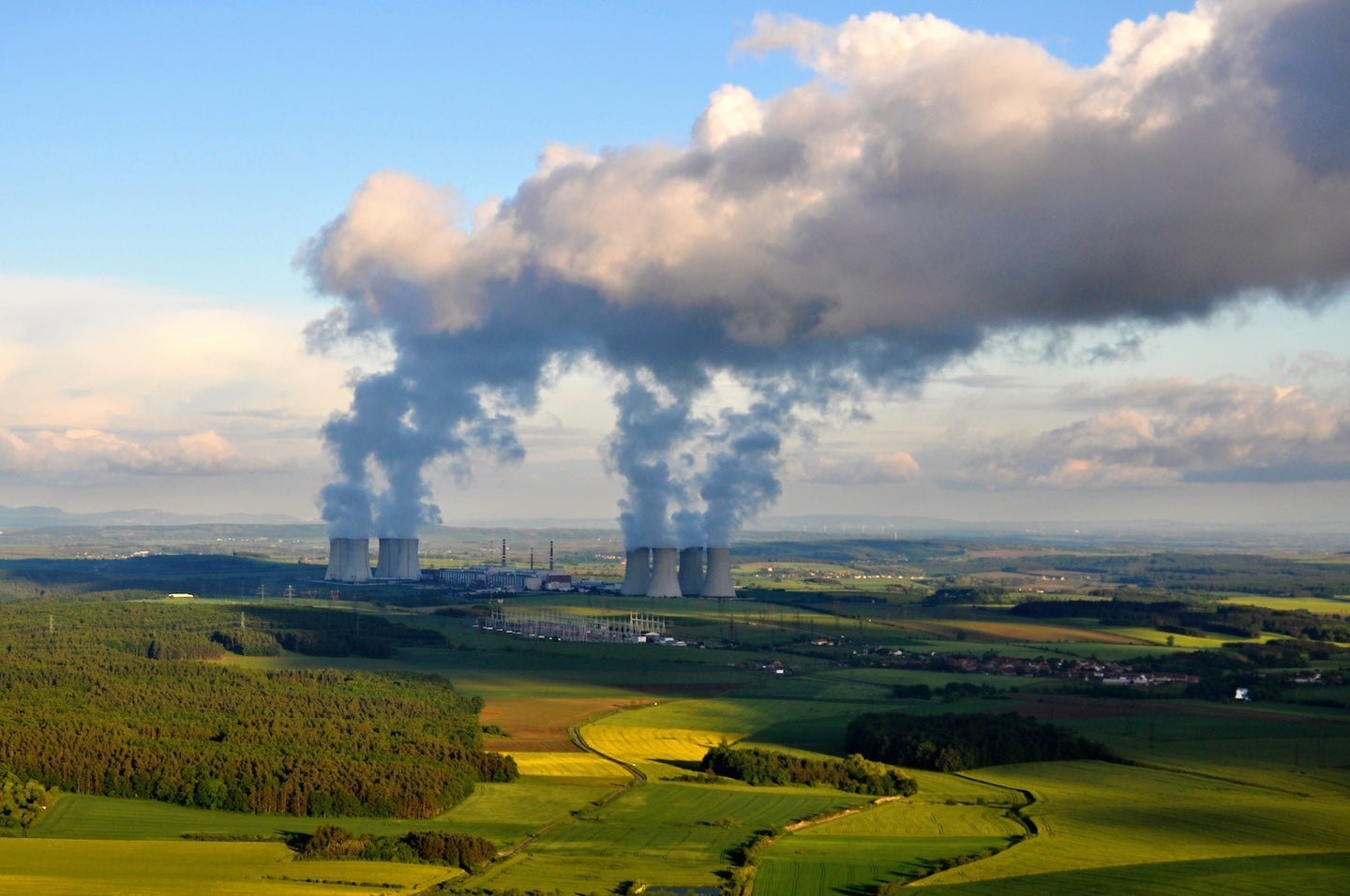
Nuclear’s Role in the Grid
Current nuclear capacity at Temelín and Dukovany totals approximately 4,290 MW. The proposed expansion aims to add between 1,200 MW and 4,800 MW of new capacity. Data from the Czech Ministry of Industry and Trade suggests that by 2040, nuclear energy will need to account for at least 50% of the country’s total electricity production to offset the loss of coal-fired generation.
Financing and Costs
The financing model for the project is complex. The Czech state has proposed a state-guaranteed loan structure for ČEZ to minimize the cost of capital. Furthermore, the "Contract for Difference" (CfD) mechanism is under consideration, which would guarantee a fixed electricity price to the operator, protecting the project from market price fluctuations while ensuring consumers are not overly burdened by volatile energy costs.
IV. Official Responses: A Balancing Act
The political landscape surrounding the nuclear tender is a study in balancing international alliances with domestic economic interests.
Government Perspective
The Ministry of Industry and Trade has consistently argued that the project is "an investment in the next hundred years." Prime Minister Petr Fiala has emphasized that nuclear energy is the only viable path to achieving "energy security and energy self-sufficiency" without compromising the competitiveness of Czech manufacturers.
The Perspective of Bidders
Each of the three contenders has tailored their pitch to local interests:
- EDF has positioned itself as the "European choice," emphasizing the commonality of the European nuclear supply chain and the benefits of strengthening the EU’s internal energy market.
- KHNP has leaned into its track record of building projects on time and within budget, citing the success of the Barakah nuclear plant in the UAE as a benchmark for efficiency.
- Westinghouse has highlighted its deep ties with the Czech nuclear sector, noting that its technology is already in use at the Temelín plant and that a partnership would facilitate a seamless integration of systems.
V. Implications: Regional Power and Geopolitical Stability
The implications of the Czech nuclear expansion extend far beyond its borders.
Impact on the European Energy Market
By successfully deploying new nuclear capacity, the Czech Republic could solidify its position as a primary energy exporter for the Central European region. As neighboring countries like Germany pursue their Energiewende (energy transition), the reliability of Czech nuclear power could act as a stabilizing force for the interconnected European grid.
Geopolitical Realignment
The exclusion of Russian and Chinese interests marks a significant shift in the region’s geopolitical alignment. By partnering with Western or South Korean entities, the Czech Republic is signaling a long-term commitment to democratic technological cooperation. This creates a "nuclear alliance" that could influence future energy policies in Poland, Slovakia, and Hungary, all of which are also looking to modernize their nuclear fleets.
Environmental and Industrial Impact
From an environmental standpoint, the expansion is the Czech Republic’s most credible pathway to meeting the European Green Deal’s targets. By replacing coal with nuclear, the country stands to drastically reduce its greenhouse gas emissions. Industrially, the project promises to revitalize the Czech mechanical engineering sector, which has historically been a world leader in nuclear component manufacturing.
Conclusion: A Legacy Project
The Czech Republic’s nuclear expansion is not merely a construction project; it is a profound declaration of intent. It reflects a nation choosing to embrace high-tech, base-load power as the foundation of its future prosperity. While the challenges—ranging from financing hurdles to the complexities of global supply chains—are significant, the consensus among experts is that the risks of inaction far outweigh the costs of implementation.
As the government enters the final stages of vendor selection, the world will be watching. The success of this endeavor will not only redefine the Czech energy sector but will also provide a blueprint for other nations struggling to balance the competing demands of decarbonization, affordability, and national security. In the coming decade, the landscape of Central Europe’s energy infrastructure will be fundamentally altered, with nuclear power standing as the undisputed anchor of that transformation.
For more in-depth analysis on the future of the power industry, stay tuned to our premium analyst reports and exclusive industry forecasts, designed to keep you at the forefront of the global energy transition.