In the heart of the Baltic Sea, just a stone’s throw from the bustling tourist hubs of Saaremaa, lies a world that seems to exist in a different dimension. Abruka, a small, tranquil island of only eight square kilometers, offers a stark, refreshing contrast to the frantic energy of nearby Kuressaare. For those seeking an escape into nature’s most intimate corners, this island serves as a sanctuary where time is measured by the wind in the linden trees and the seasonal tides, rather than the clock.
Main Facts: The Abruka Experience
Abruka is more than just a geographic destination; it is an ecological anomaly. While much of the Baltic region is defined by coniferous forests and rugged coastlines, Abruka hosts a rare, protected broad-leaved forest. Established as a protected area in 1937, this forest is widely considered the northernmost reach of the Central European deciduous forest zone.
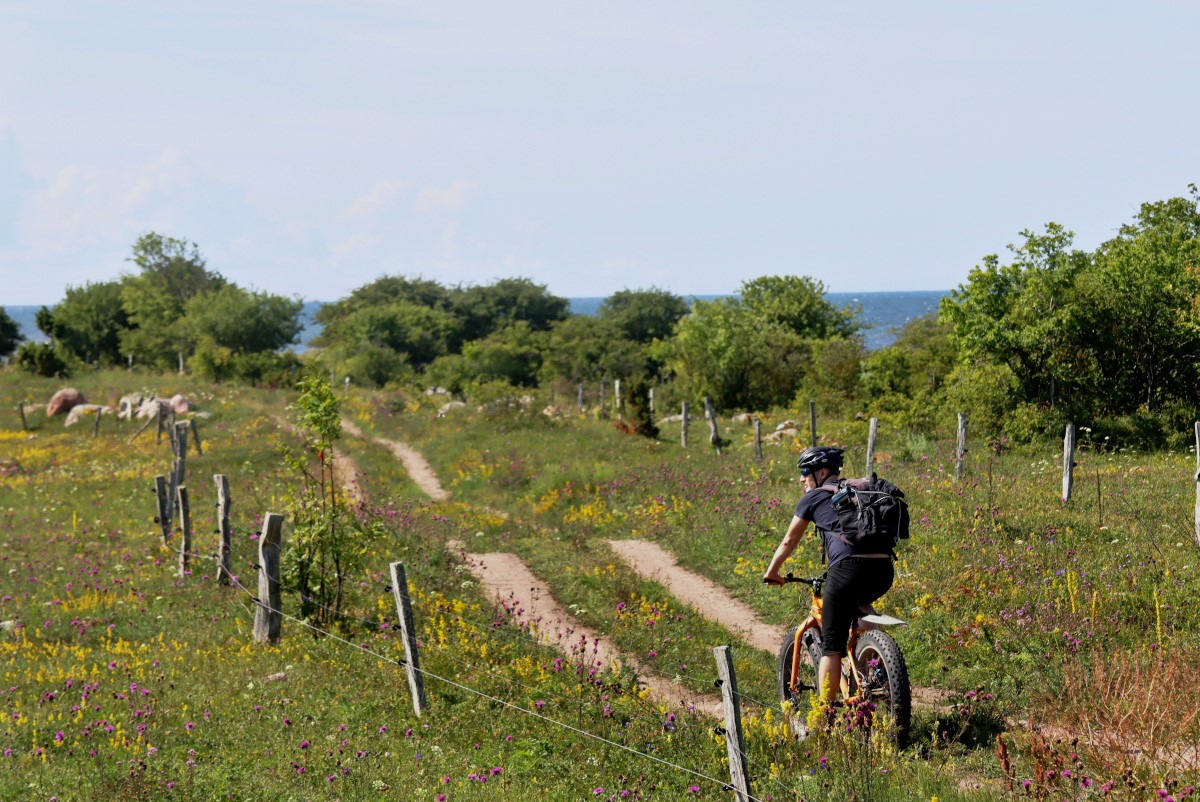
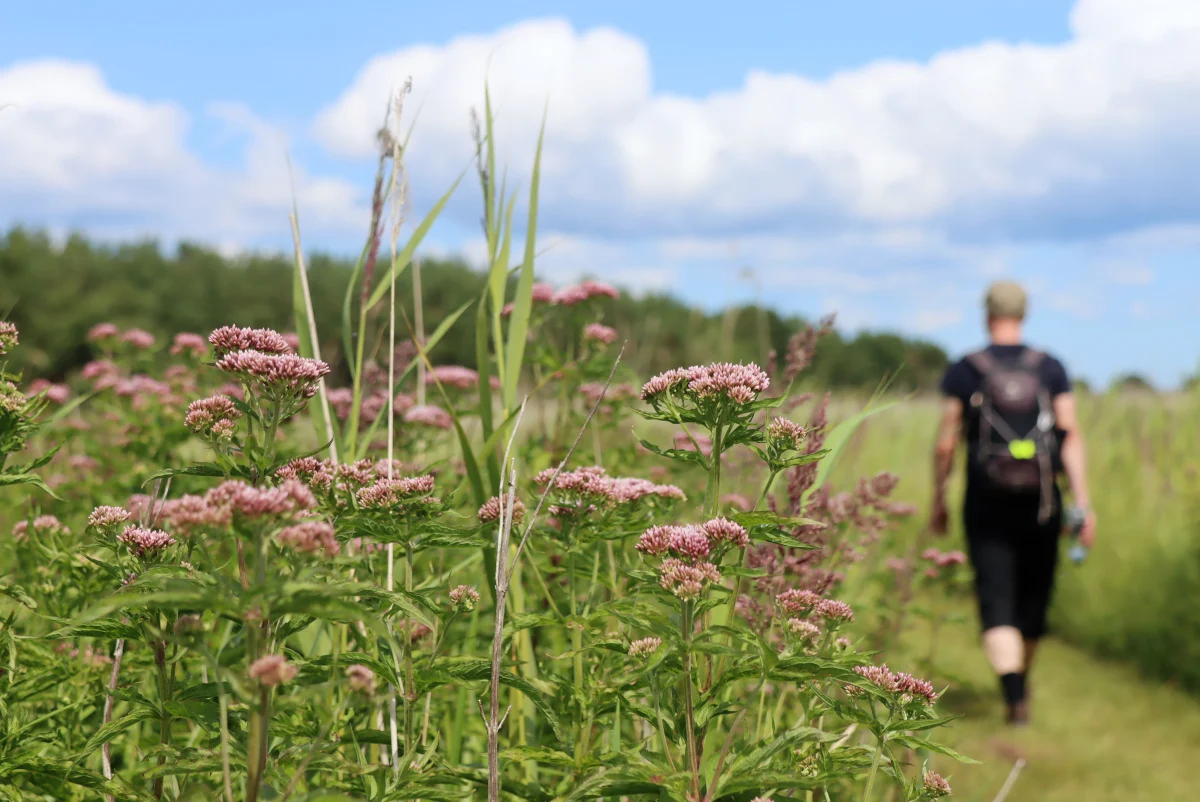
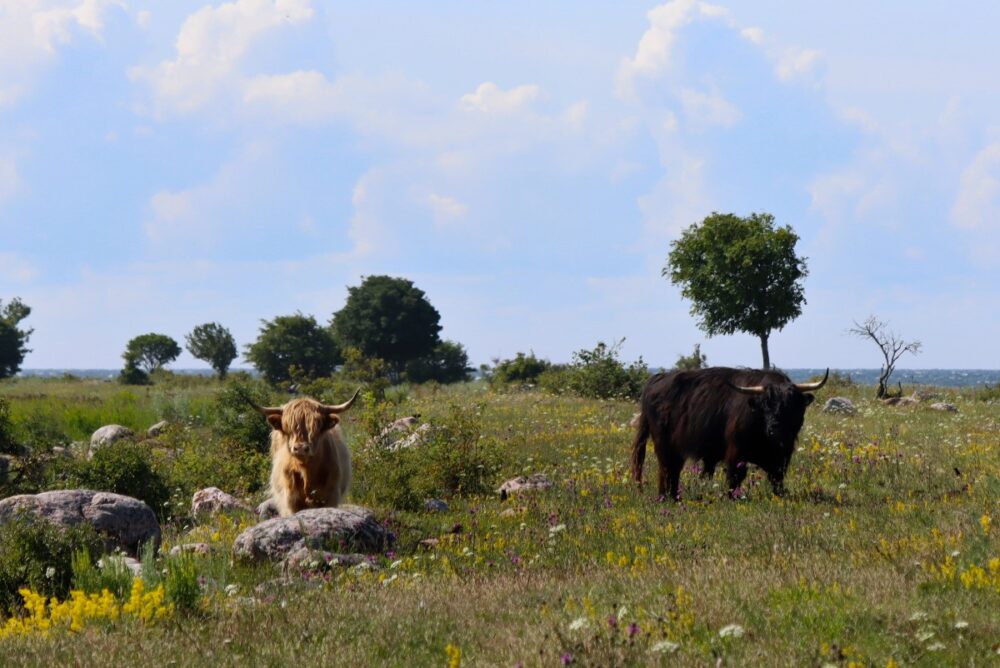
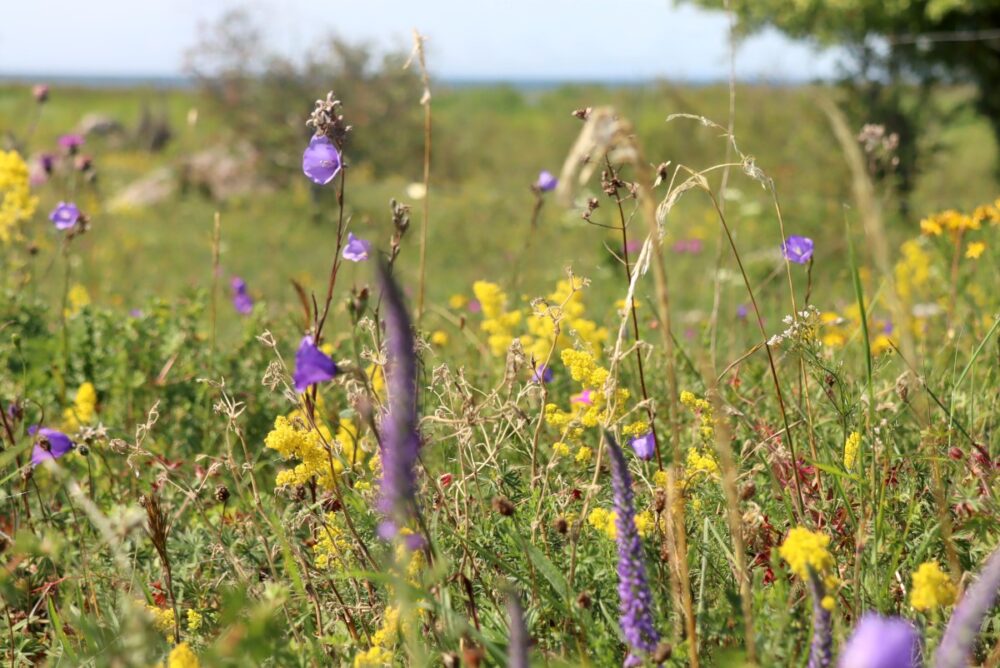
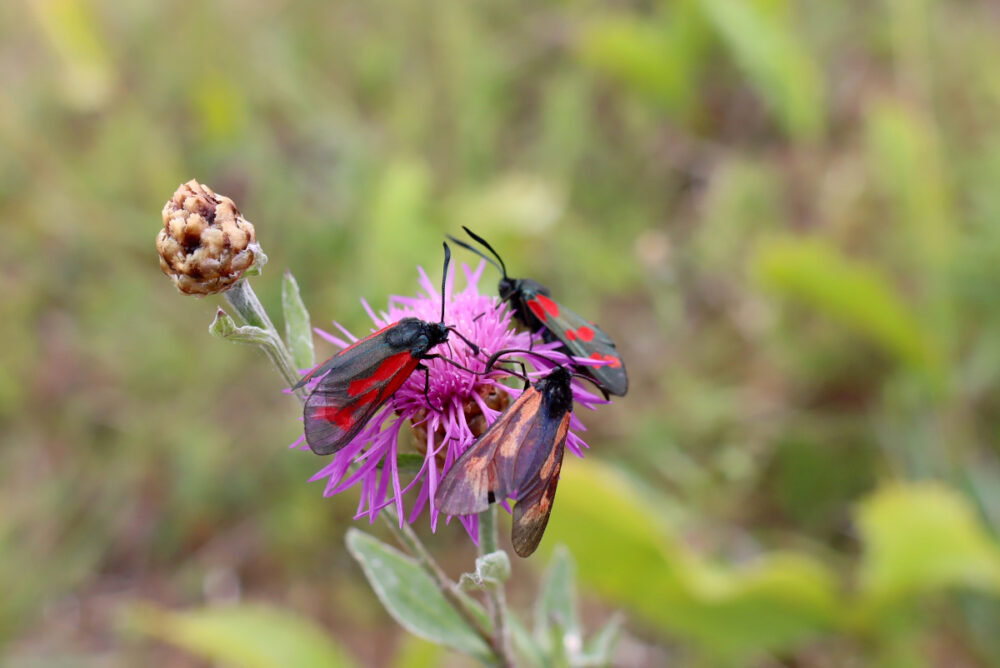
The island’s landscape is a mosaic of biodiversity. Its southern tip is defined by lush coastal meadows where highland cattle graze, keeping the vegetation in check and allowing a vibrant array of wildflowers—including bellflowers, lady’s bedstraw, and field scabious—to flourish. The island is also a lepidopterist’s dream, particularly during the summer months when the rare "virnapunatäplä" (a species of burnet moth) dances in the air.
Chronology of an Island Expedition
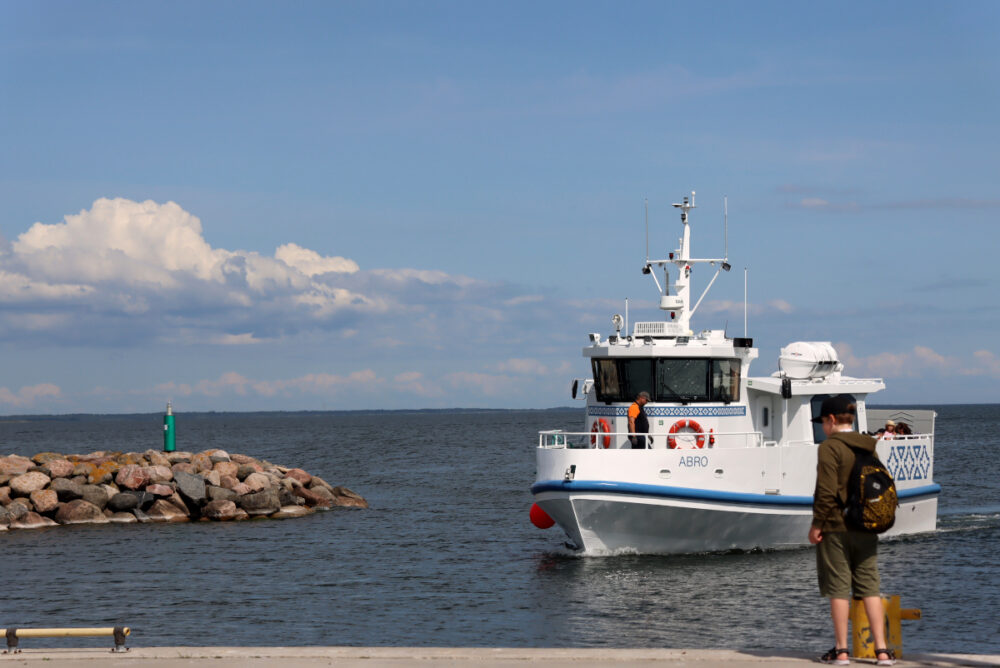
The journey begins on a sweltering summer morning in Kuressaare. With the sun already beating down, the expedition proceeds by bicycle toward the Roomassaare harbor. Loading the bikes onto the local ferry marks the start of the transition from the "civilized" world to the island’s sleepy, authentic pace. The crossing takes only thirty minutes, yet the psychological shift is instantaneous.
The Green Heart
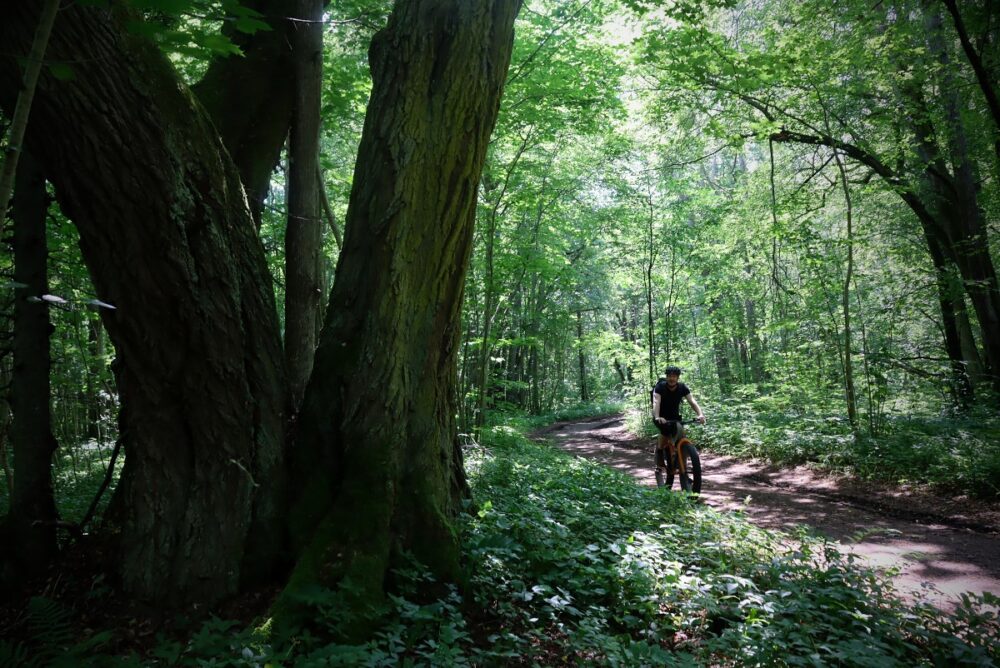
Upon arrival, the first order of business is to head toward the island’s southern reaches. Cycling through the quiet village, the route leads directly into the "green heart" of Abruka. The forest is characterized by massive, centuries-old oaks and linden trees, many draped in thick, ancient ivy. The canopy provides a natural cooling system, making the sandy trails perfect for cycling even in the heat of a midsummer day. The atmosphere here is almost mythical, a dense, green cathedral that feels far removed from the surrounding Baltic waters.
The Coastal Meadows and the Crossing to Vahase
Reaching the southern tip, the landscape opens up into expansive, floral-rich meadows. The sight of highland cattle grazing against a backdrop of colorful wildflowers offers a glimpse into traditional Baltic land management.
From the southwest coast, the adventure turns into a unique physical challenge. A marked "wading route" connects Abruka to the neighboring, smaller island of Vahase. For the intrepid traveler, this involves removing footwear and crossing the shallow waters of the Baltic. While the initial stretch through the reeds can be sharp underfoot, the subsequent sandy bottom is a delight. At its deepest point, the water reaches roughly mid-thigh, providing a refreshing respite from the midday sun during the 300-meter crossing.
Exploration of Vahase and the Return
While time constraints prevent a full circumnavigation of Vahase, the island’s most iconic features—two massive glacial erratic boulders—are easily accessible. In Estonia, these boulders are treated as significant cultural and geological monuments, often equipped with wooden ladders to allow visitors to climb to their summits. Returning to the main island, the day concludes with a visit to the historic Abruka lighthouse and the local museum, which offers a poignant look at the island’s history of fishing and subsistence living in challenging conditions.
Supporting Data and Ecological Context
The protection of Abruka’s broad-leaved forest is a testament to Estonian conservation efforts. The forest structure here—dominated by Quercus robur (English oak) and Tilia cordata (small-leaved lime)—is a remnant of a warmer climatic period in the Baltic region. The dense canopy and nutrient-rich soil provide a habitat for species that are typically found much further south in Europe.
Biodiversity Metrics
- Flora: The island is a hotspot for meadow flora. Key indicator species found in the southern pastures include Campanula rotundifolia (harebell) and Geranium sanguineum (bloody crane’s-bill).
- Entomology: The island’s high concentration of specific burnet moths suggests a healthy, undisturbed larval host-plant environment, which is increasingly rare in mainland Europe.
- Geology: The presence of large glacial erratics on Vahase provides insight into the post-glacial history of the Gulf of Riga, serving as a popular educational site for geologists and tourists alike.
Official Perspectives and Local Management
The local administration of Abruka, alongside the Estonian Environmental Board, balances the need for tourism with the preservation of the delicate ecosystem. Unlike the heavily commercialized tourist areas on the mainland, Abruka maintains its character by limiting large-scale infrastructure.
The island’s museum serves as a critical link between the past and the present, preserving the oral history of the fishing families who have called this place home for centuries. By documenting the traditional techniques of fishing and the resilience required to live on an island with limited resources, the museum ensures that the culture remains as protected as the landscape itself.
Implications for Future Tourism
The experience of visiting Abruka raises a broader question about the nature of modern travel. As the world becomes increasingly connected and digital, places like Abruka offer a necessary "analog" experience.
Sustainability and Mindful Travel
The "slow travel" model—where one arrives by bike, wades across to neighboring islands, and spends time in nature rather than in resorts—is the only viable path for sustaining Abruka’s ecology. The implication for future visitors is clear: the island does not cater to the mass market. It rewards those who are willing to put in the physical effort, who respect the local wildlife, and who are content with a slower, more meditative pace of exploration.
Recommendations for Visitors
- Preparation is Key: Given the lack of commercial services, visitors should bring sufficient water and supplies.
- Respect the Land: The meadow areas and forest zones are protected. Stick to the designated paths to avoid damaging sensitive flora.
- Tide and Weather Awareness: The wading route to Vahase is weather-dependent. Always check with local residents or ferry operators about the safety of the crossing before attempting it.
- Stay Longer: As the experience of this journey suggests, a single day is insufficient. The island’s depth—both in history and ecology—merits at least a two-day stay to fully appreciate the shift in rhythm.
Abruka remains a quiet, resilient sentinel in the Baltic Sea. It is a place that does not demand your attention with neon lights or loud attractions, but rather invites you to notice the subtle beauty of a moth’s wing, the ancient texture of an oak’s bark, and the cooling touch of the Baltic tide. For the traveler, it is not just a destination, but a lesson in the value of simplicity.