By Alice Broderick | June 18, 2026
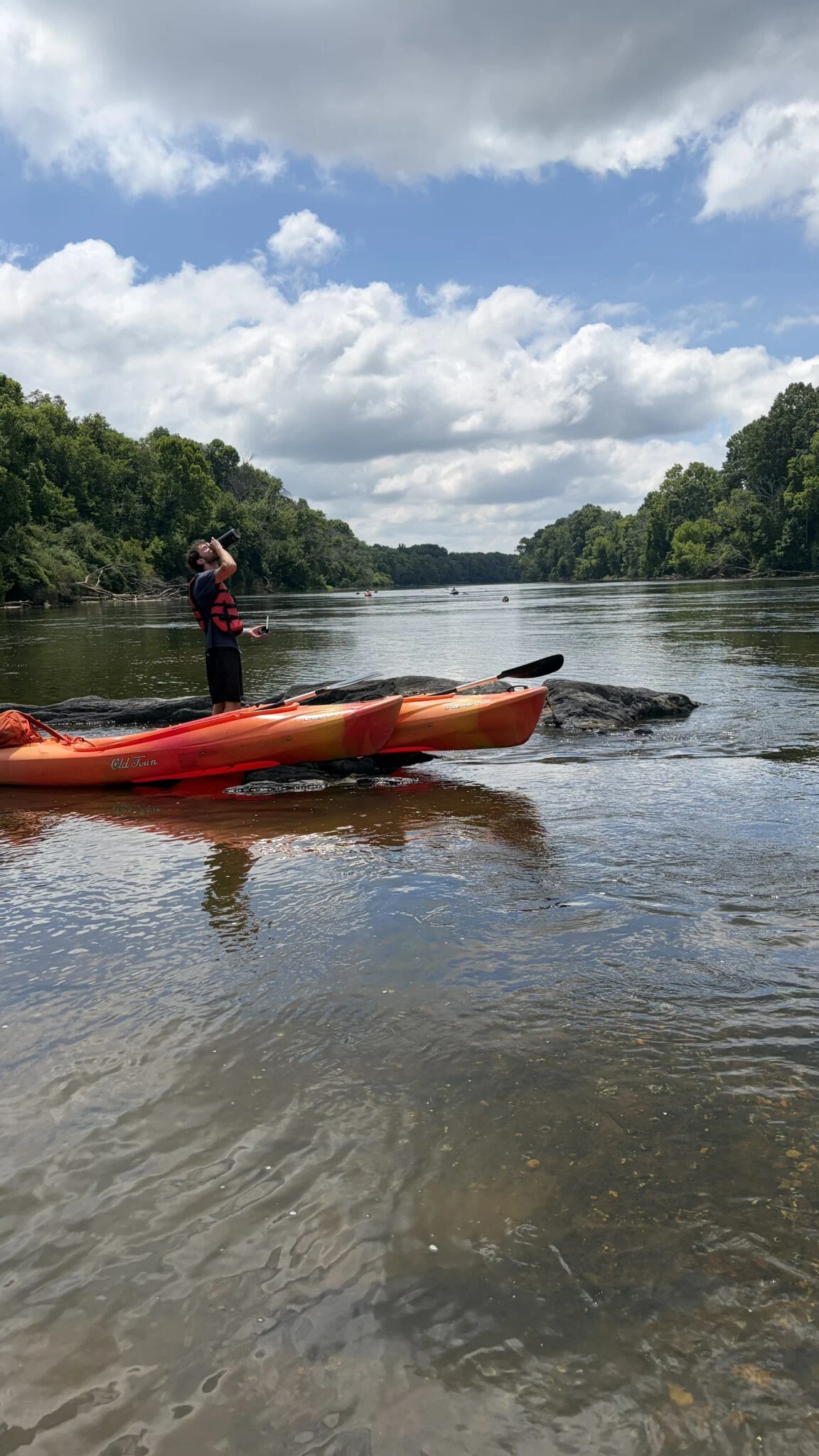
As the summer solstice approaches, bringing with it the familiar warmth of longer days and the inviting call of the outdoors, the American conservation community pauses to observe National Rivers Month. This annual celebration is more than a nod to the recreational joys of kayaking, fishing, and hiking; it is a vital reminder of the foundational truth that underpins all environmental advocacy: Life Depends on Rivers®.
Rivers are the literal and metaphorical arteries of our nation. They sustain our agricultural heartlands, quench the thirst of our growing urban centers, and provide the complex, interconnected habitats required by fish, migratory birds, and diverse wildlife. However, the past year has been a period of intense volatility for these ecosystems, marked by escalating climate pressures and infrastructure degradation. Yet, it has also been a year of unprecedented progress—a testament to what can be achieved when advocacy, policy, and community action converge.
The Core Mandate: Why Rivers Matter
The tagline Life Depends on Rivers® is not merely marketing; it is a scientific and socio-economic reality. In the United States, rivers are the primary source of drinking water for millions. They serve as natural flood defenses, carbon sinks, and economic engines. When a river is neglected, the cost is borne by the communities—often the most vulnerable—that rely on its health. As we navigate the complexities of the 21st century, recognizing these waterways as essential infrastructure rather than mere aesthetic resources is the most significant challenge facing environmentalists today.
Chronology of Progress: A Year of Watershed Milestones
The trajectory of river health over the last 18 months has been characterized by a transition from reactive crisis management to proactive landscape-scale restoration. The following milestones highlight this shift:
- February 2026: A landmark urban wetland restoration project in West Seattle reaches completion. This project serves as a pilot for urban resilience, proving that even in highly developed metropolitan areas, headwater restoration can mitigate flooding and restore biodiversity.
- April 2025: The publication of the America’s Most Endangered Rivers® report places the Tijuana River at the number two spot. This high-profile designation acts as a catalyst for immediate cross-border diplomatic and environmental engagement.
- Late 2025: Texas voters pass a historic ballot initiative, securing a $20 billion, 20-year investment in water infrastructure and flood mitigation.
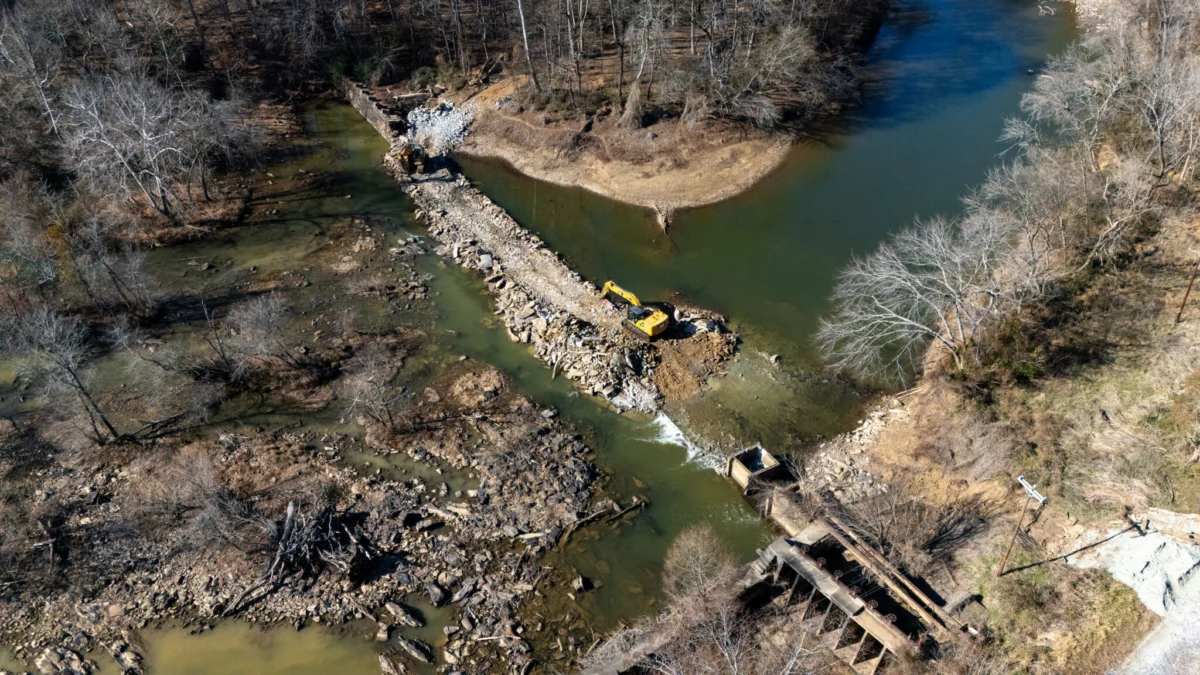
- Throughout 2025: A massive push for dam removal culminates in the decommissioning of 100 structures across 30 states, marking the most significant year for river connectivity in American history.
Supporting Data: The Quantitative Impact of Restoration
The statistics emerging from the 2025-2026 period reveal that systematic removal of obsolete infrastructure is one of the most effective tools for ecological recovery.
The 100 Dams Initiative
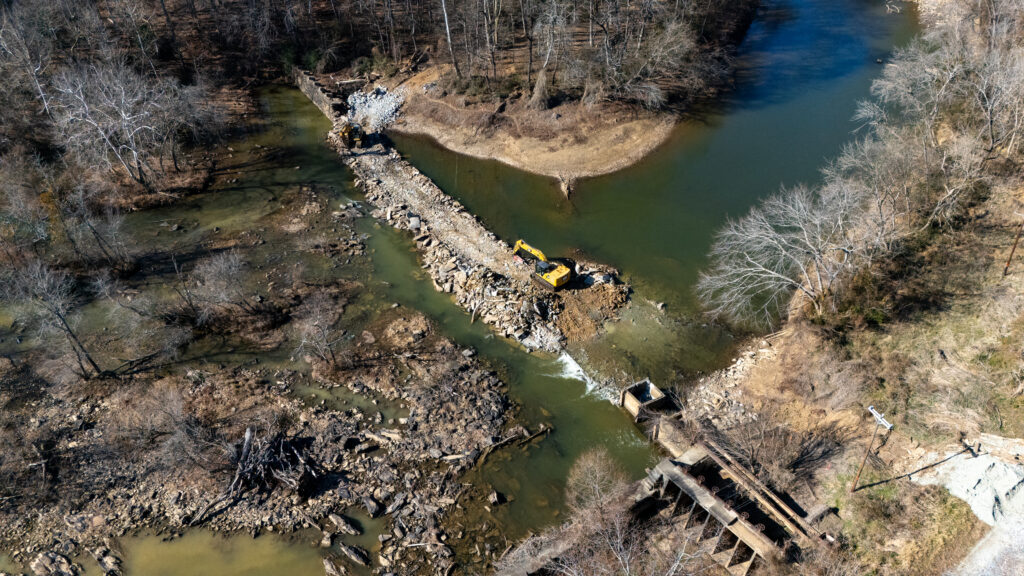
In 2025, the U.S. successfully removed 100 dams. These structures, many of which were crumbling, posed significant safety hazards while simultaneously blocking critical fish migration routes and sediment flow. The impact of these removals was staggering:
- Connectivity: Over 4,893 miles of river have been reconnected, the highest annual figure ever recorded in the United States.
- Flow Dynamics: By removing these artificial barriers, rivers are experiencing natural flow patterns for the first time in decades—in some cases, centuries. This restored connectivity allows for the return of native fish species to upstream spawning grounds and improves overall water quality by reducing stagnant pools behind dam walls.
The Financial Scale of Resilience
The $20 billion Texas ballot measure represents the largest state-based investment in water resources in American history. By allocating $1 billion annually for two decades, the initiative creates a dedicated revenue stream for:
- Floodplain Management: Reducing the risk of catastrophic flood damage to property and infrastructure.
- Wetland Restoration: Utilizing natural landscapes to filter pollutants and recharge groundwater supplies.
- Modernization: Upgrading outdated municipal water systems to ensure long-term, drought-resistant water supplies.
Official Responses and Strategic Advocacy
The progress observed in the Tijuana River basin serves as a masterclass in modern environmental advocacy. When the Tijuana River was designated as an endangered waterway due to severe, cross-border toxic pollution, the response was swift and collaborative.
Working alongside organizations such as the Surfrider Foundation and Un Mar de Colores, American Rivers utilized the report to elevate the issue to the federal level. Within three months of the report’s release, key stakeholders were in direct consultation with EPA Administrator Lee Zeldin. This high-level access facilitated a historic, bilateral agreement between the United States and Mexico.
The implications of this agreement are significant: it treats the Tijuana River pollution not as an isolated environmental nuisance, but as a public health emergency. This successful intervention proves that when strategic advocacy is coupled with persistent community leadership, the "Most Endangered Rivers" designation is not just a warning—it is a tool for systemic change.
Implications for the Future
The successes of the past year offer a roadmap for the future of river conservation. However, the path forward requires a continued commitment to three core pillars:
1. Reconnecting the Landscape
The "100 Dams Down" initiative is just the beginning. There are thousands of other aging dams across the U.S. that serve no economic or safety purpose. Future policy must focus on identifying these "zombie" dams and providing the financial and technical support necessary to remove them, thereby expanding the reach of free-flowing rivers.
2. Urban Watershed Integration
The West Seattle wetland restoration highlights a growing trend: the "urbanization" of conservation. As cities expand, they must incorporate nature-based solutions. Restoring headwater wetlands in urban environments does more than improve water quality; it creates cooling centers, reduces the urban heat island effect, and provides essential green space for community well-being.
3. The Ballot Box as an Environmental Tool
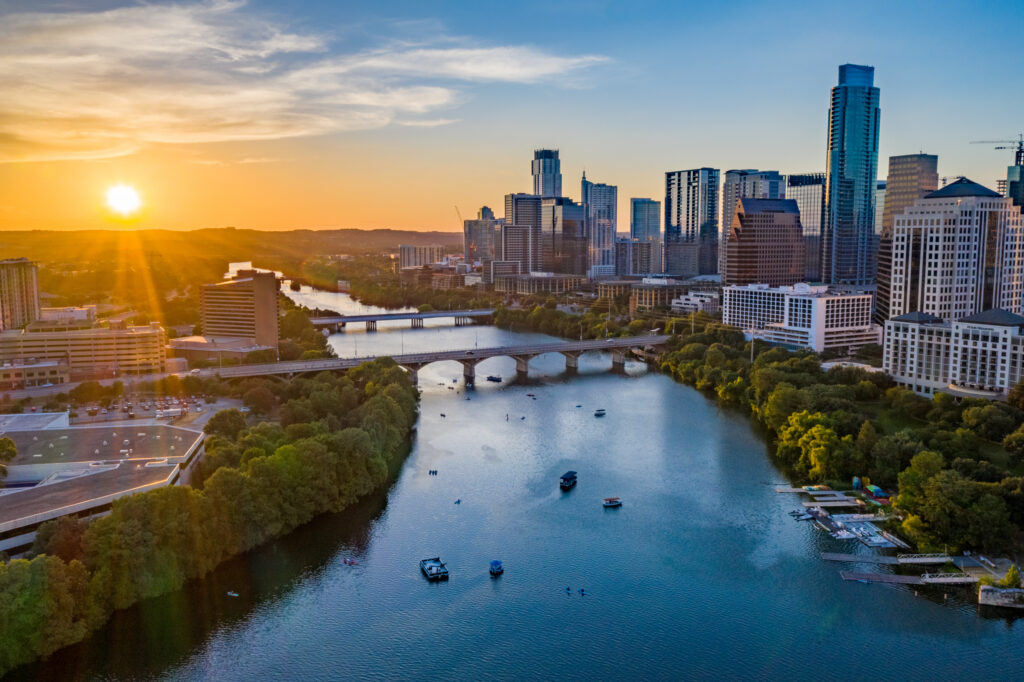
The Texas victory proves that water security is a winning political issue. Across the ideological spectrum, voters understand that clean, abundant water is a non-negotiable requirement for economic stability and quality of life. The success of the Texas initiative suggests that regional and state-level ballot measures are a highly effective mechanism for bypassing federal gridlock and securing long-term funding for the environment.
Conclusion: A Call to Action
As we celebrate National Rivers Month, it is easy to view rivers as static backdrops to our summer activities. But the events of the past year have proven that they are dynamic, sensitive, and, when given the chance, incredibly resilient.
The progress made in the Tijuana basin, the massive dam removals, and the historic investments in Texas all point to a burgeoning movement that recognizes the interconnectedness of all life. We are no longer just fighting to save individual species; we are fighting to restore the integrity of the water systems that define our geography and our future.
As you head out this summer—whether to paddle a local stretch, fish in a mountain stream, or simply sit by the banks to listen to the water—remember that you are witnessing the result of a collective effort. The ripples you see are the result of thousands of hours of advocacy, scientific research, and community engagement.
If you wish to stay informed and involved in these efforts, we encourage you to join our network. We are hard at work, not just for the sake of the rivers themselves, but for the life that depends on them. By staying connected and informed, you play a vital role in ensuring that these waterways remain vibrant, clean, and flowing for generations to come.
Life depends on rivers—and rivers, more than ever, depend on you.