
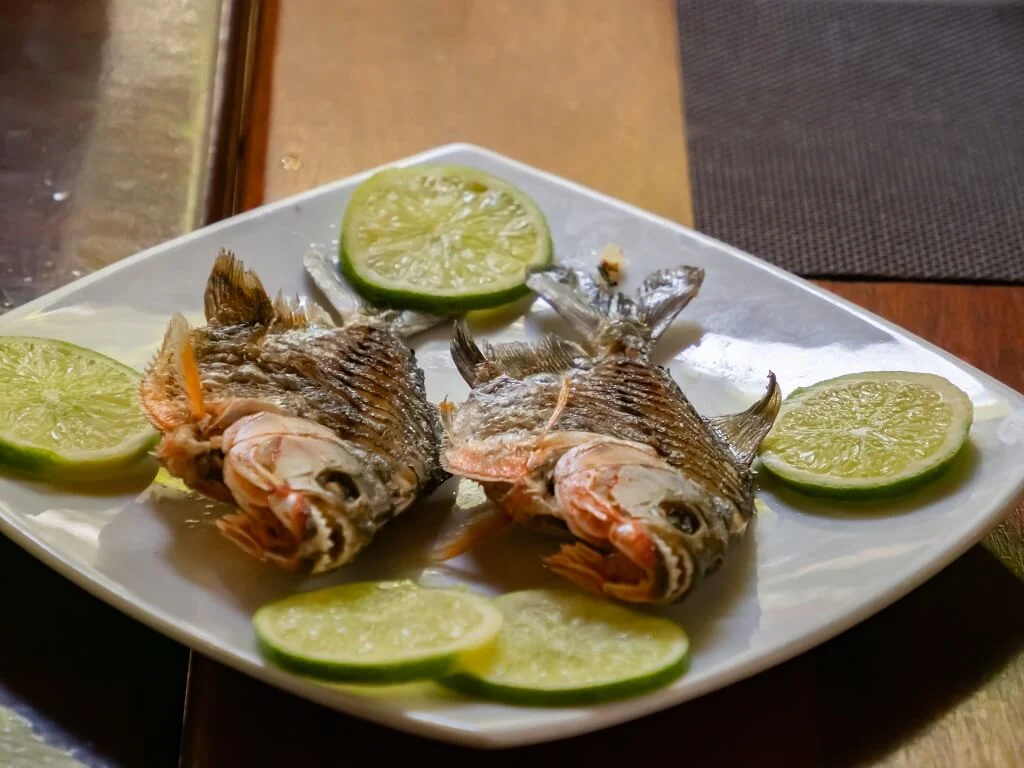
For decades, the piranha has been the undisputed villain of the South American river system. Depicted in cinema as a ravenous, flesh-stripping school of chaos, this fish occupies a dark corner of the global imagination. However, for the millions who reside within the Amazon Basin and across the floodplains of South America, the piranha is far less of a monster and far more of a staple. From the bustling river markets of Manaus to the remote fishing lodges of the Orinoco, the piranha is not a source of fear—it is a source of protein.
Main Facts: The Culinary Truth of the Piranha
The primary reality of the piranha is that it is a perfectly edible, albeit challenging, freshwater fish. It belongs to the Serrasalmidae family and, while famous for its razor-sharp, interlocking teeth, its biological role is often that of an opportunistic scavenger or predator.
When brought to the table, the piranha offers firm, white, and lean meat. Unlike the oily profile of salmon or the buttery texture of cod, piranha is clean-tasting and mild. Its flavor profile is highly dependent on its environment; fish caught in fast-moving, clean river waters often have a delicate, sweet flavor, whereas those from stagnant, warmer floodplains may carry a slightly "muddy" or earthy undertone.
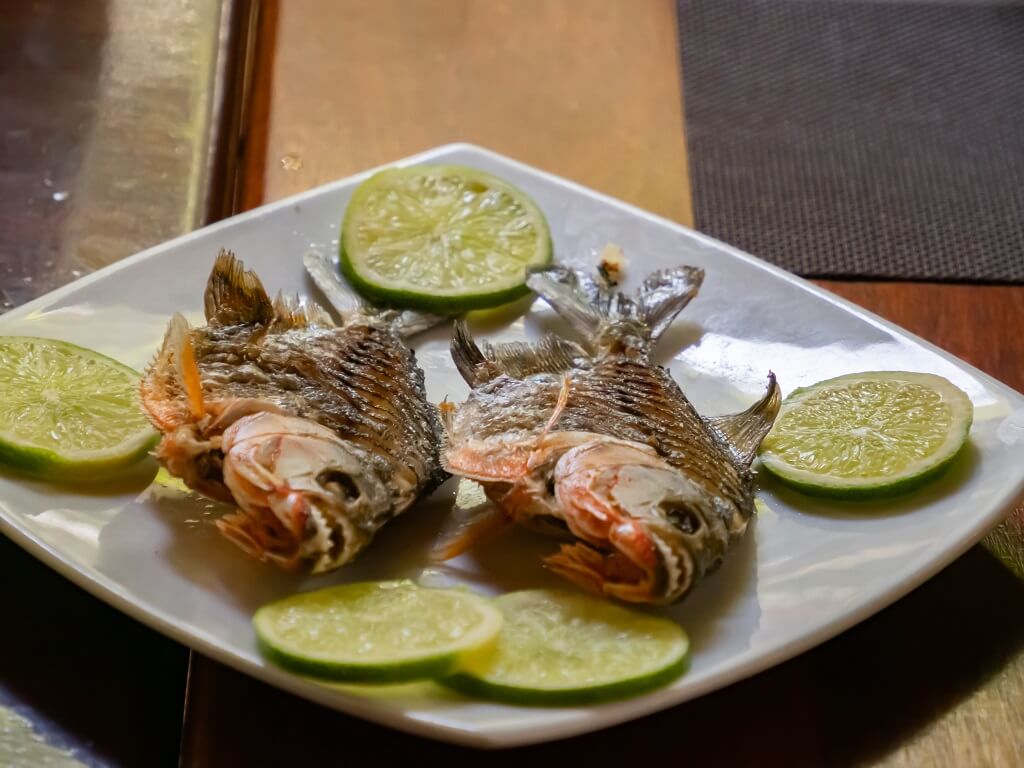
The primary barrier to its popularity as a global food item is not flavor, but anatomy. Piranhas are notoriously bony. Their skeletal structure is complex, making the consumption of fillets difficult and tedious. Consequently, local preparation methods focus on whole-fish cooking—frying, stewing, or boiling into nutrient-dense soups—which allows the diner to navigate the bones with greater ease.
Chronology: From River Predator to Local Delicacy
The consumption of piranha is not a modern fad; it is a tradition that predates Western documentation of the Amazon.
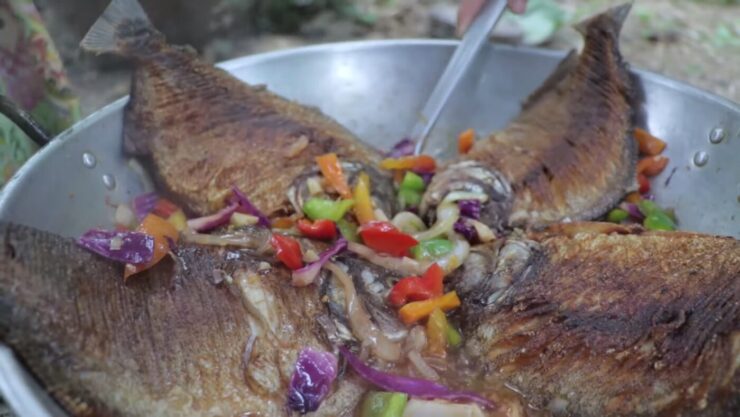
- Pre-Colonial Era: Indigenous populations of the Amazon and Orinoco river basins utilized the piranha as a consistent source of protein. Ancient fishing techniques, involving basket traps and bows, allowed these communities to manage the piranha population effectively.
- 19th and 20th Centuries: As naturalists began exploring the Amazon, the terrifying reputation of the piranha was solidified in Western literature. Stories of "flesh-stripping" fish became common, often fueled by anecdotes from early travelers that lacked scientific nuance.
- The Cinematic Myth (1970s–Present): Popular media, including horror films like 1978’s Piranha, cemented the fish as a lethal threat to humans. This pop-culture narrative effectively "de-fooded" the fish for Western audiences, turning an edible resource into a creature of nightmares.
- The Modern Gastronomic Shift: In recent years, culinary tourism has brought the reality of piranha back to the forefront. Adventurous travelers and celebrity chefs visiting the Amazon have begun to demystify the fish, showcasing it in cooking segments and travelogues, which has slowly begun to reshape public perception.
Supporting Data: Nutritional and Safety Profiles
When evaluating the viability of piranha as a food source, one must look at both its nutritional density and its safety parameters.
Nutritional Value
Piranha is a high-protein, low-fat fish. As a lean white meat, it provides essential amino acids and a respectable amount of phosphorus and calcium, often bolstered by the fact that many local recipes involve cooking the bones, which releases minerals into soups and stews.
Food Safety Standards
The safety of eating piranha is governed by the same principles as any other wild-caught freshwater fish:
- Temperature Control: The fish must be kept at a safe, cool temperature immediately after capture to prevent spoilage.
- Internal Cooking Temperature: According to the FDA and FoodSafety.gov, fish must reach an internal temperature of 145°F (63°C). This is critical for eliminating parasites that may reside in wild freshwater species.
- Water Quality and Bioaccumulation: Mercury levels are a legitimate concern in many Amazonian waterways due to small-scale gold mining and industrial runoff. Consumers, especially locals and tourists, should always check regional advisories regarding which stretches of river are safe for fishing.
Official Responses and Regulatory Frameworks
Governments in South America generally view the piranha as a local food resource, though regulations exist to prevent overfishing and to protect ecological balance. In the United States, Europe, and Canada, the status of the piranha is significantly different.
The Import and Ownership Stigma
In many non-native countries, the piranha is treated as a dangerous invasive species. Consequently, there are strict laws regarding the importation, sale, and private ownership of live piranhas. These laws are designed to prevent the fish from being introduced into local waterways, where they could theoretically outcompete native species or disrupt local ecosystems.
FDA and Public Health Guidance
Public health authorities, such as the FDA, do not have specific "Piranha Advisories," but they do provide overarching guidelines for the consumption of non-commercial fish. The consensus is clear: "If you do not know the source of the water, do not eat the catch." This is the standard advice for any recreational angler, regardless of whether the target is a trout or a piranha.
Implications: The Ethics and Future of Piranha Consumption
The move toward eating piranha outside of its native range carries significant ethical and environmental implications.
Ecological Responsibility
The most critical implication is the prevention of "invasive introduction." The global aquarium trade has, in the past, led to the release of non-native fish into local rivers. Any attempt to introduce piranha as a commercial food product in foreign markets would require rigorous biosecurity measures. As it stands, the most sustainable way to consume piranha is to do so within its native habitat, where it is a natural part of the ecosystem and a sustainable food source for local communities.
The "Scary" Factor as a Marketing Tool
The piranha’s reputation is a double-edged sword. While it scares away the average diner, it attracts the "adventure eater." This creates a niche market for tourism. Culinary tours in the Amazon now feature "catch and cook" experiences, which, when managed by professional guides, provide an educational opportunity to show that the fish is not the mindless killer portrayed in films.
Culinary Challenges
For the average home cook, piranha presents a steep learning curve. The sheer number of bones means that a "fillet and fry" approach is often frustrating and wasteful. Culinary schools and local chefs are now experimenting with techniques such as de-boning after parboiling or using the fish in ground preparations like bolinhos de piranha (piranha fish cakes), which effectively mask the bone issue while highlighting the meat’s flavor.
Conclusion: A Misunderstood Resource
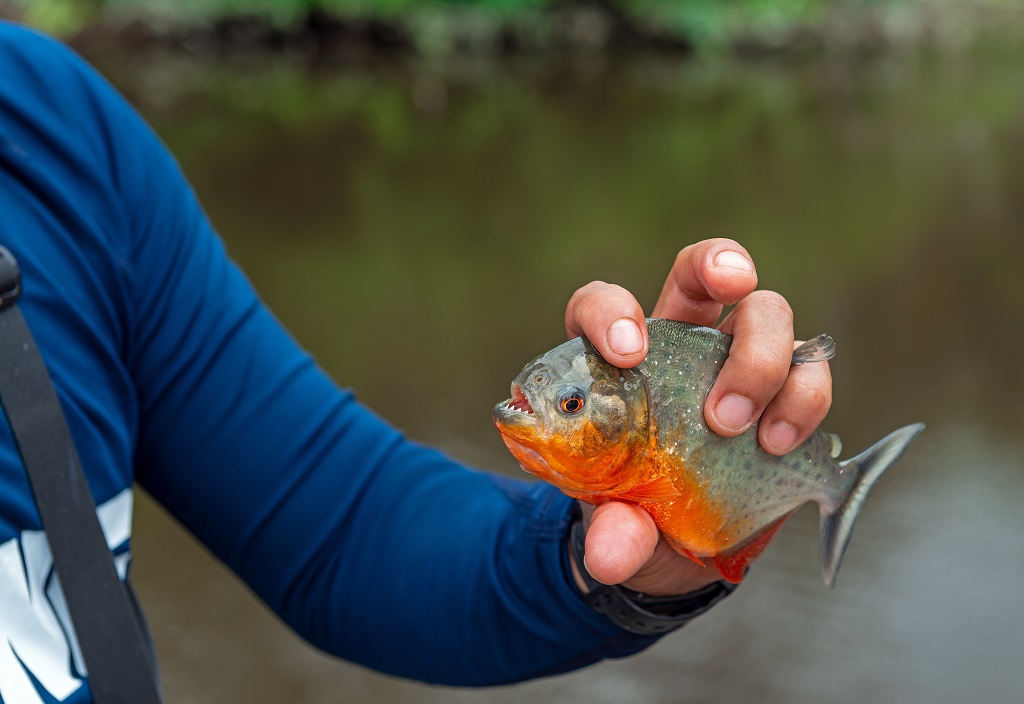
The piranha is a testament to the power of human storytelling. It has been transformed from a humble freshwater fish into a legendary beast, purely through the amplification of fear. In reality, it is a resilient species that has sustained human life in the Amazon for centuries.
While the piranha will likely never replace tilapia or salmon on the global market—due to its bony anatomy and the logistical difficulties of its environment—it remains a valuable, safe, and nutritious food source when handled with respect and prepared with care.
For the traveler venturing into the heart of the rainforest, the message is simple: respect the river, follow the local guidance on water safety, and leave your Hollywood-fed fears at the dock. The fish you catch may surprise you, not with its ferocity, but with its flavor. When cooked properly, the "monster" of the Amazon is just another dish, waiting to be enjoyed.