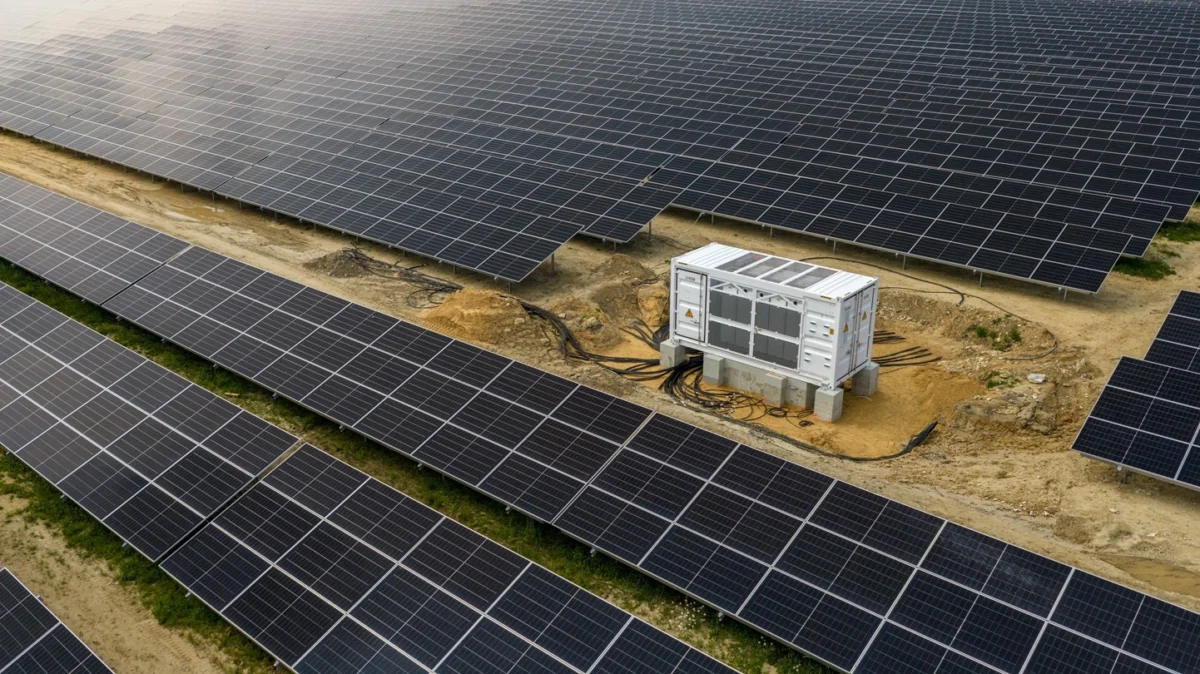
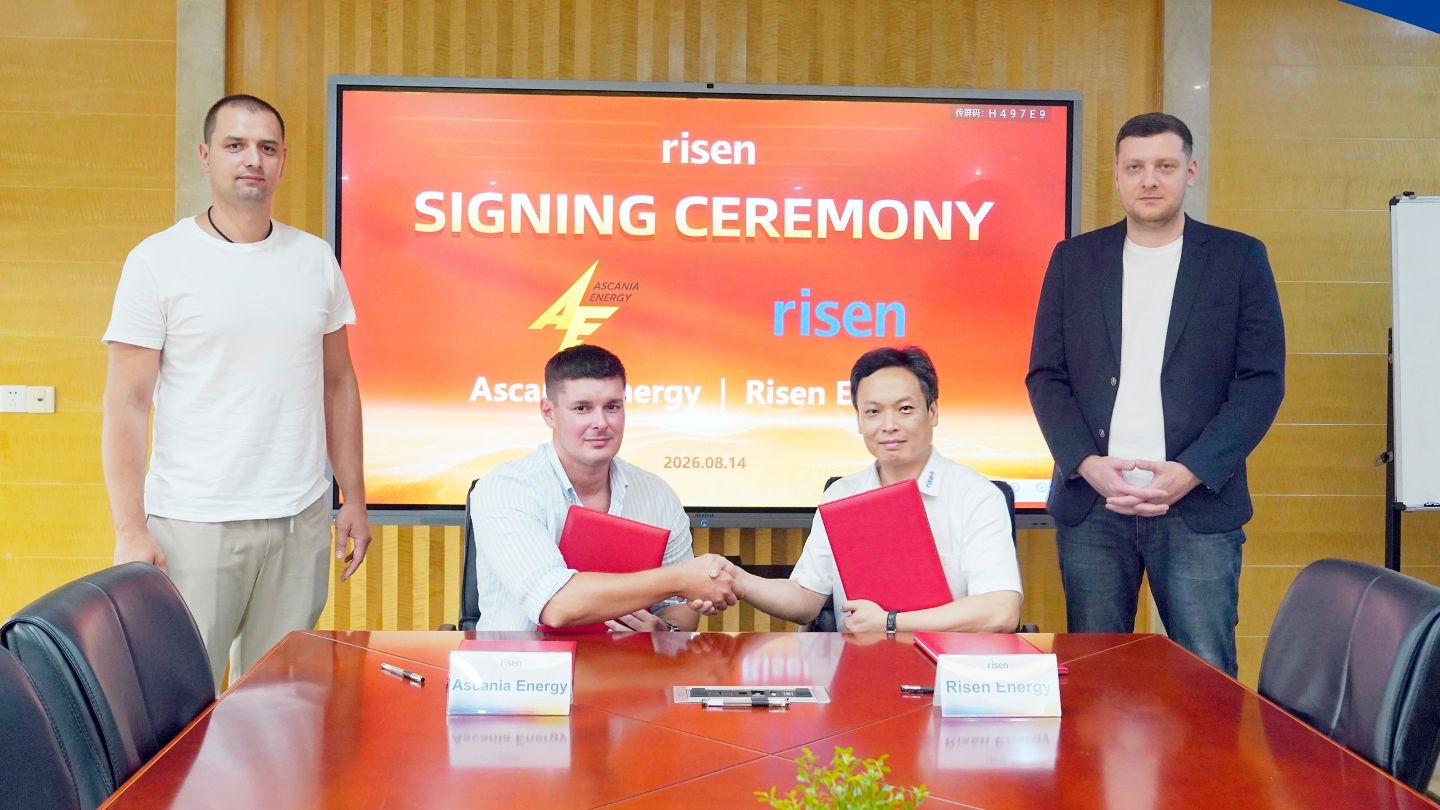
In a decisive move to bolster Ukraine’s energy independence and modernize its fractured infrastructure, global renewable energy giant Risen Energy and prominent local player Ascania Energy have announced a landmark partnership. The two companies have formally signed a pair of memorandums of understanding (MoUs) that signal a commitment to developing up to 100MW of solar power capacity and 200MWh of advanced battery energy storage systems (BESS) across the country.
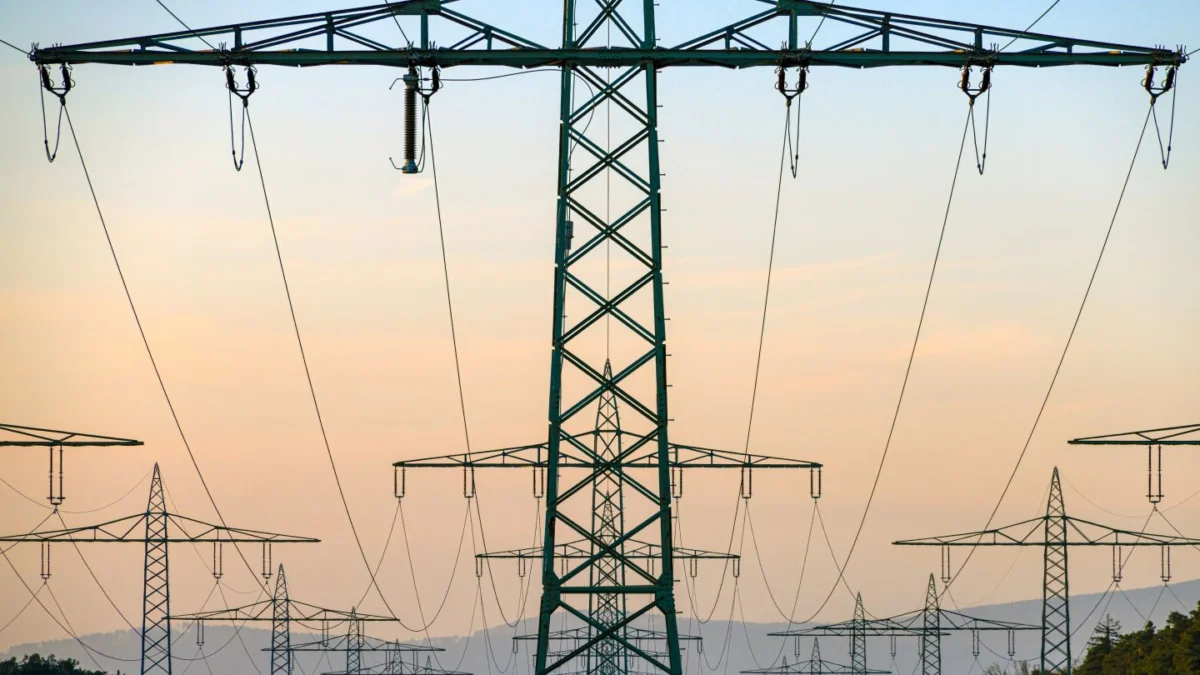
This strategic alliance arrives at a critical juncture for the Ukrainian energy sector, which has faced unprecedented challenges over the past several years. By prioritizing decentralized energy generation and high-capacity storage, the partnership aims to provide the grid with the flexibility and reliability necessary to sustain both industrial operations and residential power needs amidst ongoing regional volatility.
The Core Partnership: Fostering Decentralized Energy
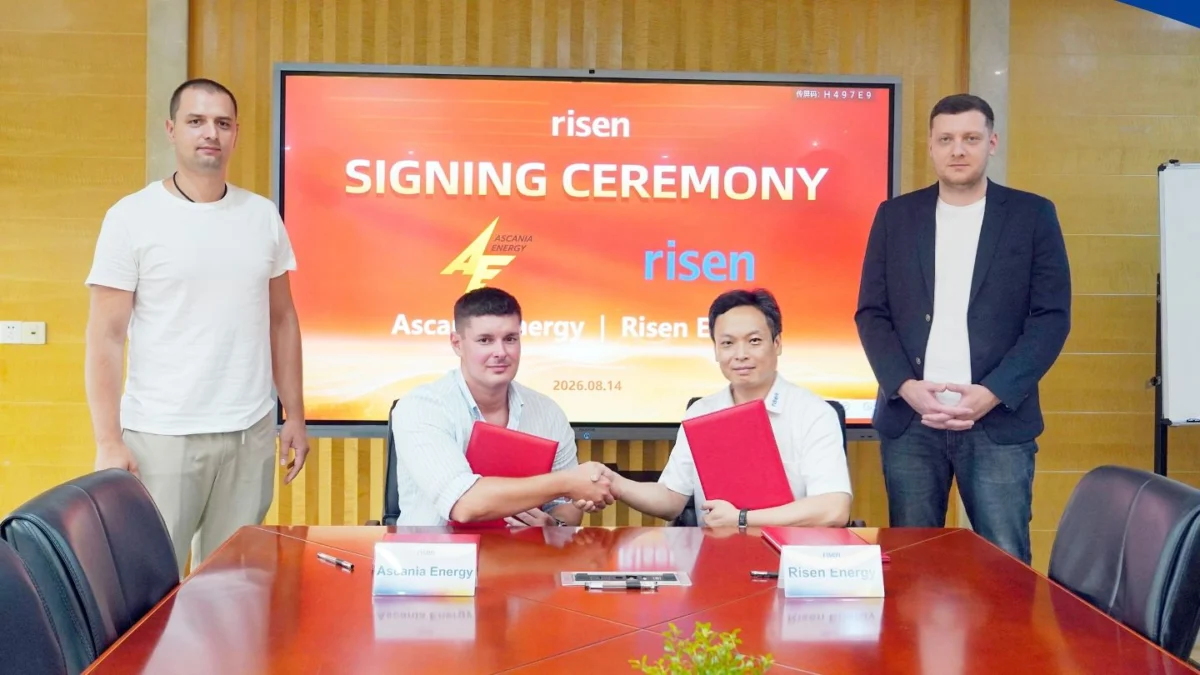
The agreement was formalized during a high-level meeting involving Risen Energy Europe president Jerry Qin and Ascania Energy CEO and co-owner Yevhen Piatko. Also in attendance was Yehor Yarmolenko, chief technology officer at Ascania Energy, reflecting the technical depth and high-level commitment backing this venture.
At its heart, the collaboration addresses a fundamental strategic shift in Ukraine’s power generation model: the transition from centralized, large-scale utility plants toward a decentralized, resilient architecture. By pairing solar generation with utility-scale battery storage, the companies are creating "distributed capacity." This model ensures that when the national electricity grid is constrained—whether by peak load demands or external disruptions—local nodes can provide consistent power, effectively stabilizing the grid and reducing dependency on single points of failure.
Chronology: From Factory Floors to National Integration
The path to this partnership was not an overnight development but the result of sustained engagement and technical vetting.
- Initial Engagement and Due Diligence: Over the preceding months, leadership teams from both organizations initiated discussions regarding the technical requirements of the Ukrainian market. These dialogues focused on how global manufacturing standards could be adapted to meet the unique operational realities of the Ukrainian grid.
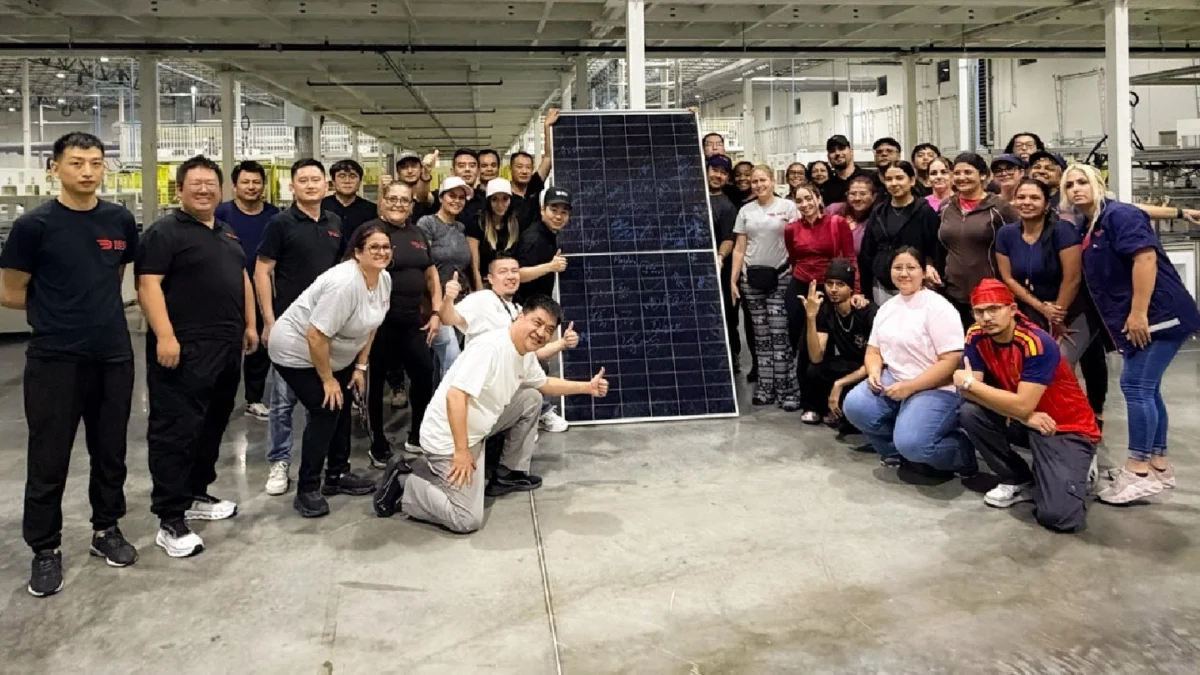
- The Technical Tour (Early August 2026): To ensure total alignment on quality and performance standards, an Ascania Energy delegation conducted an on-site audit of Risen Energy’s manufacturing facilities. During this tour, the team reviewed stringent production and quality management processes for photovoltaic (PV) and storage technologies, confirming that Risen’s hardware met the robust requirements necessary for deployment in challenging environments.
- The Formalization (Mid-August 2026): The MoUs were signed, marking the official commencement of the project development phase. This event solidified the cooperation framework for product procurement, engineering design, and long-term project support.
- Future Roadmap: Following the signing, the immediate next phase involves site selection, feasibility studies, and the integration of specific hardware solutions into the Ukrainian regulatory framework.
Supporting Data: Technical Synergy and Global Scale
The success of this partnership is underpinned by the significant technical expertise both firms bring to the table.
Risen Energy’s Global Footprint
Risen Energy is a veteran of the global renewables market, with a proven track record of deploying large-scale infrastructure. By the end of the second quarter of 2026, the company had successfully delivered more than 121.4GW of PV modules and over 10GWh of battery storage systems globally. Operating across more than 90 countries, Risen has already established a footprint in Ukraine, having supplied critical equipment for over a dozen solar projects, including the massive 323MW Pokrovskaya Solar Power Plant.
The company plans to deploy its flagship technologies in this new venture:
- Hyper-ion Pro Heterojunction (HJT) Modules: Known for their superior efficiency and high-temperature performance, these modules are designed to maximize output even in sub-optimal weather conditions.
- eTron Liquid-Cooled Storage Systems: These battery units are engineered for safety and longevity, utilizing liquid cooling to manage thermal performance, which is vital for maintaining the lifespan of large-scale storage installations.
Ascania Energy’s Local Expertise
Ascania Energy operates as a critical pillar of the Ascania Group, a conglomerate with three decades of operational experience in Ukraine. Their multifaceted approach covers the entire energy value chain, including:
- Direct energy supply and trading.
- Comprehensive energy management and system integration.
- Project development and sophisticated engineering services.
By combining Risen’s manufacturing prowess with Ascania’s deep knowledge of local regulatory, logistical, and technical requirements, the partnership ensures that the solar-plus-storage projects are not only built to international standards but are also perfectly calibrated for the Ukrainian landscape.
Official Responses and Strategic Vision
The dialogue between the companies emphasizes not just the provision of hardware, but the long-term cultivation of local capacity.
"This partnership is about more than just megawatts," noted a representative during the signing ceremony. "It is about creating a sustainable ecosystem." The collaboration includes provisions for:
- Localizing Products: Adapting hardware configurations to meet local grid connection standards.
- Professional Development: Providing extensive engineering training to local staff, ensuring that Ukrainian teams are capable of maintaining and optimizing the new infrastructure.
- Technical Support: Establishing an after-sales support network that guarantees high uptime and rapid response times for maintenance and repairs.
This focus on capacity building reflects a shift in foreign investment strategies within the region, moving away from simple supply-chain transactions toward the creation of indigenous technical expertise.
Implications: A New Era for Ukraine’s Power Sector
The implications of this 100MW/200MWh initiative are far-reaching.
Grid Resilience and Flexibility
Ukraine’s grid requires modernization to handle the variable nature of renewable energy. The introduction of 200MWh of storage acts as a shock absorber. By storing energy generated during peak solar hours and discharging it during periods of high demand or low generation, these systems prevent the grid from being overwhelmed. This flexibility is essential for maintaining the stability of the National Power Company (NPC) Ukrenergo’s operations.
Economic and Security Impacts
Energy security has become synonymous with national security. By investing in decentralized generation, Ukraine reduces its reliance on large, vulnerable centralized thermal and nuclear power plants. This creates a "cellular" energy architecture, where local communities and industrial zones can maintain power even if major transmission lines are damaged or under maintenance.
Furthermore, the involvement of international partners like Risen Energy signals a vote of confidence in Ukraine’s post-war recovery. It encourages further foreign direct investment (FDI) into the green sector, which is projected to be a cornerstone of the nation’s economic modernization.
The Path to Carbon Neutrality
While immediate needs are focused on resilience, the long-term benefit is the acceleration of Ukraine’s decarbonization goals. By integrating sophisticated solar-plus-storage solutions, the country is aligning its energy infrastructure with European Green Deal standards. This trajectory is essential for the future of the Ukrainian economy, particularly as it seeks to integrate further with the European Union’s energy market.
Conclusion
The partnership between Risen Energy and Ascania Energy represents a pragmatic, high-impact approach to a complex problem. By bridging the gap between global technological innovation and local operational expertise, the two firms are setting a blueprint for how Ukraine can rebuild its power sector.
As the project moves into the implementation phase, the focus will remain on strict adherence to quality and safety protocols. If successful, the deployment of 100MW of solar and 200MWh of storage will serve as a lighthouse project, proving that decentralized, renewable-based energy is not just a sustainable choice, but the most effective path forward for a nation determined to secure its own future. The commitment of Risen and Ascania serves as a testament to the resilience of the Ukrainian energy sector and its potential to emerge as a leader in the renewable transition.