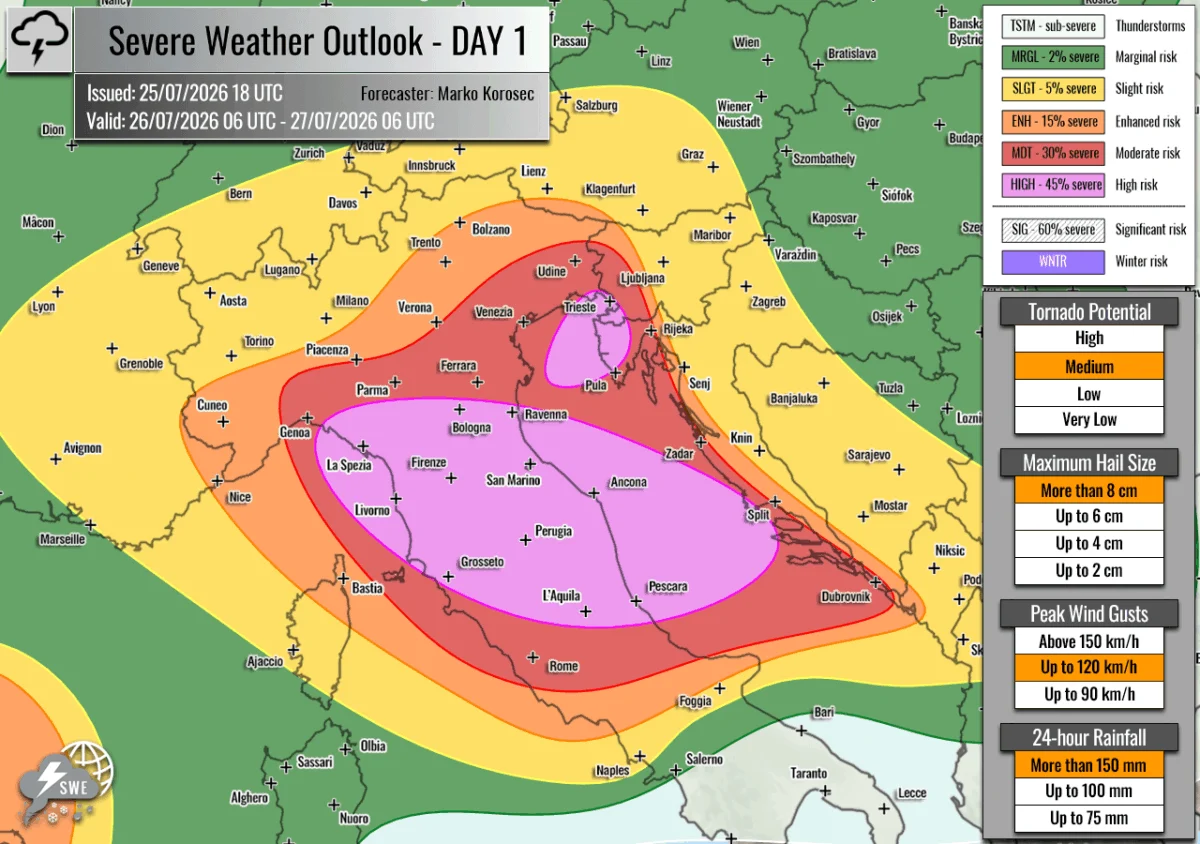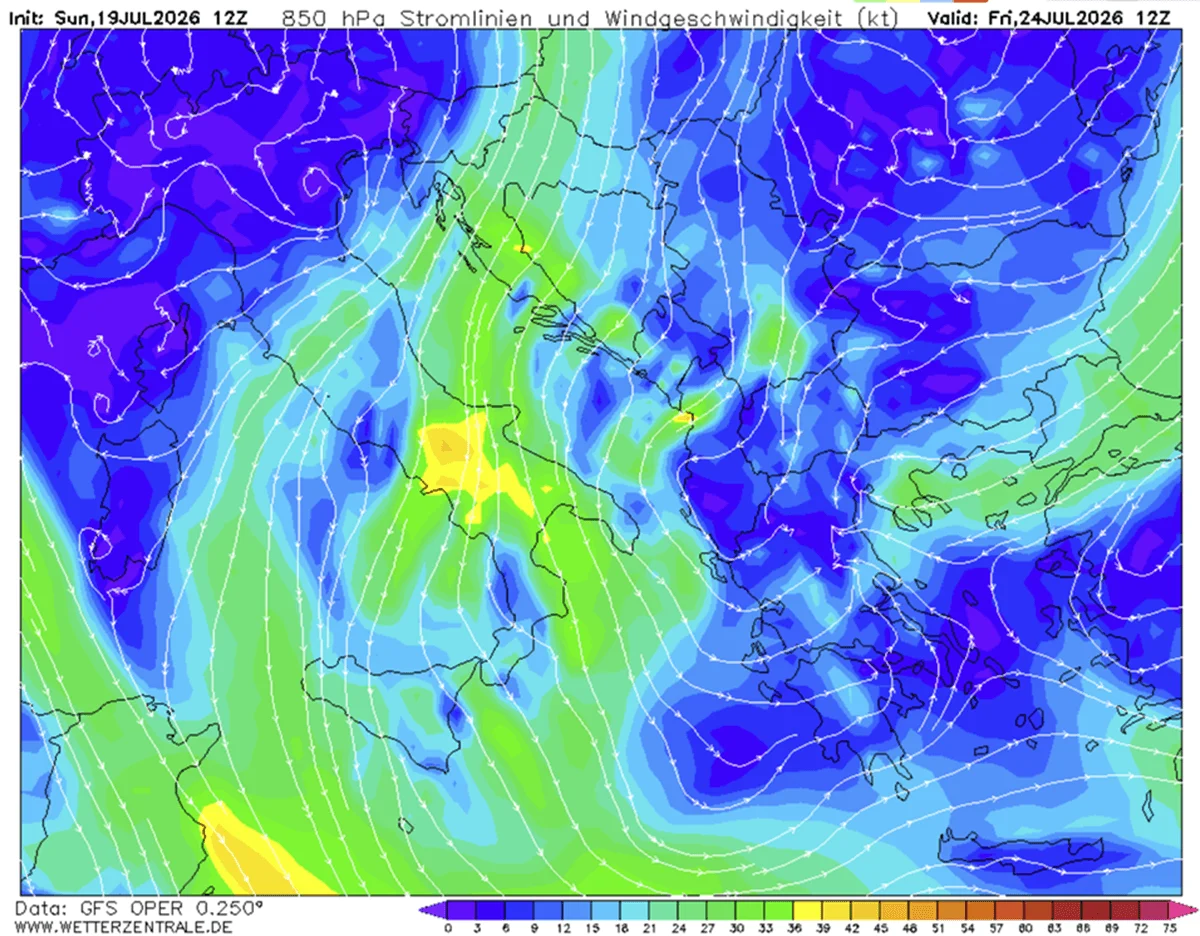
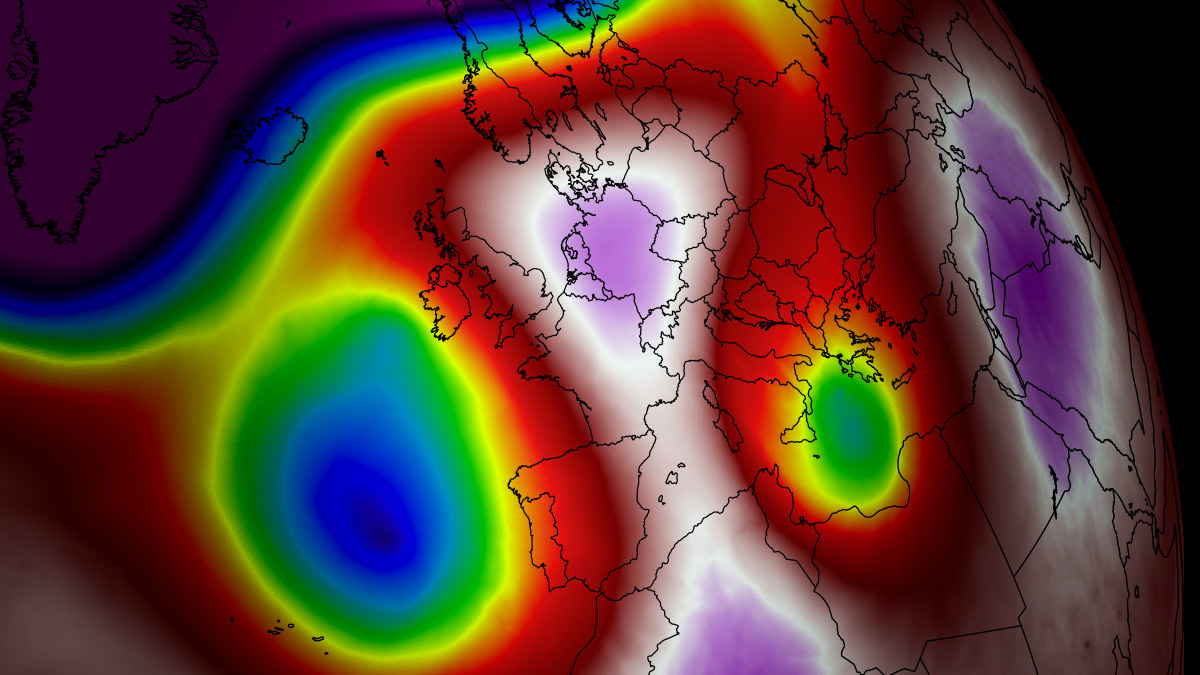
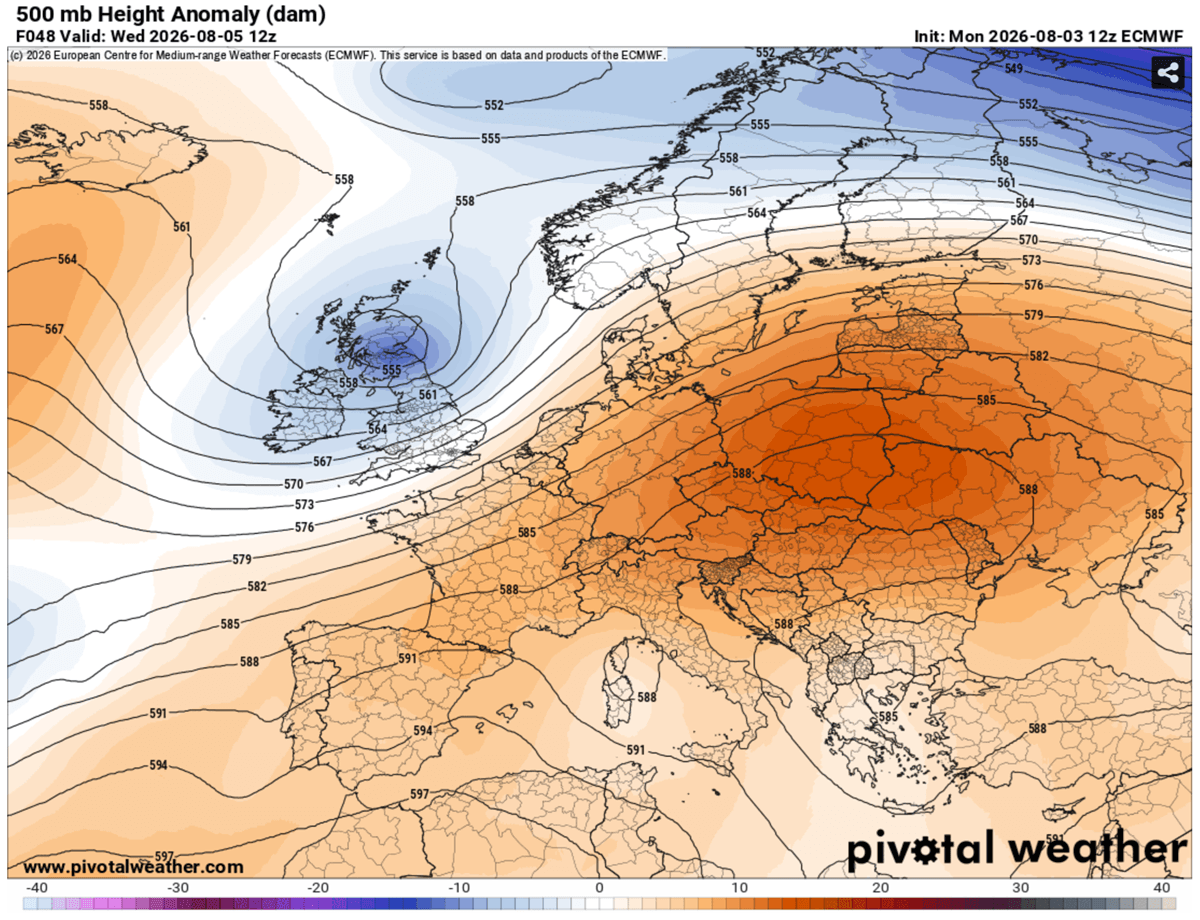
A high-amplitude upper-level ridge, locked in a rigid "Omega block" configuration, has descended upon the heart of the European continent. This meteorological phenomenon is currently driving an unprecedented, multi-week heatwave that shows no signs of immediate abatement. As a vast, stagnant mass of air originating from the scorched landscapes of North Africa surges northward, it has settled over Central Europe and the Balkan Peninsula, pushing thermal anomalies into the 99th percentile.
For millions of residents stretching from the Po Valley in Italy to the expansive Pannonian Basin, the first week of August 2026 has become a test of endurance. Meteorologists tracking the event have identified a "Heat Dome"—a high-pressure system acting as an atmospheric lid—that is trapping, compressing, and baking the air at the surface. With daytime highs projected to shatter records, climbing between 40°C and 43°C, the region is facing a public health emergency of significant proportions.

The Anatomy of a Heat Dome: Atmospheric Dynamics
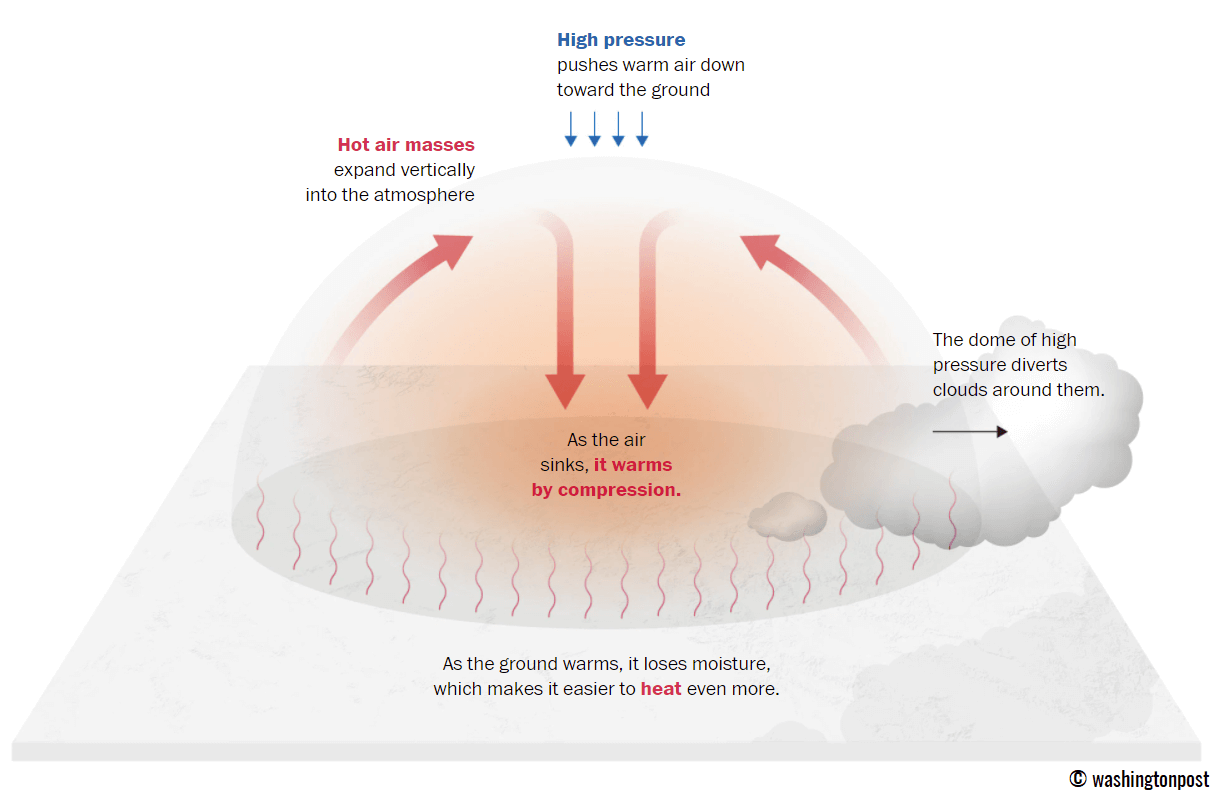
To understand the severity of the current situation, one must examine the mechanics of the "Heat Dome." In meteorological terms, this is not merely a warm day; it is a structural failure of the atmospheric circulation. A strong upper-level ridge creates a "blocking high" that prevents cooler, maritime air masses from moving in to displace the stagnant heat.
As the high-pressure system parks itself over the heart of the continent, it initiates a process of subsidence. Air aloft descends toward the surface; as it does, it undergoes adiabatic compression. Because air warms as it is compressed, the sinking motion acts like a convection oven, heating the lower troposphere and surface levels to dangerous extremes. When this occurs in low-lying river basins—such as the Po or the Pannonian—the topography further traps this superheated air, preventing even the slightest breeze from offering relief.
A Chronological Forecast: The Eastward Progression
The current heat event is a dynamic, moving target. The synoptic setup, which began with intense heat across Western and Central Europe, is now migrating eastward, expanding the area of impact with every passing 24-hour cycle.
Tuesday and Wednesday: The Central European Peak
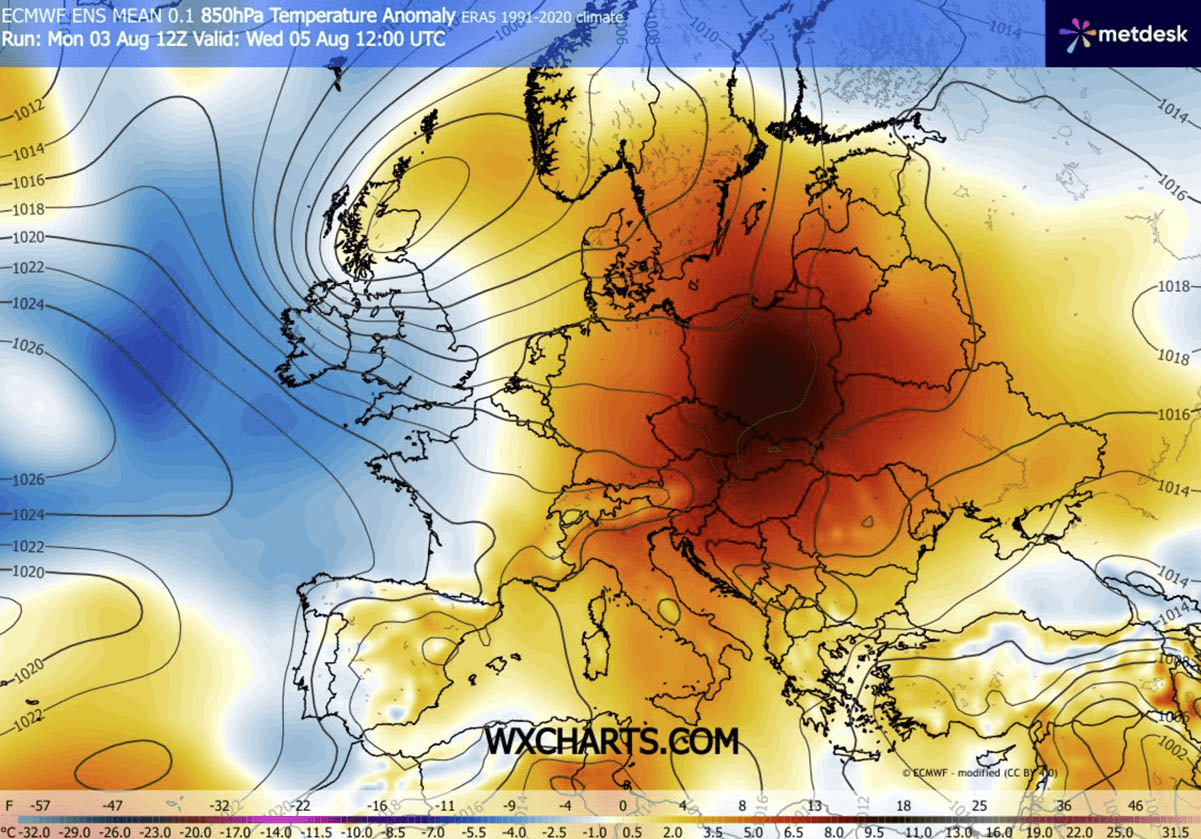
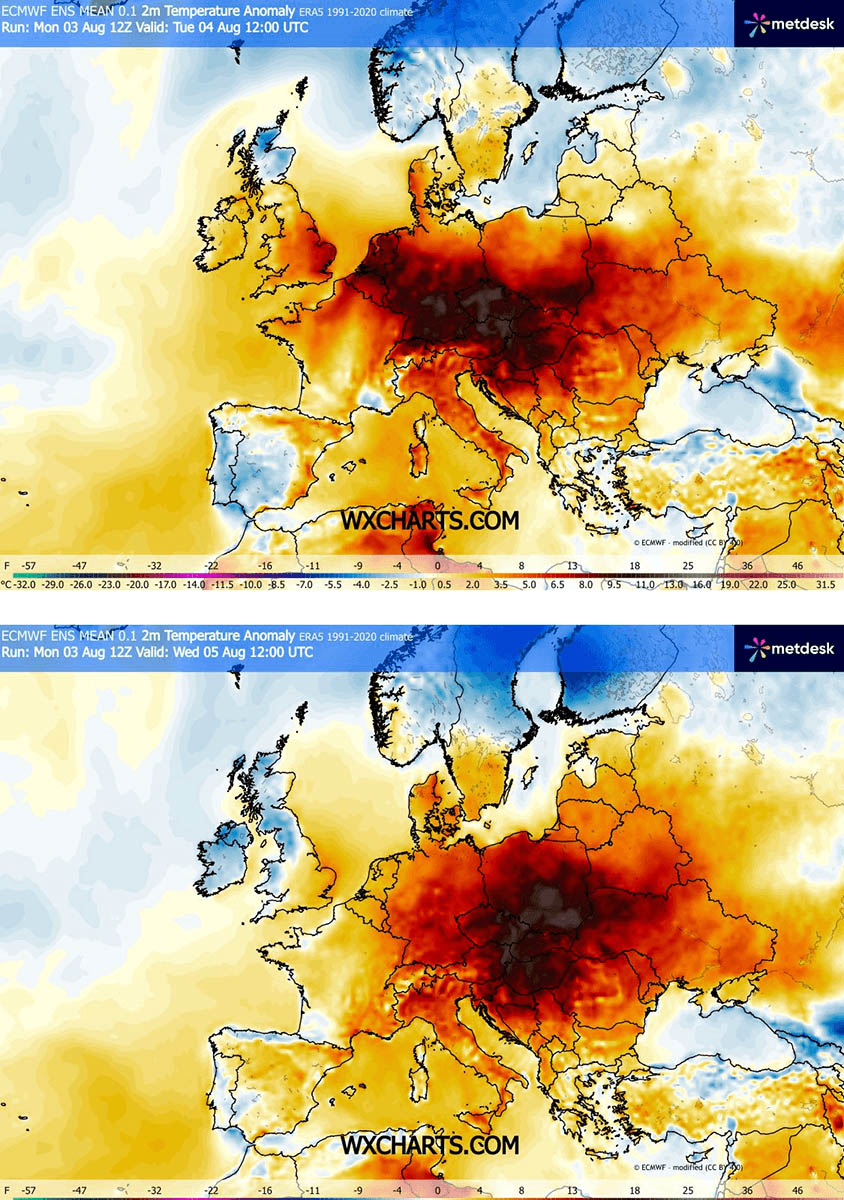
At the start of this week, the core of the heat dome dominated Germany, the Czech Republic, and Austria. Temperatures in these regions peaked between 36°C and 40°C, marking one of the most significant thermal spikes in recent memory for these nations. However, as an upper-level wave began to pull in slightly cooler maritime air from the Atlantic, the focus of the extreme heat shifted. By Wednesday, the oppressive air mass pushed into Western Poland and the Eastern reaches of Germany, while simultaneously beginning its encroachment into the Balkans.
Thursday and Friday: The Balkan and Eastern Surge
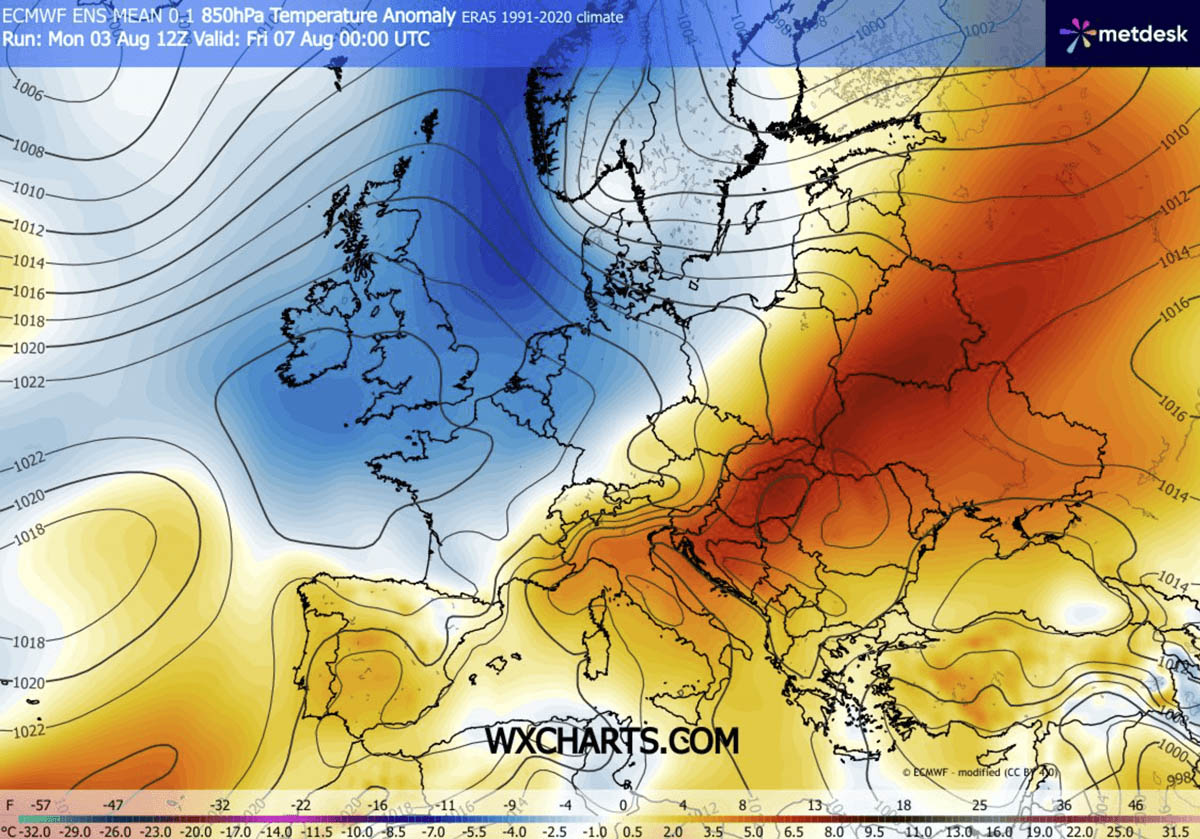
By mid-week, the "engine" of the heat dome became more elongated, shifting its center of gravity toward the southeast. This trajectory has placed Croatia, Serbia, Romania, and eventually Ukraine and Bulgaria in the crosshairs. Forecasts for Thursday and Friday indicate that the Pannonian plains will experience the brunt of this thermal surge, with temperatures expected to hit a blistering 43°C. The heat will continue to intensify through Friday, eventually reaching across the border into western Russia, ensuring that the Balkan Peninsula—which had initially been spared the most extreme temperatures—faces a late-week trial by fire.
Supporting Data: The "Tropical Night" Crisis
Perhaps the most harrowing aspect of this meteorological event is the lack of nocturnal recovery. Under normal conditions, temperatures drop significantly after sunset, allowing the human body to regulate its core temperature and providing respite for agriculture and infrastructure.
Current models, however, are forecasting a string of "tropical nights," where temperatures in major urban centers refuse to dip below 24°C to 26°C. When a human body is subjected to such sustained heat, the cardiovascular system is placed under immense strain. The absence of a "cooling window" means that the heat load is cumulative, leading to a sharp rise in heat-related illnesses, including exhaustion, heat stroke, and cardiac distress.
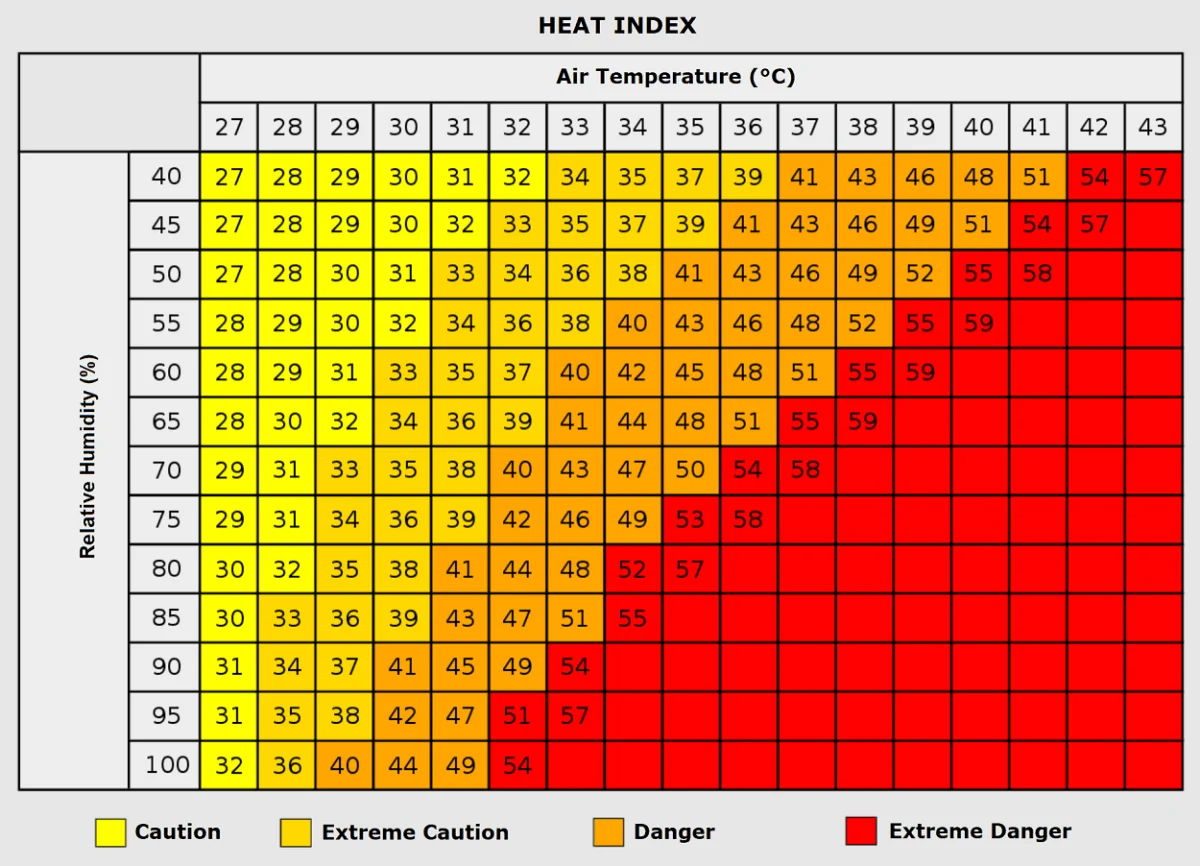
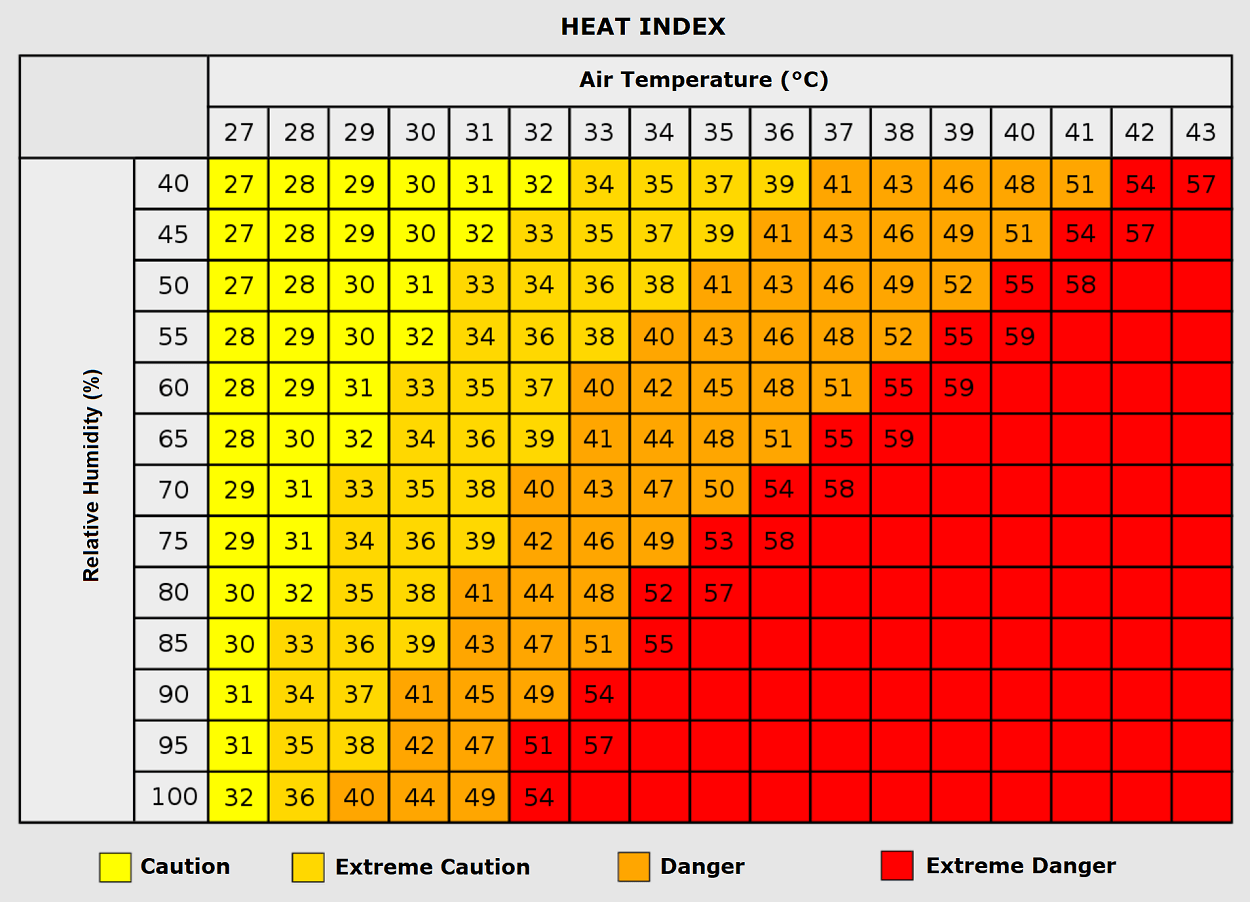
This is compounded by the "Heat Index"—a measurement that accounts for both temperature and relative humidity. In areas where moisture remains trapped, the perceived temperature can feel closer to 50°C, rendering even short periods of outdoor activity life-threatening.
Implications for Society, Health, and the Grid
The implications of this heatwave extend far beyond simple temperature readings. The socio-economic and environmental impacts are profound and multifaceted.
Agricultural and Wildfire Risk
The combination of record-breaking heat and persistent continental dry winds is rapidly depleting soil moisture. This is causing an accelerated agricultural drought, with crops in the breadbaskets of Hungary and Romania facing catastrophic yield losses. Simultaneously, the parched vegetation has turned the western Balkans and southern Europe into a tinderbox. With the current atmospheric conditions, even a minor ignition source can lead to explosive wildfire growth, challenging the capacity of regional fire departments and emergency services.
Vulnerable Populations and Urban Heat Islands
Urban environments act as amplifiers for these weather events. Cities dominated by concrete, asphalt, and steel absorb solar radiation during the day and re-radiate it throughout the night—a phenomenon known as the "Urban Heat Island." For the elderly, children, and those living in lower-income housing with poor ventilation, the lack of nocturnal cooling is a direct threat to life. Public health officials across the affected nations have issued urgent warnings, urging residents to utilize public cooling centers, hydrate aggressively, and minimize outdoor movement between the hours of 11:00 AM and 6:00 PM.
Infrastructure Stress
The power grids of Central and Eastern Europe are currently under maximum load. As demand for air conditioning spikes to combat the heat, utilities are working overtime to prevent brownouts. Furthermore, high temperatures affect the efficiency of electrical transmission and can cause the mechanical failure of aging cooling systems in industrial facilities, creating a secondary risk of grid instability.
Long-Range Trends: A Looming Second Wave?
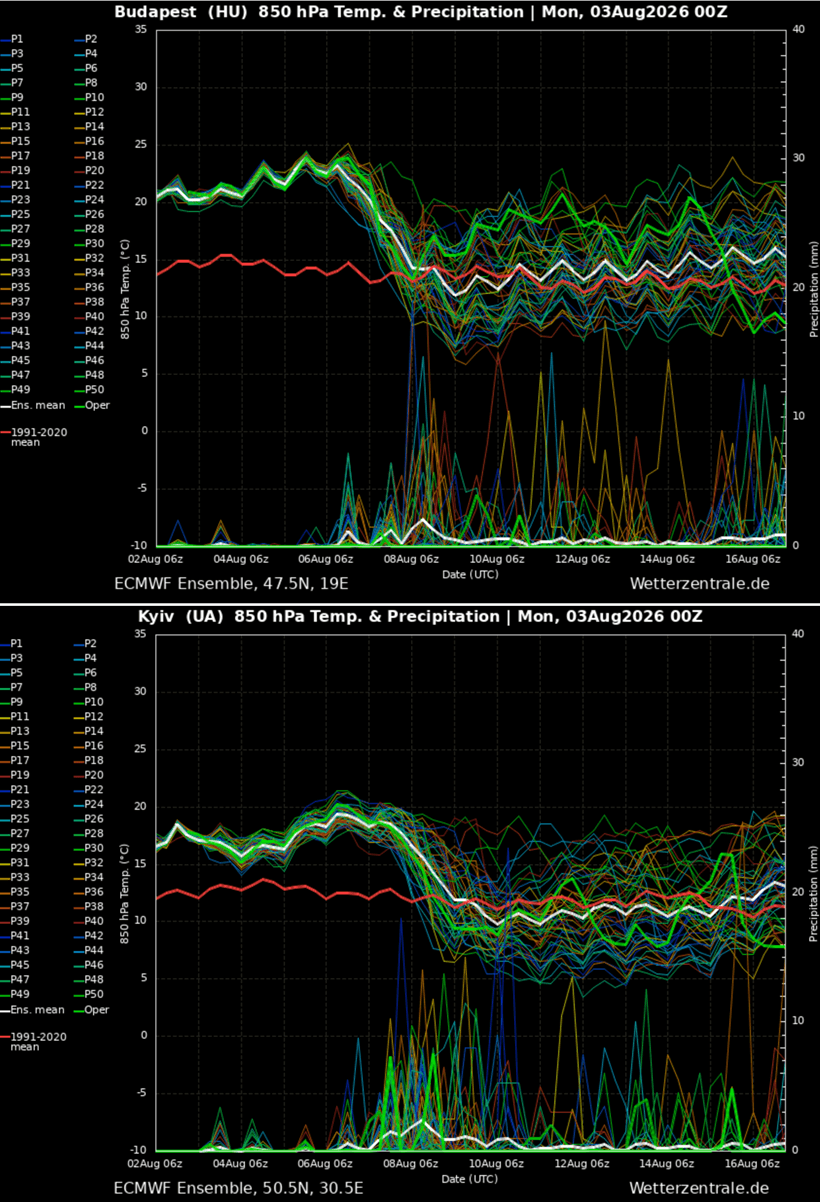
While meteorologists anticipate the current heat dome over the Balkans will collapse by the end of the coming weekend, there is little cause for celebration. Ensemble models are already pointing toward a troubling trend for the following week.
Data suggests that a new, high-amplitude ridge may develop and expand into southwestern and western Europe by mid-August. Should this materializing pattern hold, the continent could face a secondary "heat dome" event, shifting the focus of the extreme temperatures back toward Portugal, Spain, France, and eventually the British Isles.
If this secondary pattern develops as predicted, Europe will have faced nearly three weeks of near-continuous extreme heat. This trajectory underscores the growing concern among climatologists regarding the frequency and intensity of such "blocking" patterns, which appear to be becoming a standard feature of the European summer season.
Conclusion: Monitoring the Evolution
As the current heat dome continues its transit across Eastern Europe, the importance of accurate, real-time meteorological monitoring cannot be overstated. Agencies such as those providing the data for this analysis—including PivotalWeather and WXcharts—remain vigilant, utilizing satellite imagery and ensemble modeling to track the shifting boundaries of the upper-level ridge.
Residents are advised to remain updated through local meteorological services, adhere strictly to public health guidelines, and prepare for the potential of further weather instability as the week concludes. While the atmosphere is currently locked in a pattern of extreme heat, the transition toward the second half of August will be closely watched, as the potential for another wave of record-breaking temperatures remains a significant threat to the region.
In a summer defined by its atmospheric extremes, the ability to anticipate and respond to these localized "heat domes" has become the primary challenge for regional authorities and the public alike. Stay tuned for further updates as this meteorological situation evolves.