The global energy landscape is undergoing a profound transformation as nations pivot away from fossil fuel dependency in favor of sustainable, renewable alternatives. While solar and wind power have historically dominated the headlines, the role of bioenergy—specifically biopower—is increasingly recognized as a critical pillar of the global decarbonization strategy. In the Asia-Pacific (APAC) region, this transition is particularly pronounced. As industrialization continues to accelerate and energy demand spikes, APAC is positioning itself as a major theater for biopower expansion.
According to recent projections, the APAC biopower capacity is set to experience a robust growth trajectory through 2035. This expansion is driven by a combination of stringent climate goals, localized agricultural waste management, and the need for baseload power that intermittent renewables like solar cannot always provide.
Main Facts: The Strategic Pivot to Biopower in APAC
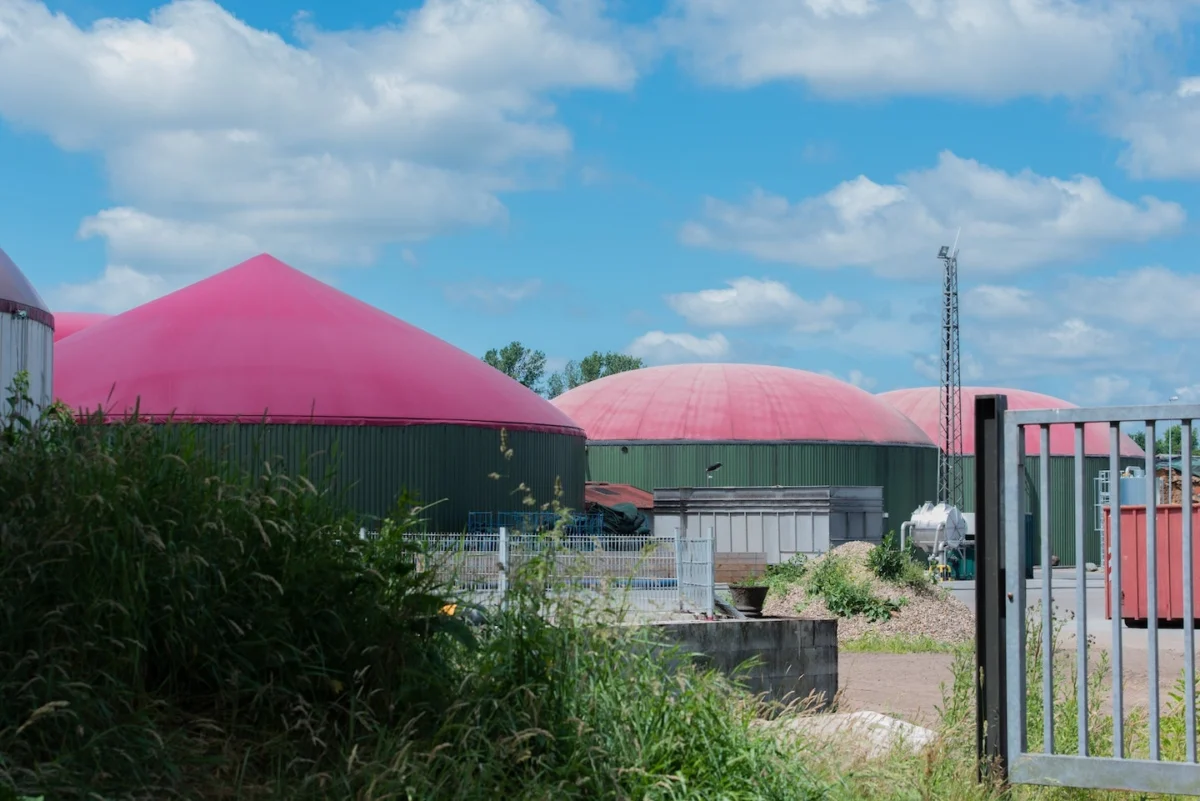
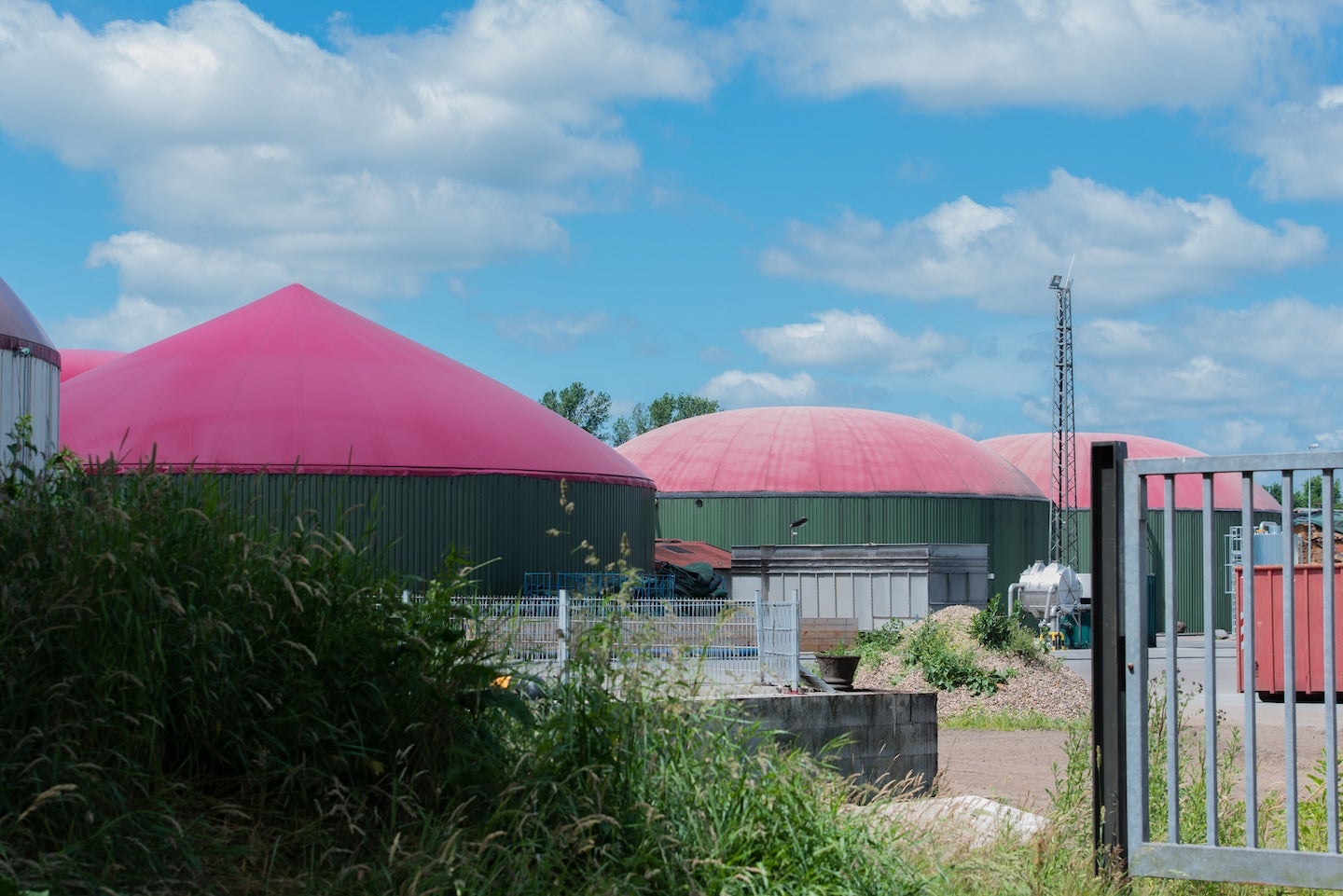
Biopower—the production of electricity from organic materials such as agricultural residues, forestry waste, and municipal solid waste—offers a unique advantage in the APAC region. Unlike solar or wind, biopower is dispatchable, meaning it can provide consistent energy regardless of weather conditions, making it an essential component of a stable grid.
The key drivers of this growth include:
- Decentralized Energy Access: For vast, rural populations across Southeast Asia and India, small-to-medium-scale biopower plants provide a viable alternative to extending expensive national grids.
- Waste-to-Energy (WtE) Initiatives: Growing urbanization has led to an explosion in municipal waste. Governments are increasingly viewing WtE plants not just as energy generators, but as critical public health infrastructure.
- Government Policy and Incentives: Countries such as Japan, South Korea, China, and Thailand have implemented feed-in tariffs (FiTs) and renewable energy certificates (RECs) to incentivize private investment in biomass facilities.
Chronology: A Path Toward 2035
The roadmap for APAC’s biopower sector is not a sudden emergence but a cumulative progression of policy refinement and technological adoption.
2015–2020: The Foundation of Policy
During this period, the focus was on establishing frameworks. Following the Paris Agreement, regional leaders began drafting long-term renewable energy master plans. China began its aggressive phase-out of small, inefficient coal plants, while Japan pivoted post-Fukushima, turning toward biomass co-firing in existing thermal plants to meet carbon reduction targets.
2021–2025: The Infrastructure Integration Phase
We are currently in a period of heavy capital expenditure. Projects that were commissioned in the late 2010s are coming online. Furthermore, there is a distinct shift toward supply chain optimization. The sustainability of the biomass feedstock—ensuring that the wood pellets or agricultural residue are sourced ethically—has become a central regulatory focus.
2026–2030: Technological Maturation and Scaling
Analysts expect this period to be defined by technological leaps in gasification and anaerobic digestion. As costs for traditional renewables reach a floor, the focus will shift to improving the conversion efficiency of biopower plants. Regional cooperation on biomass trade will likely intensify, creating a more mature market for pellets and biofuels.
2031–2035: The Era of Grid Reliability
By 2035, the goal is for biopower to represent a significant share of the non-intermittent renewable portfolio. This phase will be characterized by the integration of carbon capture and storage (CCS) with large-scale biopower plants, potentially creating "carbon-negative" energy production.
Supporting Data: Analyzing the Growth Trends
The sheer scale of the APAC region’s energy appetite necessitates a multi-gigawatt approach to biopower. Based on data from GlobalData and industry analysts, several metrics underscore the viability of this market:
- Compound Annual Growth Rate (CAGR): The APAC biopower sector is projected to grow at a healthy CAGR. While mature markets like Japan are focused on efficiency, emerging markets like Vietnam and Indonesia are seeing rapid capacity additions.
- Investment Flow: Private equity and sovereign wealth funds are increasingly allocating capital toward sustainable infrastructure. In 2023 alone, billions of dollars were funneled into biomass projects that integrate with existing agricultural processing hubs.
- Feedstock Availability: The region possesses an unrivaled abundance of biomass feedstock. From palm oil mill effluent (POME) in Malaysia to rice husk waste in India, the raw material for biopower is not only abundant but often represents a disposal burden that, when monetized, provides a secondary revenue stream for the agricultural sector.
Table: Projected Capacity Growth by Major APAC Economies (Hypothetical Estimates)
- China: Aiming for 20+ GW by 2035.
- Japan: Aggressive focus on co-firing to reduce coal reliance.
- India: Massive rural potential through small-scale biomass gasification.
- Southeast Asia: Focus on palm-oil residues and municipal waste.
Official Responses and Regulatory Outlook
The sentiment from regional governments is largely optimistic but tempered by the need for regulatory rigor.
The Environmental Perspective:
Environmental agencies across the APAC region are stressing the importance of "Life Cycle Assessment" (LCA). Governments are implementing stricter certification processes to ensure that biomass fuel does not contribute to deforestation. "The role of biopower is to support the green transition, not to act as a backdoor for land-use change," noted one regional energy policy analyst.
The Economic Perspective:
Economic ministries view biopower as a rural development tool. By creating a market for agricultural waste, these plants are effectively transferring wealth from urban energy consumers to rural farmers. This dual-purpose economic engine is why many governments are doubling down on subsidies despite the higher operational costs of biomass compared to solar PV.
Implications: What This Means for the Global Market
The surge in APAC biopower capacity has profound implications for global trade, technological innovation, and climate targets.
1. Global Biomass Trade Dynamics
As demand for wood pellets and other dense fuels grows within Asia, we are likely to see a shift in global logistics. Export markets in North America and Europe, which have historically supplied the European market, may find themselves competing for supply to meet the insatiable demand from East Asian power producers. This could lead to a standardization of global biomass commodities, similar to the coal or LNG markets.

2. Technological Innovation: The Path to Efficiency
The challenge for the next decade is energy density. Currently, transporting raw agricultural waste is inefficient due to its low energy density. We expect a surge in regional "pelletization" plants that process waste closer to the source. Furthermore, the integration of AI-driven supply chain management will allow power plants to optimize their fuel blend in real-time based on the moisture content and calorific value of incoming biomass.
3. The "Baseload" Dilemma
As the grid becomes increasingly saturated with solar and wind, the cost of grid balancing increases. Biopower acts as the perfect stabilizer. By 2035, the implication is a grid that is not just "cleaner," but also "smarter." Nations that successfully integrate biopower will likely experience fewer price shocks and grid instabilities compared to those relying solely on intermittent renewables.
4. Carbon Neutrality Targets
For countries aiming for Net Zero by 2050 or 2060, the 2035 biopower targets are a "make-or-break" milestone. Without a reliable, dispatchable renewable source, these nations would be forced to maintain coal or gas peaker plants. The expansion of the biopower sector is, therefore, a prerequisite for the total decarbonization of the APAC industrial sector.
Conclusion: A Critical Decade Ahead
The forecast for APAC’s biopower capacity through 2035 is one of steady, calculated, and essential growth. While the sector faces challenges—ranging from feedstock logistics to the complexities of environmental certification—the momentum is undeniable.
As the region moves toward 2035, the focus will shift from simple capacity additions to the integration of advanced technologies and the establishment of a robust, circular bio-economy. For investors, policymakers, and industry stakeholders, the message is clear: biopower is no longer a niche renewable energy source; it is a fundamental pillar of the Asia-Pacific energy future.
The successful execution of these projects will not only light homes and power industries, but it will also set a global precedent for how developing and developed nations alike can harmonize agricultural productivity with modern energy needs. As we look toward the horizon of 2035, the biopower sector stands as a testament to the power of innovation in the face of the global climate challenge. The transition is underway, and the foundation is being built today.