For seasoned backpackers and high-altitude adventurers, the wilderness is often treated as a predictable environment. We rely on our training, our gear, and our past experiences to mitigate risk. However, as any veteran guide knows, the human body is a complex biological system that does not always respond to the mountains with the consistency we expect.
When a 30-year veteran of backcountry guiding experiences a debilitating episode of illness at 11,500 feet, it serves as a stark reminder that altitude sickness is rarely a singular event. It is, instead, a "perfect storm" of physiological stressors. This report examines a recent case study from the high-alpine wilderness of northern Colorado, analyzing how the intersection of physical workload, nutritional deficits, sleep deprivation, and altitude exposure can create a diagnostic puzzle that challenges even the most experienced outdoorsmen.
The Incident: When Experience Isn’t Enough
The subject, a resident of Estes Park, Colorado, living at 7,600 feet, considers himself well-acclimatized. For individuals residing at such elevations, a trek to 11,500 feet is typically considered a standard, manageable endeavor. Yet, during a recent one-night backpacking trip, this subject fell victim to a suite of symptoms that would effectively ground any hiker: severe headache, nausea, profound fatigue, dizziness, chills, shakiness, anxiety, and volatile temperature dysregulation.
Several hours after reaching the 11,500-foot campsite, the subject’s condition reached a crisis point. Utilizing the retrospective 2018 Lake Louise Acute Mountain Sickness (AMS) scoring system, the subject reached a score of 7. According to clinical standards, a score of 3 or higher, when accompanied by a headache, is diagnostic of Acute Mountain Sickness. A score of 7 indicates a moderate-to-severe manifestation that necessitates immediate attention and, in many scenarios, a cessation of upward travel or descent.
Chronology of the Trek
To understand how the subject arrived at this state, it is necessary to reconstruct the timeline of the trip, which highlights the cumulative nature of the physical toll.
The Morning Departure
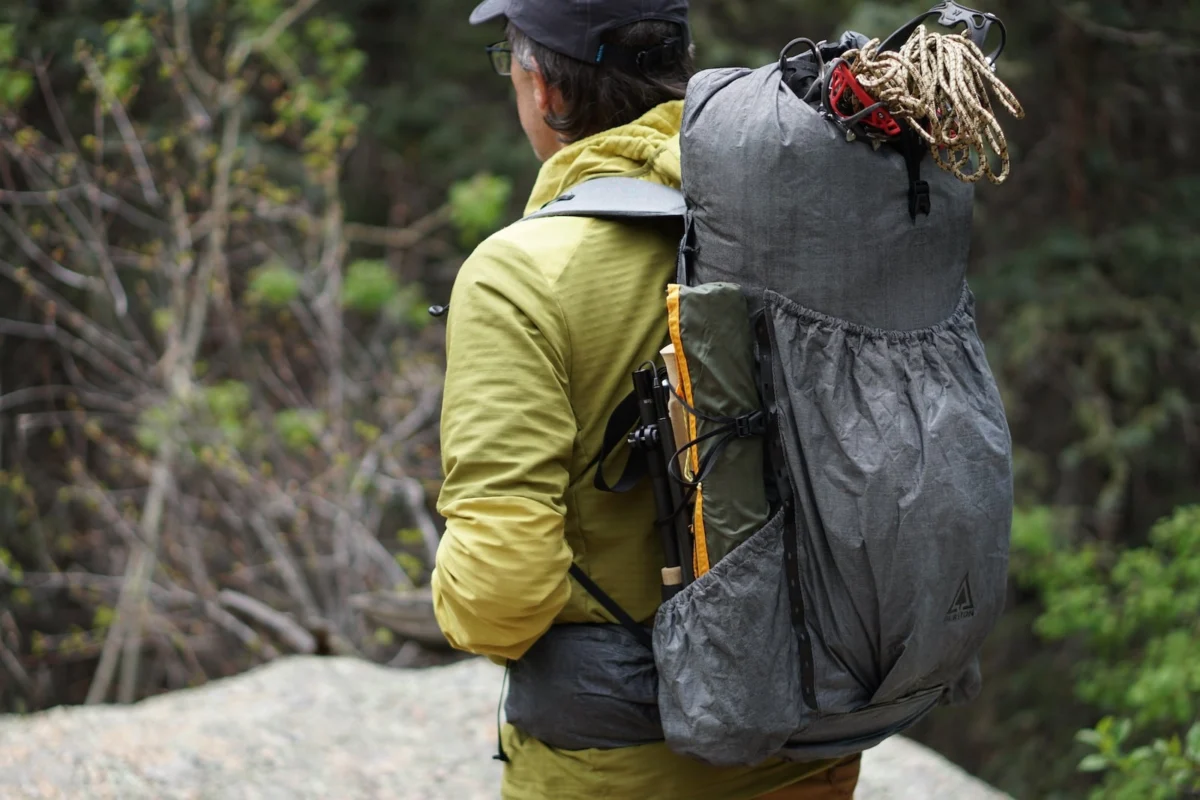
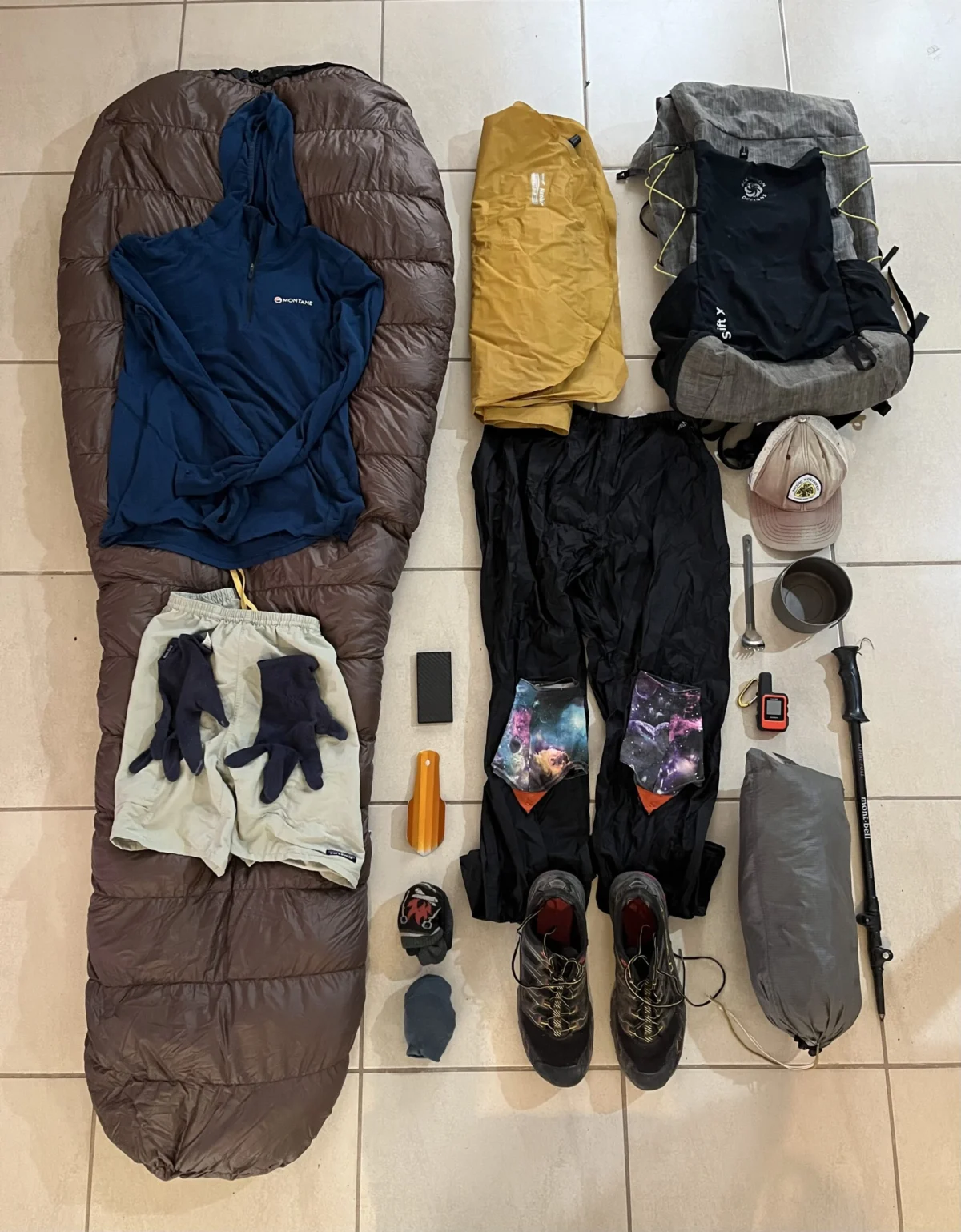
The trek began at 8:11 a.m. at an elevation of 8,600 feet. The subject had departed home in Estes Park at 5:30 a.m., carrying a significantly heavy load. The pack weight, excluding water, was 48 pounds. With two liters of water, the starting load reached 52 pounds—approximately 32% of the subject’s 165-pound body weight. This is a load ratio that exceeds the traditional recommendation of keeping pack weight under 20–25% of body weight for sustained, high-intensity mountain travel.
The Mid-Day Grind
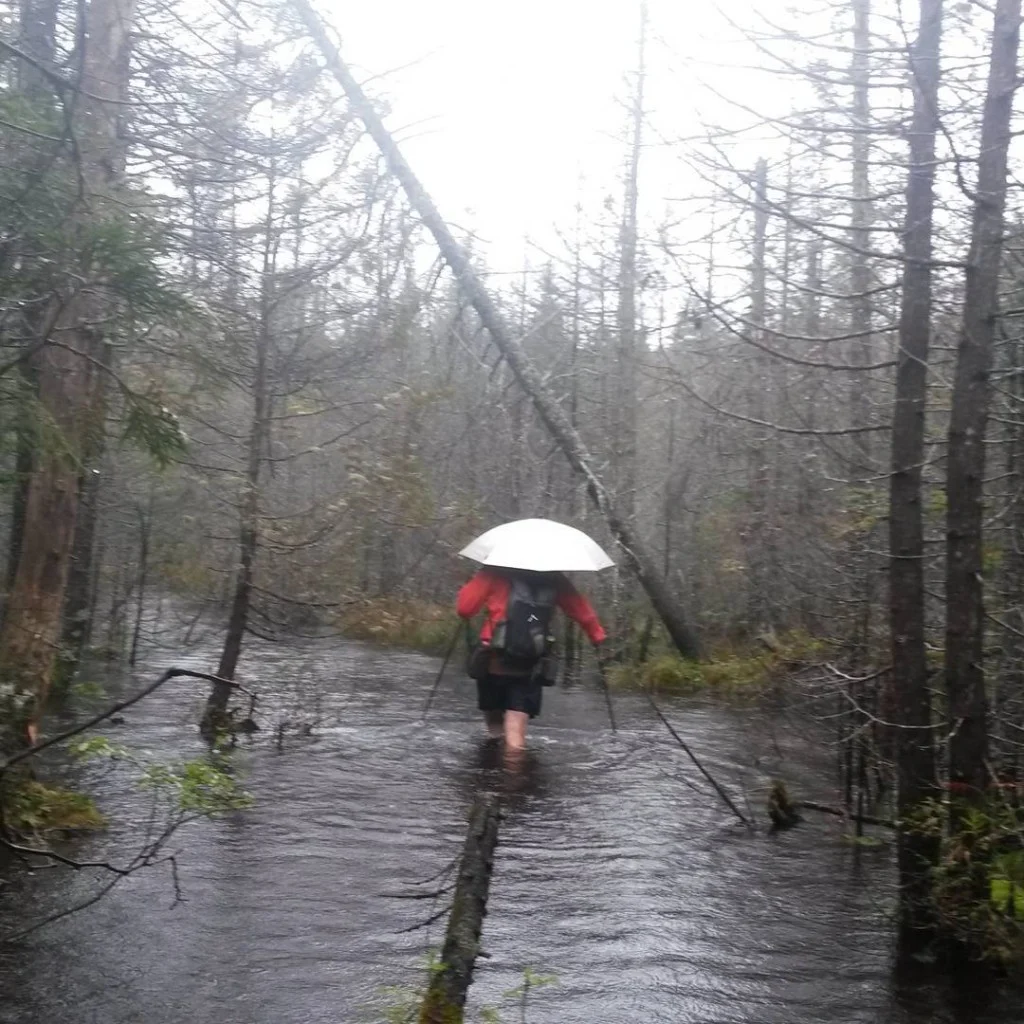
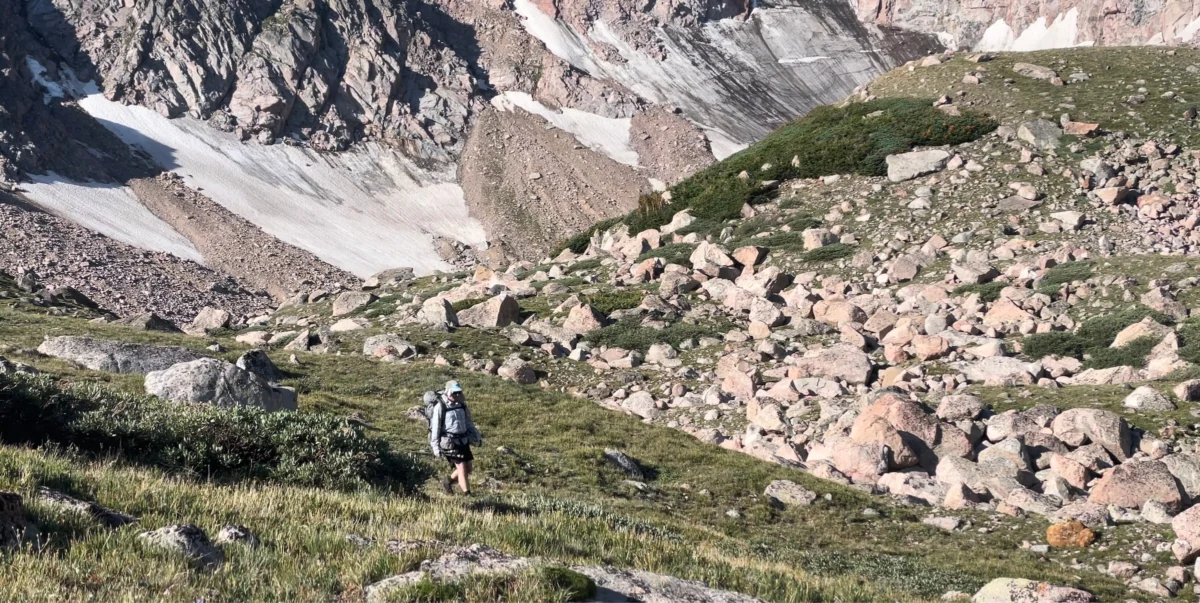
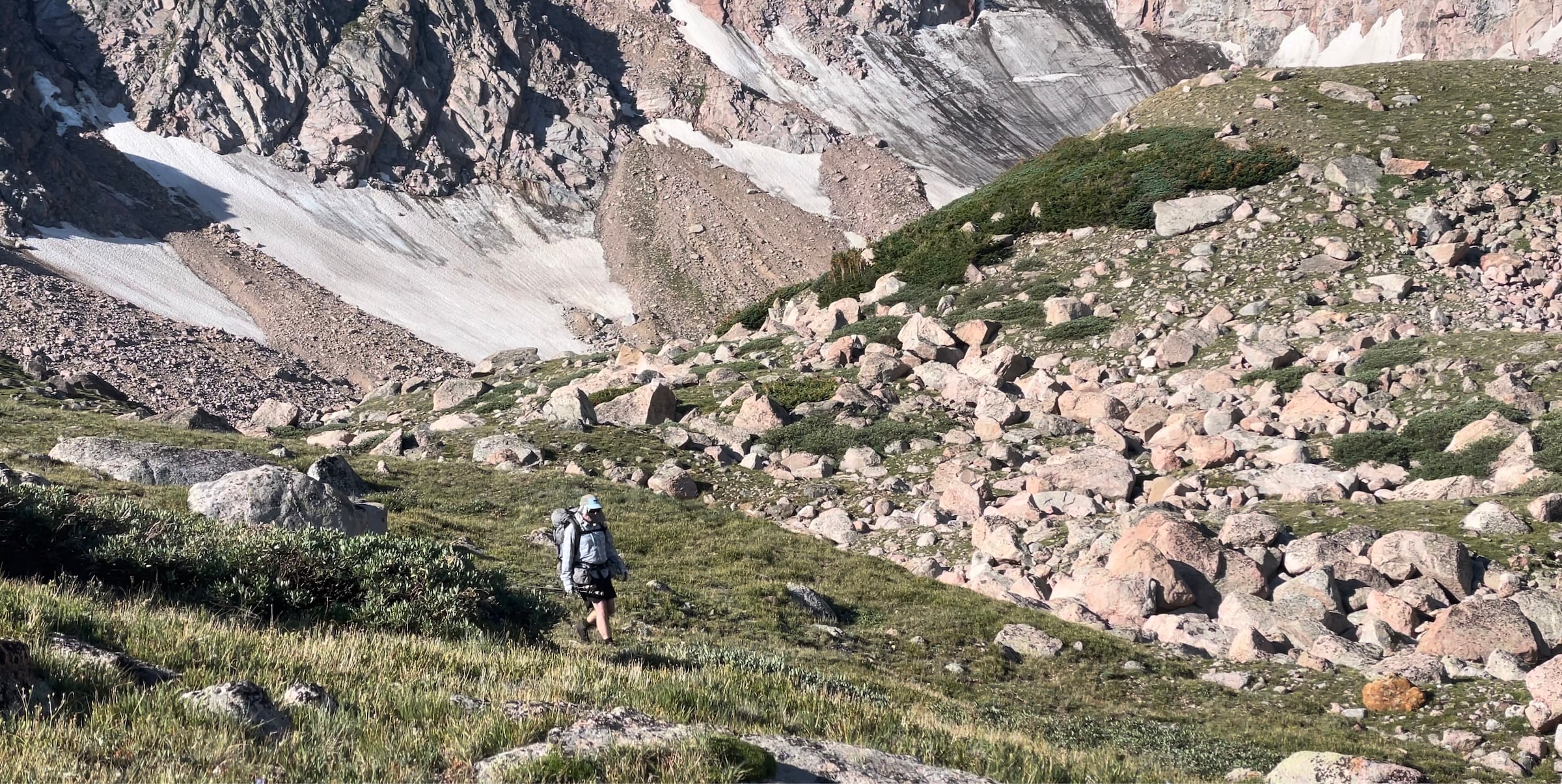
The route was exceptionally demanding. It involved 13 miles of traversal, much of it off-trail, navigating dense forest and complex alpine terrain. The cumulative elevation gain was 3,800 feet. The physical exertion required to navigate off-trail terrain—which involves constant stabilization, uneven footing, and route finding—is significantly higher than that of a maintained trail.
The Evening Arrival
The subject reached the destination at 6:24 p.m. By the time the tent was pitched at 11,500 feet, the subject had been in near-constant motion for over ten hours. The transition from a home elevation of 7,600 feet to a sleep elevation of 11,500 feet represented a net gain of 3,900 feet in a single day. While the subject had baseline acclimatization, the sheer volume of caloric expenditure combined with the rapid gain in sleeping altitude created the physiological environment for the ensuing illness.
Supporting Data: Deconstructing the Failure
The diagnostic power of this case study lies in the wealth of data provided by wearable technology and a meticulous log of intake. The symptoms were not merely "altitude sickness"; they were the culmination of four distinct, overlapping failures.
1. Carbohydrate Depletion and Energy Deficit
Analysis of the subject’s nutrition log revealed a significant caloric deficit. During high-intensity mountain travel, the body relies heavily on glycogen stores. Because the subject was caching food for a group, their personal caloric intake was insufficient to offset the 3,800-foot ascent and the exertion of hauling a 52-pound pack. This led to hypoglycemia-like symptoms—shakiness, anxiety, and fatigue—which masked or exacerbated the signs of AMS.
2. Hydration and Fluid Dynamics
While the subject carried two liters of water, the combination of high-altitude dry air and physical exertion resulted in a state of inadequate hydration. Dehydration decreases blood volume, which hinders oxygen transport and exacerbates the headache and dizziness common in AMS.
3. Pre-existing Sleep Debt
The subject arrived at the trailhead already compromised by sleep deprivation. Sleep is when the body initiates the repair process and manages fluid retention. Entering a high-altitude environment in a state of sleep debt prevents the body from effectively regulating autonomic nervous system functions, leaving the hiker more vulnerable to the stress of thin air.
4. Altitude Exposure
Finally, the "Altitude" factor itself cannot be ignored. The 11,500-foot elevation, while not extreme, is high enough to trigger physiological responses if the body is already stressed by the factors mentioned above. The "Lake Louise" criteria essentially measures the body’s failure to compensate for lower oxygen partial pressure. When the body is already struggling to maintain blood sugar and hydration, it has fewer resources available to manage the hypoxic stress of 11,500 feet.
Implications for Backcountry Safety
This case study carries significant implications for how we view mountain medicine and self-care. It challenges the "single-cause" diagnostic fallacy that many hikers fall into.
The Difficulty of Attribution
When a hiker feels ill at altitude, the immediate reaction is to blame the elevation. However, this case demonstrates that "altitude sickness" is often a misnomer for a systemic failure. The symptoms of hypoglycemia, dehydration, and exhaustion are clinically indistinguishable from mild AMS in their initial stages.
The Importance of the "Backcountry Margin"
For guides and seasoned hikers, the "margin of safety" is the gap between one’s current physical state and the threshold of illness. In this instance, the subject’s margin of safety was eroded by the heavy pack, the off-trail route, the caloric deficit, and the pre-existing sleep debt. Had the subject been well-rested and carrying a lighter pack, they likely would have experienced the 11,500-foot elevation without significant issue.
Recommendations for High-Altitude Travel
The lessons learned here suggest several best practices for those heading into the high country:
- Weight Management: If the pack weight exceeds 25% of body weight, consider increasing the duration of the trip to allow for more recovery time.
- Strategic Nutrition: Maintain a consistent intake of simple and complex carbohydrates. Do not rely on "big meals" at the end of the day; the body needs fuel during the work.
- The Sleep Baseline: Never embark on a high-exertion, high-altitude trip if you are starting from a deficit of sleep. The autonomic nervous system is your first line of defense; don’t compromise it before you start.
- Symptom Mapping: When feeling ill, perform a "triage" check: Drink water, consume 200–300 calories of fast-acting carbohydrates, and sit for 20 minutes. If symptoms do not improve after addressing fuel and hydration, assume altitude is the primary driver and prioritize stabilization or descent.
Conclusion: A Holistic Approach
The wilderness is a place where we must practice "systemic awareness." We cannot treat our bodies like machines that only respond to oxygen levels; we must treat them as holistic systems where nutrition, rest, load-bearing, and environment are inextricably linked.
This retrospective analysis confirms that while the mountain environment provides the stimulus for AMS, our own preparation—or lack thereof—determines whether that stimulus becomes a minor discomfort or a significant medical emergency. By understanding the interaction between these stressors, hikers can better navigate the complexities of high-elevation travel and ensure that their time in the mountains remains a rewarding, rather than a perilous, experience.