By Justin Hayes | May 29, 2026
For the people of eastern Idaho, the Teton River is more than a waterway; it is a symbol of resilience, a scarred landscape that has transformed into a beacon of ecological hope. As we approach the 50th anniversary of one of the most significant engineering disasters in American history—the catastrophic collapse of the Teton Dam on June 5, 1976—the narrative surrounding the river has shifted from one of destruction to one of restoration. Today, the Teton River stands as the only major waterway in eastern Idaho that remains free-flowing, serving as a testament to the fact that healthy rivers and thriving human communities are not mutually exclusive, but rather, codependent.
The Fateful Morning: A Chronology of the 1976 Disaster
To understand the current conservation efforts, one must look back to the morning of June 5, 1976. The Teton Dam, a Bureau of Reclamation project, was in the final stages of its initial filling. What was intended to be a triumph of modern hydrology turned into a nightmare in a matter of hours.
- 7:30 AM: Workers noticed a small wet spot on the downstream face of the embankment.
- 9:00 AM: The leak had grown significantly, with muddy water beginning to pour from the dam wall.
- 11:30 AM: A massive whirlpool appeared in the reservoir behind the dam.
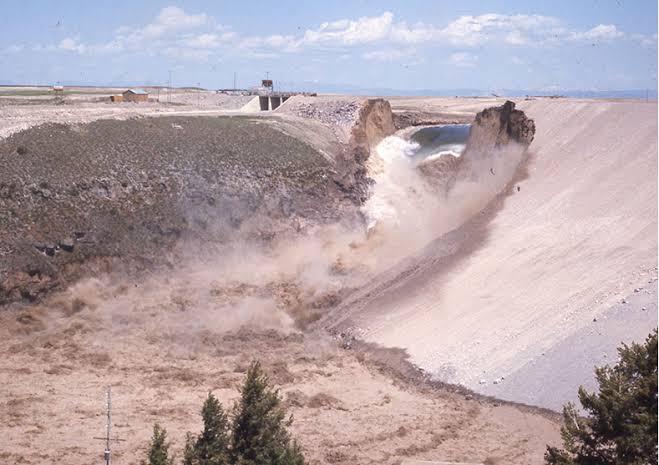
- 11:57 AM: The dam wall suffered a total structural failure. A wall of water, estimated at millions of cubic feet, surged into the canyon below.
The resulting flood claimed 11 lives, caused hundreds of millions of dollars in property damage, and displaced thousands of residents. However, the tragedy also hid a secondary, quieter loss: the inundation of the Teton Canyon, a pristine geologic marvel that had been flooded during the reservoir’s filling. When the dam failed, it destroyed the infrastructure of the dam itself, but it also left the canyon in a state of suspended animation—a landscape that had been deeply wounded, yet left open to the possibility of return.
The Healing of a Landscape: Fifty Years of Recovery
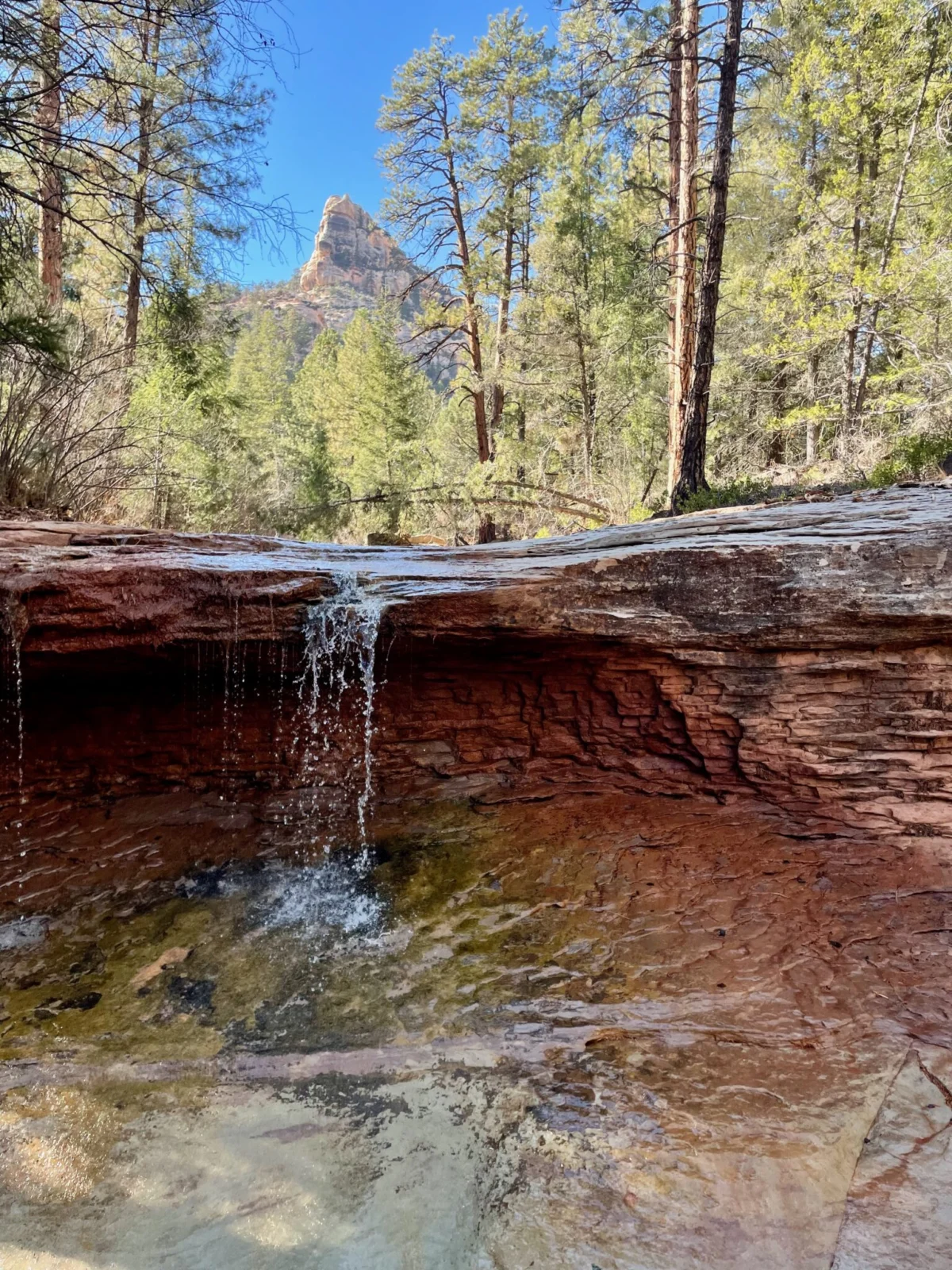
In the five decades since the deluge, the Teton River has undergone a remarkable, largely unassisted, recovery. Nature, given the space to breathe, reclaimed the canyon. Today, the river winds through deep, rugged gorges, carrying cool, clear, snowmelt-fed water that sustains a complex web of life.
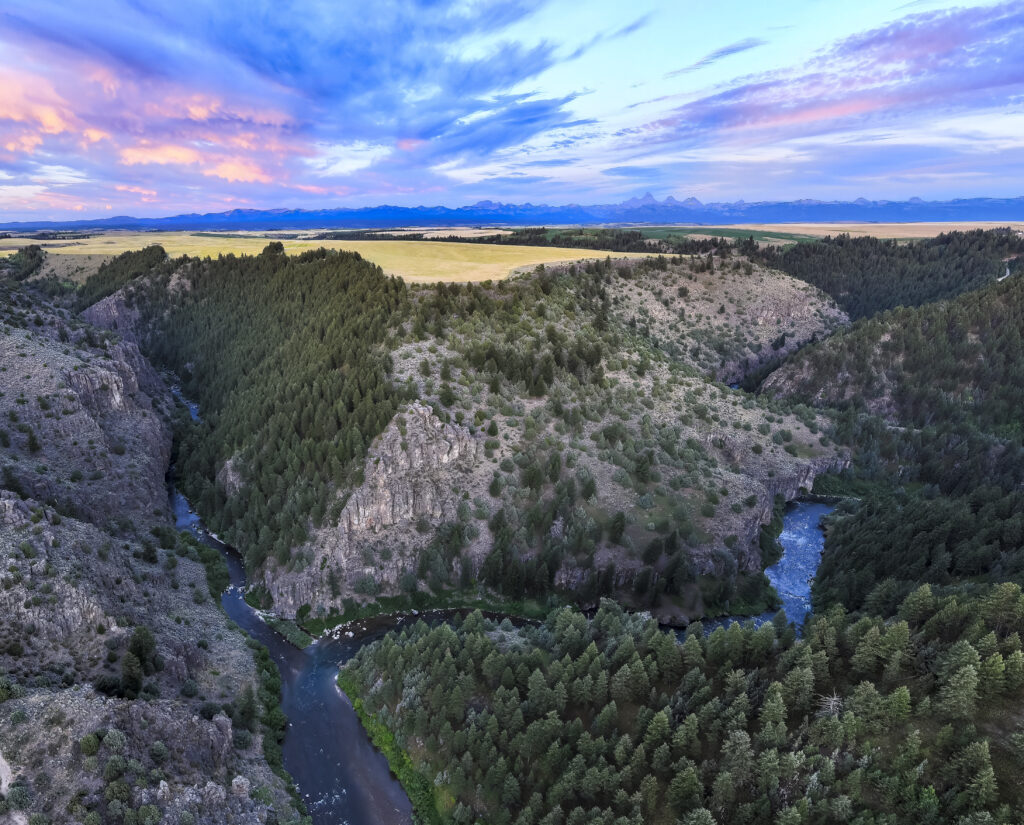
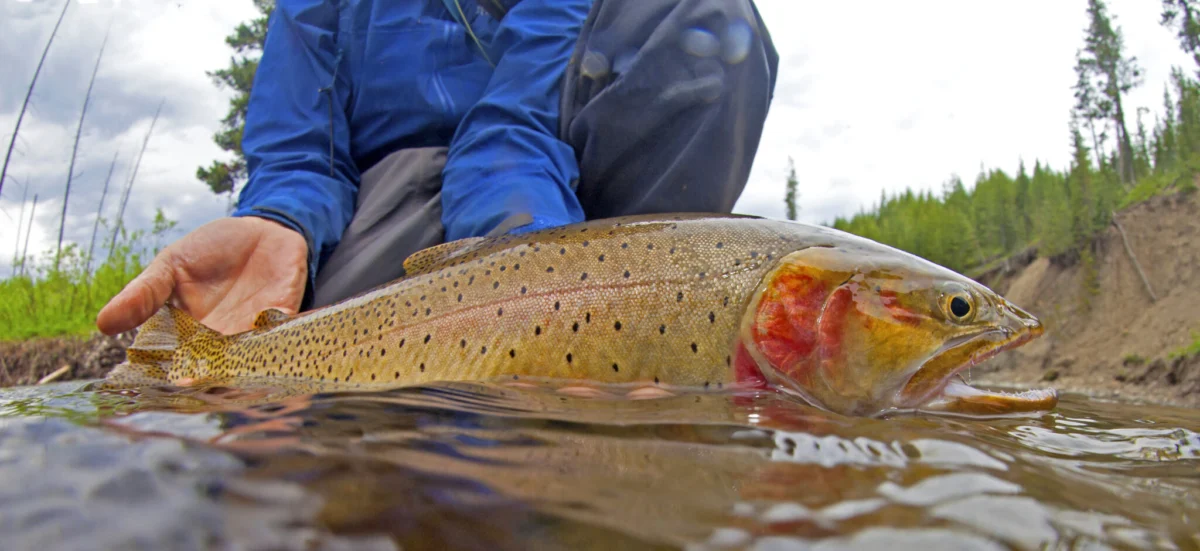
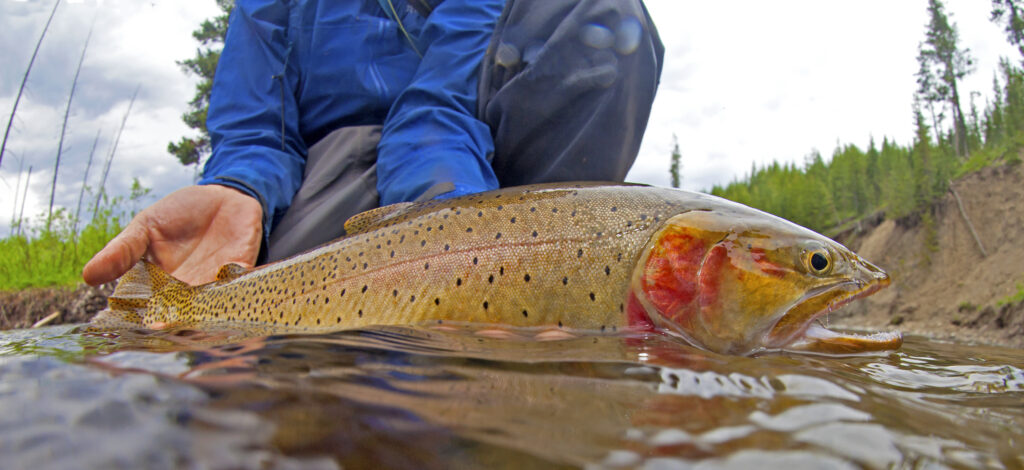
The most prominent beneficiary of this recovery is the Yellowstone cutthroat trout. This species, central to the cultural and angling identity of the Northern Rockies, has found a sanctuary in the Teton. The river’s restoration has created a thermal refuge that is increasingly rare in the warming climate of the American West. Beyond the trout, the canyon has become a corridor for wildlife and a destination for recreationists—anglers, hunters, and families—who view the river as a cornerstone of the regional identity.
Collaborative Conservation: A New Model for the West
The modern story of the Teton is not just about the river; it is about the people who live along it. In the Teton Valley, a new paradigm of water management has emerged. Historically, the Western water ethos was defined by a zero-sum game: farmers versus fish, development versus conservation.
Groups like Friends of the Teton River and the Idaho chapter of Trout Unlimited have worked to dismantle this false binary. By partnering with local agricultural producers, these organizations have implemented innovative water-sharing agreements. These initiatives focus on improving irrigation efficiency, restoring stream banks, and ensuring that during the peak of the irrigation season, there is still enough water left in the river to support the fishery.
This cooperative model recognizes a fundamental truth: irrigation is the lifeblood of the local economy, but the river is the lifeblood of the ecosystem. By investing in infrastructure that allows farmers to use less water while maintaining crop yields, conservationists have effectively "bought" water back for the river without litigation or federal intervention.
Supporting Data: Why the Teton Matters
The ecological significance of the Teton is supported by a growing body of data. The river serves as a critical spawning habitat for Yellowstone cutthroat trout, a species that has seen its range contract significantly due to habitat fragmentation and the introduction of non-native species.
- Biodiversity Index: The Teton Canyon supports a high density of riparian bird species and provides a vital migration corridor for big game.
- Water Quality: Because the river is not impounded, it maintains a natural sediment regime and temperature profile, which is essential for the survival of cold-water species.
- Economic Impact: The recreational economy—driven by fly fishing and outdoor tourism—has become a major economic engine for Teton County, rivaling the traditional agricultural output in certain sectors.
The Spectre of the Past: The Threat of Rebuilding
Despite the successes of the last 50 years, the Teton River remains under threat. Certain downstream interests continue to lobby for the reconstruction of the Teton Dam, arguing that the region needs a more robust water storage system to buffer against future droughts.
From an environmental and fiscal standpoint, this proposal is widely viewed as a step backward. Rebuilding the dam would require flooding the canyon once again, effectively erasing the fifty years of ecological recovery that the region has worked so hard to achieve. It would disrupt the connectivity of the river, severing the path for fish migration and altering the thermal dynamics that make the Teton a unique refuge.
Proponents of the river argue that we no longer live in the engineering era of the 1970s. We now possess the tools to manage water through technological upgrades, water banking, and collaborative conservation—solutions that do not require the destruction of one of the West’s few remaining wild, free-flowing rivers.
Official Perspectives and Expert Analysis
Scott Bosse, Director of American Rivers’ Northern Rockies Region, has been a vocal proponent of the collaborative approach. In the documentary Second Chance, Bosse emphasizes that the Teton is a model for the future of the West.
"What is happening in the Teton River Valley, where conservationists and farmers are coming together with innovative solutions, is a unique culture," says Bosse. "They are meeting each other’s needs without building big dams. They are satisfying agricultural requirements while simultaneously restoring the river. This is the blueprint for the 21st century, and I would like to see it replicated all over the West."
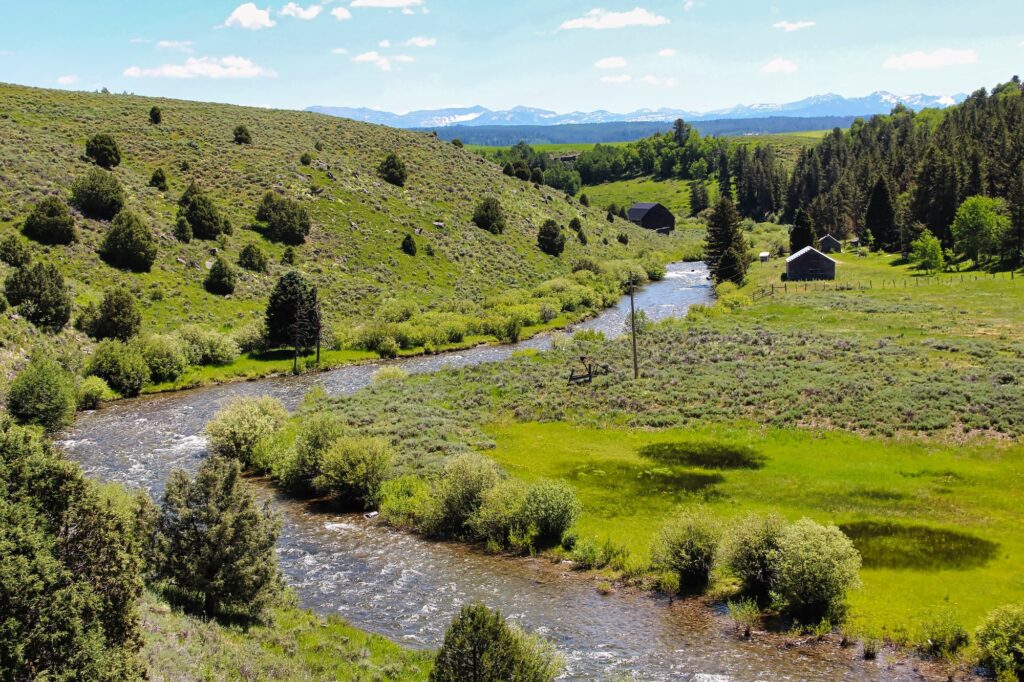
The sentiment is echoed by local landowners who have participated in these collaborative efforts. For many, the "second chance" the river received in 1976 is not a tragedy to be mitigated by a new concrete wall, but an opportunity to demonstrate that humans can exist in harmony with the natural systems they inhabit.
Implications for the Future
The debate over the Teton Dam is a microcosm of the larger struggle for the soul of the American West. As climate change increases the variability of water supplies, the instinct to build more storage will only grow. However, the Teton offers a cautionary tale and an alternative vision.
The implications are clear:
- Ecological Integrity: Free-flowing rivers are more resilient to climate change than impounded systems.
- Social Stability: Community-led conservation fosters trust, whereas top-down infrastructure projects often breed resentment and polarization.
- Legacy: We have a responsibility to preserve the ecosystems that have survived our past mistakes.
As Scott Bosse poignantly notes: "That river almost died in 1976. It’s had a resurrection. You don’t get many second chances in life, and you’ve got to seize them when you do."
The Teton River is a living monument to both human fallibility and natural endurance. To return to the failed ideologies of the past would be to squander the rare gift of that second chance. The path forward lies in the partnerships already forged in the fields and along the banks of the Teton—a path that respects the water, the farmer, and the future.
To learn more about the efforts to protect the Teton River, view the film "Second Chance," and find out how to support ongoing conservation efforts, please visit the Fishcamp Collab for Conservation.