Executive Summary: A Milestone in Firm and Dispatchable Energy
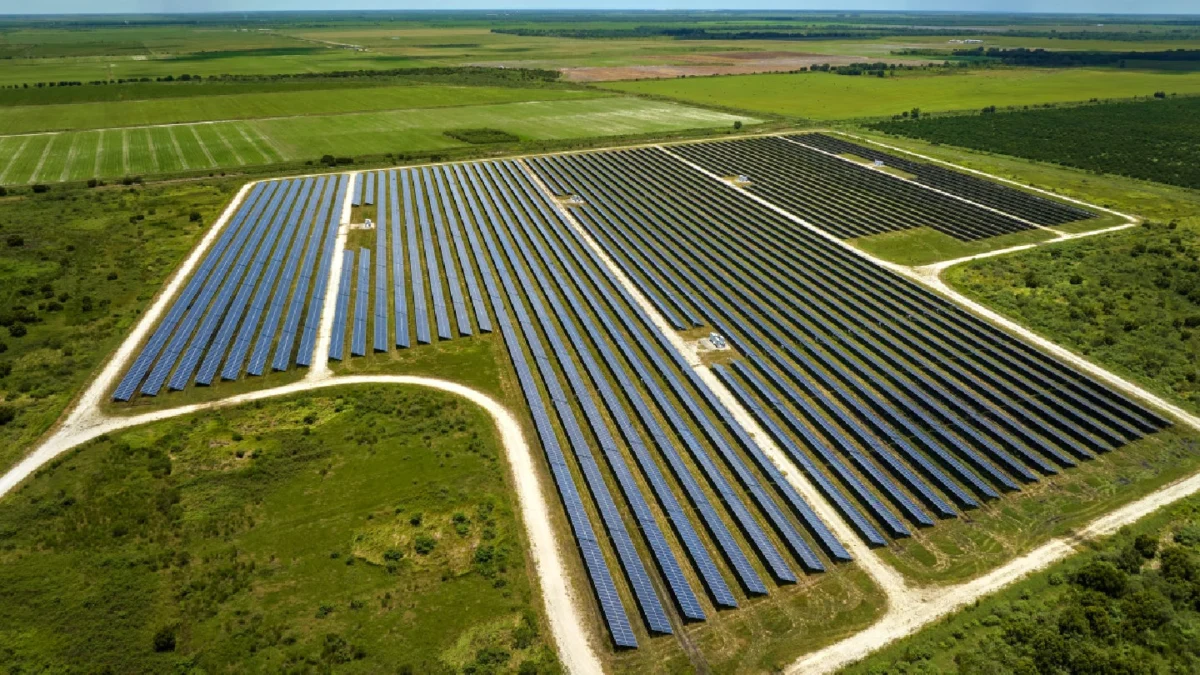
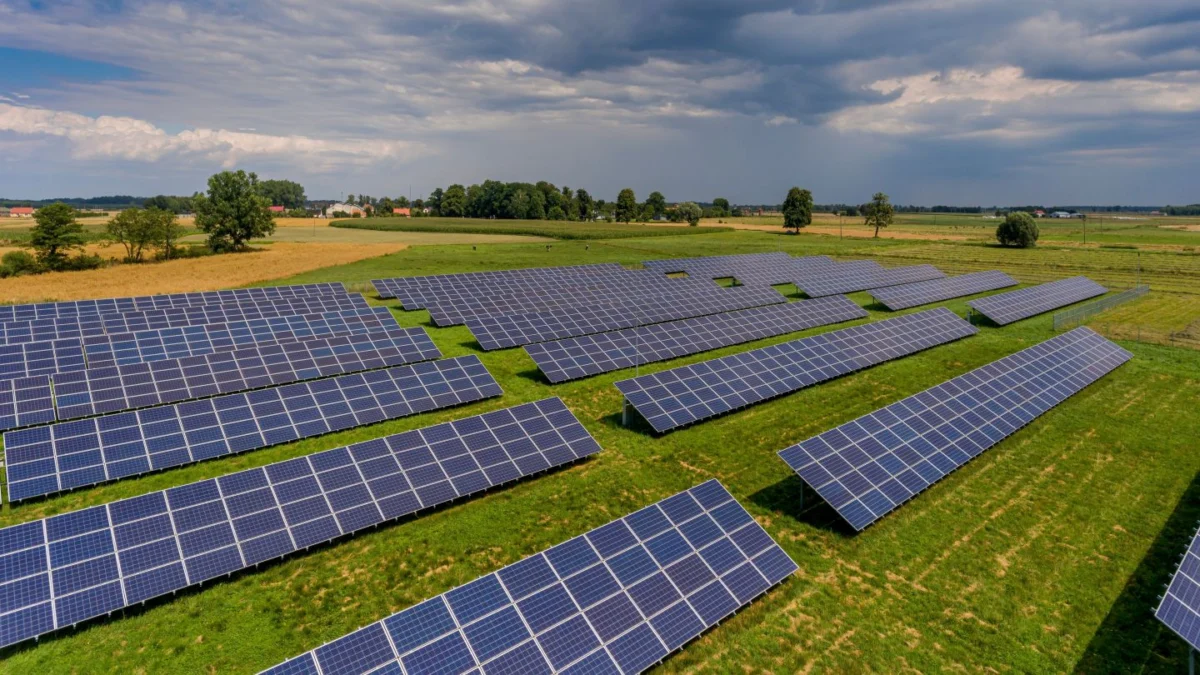
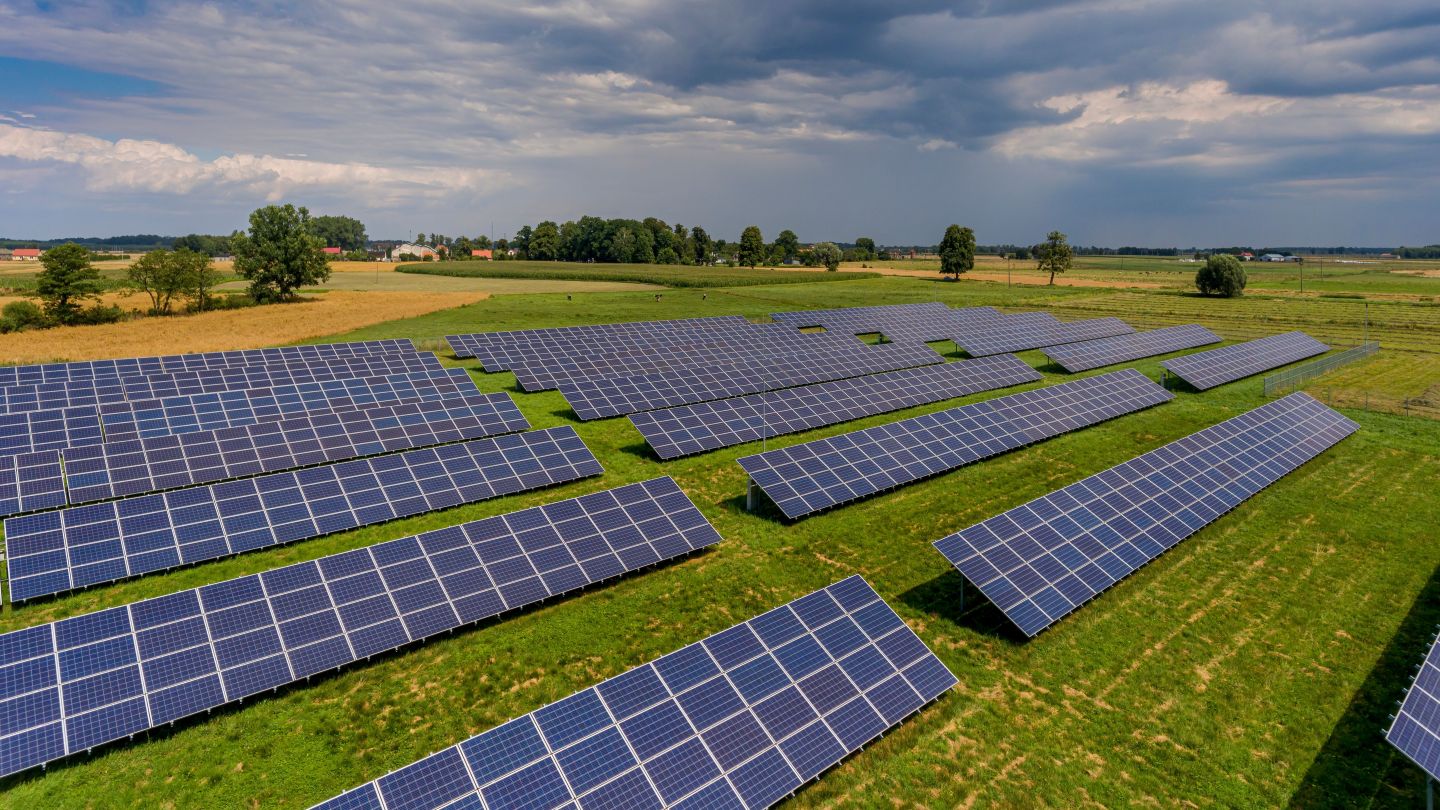
In a significant stride toward India’s ambitious clean energy targets, Tata Power Renewable Energy Limited (TPREL)—a subsidiary of the venerable Tata Power—has successfully commissioned a 190.5MW solar power project in Kalasar, Rajasthan. This facility represents the first tranche of a broader 460MW Firm and Dispatchable Renewable Energy (FDRE) initiative, a pioneering project developed in collaboration with SJVN.
By integrating large-scale solar generation with advanced battery energy storage systems (BESS), the project addresses the historical intermittency challenges associated with renewable energy. This commissioning elevates TPREL’s total renewable utility capacity to a substantial 12.4GW, reinforcing the company’s position as a cornerstone of India’s energy transition. As the nation races toward its goal of 500GW of non-fossil fuel capacity by 2030, the Kalasar site serves as a blueprint for how grid-scale storage can transform variable power into reliable, dispatchable energy.
Chronology of Development: Navigating Adversity
The path to commissioning the Kalasar plant was characterized by technical ambition and complex logistical maneuvering. The project was conceived as part of an FDRE framework, which requires developers to ensure power is available to the grid on-demand, rather than simply when the sun shines or the wind blows.
Overcoming Supply Chain Hurdles
Construction of the 190.5MW facility was not without significant operational friction. The TPREL project management team faced a series of headwinds, most notably global supply chain disruptions that threatened the procurement of essential transmission materials and module mounting structures. These delays, coupled with aggressive, time-sensitive delivery deadlines, necessitated a highly agile approach to project engineering.
Rapid Infrastructure Deployment
Despite these systemic challenges, the construction team demonstrated remarkable speed in site development. Key milestones included:
- The Switchyard: Despite the complexity of high-voltage integration, the site switchyard was completed in a record-breaking three-month timeframe.
- Harmonic Filter Integration: The installation of the Harmonic Filter Bank—a critical component for maintaining power quality—was finalized in just one month.
The successful adherence to these tight schedules reflects a maturation in TPREL’s ability to execute complex renewable projects under volatile market conditions.
Supporting Data and Technical Infrastructure
The Kalasar project is not merely a collection of solar panels; it is a sophisticated energy ecosystem designed for grid stability.
The Role of BESS and Grid Support
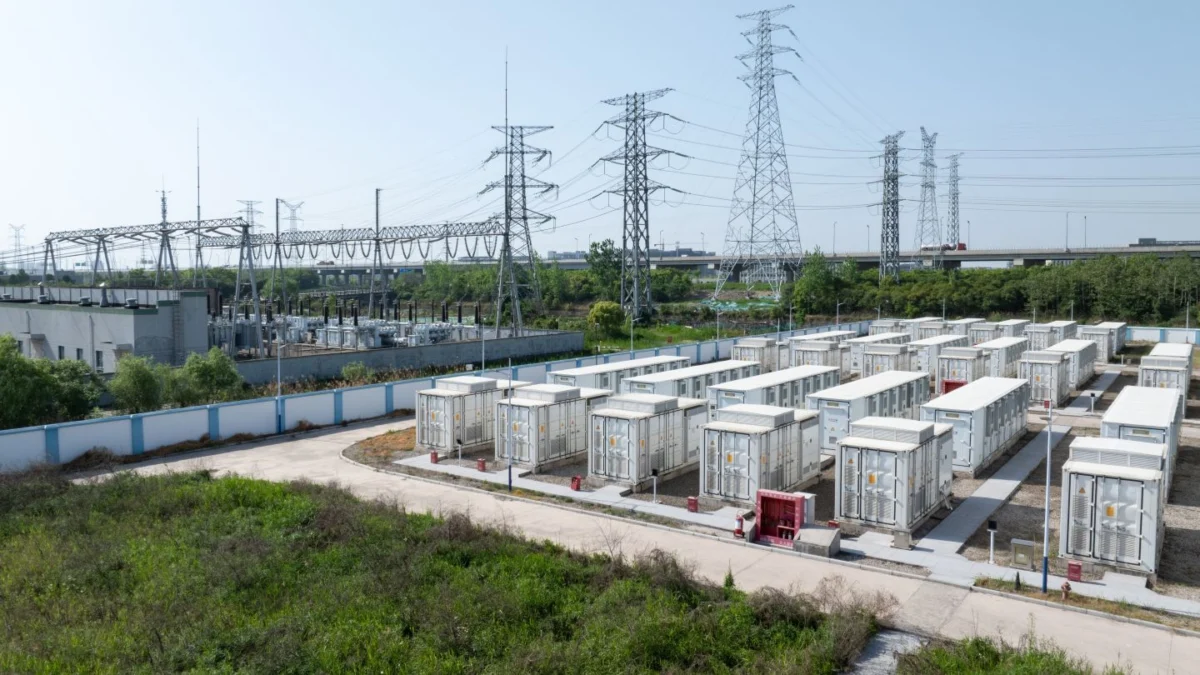
The defining feature of this project is the 115MWh advanced Battery Energy Storage System (BESS). By storing excess solar generation during peak sunlight hours and discharging it during periods of high demand or low generation, the BESS effectively "firms up" the renewable supply.
Beyond storage, the site incorporates cutting-edge power electronics to ensure grid stability:
- Harmonic Filter Banks: Used to mitigate electrical interference and ensure the power fed into the grid meets strict quality standards.
- Static Var Generators (SVG): These are employed to manage reactive power, ensuring voltage stability across the local grid infrastructure, which is essential when integrating large-scale inverter-based resources.
TPREL’s Portfolio Growth
With the commissioning of this plant, TPREL’s capacity profile has reached new heights:
- Total Capacity: 12.4GW of renewable utility assets.
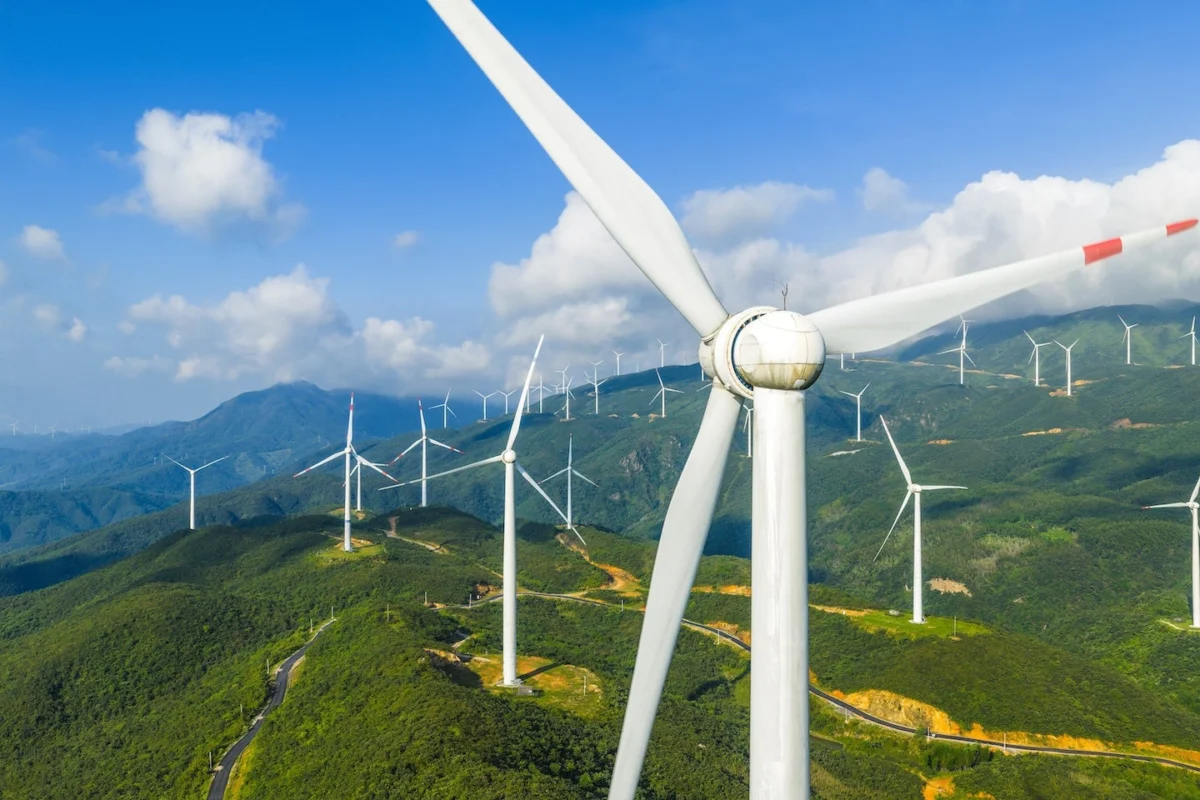
- Operational Capacity: 6.9GW (5.6GW solar; 1.3GW wind).
- Pipeline Capacity: 5.5GW currently under various stages of implementation, projected to come online within the next 24 months.
When factoring in Tata Power’s entire spectrum of operations—including its thermal assets—the company manages a staggering total capacity of more than 26GW, with approximately 17.7GW derived from clean energy sources.
Strategic Implications: Powering the Indian Heartland
The electricity generated at the Kalasar plant is not destined for a single consumer. Instead, it is being funneled into a network of distribution companies (DISCOMs) critical to the economic engine of Northern and Western India.
Beneficiaries of the Power Purchase Agreements (PPAs)
The primary off-takers for the power generated by this project include:
- Haryana Power Purchase Centre: Supporting the industrial and domestic needs of Haryana.
- Maharashtra State Electricity Distribution Company (MSEDCL): Providing renewable energy to one of India’s most industrialized states.
- Noida Power Company: Facilitating the energy requirements of the rapidly growing Noida industrial corridor.
By supplying these entities, Tata Power is effectively displacing carbon-intensive thermal energy with clean, dispatchable power, helping these states meet their renewable purchase obligations (RPOs).
Official Perspective and Vision
The strategic alignment of this project with national policy cannot be overstated. Tata Power operates as a vertically integrated energy giant, and its leadership has consistently framed these investments as a direct contribution to India’s "Panchamrit" goals—the five-point climate agenda set forth by the Indian government.
Commitment to the 2030 Vision
"The commissioning of the Kalasar project is a testament to our commitment to providing sustainable and reliable energy solutions," stated a spokesperson for the company. "By integrating advanced storage with solar, we are ensuring that renewable energy is no longer intermittent, but a stable pillar of the Indian power grid."
The company’s rapid expansion, highlighted by the commencement of an 800MW project in Andhra Pradesh just last month, signals a clear intent to scale its operations aggressively. Tata Power is leveraging its expertise in thermal power, transmission, and distribution to create a balanced, diversified energy portfolio that can withstand the transition away from fossil fuels.
The Future of FDRE in India
The success of the Kalasar project highlights the viability of the Firm and Dispatchable Renewable Energy (FDRE) model in India. For years, the criticism against solar and wind has been their inability to meet baseload demand. The FDRE model, which mandates the use of storage and grid support, is the logical evolution of the renewable energy market.
Challenges Ahead
While the project is a success, it highlights the ongoing need for:
- Supply Chain Resilience: As India seeks to localize its solar component manufacturing, the reduction of dependence on imported modules and storage cells remains a priority.
- Grid Modernization: As more intermittent power is injected into the grid, further investment in smart grids and advanced metering infrastructure will be required.
- Policy Support: The continued success of the FDRE model depends on government support regarding viability gap funding and favorable tariff structures that account for the added cost of storage.
Conclusion
The 190.5MW Kalasar project is more than a solar plant; it is a manifestation of the next generation of renewable energy in India. By combining solar power with a 115MWh battery storage system, Tata Power has demonstrated that the technical hurdles of the energy transition are surmountable. As the company continues to advance its 5.5GW pipeline, it remains a central actor in the narrative of India’s decarbonization. With a total capacity of 26GW and a clear trajectory toward clean energy, Tata Power is ensuring that the lights of India stay on—not just through coal, but through the enduring power of the sun and the intelligence of modern storage systems.
As the nation looks toward its 500GW goal by 2030, the lessons learned in the dusty plains of Rajasthan will undoubtedly serve as the foundation for a cleaner, more resilient, and truly sustainable energy future.