The Canadian Rockies are synonymous with rugged adventure, but for the discerning angler, the true allure lies in the silent, winding ribbons of water that snake through the foothills. Among these, the Blackstone River, located northwest of Nordegg, Alberta, stands as a testament to the wild, untouched beauty of the region. A relatively modest waterway, measuring approximately 20 meters across, the Blackstone serves as a quintessential habitat for cold-water salmonids, specifically the iconic Bull Trout.
Recent expeditions to this river have underscored its reputation not just for its aesthetic splendor, but for a unique ecological quirk: it is one of the few places in Alberta where Bull Trout—typically associated with deep-water streamer tactics—aggressively target dry flies on the surface. This report examines the technical realities, the strategic approach, and the experiential depth of fly fishing in one of Alberta’s most elusive trout streams.
The Morning Catalyst: Awakening in the Foothills
The journey began on a crisp morning, with temperatures hovering near 30 degrees Fahrenheit (approximately -1°C). Camping on a gravel bar near the Forestry Trunk Road, just north of Highway 11, the environment offered a stark reminder of the volatile nature of the Alberta backcountry. Following a late-night arrival and a hurried, shadowy setup, the early morning light revealed the raw landscape of the Blackstone drainage.
In angling culture, the "early start" is often romanticized, yet it remains the most effective tool for success. When dealing with a notoriously slow-rising companion, the tactical use of noise—a loud, intentional morning routine—serves as the primary catalyst for movement. By 6:00 AM, the objective was clear: hit the water before the heat of the day could push the trout into the deeper, less accessible pockets of the river.
Technical Analysis of the Blackstone River
The Blackstone River is a tributary that originates in the front ranges of the Canadian Rockies. It winds through the dense foothills before eventually joining the Brazeau River. Unlike the glacial-fed torrents found in higher altitudes, the Blackstone maintains a manageable flow, making it an ideal "foothill trout stream."
From an ichthyological perspective, the river provides a diverse range of feeding lanes. The water is neither exceptionally fast nor deep, allowing for precise presentation of flies. However, its primary fame, according to legacy guidebooks such as those by Barry Mitchell, is its status as a rare venue for dry-fly Bull Trout fishing. While many anglers believe Bull Trout are exclusively predatory—requiring large, subsurface streamers—the Blackstone population displays a fascinating deviation from this behavior, frequently rising to feed on surface insects.
Gear Selection: The Philosophy of Minimalism
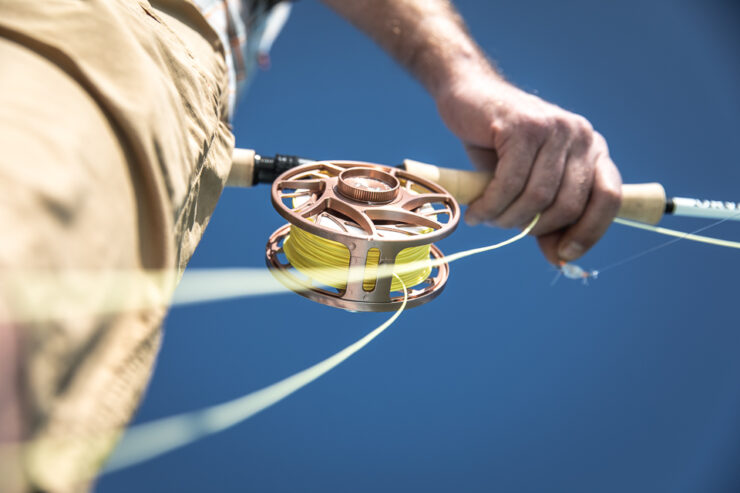
Effective fly fishing is rarely about the price tag of the equipment; it is about the reliability of the system. For this excursion, a standard five-weight, 9-foot setup was employed.
Rod and Reel Specifications
- Primary Rig: Echo Carbon XL 5-weight rod paired with a Redington Crosswater reel. This combination provides sufficient backbone for fighting 20-inch trout while maintaining the sensitivity required for delicate dry-fly presentations.
- Emergency Rig: A Cabela’s store-brand 5-weight rod matched with an vintage Okuma reel. While entry-level, this setup proved adequate for the task, highlighting that skill and local knowledge often outweigh high-end technological advantages.
Fly Selection Strategy
The modern tendency to carry an exhaustive collection of flies often leads to "analysis paralysis." Minimalism was the guiding principle for this trip. The selection was categorized into three primary boxes:
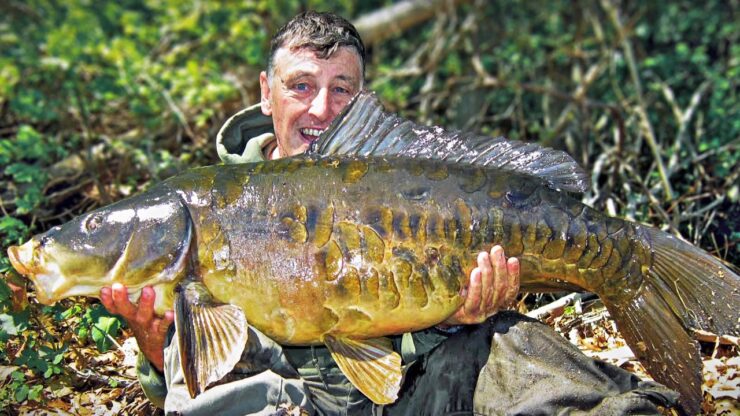
- Standard Dries: Patterns designed to mimic the hatching insects of the Alberta foothills, essential for surface-feeding Cutthroat and Bull Trout.
- Bead-head Nymphs: Utilized for deep-pool prospecting when the surface action remains quiet.
- Big Terrestrials: Essential for aggressive, late-season tactics when larger fish look for high-protein meals floating on the surface.
Chronology of the Expedition
The fishing strategy was simple: move downstream, identify high-potential pools, and adapt to the fish’s feeding behavior.
The Morning Session
For the first hour, success was elusive. The transition from the gravel bars to the river’s edge yielded little activity until a bend in the river revealed a premier pool. The surface was broken by the rhythmic rise of feeding fish.
The initial approach involved "prospecting"—using attractor patterns like the Red Humpy and the Stimulator to gauge the trout’s interest. When these failed to produce a strike, the tactic shifted to matching the hatch with a Pale Morning Dun. The effectiveness of this shift was immediate; a 20-inch Cutthroat was brought to hand shortly thereafter, proving the efficacy of the adaptive strategy.
The Bull Trout Encounter
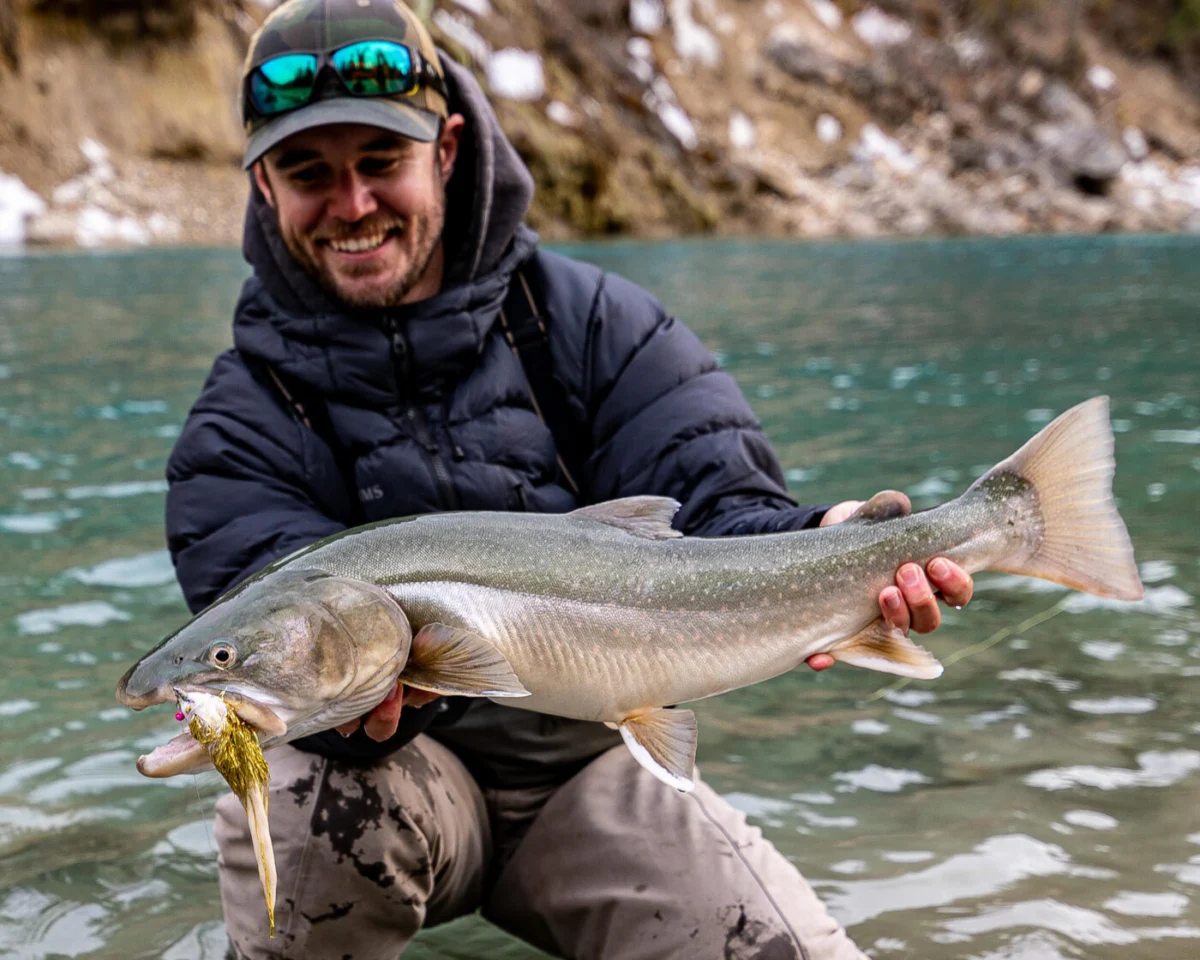
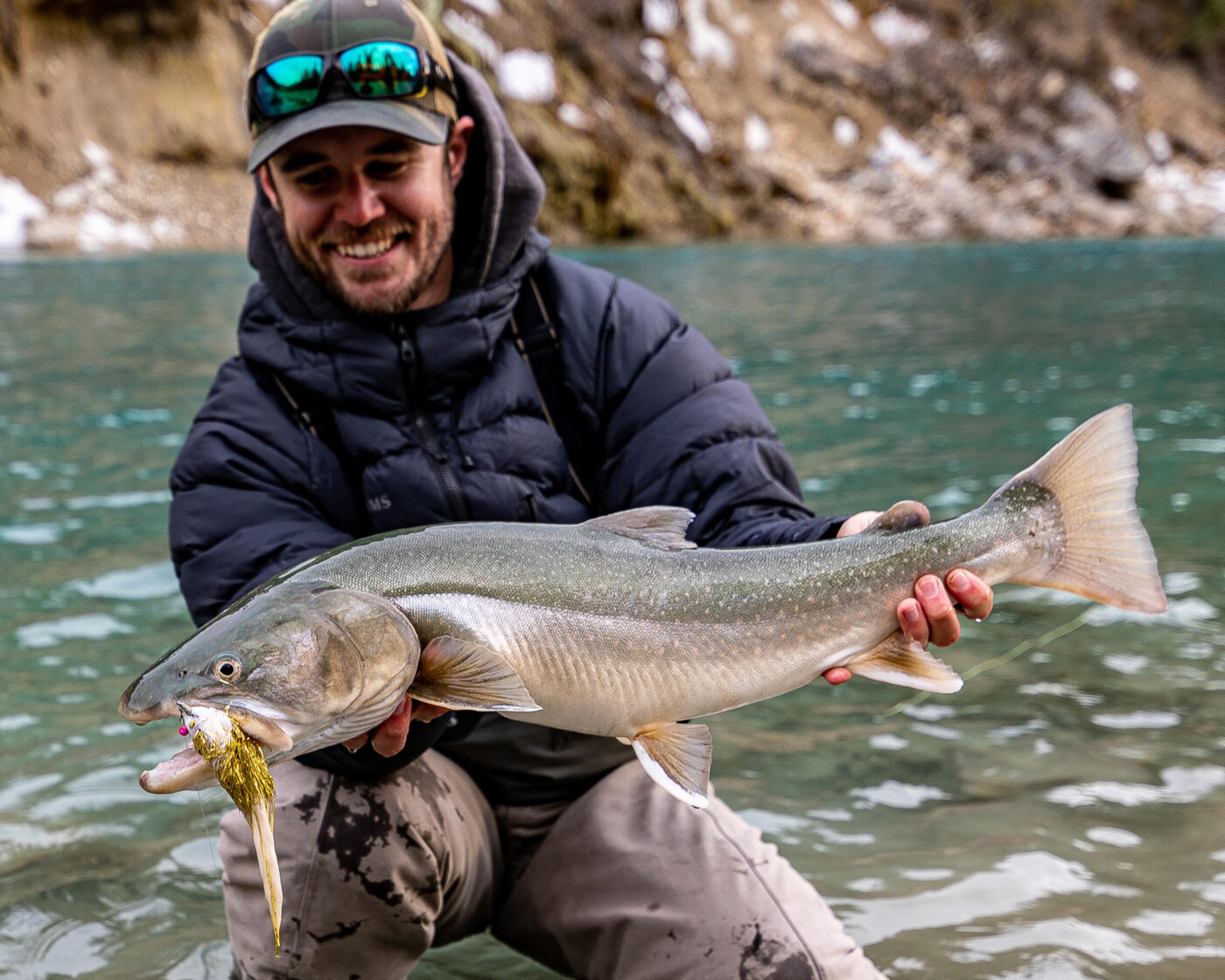
The highlight of the day occurred when the focus shifted to the Bull Trout. Recognizing the species’ predatory nature, the decision was made to swap to a "Fat Albert"—a large, foam-based terrestrial pattern. The theory was that if Bull Trout could be caught on large streamers, they might be susceptible to an "outlandishly large" dry fly that mimics a struggling insect or small creature.
The result was a textbook aggressive take. The fish rose with a violent, predatory strike, indicative of the species’ fierce temperament. The fight was swift, requiring steady pressure to manage the trout in the shallow, rocky environment. With the assistance of a waterproof camera—and despite the oversight of leaving the landing net at the campsite—the catch was successfully documented.
Official Observations and Environmental Implications
The Blackstone River represents a critical piece of Alberta’s angling infrastructure. However, the reliance on outdated guides and the shifting climate of the Rockies necessitate a cautious approach to conservation.
Implications for Anglers:
- Catch and Release: Given the unique nature of the Bull Trout population, strict adherence to catch-and-release protocols is essential to maintain the fishery.
- Preparation: As demonstrated by the missing net, the logistical demands of remote fishing cannot be overstated. A failure to bring essential tools—nets, waterproof cameras, and proper first-aid kits—can turn a successful day into a missed opportunity or, in worse cases, a safety hazard.
- Ecological Awareness: Bull Trout are a sensitive species. Handling them with care and minimizing their time out of the water is a professional responsibility for every angler on the Blackstone.
Conclusion: The Value of the Foothills Experience
The Blackstone River remains one of the most rewarding destinations for those willing to brave the cold mornings and the remote logistics of the Alberta foothills. The experience reinforces a fundamental truth of the sport: the most memorable catches are not found in the gear, but in the observation of the water and the willingness to experiment with unconventional tactics.
As the sun rose higher, warming the river and slowing the hatch, the day concluded with a deeper appreciation for this modest waterway. The Blackstone offers more than just a place to catch fish; it offers a laboratory for the angler to test their patience, their strategy, and their ability to connect with one of the most elusive predators in the Canadian wild. Whether you are chasing the aggressive Bull Trout or the beautiful, stubborn Cutthroat, the Blackstone demands respect, preparation, and, above all, a net.