With outdoor recreation participation reaching historic heights—surpassing 181 million participants in 2024, or nearly 60% of the American population—the allure of the water has never been stronger. As families and solo adventurers flock to lakes, rivers, and coastal waters, a fundamental question persists for every prospective boat owner: Should you invest in a canoe or a kayak? While both vessels offer a gateway to nature, they represent distinct philosophies of travel, storage, and engagement with the water.
According to the latest data from the Outdoor Industry Association, paddlesports alone have captured the interest of over 30 million Americans. As this segment of the industry continues to expand, understanding the nuanced differences between these two craft is essential for ensuring your investment aligns with your lifestyle.
Main Facts: The Anatomy of the Choice
At the most basic level, the difference between a canoe and a kayak is a matter of seating position, paddle type, and hull design.
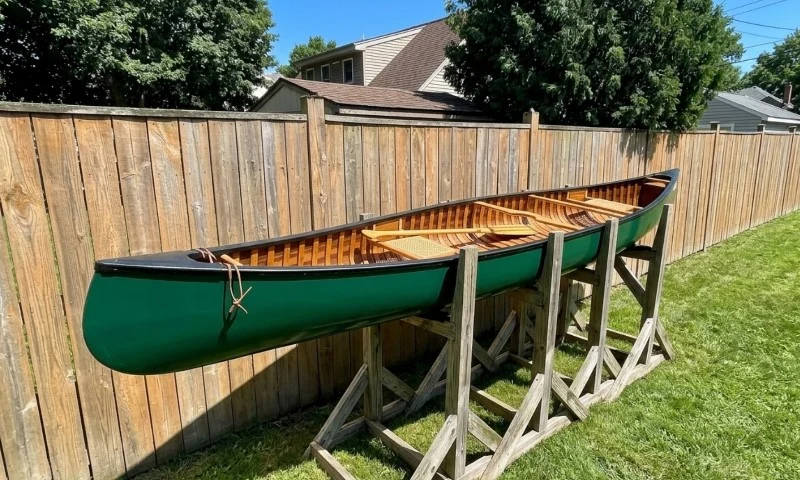
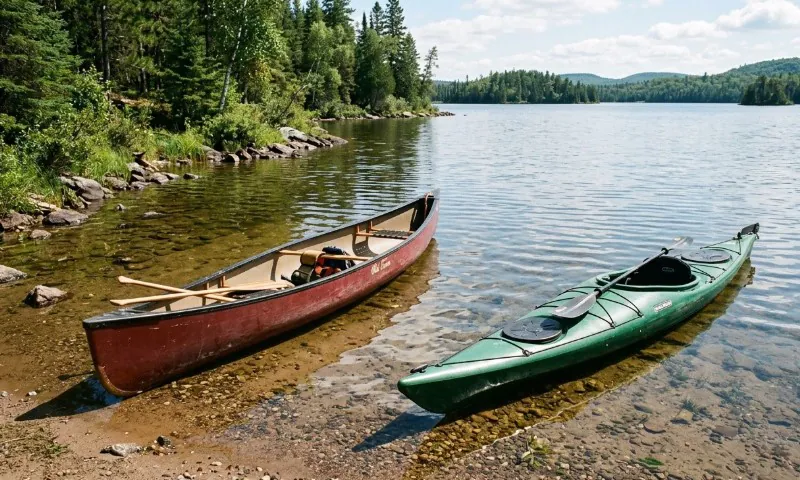
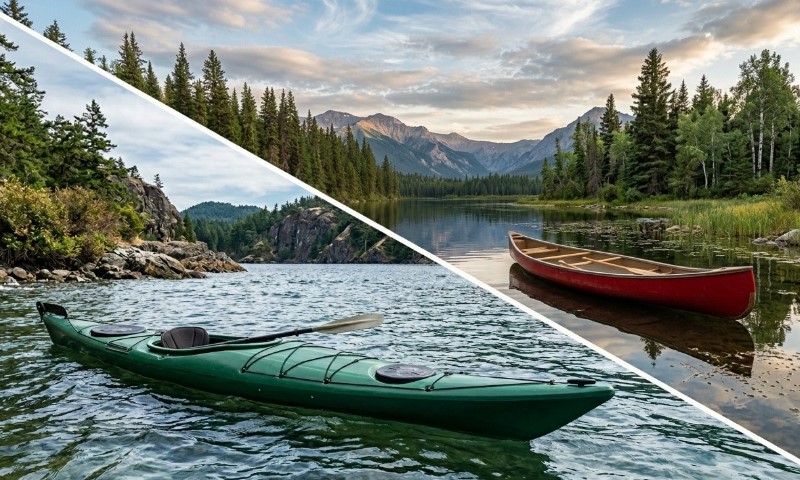
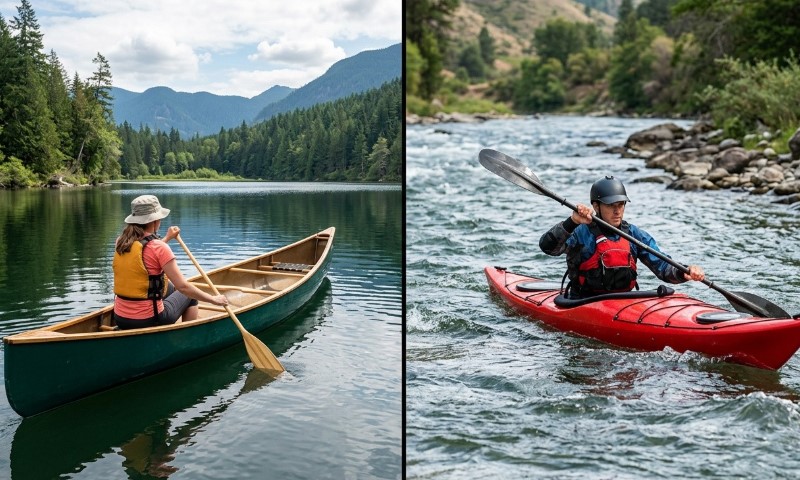
- The Canoe: Often described as the "floating SUV," the canoe is characterized by an open deck design. Passengers typically sit on elevated bench seats or kneel, using a single-bladed paddle to navigate. This design excels in cargo capacity, allowing for the easy transport of coolers, camping gear, fishing equipment, and even pets.
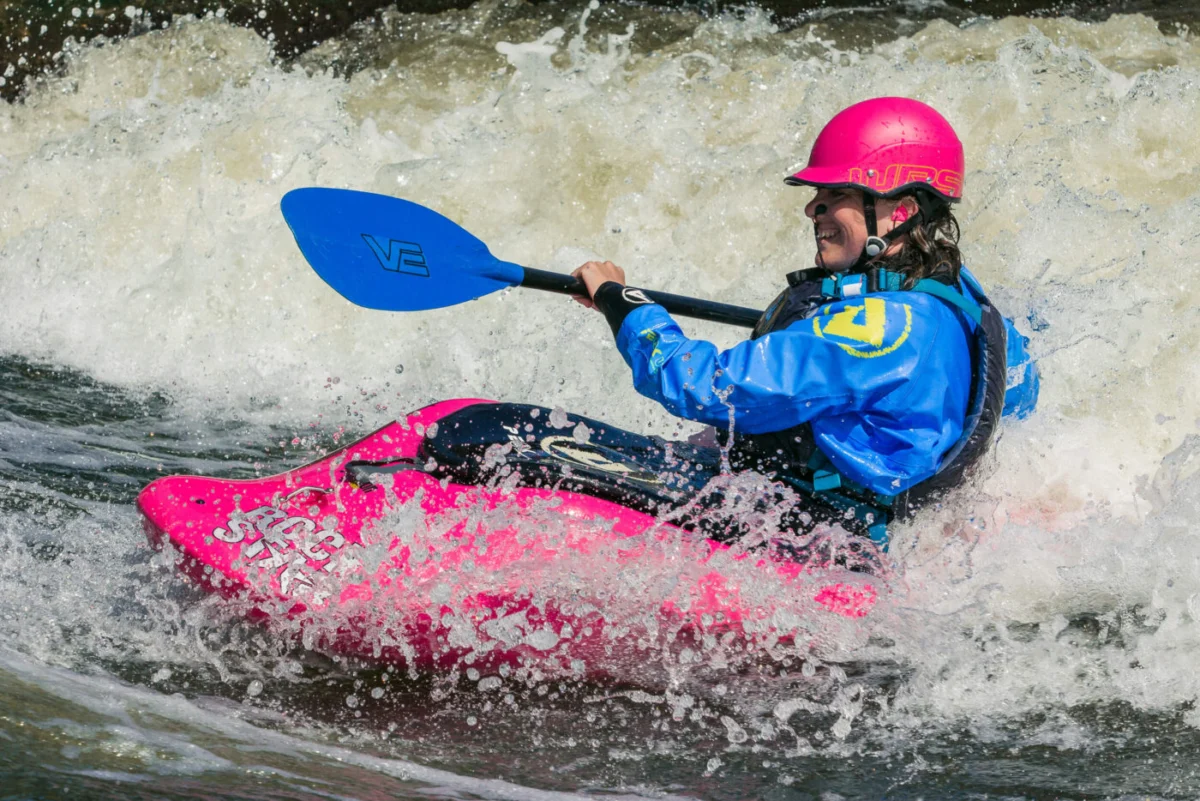
- The Kayak: Viewed as the "sleek sports car" of the water, the kayak places the paddler in a lower, more reclined position. Using a double-bladed paddle, the user maintains a lower center of gravity. This configuration offers superior efficiency and control, making it the preferred choice for those seeking speed, fitness, or the ability to navigate through windy conditions where a high-sided canoe might struggle.
Chronology of Paddling Evolution
The history of these vessels reflects human ingenuity in maritime travel. Canoes, historically crafted from birch bark or hollowed logs by indigenous cultures, were designed for utility and transport across calm inland waterways. Their design prioritized stability and high-volume capacity for trade and long-distance travel.
Kayaks, conversely, trace their origins to the Arctic regions. Developed by Inuit and Aleut hunters, these vessels were built for survival in harsh, frigid, and choppy waters. The traditional "decked" design was a necessity to keep the paddler dry and warm, while the double-bladed paddle allowed for quick, agile maneuvers during hunts.
In the modern era, the distinction has become more fluid. Manufacturers have developed "hybrid" designs, such as open-deck recreational kayaks and high-performance, decked canoes, bridging the gap between traditional forms.
Supporting Data: Why Usage Patterns Matter
The choice between the two is rarely about prestige and almost always about the "mission" of the trip. The following table highlights the real-world consequences of your choice:
| Factor | Canoe | Kayak |
|---|---|---|
| Paddle | Single-bladed | Double-bladed |
| Seating | Bench/Kneeling (Higher) | Low/Recumbent (Lower) |
| Deck | Open | Often enclosed/cockpit |
| Wind Resistance | High (acts like a sail) | Low (hydrodynamic) |
| Gear Capacity | Superior | Moderate to High (Touring models) |
For families, the canoe remains the gold standard. Its open cockpit provides the social interaction required for parents with children or those looking to bring along a canine companion. Conversely, solo paddlers or those seeking to cover significant distance will find the kayak’s ergonomic efficiency far superior.
Official Guidance and Safety Protocols
The surge in popularity has not gone unnoticed by safety agencies. According to the U.S. Coast Guard’s 2024 Recreational Boating Statistics, a significant number of incidents involved paddlers who failed to wear life jackets.
The National Park Service (NPS) stresses that the "when in doubt, wear it" philosophy is the most effective life-saving measure. A life jacket stored under a seat is useless in a sudden capsize event. Furthermore, cold water shock is a leading cause of fatalities, even in relatively warm climates during spring or autumn. Experts advise dressing for the water temperature rather than the ambient air temperature.
Legal and Safety Requirements
- Life Jackets: Federal law requires a wearable, USCG-approved Personal Flotation Device (PFD) for every person on board.
- Visibility: If paddling at night or in low-visibility conditions, you are required to carry a white light to alert other boaters.
- Alcohol: Boating Under the Influence (BUI) laws apply to non-motorized vessels in most jurisdictions. Operating a canoe or kayak while intoxicated can result in significant fines and safety hazards.
Implications: The "Logistics" of Ownership
Perhaps the most overlooked factor in the decision-making process is the "launch day" reality. Many prospective buyers focus on the experience on the water but neglect the logistical challenges of transport and storage.
The Storage and Transport Checklist
- Vehicle Capacity: Can your current vehicle accommodate a roof rack system for a 16-foot canoe, or do you require a folding/inflatable kayak?
- Home Storage: Do you have the garage, shed, or wall space for a rigid hull?
- Physical Capacity: Can you comfortably lift the vessel to your vehicle’s roof rack alone?
- Local Geography: Are you planning to paddle in calm, protected lakes, or are you looking at windy, open reservoirs?
- Frequency of Use: If you are only going out once a year, renting is often more cost-effective and less of a storage burden than ownership.
For those living in apartments or urban settings, the rise of modular and inflatable kayaks has changed the landscape, offering a high-performance experience without the need for a dedicated trailer or roof rack.
Expert Insight: Fishing and Camping Applications
The divergence between these two crafts becomes most pronounced when looking at specialized activities like fishing and backcountry camping.
For the Angler:
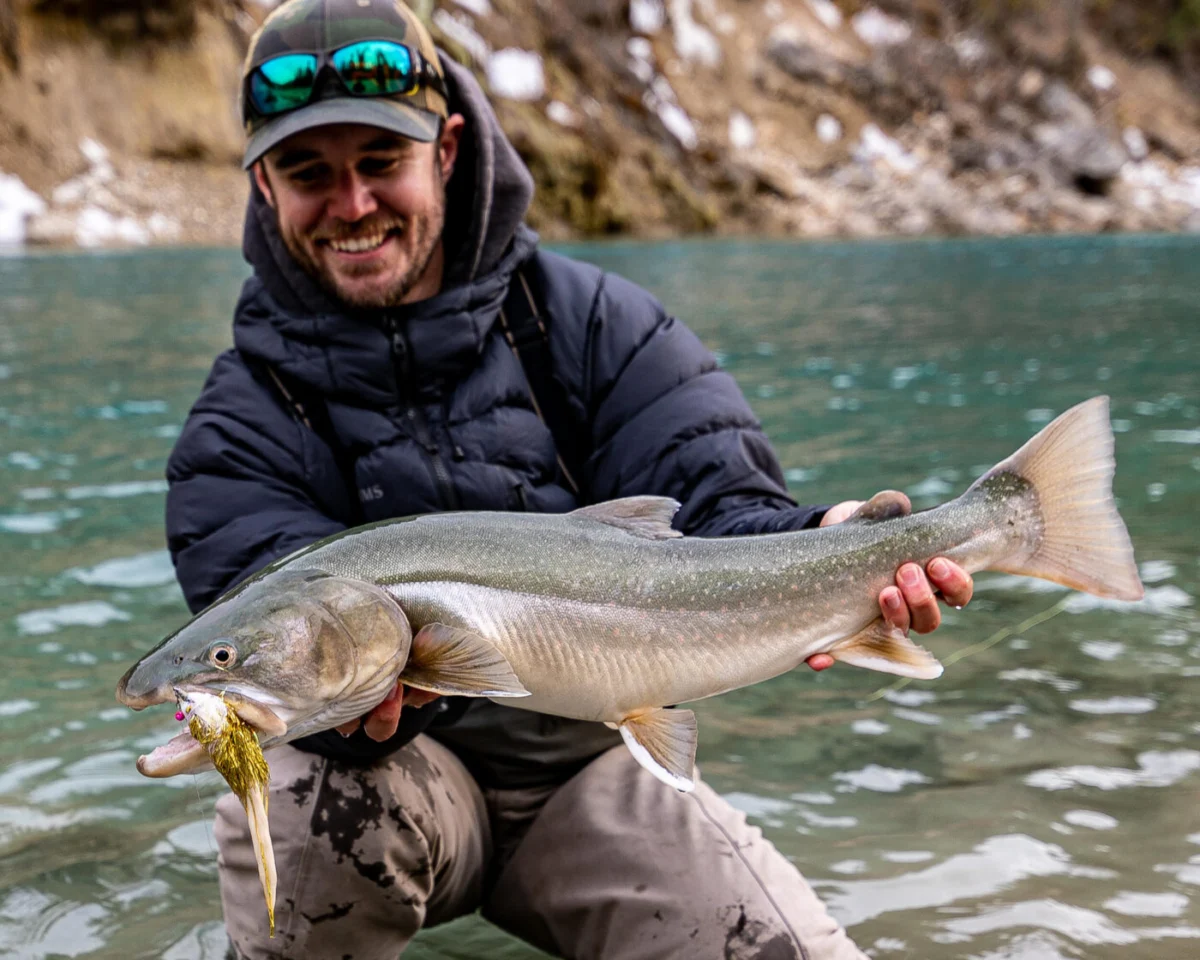
Fishing kayaks have evolved into sophisticated floating workstations. Many come equipped with pedal drives, sonar mounts, and rod holders, allowing the angler to remain hands-free. However, the canoe remains superior for the "fly-in" style of camping or fishing where bulky gear—such as large coolers and camp furniture—is required. The canoe’s weight capacity is its greatest asset here, as it can be loaded with several days’ worth of supplies without sacrificing significant performance.
For the Camper:
If your trip involves "portaging" (carrying the boat over land between waterways), a lightweight canoe is the clear winner. Its shape allows it to be easily flipped and carried on one’s shoulders. Conversely, a touring kayak, while faster on the water, can be cumbersome to portage due to its length and the difficulty of balancing the weight on a single person.
The Verdict: How to Choose
The "perfect" boat is a myth; there is only the right boat for your specific lifestyle.
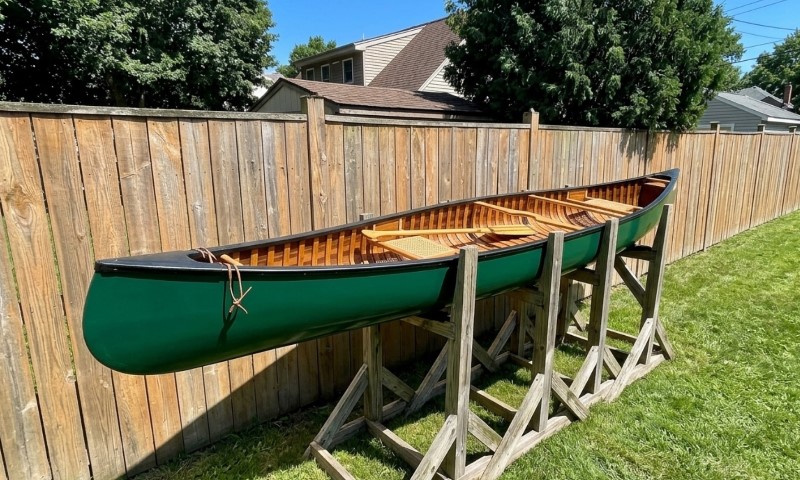
- Choose a Canoe if: You value social interaction, prioritize gear capacity, enjoy bringing family or pets, or plan on multi-day camping trips that require heavy, bulky equipment.
- Choose a Kayak if: You enjoy solo excursions, seek a high-efficiency workout, plan to paddle in windy conditions, or have limited storage space and need to transport the vessel solo.
Before finalizing a purchase, industry experts recommend the "Rent-Before-You-Buy" rule. Visit a local outfitter or a club that offers demo days. Testing a boat in the specific conditions you intend to frequent—whether it’s a calm morning on a lake or a breezy afternoon on a river—will reveal more about your preference than any spec sheet.
Ultimately, the best boat is the one that is easy enough to load and launch that you actually use it. A high-end, top-of-the-line kayak that remains in your garage because it is too heavy to move is significantly less valuable than a simple, lightweight boat that gets you on the water every weekend.
As you prepare for the upcoming season, keep your priorities clear: prioritize safety, consider the realities of your storage space, and, most importantly, choose the vessel that facilitates the kind of experiences you truly intend to have. Whether you choose the steady, spacious platform of a canoe or the sleek, efficient agility of a kayak, the water is waiting.