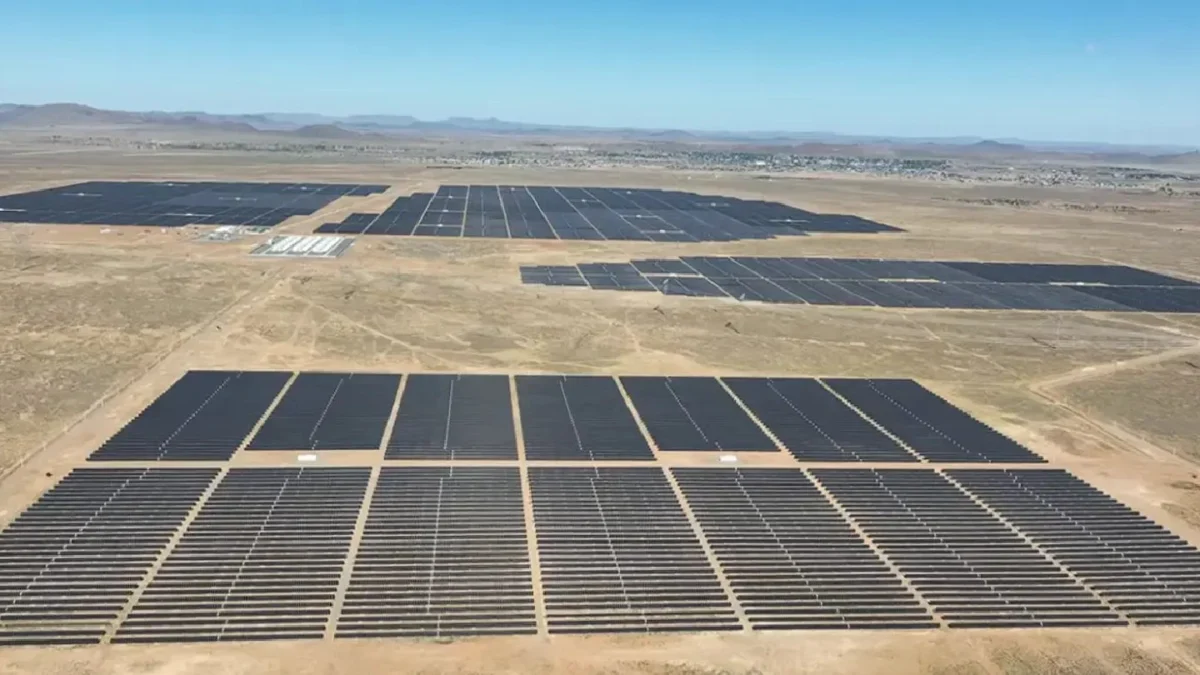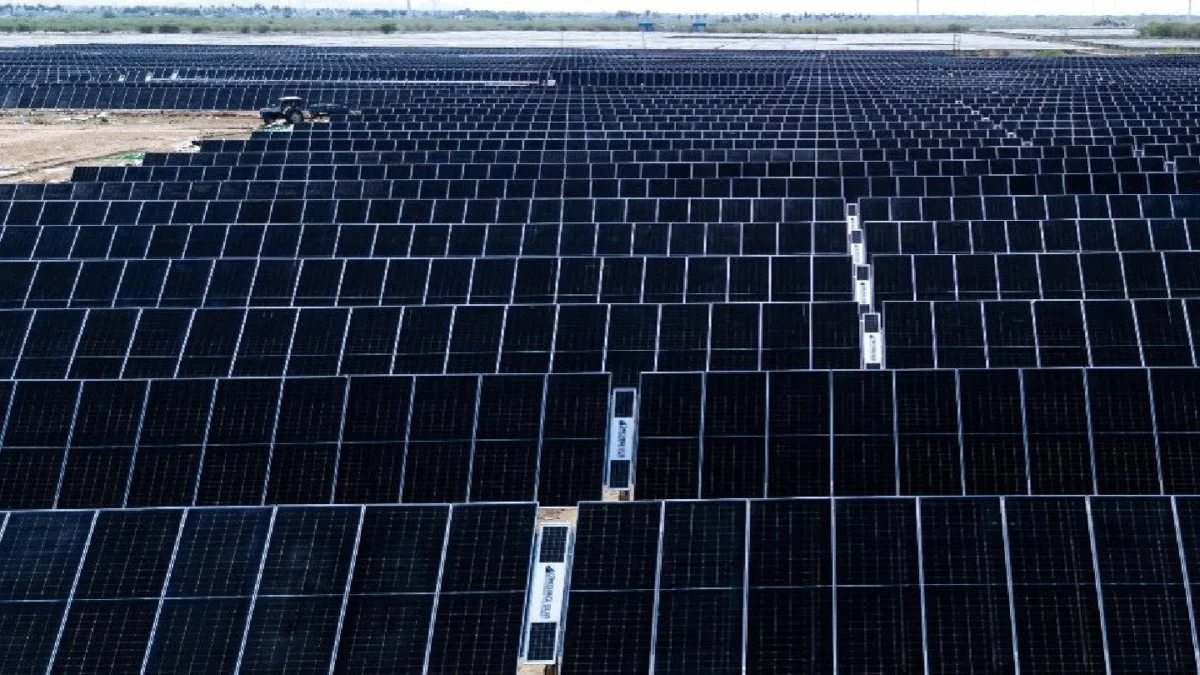
In a significant stride toward India’s ambitious transition to renewable energy, Tata Power Renewable Energy Limited (TPREL)—a subsidiary of Tata Power—has officially commissioned its 100MW Group Captive Solar Project in Kayathar, Tamil Nadu. This development not only underscores the conglomerate’s commitment to sustainable infrastructure but also pushes its total operational renewable energy capacity past the 7GW threshold. As the nation races toward its target of 500GW of non-fossil fuel capacity by 2030, the Kayathar project stands as a testament to technical innovation and industrial synergy within the Tata ecosystem.
Main Facts: Engineering Efficiency at Scale
The Kayathar project, sprawling across the Vellalankottai and Nalandhula villages of Tamil Nadu, represents a sophisticated approach to utility-scale solar generation. Designed to provide a dedicated stream of clean energy to various Tata group companies, the plant is expected to generate approximately 240.63 million units of electricity annually.
The environmental impact of this facility is substantial. By replacing fossil-fuel-reliant grid power with renewable energy, the project is projected to offset roughly 150,000 tonnes of carbon dioxide (CO2) emissions each year. This is a critical contribution to the decarbonization efforts of the industrial units it supports.
Key Technical Specifications
The project’s efficiency is driven by high-performance technology:
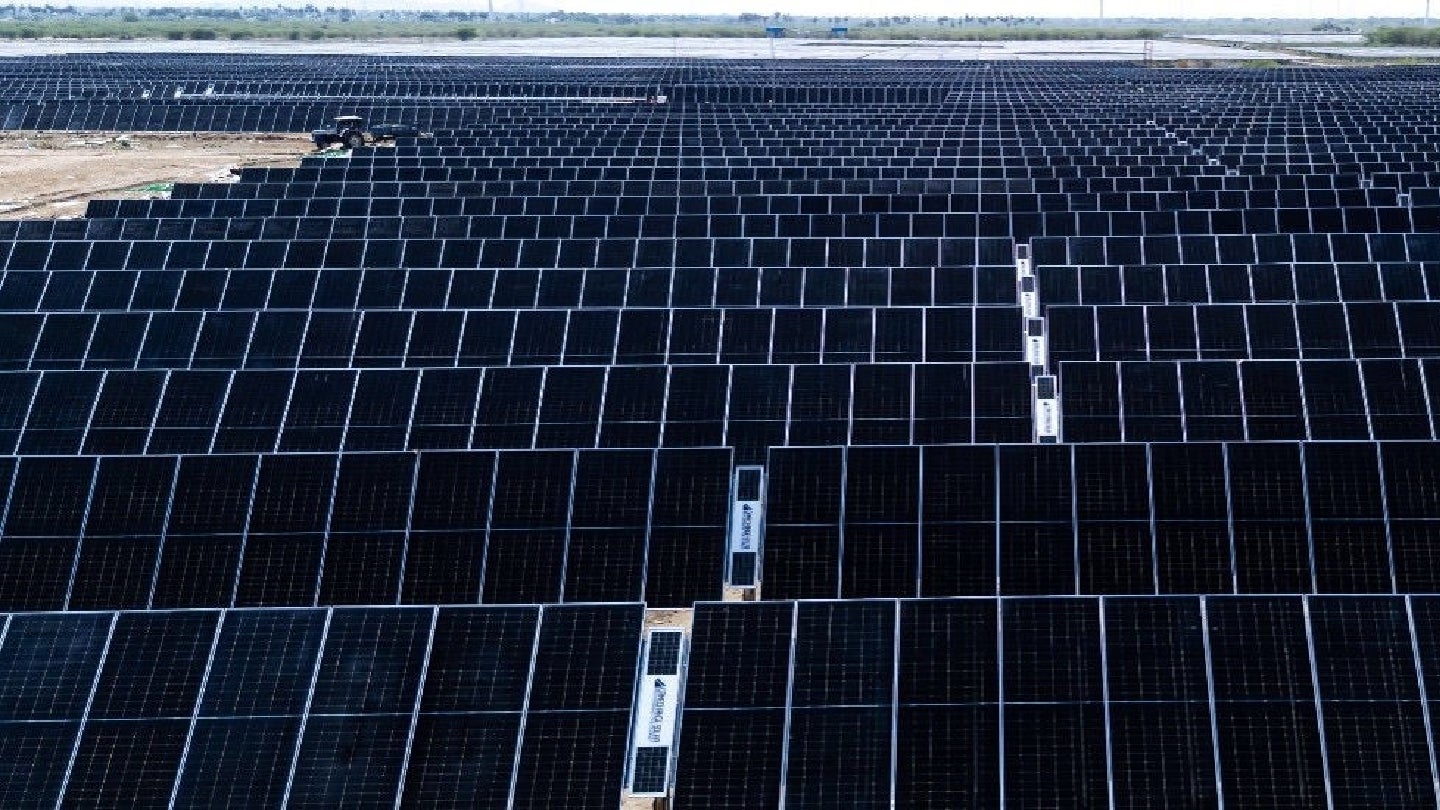
- Module Technology: The plant utilizes 261,660 Mono PERC bifacial solar modules. Bifacial technology allows for the capture of sunlight on both sides of the panel, significantly increasing energy yield in high-albedo environments.
- Tracking Innovation: Notably, the Kayathar plant is the company’s first deployment of "Flexible Terrain Compatible Single Axis Tracker" technology in India. This allows the solar arrays to pivot throughout the day to follow the sun, even on uneven or complex landscapes, maximizing irradiance capture.
- Grid Integration: The generated power is seamlessly integrated into the national grid via the Kayathar 400kV Grid Substation, ensuring reliable transmission to the intended industrial beneficiaries.
Chronology: The Path to 7GW and Beyond
The commissioning of the Kayathar plant is the latest milestone in a long-term strategic roadmap for Tata Power.
- Early Foundations: Tata Power began its journey into renewables by establishing foundational wind and solar assets, steadily diversifying its energy mix away from traditional coal-based power.
- Aggressive Scaling: Over the past three years, the company has accelerated its capacity additions. By consistently commissioning large-scale solar and wind farms, TPREL has successfully maintained a robust growth trajectory.
- Recent Momentum: The Kayathar project follows closely on the heels of another significant achievement: the commission of a 190.5MW solar project in Kalasar, Rajasthan, last month. That project was developed under the first tranche of the SJVN Firm and Dispatchable Renewable Energy (FDRE) initiative, part of a larger 460MW development.
- The Milestone: With the addition of the 100MW Kayathar capacity, TPREL has surpassed the 7GW operational milestone, solidifying its position as a dominant player in India’s renewable energy sector.
Supporting Data: The Portfolio Breakdown
To understand the scale of Tata Power’s influence on the energy market, one must look at the composition of its portfolio. The company currently manages a massive utility portfolio of 12.3GW. This is split between operational assets and a substantial development pipeline.
Operational Capacity (Total: 7GW+)
- Solar Assets: Over 5.7GW of installed solar capacity.
- Wind Assets: Approximately 1.3GW of installed wind capacity.
Future Pipeline (Total: 5.3GW)
The company’s growth is far from plateauing. TPREL has an active pipeline of 5.3GW under various stages of construction and development. This pipeline is highly diversified to ensure energy stability:
- Wind Projects: 3.1GW in development.
- Solar Projects: 2.2GW in development.
These projects are scheduled for phased commissioning over the next six to 24 months, which will significantly bolster the company’s ability to meet the growing industrial demand for green power.
Industrial Synergy: The "Group Captive" Model
A distinctive feature of the Kayathar project is the "Group Captive" model. In this arrangement, the electricity generated is directly supplied to specific entities within the Tata group, effectively insulating these companies from volatile market prices and high carbon footprints.
The energy distribution for this specific project is as follows:
- TP Solar: 40.63MW
- Tata Electronics: 53.13MW
- Tata Realty and Infrastructure: 6.25MW
By internalizing the energy supply, these entities are able to lower their Scope 2 emissions—a vital step for companies seeking to meet rigorous environmental, social, and governance (ESG) reporting standards. This model serves as a blueprint for other large industrial conglomerates in India, proving that internal energy independence is both economically and environmentally sound.
Official Perspective and Strategic Implications
The Role of Technology in Renewable Expansion
The decision to implement Flexible Terrain Compatible Single Axis Trackers highlights TPREL’s commitment to engineering excellence. In India, land availability is often constrained by geography and terrain profile. By deploying trackers that can function on non-uniform land, Tata Power has effectively expanded the "addressable" territory for large-scale solar projects. This innovation lowers the cost of site preparation and civil engineering, making future projects more economically viable.
Alignment with National Objectives
India’s energy transition is a complex balancing act between rapid economic growth and environmental stewardship. The government has set an ambitious target of 500GW of non-fossil fuel capacity by 2030. Projects like Kayathar are the building blocks of this transition.
By scaling up both solar and wind, and integrating them with smart-grid technologies, Tata Power is helping to mitigate the intermittency issues typically associated with renewable energy. The use of bifacial modules ensures that even during periods of low light or variable weather, the plant maintains a high capacity utilization factor.
Economic and Environmental Impact
The environmental offset of 150,000 tonnes of CO2 annually is equivalent to taking thousands of passenger vehicles off the road or planting hundreds of thousands of trees. Beyond the carbon metrics, the project contributes to the local economy in Tamil Nadu through job creation during the construction phase and ongoing operational support roles.
Furthermore, the stability provided by the group captive model allows Tata Electronics and Tata Realty to project their long-term energy costs with greater accuracy. In an era of global energy uncertainty, this price stability is a competitive advantage that enables these firms to focus on their core manufacturing and infrastructure activities without the risk of energy-driven inflationary pressure.
Looking Ahead: The Next 24 Months
As Tata Power moves forward, the focus will shift toward the execution of its 5.3GW pipeline. The shift toward hybrid projects—combining wind and solar to provide more "firm" and "dispatchable" power—is expected to be a primary theme.
The successful integration of the Kayathar plant into the 400kV substation suggests that the company is well-equipped to handle larger, more complex grid connections. As the firm continues to navigate the regulatory landscape, its ability to deliver projects on time and within budget remains a key differentiator.
In conclusion, the 100MW Kayathar project is more than just a power plant; it is a manifestation of industrial foresight. By leveraging cutting-edge technology and a group-captive delivery model, Tata Power Renewable Energy is effectively bridging the gap between current industrial energy needs and the net-zero future that India is striving to achieve. With a portfolio now exceeding 7GW, the company remains at the vanguard of the global energy transition, proving that sustainability and scale are not just compatible, but mutually reinforcing.