The global mining sector stands at a precarious, high-growth crossroads. As the world accelerates its transition toward electrification and renewable energy, the demand for critical minerals—lithium, copper, nickel, and cobalt—is skyrocketing. Simultaneously, the industry is grappling with an existential mandate: to drastically reduce its carbon footprint while scaling production to meet an estimated $2.8 trillion market valuation by 2030.
To address this friction between output and environmental responsibility, GlobalData is hosting a landmark webinar, Mining More with Less: Navigating the Demand vs Emissions Challenge. Featuring expert analysis from ExxonMobil, the session aims to bridge the gap between abstract climate targets and the gritty, on-the-ground reality of operational decarbonization.
The Growth Trajectory: A $2.8 Trillion Market
According to the Mining Market Report 2026, the industry is currently in a state of robust expansion. The market, valued at $2.1 trillion in 2025, is projected to climb to $2.8 trillion by 2030, representing a compound annual growth rate (CAGR) of 6.3%.
This growth is not merely a result of price volatility; it is a fundamental shift in the global supply chain. The energy transition requires vast quantities of raw materials that only the mining sector can provide. However, this surge in production volume creates a "decarbonization paradox": as miners dig deeper and process more ore to meet demand, their energy intensity often rises, making it increasingly difficult to meet Scope 1 and Scope 2 emission targets.
Chronology of a Sector in Transition
The mining industry’s relationship with sustainability has evolved through three distinct phases:
- Phase 1: Compliance and Mitigation (2010–2018): Mining companies focused primarily on local environmental impacts—water management, land reclamation, and waste disposal. Carbon emissions were secondary, viewed through the lens of regulatory compliance rather than operational strategy.
- Phase 2: The ESG Mandate (2019–2024): With the rise of ESG (Environmental, Social, and Governance) investing, miners faced mounting pressure from shareholders and financiers to disclose climate risks. Net-zero pledges became the industry standard, yet many lacked clear technological roadmaps.
- Phase 3: The Productivity-Decarbonization Synergy (2025–Present): Today, the industry has entered a phase where decarbonization is being rebranded as an operational efficiency tool. By optimizing fuel usage, electrifying fleets, and automating logistics, miners are finding that reducing emissions often correlates with reducing long-term operational costs.
Supporting Data: The Scope 1 and 2 Imperative
The pressure to cut emissions is no longer theoretical; it is a primary board-level priority. Research commissioned by ExxonMobil and conducted by Frost & Sullivan in the first quarter of 2025 provides a stark look at the industry’s current commitment levels.
The study, which surveyed 91 mining operators, revealed that approximately 90% of miners have formally targeted a minimum of a 30% reduction in Scope 1 and 2 emissions by 2030.
These emissions are the "low-hanging fruit" of the industry:
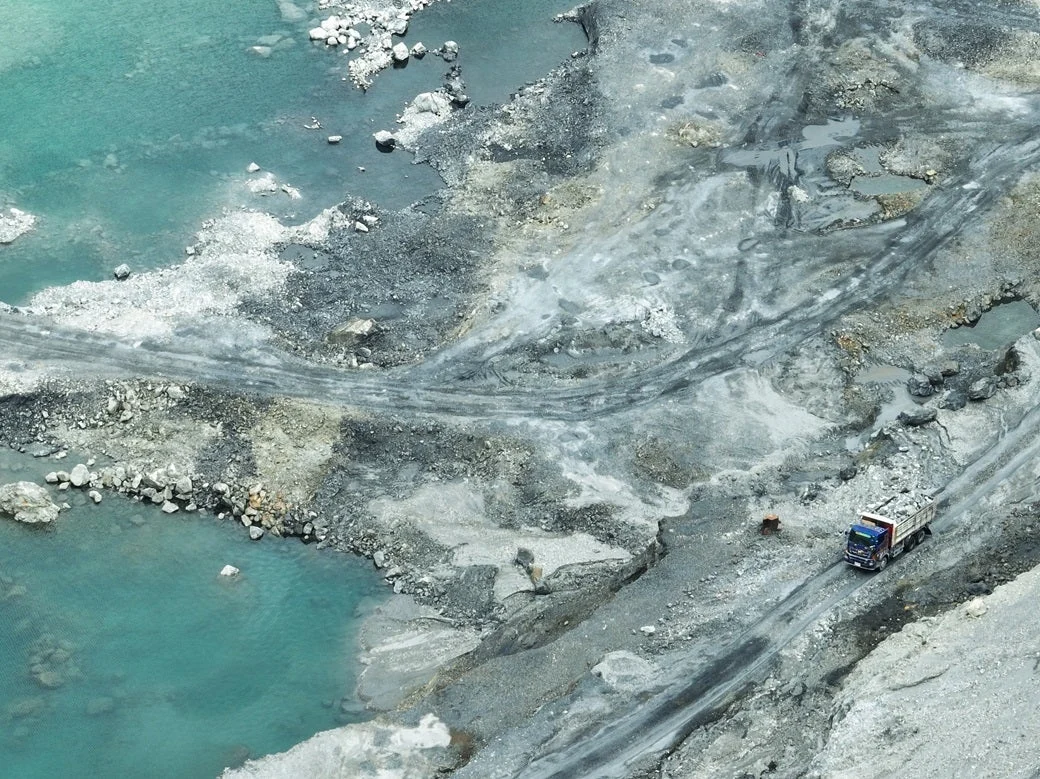
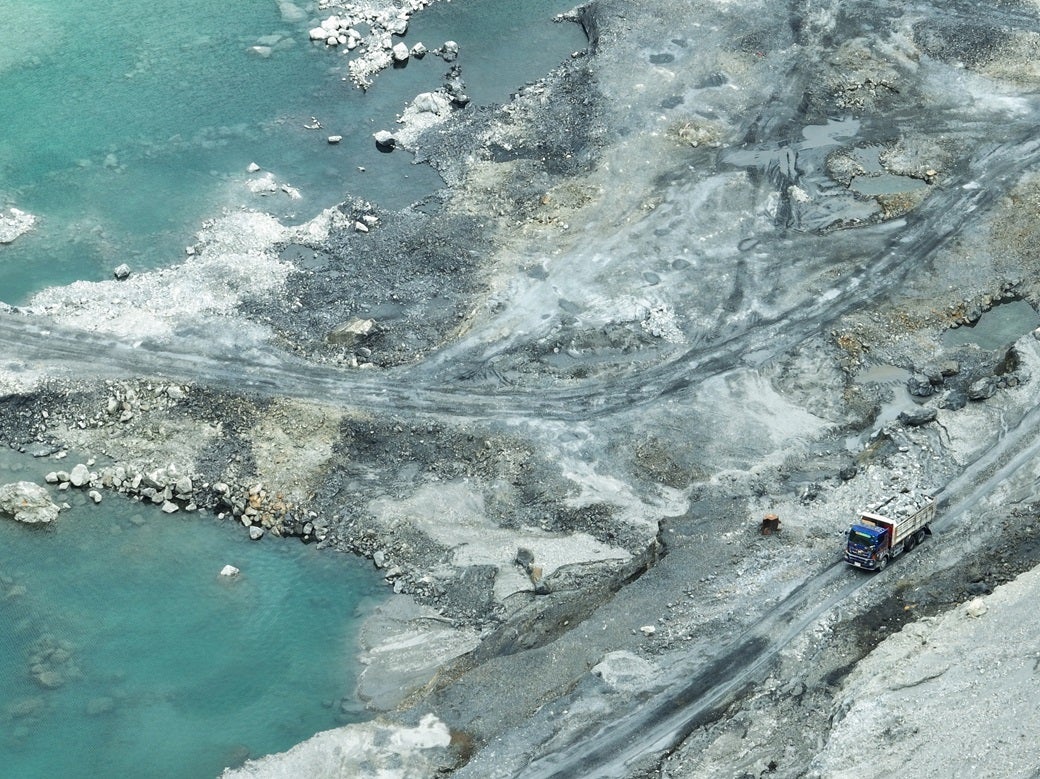
- Scope 1: Direct emissions from owned or controlled sources, such as heavy-duty mining haul trucks, onsite power generation, and blasting activities.
- Scope 2: Indirect emissions from the generation of purchased electricity used in processing plants, crushers, and administrative facilities.
Achieving a 30% reduction is a formidable challenge for an industry that relies heavily on diesel-powered haulage. To meet these targets, operators are forced to rethink everything from lubricants and fuel efficiency to the total electrification of mining fleets.
Official Perspectives: Navigating the Trade-offs
David Kurtz, Head of Construction, Research and Analysis at GlobalData, will moderate the upcoming webinar. The session is designed to move beyond the "greenwashing" rhetoric that often plagues industry discourse, focusing instead on the technical realities of maintaining productivity while transitioning to lower-emission machinery.
The collaboration with ExxonMobil is particularly significant. Mobil, a leader in advanced lubrication and energy management, provides the technical backbone for many of these decarbonization strategies. According to early insights from the partnership, the key to successful transition lies in "optimization-first" strategies. Before an operator can replace a diesel fleet with hydrogen or electric alternatives, they must maximize the efficiency of existing legacy assets.
The Role of Lubrication and Maintenance
Expert insights from the webinar will highlight that minor, iterative changes often yield significant carbon savings. Advanced lubricants, for example, reduce friction in heavy machinery, leading to lower fuel consumption. While these savings might appear marginal on a single truck, when extrapolated across a global fleet of hundreds of vehicles, the reduction in carbon output is substantial.
The Strategic Implications for Operators
1. The Productivity-Sustainability Nexus
The central argument of the Mining More with Less initiative is that productivity and sustainability are not mutually exclusive. In fact, in the context of the 2026–2030 market cycle, they are inextricably linked. Operators who fail to decarbonize face not only regulatory penalties but also rising fuel costs and restricted access to capital. Conversely, those who implement autonomous, energy-efficient systems are finding that they can increase the total tonnage moved per hour, thereby lowering the "emissions per ton" metric.
2. The Rise of Autonomous Systems
Automation is perhaps the most significant technological lever in this transition. Autonomous haulage systems (AHS) allow trucks to operate at optimal speeds with consistent braking and acceleration patterns. This consistency prevents the "human factor" fuel spikes associated with traditional operation, leading to a leaner, cleaner, and more predictable mining environment.
3. Supply Chain Integration
Miners are increasingly looking at their entire value chain. The transition requires a collaborative approach where mining houses, technology providers, and energy firms share data. The ExxonMobil-commissioned white paper, Mining Forward, emphasizes that siloed operations are the biggest barrier to progress. The future of the industry lies in integrated digital twins and real-time monitoring of energy consumption across all facets of a mine site.
Addressing the Challenges
Despite the optimism surrounding new technology, the path forward is not without hurdles. The industry faces several systemic challenges:
- Infrastructure Deficits: Many mining operations are located in remote areas with limited access to a clean energy grid, making full electrification of heavy equipment technically difficult.
- Capital Expenditure (CAPEX): The transition to low-carbon technology requires massive upfront investment at a time when miners are also dealing with inflation and supply chain bottlenecks.
- Skills Gap: The shift toward digital and automated mining requires a new generation of workers who are as comfortable with data analytics and battery management as they are with mechanical engineering.
Conclusion: Join the Conversation
The Mining More with Less webinar serves as a critical checkpoint for the industry. It is an opportunity for operators to benchmark their progress against global peers and gain access to the latest field-tested strategies.
As the mining industry moves toward 2030, the ability to balance the global demand for minerals with the global necessity of a cooler planet will define the industry’s leaders. The data is clear: the transition is underway, the targets are set, and the technology is available. The only remaining question is how quickly the industry can scale these solutions.
For further information and to register for this exclusive webinar, please visit the registration page.
Reference Notes
- [i] Mining Market Size, Share and Growth Report 2026 to 2035, The Business Research Company.
- [ii] Mining Forward white paper, ExxonMobil, Version 1.1, February 2026. Research conducted by Frost & Sullivan via survey of 91 mining operators, Q1 2025.