By Samuli Haapasalo
The northern reaches of our planet are defined by a specific sound—a haunting, primal, and atmospheric call that echoes across the desolate tundra and mirrors the stillness of the Arctic waters. This is the realm of the loons, a family of birds that epitomizes the raw, untamed essence of the north. Among these, the Yellow-billed Loon (Gavia adamsii), known in Finnish as jääkuikka, stands as a magnificent, albeit elusive, symbol of the high Arctic wilderness.
While the smaller Red-throated Loon (kaakkuri) is renowned for being one of the most vocal birds in the northern hemisphere, the Yellow-billed Loon carries an aura of stoic grandeur. Observing these birds is not merely a birdwatching exercise; it is a pilgrimage to the edges of the habitable world.
Main Facts: The Aristocrat of the Arctic
The Yellow-billed Loon is the largest member of the Gaviidae family. Its taxonomy is precise: from the largest to the smallest, the family includes the Yellow-billed Loon, the Common Loon (Great Northern Diver), the Black-throated Loon, the Arctic Loon (formerly considered a subspecies of the Black-throated), and the Red-throated Loon.
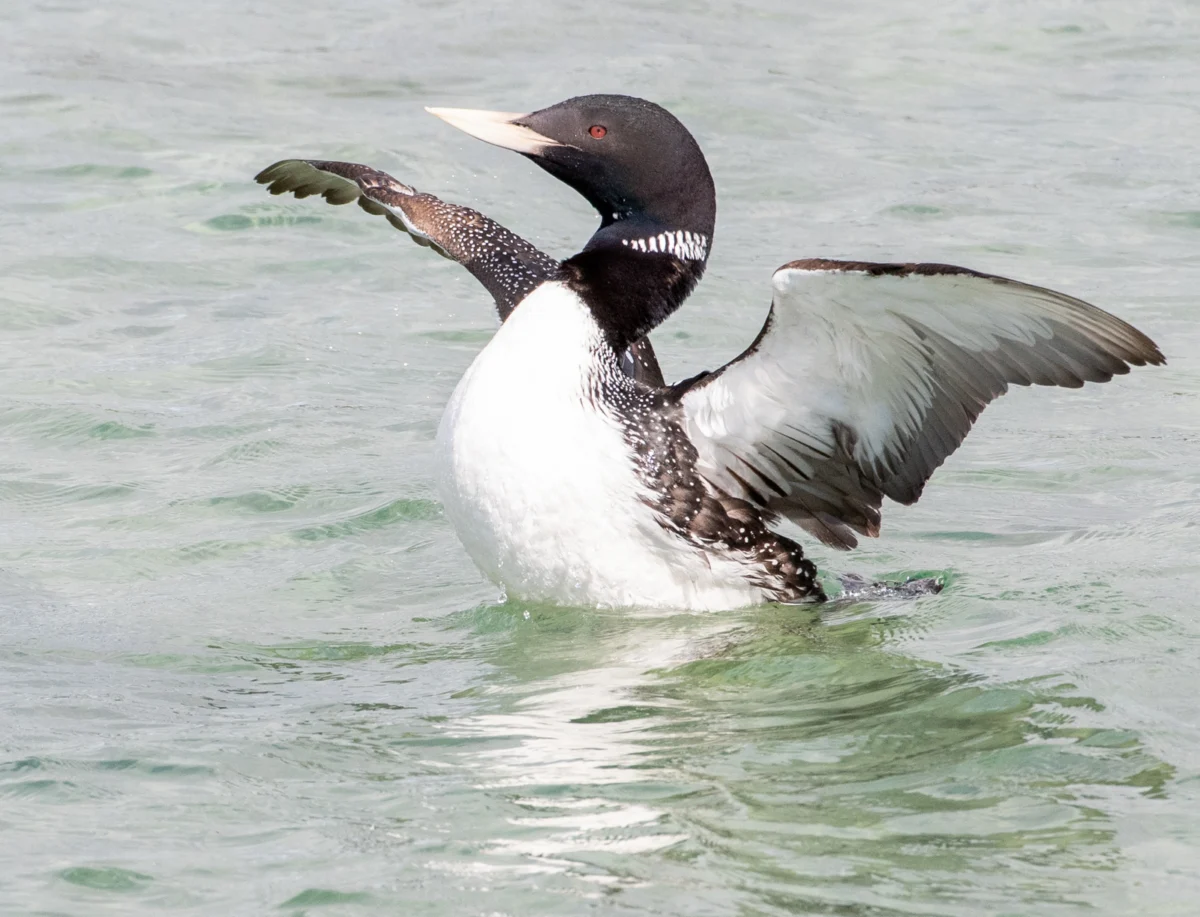
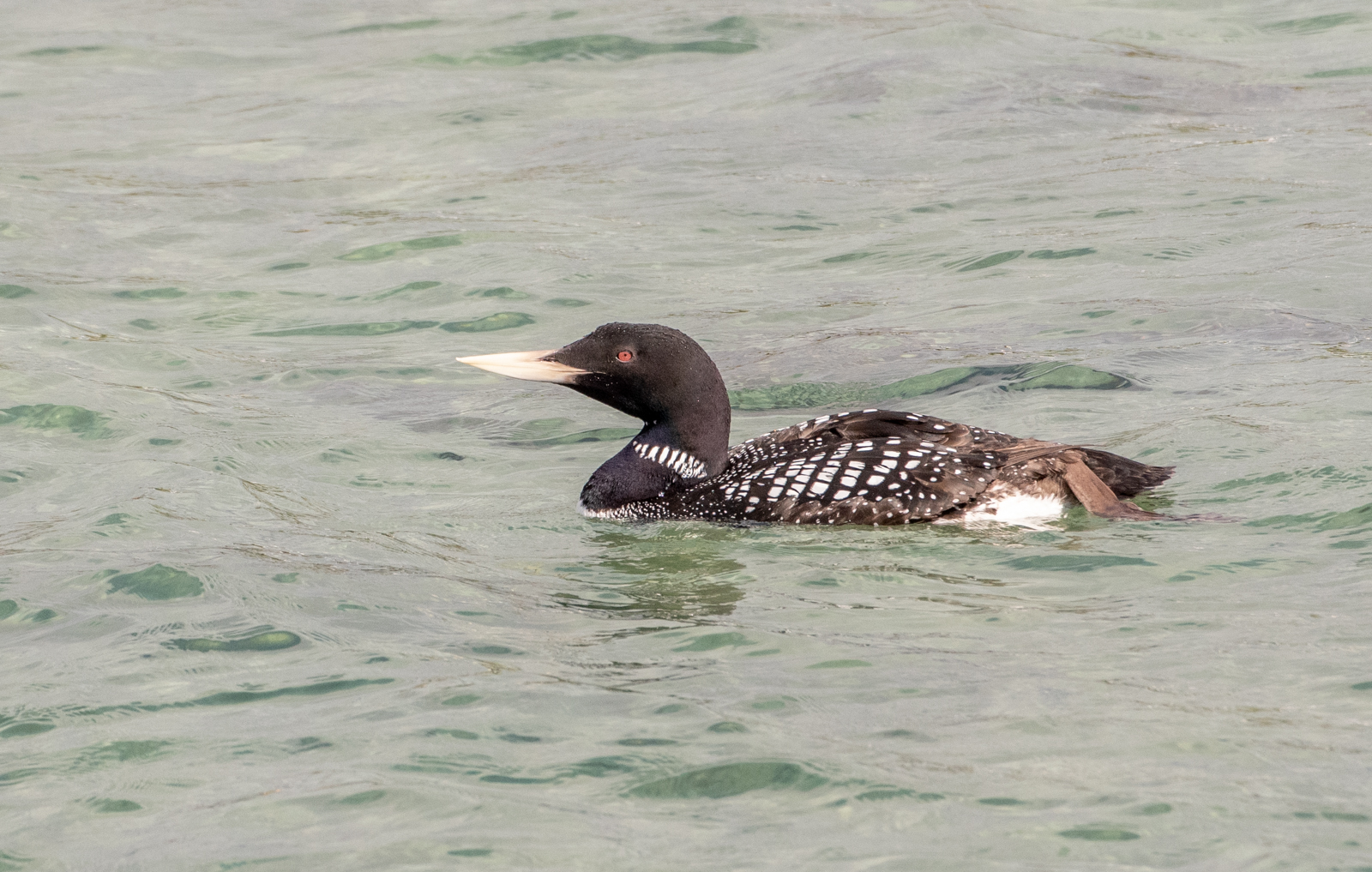
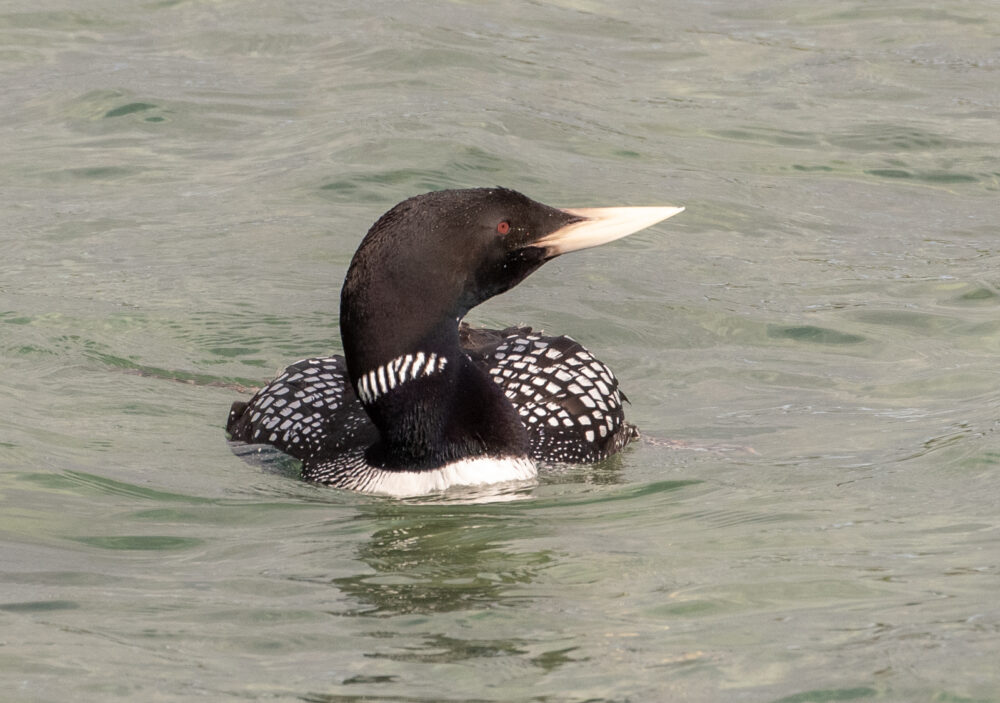
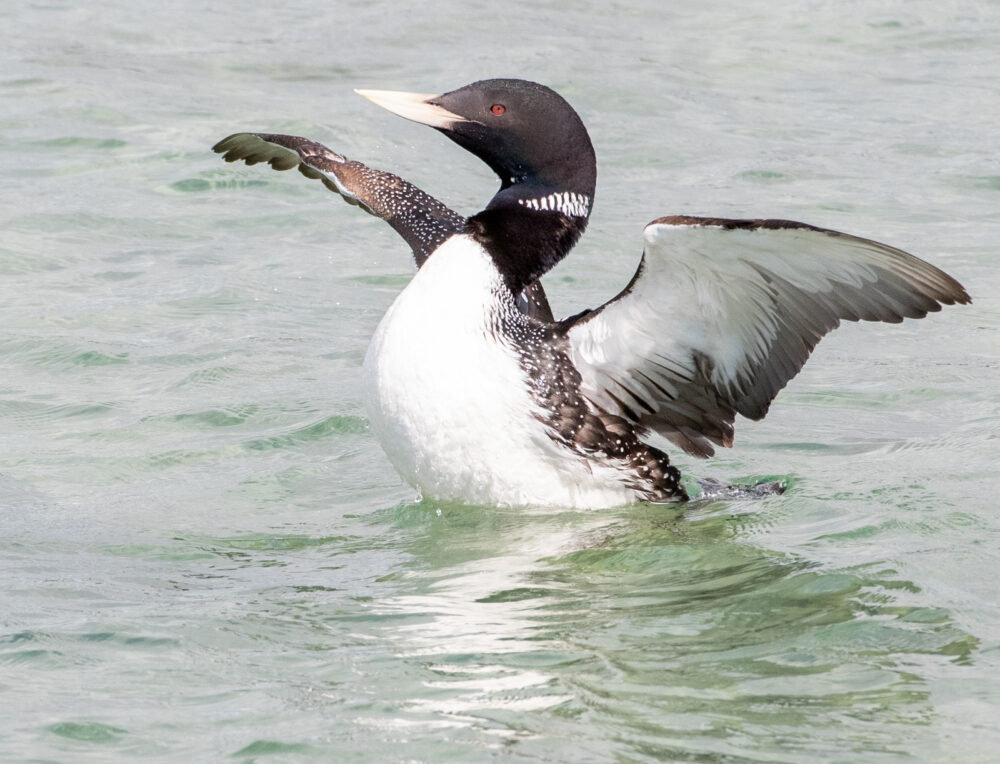
Distinguishing the Yellow-billed Loon from its cousins requires a keen eye. Its most striking feature is, as the name suggests, its large, ivory-yellow bill, which often appears slightly upturned. Unlike the black-billed Common Loon, the Yellow-billed Loon maintains this light-colored, regal appearance even from a distance. In its breeding plumage, the bird is a masterpiece of evolution: a jet-black head and neck adorned with delicate, white-spotted "jewelry," a robustly patterned mantle, and a crisp, clean white underbelly that glimmers against the dark Arctic waters.
A Chronological Encounter: The Varanger Experience
The observation of these birds is often a lesson in patience. On July 30, 2026, at the Ekkerøy fishing village along the Varangerfjord in Northern Norway, the reality of the Yellow-billed Loon’s existence became clear.
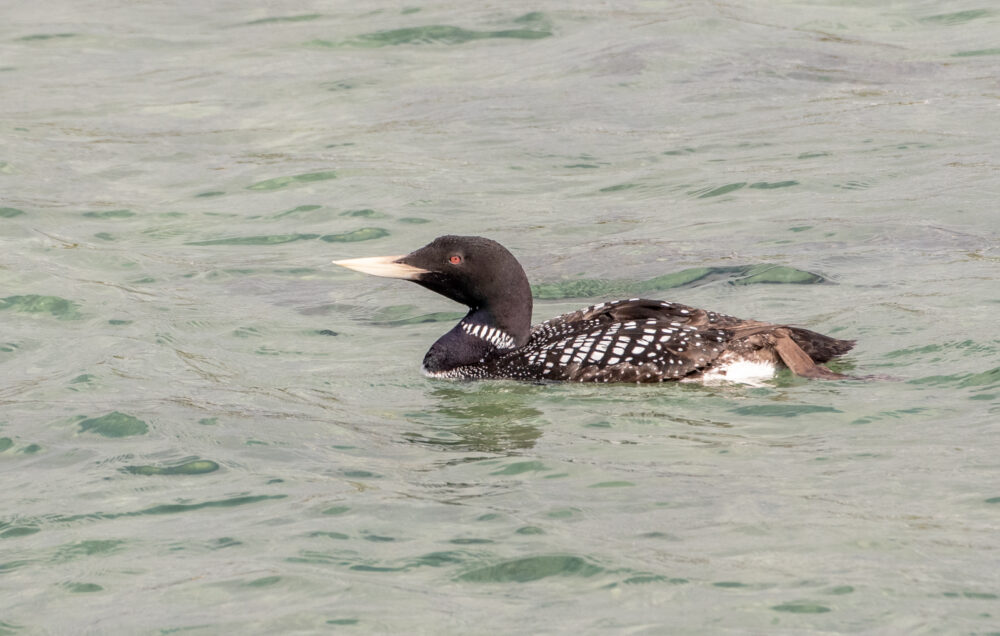
Ekkerøy is a vital node for those traversing the Varanger region. It is a place where the human history of old wooden fishing boats—local vessels affectionately known as "sea bears"—meets the wild, unpredictable nature of the Barents Sea.
The Stakeout:
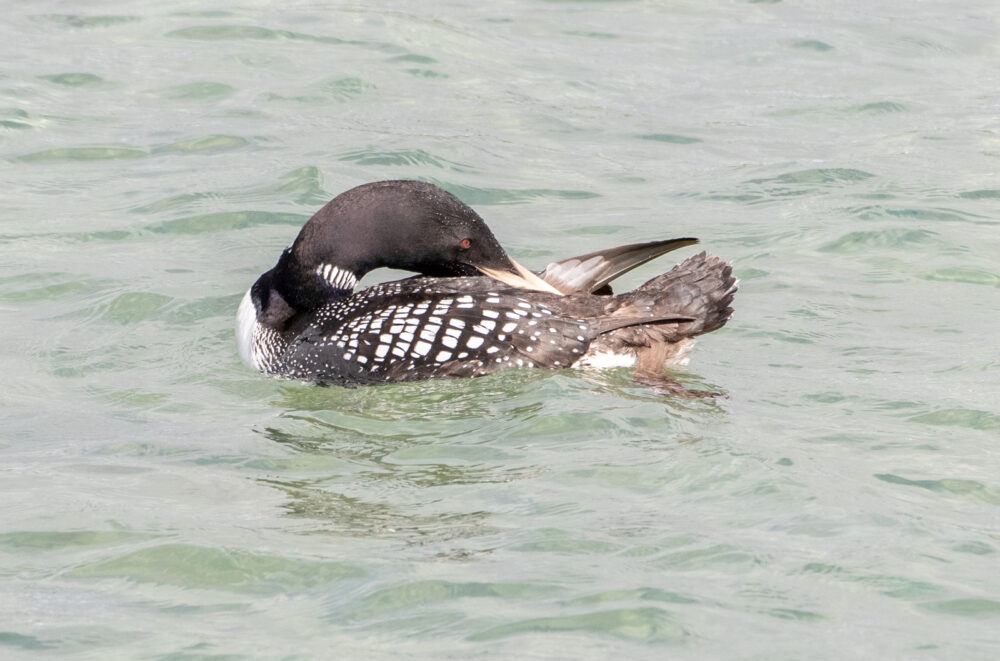
Waiting near a weathered, creaking wooden pier, I sought the shelter of an old fishing vessel to remain inconspicuous. The goal was to observe the loon without disrupting its natural rhythms. After hours of stillness, the bird finally glided into view. It was not merely passing through; it was engaging in the essential, mundane tasks of survival: preening its feathers and drifting into short, restorative bouts of sleep.
This behavior is typical of the species. They are solitary, wary creatures that prefer the quietude of the fjords or the vastness of the northern lakes. Watching it from the shore, while surrounded by the rich biodiversity of the Varanger bird cliffs and the occasional sighting of whales in the distance, provided a profound perspective on the interconnectedness of this fragile ecosystem.
Supporting Data: Distribution and Status
The Yellow-billed Loon is classified as a "Near Threatened" species globally. Its population is sparse and highly specialized, with estimates suggesting a global total of between 8,000 and 16,000 breeding pairs.
Global Range:
The breeding range of the species spans from the islands of Novaya Zemlya and the Taimyr Peninsula in Russia to the vast reaches of Alaska and the Canadian Hudson Bay. In the past, the species was known to nest as far south as the Petsamo region, though such sightings are now rare historical footnotes.
Migration and Presence in Finland:
In Finland, the Yellow-billed Loon is a scarce visitor. While diligent observers may spot them during the "Arktika" migration season along the Gulf of Finland, these sightings are few and far between. The most reliable way to encounter them is to travel to their wintering grounds in the Barents Sea or along the fjords of Northern Norway, particularly near Hamningberg, where the geography of the Syltefjord and Varangerfjord provides an ideal vantage point. Occasionally, individuals may appear on the large, open stretches of Finnish inland lakes in late autumn, just before the ice seals them off.
Implications: The Fragility of the North
The survival of the Yellow-billed Loon is intrinsically linked to the health of the Arctic and sub-Arctic regions. As these environments face unprecedented pressure, the loon has become a sentinel of ecological integrity.
The Threats:
- Industrial Encroachment: The Arctic is currently the site of intensive oil and gas exploration. Oil spills in wintering grounds are catastrophic for a species that spends so much of its life on the water.
- Habitat Alteration: The drainage of northern peatlands and the disruption of nesting ponds directly impact the loon’s ability to breed.
- Bycatch: Despite their wariness, loons are often victims of commercial fishing practices, frequently drowning in gillnets.
- Human Indifference: Perhaps the most significant threat is the systemic disregard for the delicate nature of the Arctic. When we view the north merely as a resource-rich frontier rather than a fragile, living organism, we threaten the very species that rely on its purity.
Official Responses and Conservation Perspectives
Conservationists and ornithologists have long argued that the Yellow-billed Loon should be considered an indicator species. If the loon is struggling, it is a clear signal that the northern aquatic ecosystems are failing to provide the necessary conditions for high-latitude life.
Organizations tasked with monitoring these populations emphasize the need for stricter maritime regulations in the Barents Sea. Furthermore, there is a growing consensus that the protection of nesting habitats—often located in remote, difficult-to-access areas—must be prioritized over short-term industrial gain.
The "human-Arctic" relationship is currently at a crossroads. As we see with the sightings at Ekkerøy, there is a deep, abiding interest among the public to witness these animals in their natural state. This interest, if channeled correctly, can serve as a powerful tool for conservation advocacy. By documenting these encounters, birdwatchers and scientists alike provide the longitudinal data necessary to lobby for better environmental protections.
Conclusion: A Call to Protect
The Yellow-billed Loon is more than a bird; it is a manifestation of the north’s wild soul. Its haunting call is a reminder of a world that existed long before we began to reshape the landscape to our needs. As we move further into the latter half of the 2020s, the challenge is to ensure that the silence of the Arctic is not broken by the machinery of industry, but continues to be punctuated by the primal, beautiful cries of the loons.
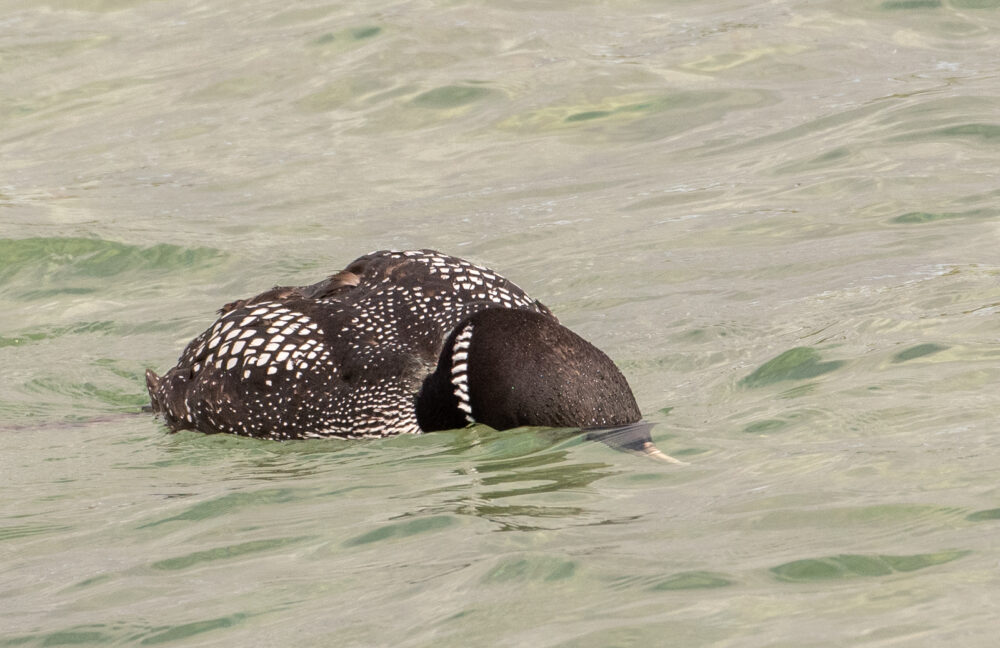
For the observer, standing on a pier in Varanger, watching a Yellow-billed Loon drift through the mist, the imperative is clear: we are the guests in their home. It is our responsibility to ensure that the home remains intact for generations to come. The future of the Yellow-billed Loon is, in many ways, a mirror of our own commitment to the preservation of the wild.