The landscape of global sports is undergoing a seismic shift. For decades, the primary challenge in sports policy was centered on the symbolic "breaking of glass ceilings" and the basic identification of gender-based disparities. However, as the 2026 International Working Group (IWG) on Women and Sport World Conference in Birmingham has made clear, the era of merely identifying problems has passed. The movement has entered a critical new phase: the era of structural transformation.
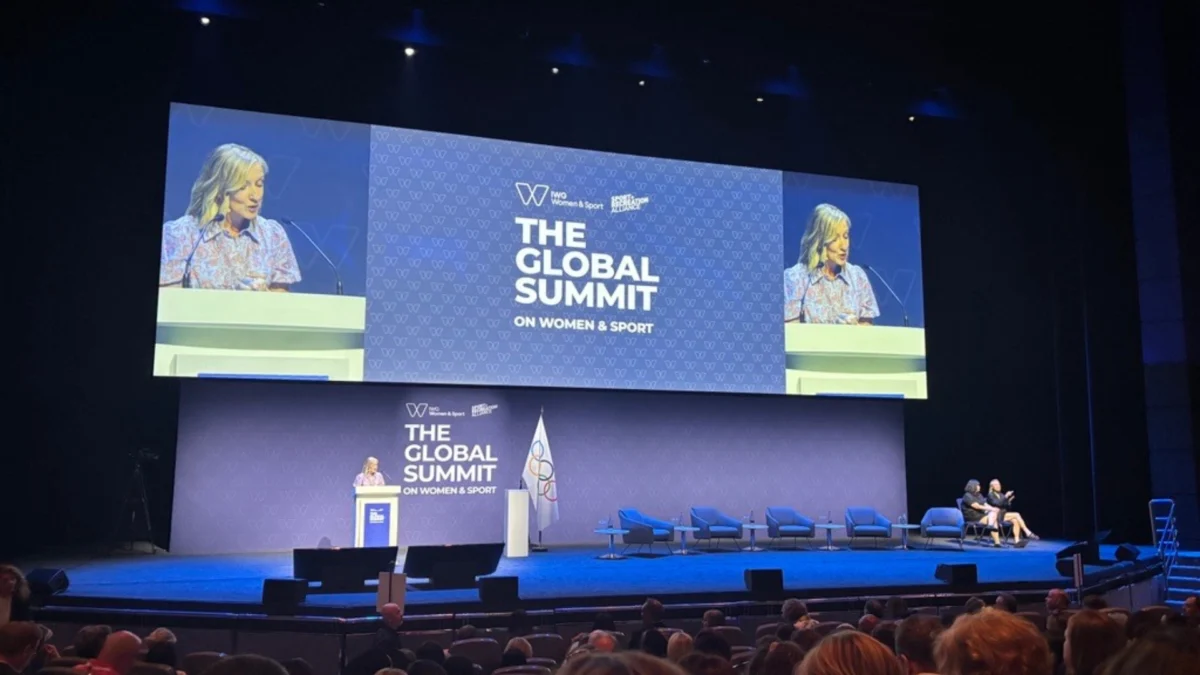
In July 2026, 900 delegates from 80 countries gathered in Birmingham to move "Beyond the Breakthrough." The consensus emerging from this high-level assembly is that equality is no longer a peripheral human resources issue; it is a fundamental pillar of modern sports management, finance, and organizational culture.
Main Facts: The Paradigm Shift in Birmingham
The IWG World Conference served as a global laboratory for the future of equity. The central thesis of the conference was that the recent successes in women’s sports—gains in viewership, sponsorship, and public interest—must not be treated as a finish line. Instead, they represent a foundational point from which deeper, more systemic changes must be engineered.
The Finnish delegation, present at the event, returned with a sharpened understanding: transformation is not an act of individual advocacy, but a product of collective responsibility. The conference emphasized that the "what" of sports development has been established; the focus must now shift entirely to the "how." This involves dismantling structures that were originally designed around the male athletic experience and replacing them with inclusive, data-driven, and representative frameworks.
Chronology: The Evolution of the Equality Movement
To understand the urgency of the current moment, one must look at the timeline of the movement:
- The Foundation: The legacy of the Brighton Plus Helsinki Declaration remains the bedrock of international efforts, providing a framework for governments and organizations to commit to equity.
- The Breakthrough (2020–2025): This period saw an explosion in the commercial visibility of women’s sports. Increased media rights, record-breaking ticket sales, and heightened corporate investment proved that the market existed and was hungry for quality content.
- The Current Phase (2026 and beyond): As discussed in Birmingham, we have moved into the "Structural Integration" phase. The goal is no longer just to give women a "seat at the table," but to ensure that the table itself is built to accommodate diverse experiences, needs, and leadership styles.
- Future Milestones: The upcoming discussions at the "Common Journey" (Yhteinen matka) project closing event and the ongoing monthly equality "remote coffees" in Finland represent the practical application of the Birmingham momentum, moving from international policy to local implementation.
Supporting Data: Reframing the Economic Narrative
A critical highlight of the conference was the presentation of statistics by Trinh Tu of the market research firm Ipsos. The data confirmed a robust upward trend: stadiums are filling, commercial partners are aggressively seeking entry into the space, and audiences are engaging with women’s sports in ways that defy traditional metrics.
However, a recurring strategic error remains: the tendency to judge women’s sports through the lens of men’s sports. Investor Michele Kang offered a compelling rebuttal to this practice. She argued that women’s sports should not be viewed as a "smaller version" of the men’s game, but as an entirely distinct market.
Key Economic Takeaways:
- Distinct Demographics: Women’s sports attract a different audience with different purchasing behaviors and loyalty drivers.
- Growth Trajectories: Copying existing business models is a recipe for stagnation. Success requires bespoke strategies that account for unique fan bases and brand identities.
- Holistic Ecosystems: The value of women’s sports cannot be sustained by individual stars alone. Growth requires a robust ecosystem, including junior pathways, coaching pipelines, advanced physiological research, and state-of-the-art facilities.
Official Responses and Strategic Leadership
The conference featured voices from the highest echelons of sports governance, all of whom underscored that change is rarely the result of a single "big bang" event.
The Role of "Gentle Challengers"
UEFA Vice President Laura McAllister emphasized the necessity of "gentle challengers"—leaders and organizations that possess the courage to question long-standing norms without resorting to unnecessary conflict. Change, she argued, is a marathon, not a sprint. It requires patience, strategic persistence, and the ability to influence cultural norms over time.
The Case for Binding Mechanisms
World Athletics President Sebastian Coe provided a pragmatic perspective on structural change. According to Coe, gender equality in his organization did not improve through aspirational rhetoric or voluntary goals. Real progress was only achieved through the implementation of:
- Binding Quotas: Ensuring representation at the executive level.
- Regulatory Reform: Changing the foundational rules of the organization.
- Systemic Measurement: Holding departments accountable for progress with transparent, measurable data.
Coe’s message was clear: if the goal is better decision-making, the organization must be as diverse as the world it governs.
Implications: Building the Future Infrastructure
The implications of the Birmingham conference are far-reaching, particularly for national sports federations. The call to action is centered on "Design Fiction"—a concept described by Professor Fiona Chambers. This involves the conscious design of future systems by centering the human experience.
Addressing the Physiological Gap
One of the most profound implications discussed is the "data desert" regarding female physiology. For too long, scientific research has focused on the male body, treating the female body as an outlier or a complication.
- Pregnancy and Return to Sport: The conference highlighted that current sports systems are often incompatible with the natural life cycle of a woman. This is not just a human rights issue; it is a performance issue.
- The Need for Research: There is an urgent need for research that examines the female body—including hormonal cycles, injury prevention, and recovery—as a primary subject. This knowledge is essential for creating safe, healthy, and high-performing environments.
The Inclusion of Marginalized Groups
The discourse in Birmingham was not limited to gender alone. There was a critical focus on the intersectional nature of inequality. Girls and women with disabilities or those from marginalized communities often face "layered" discrimination. Providing equitable access requires a fundamental change in how we define "the athlete." If a system is designed for the able-bodied, elite, male athlete, it will naturally exclude, by design, everyone else.
Conclusion: From Rhetoric to Reality
As the Finnish delegation works to translate the IWG conference findings into national policy, the message is clear: the time for celebratory speeches is over. The "Breakthrough" was merely the invitation to the table. The real work—the work of governing, funding, and structural redesign—is just beginning.
For organizations in Finland and beyond, this means a rigorous self-assessment. Who holds the power to allocate resources? Who defines the training protocols? Who decides which sports receive the most funding? The answers to these questions will determine whether the current momentum leads to a sustainable, equitable future or whether it remains a fleeting moment of progress.
The window of opportunity is open. The global sports community has the attention of investors, the support of the public, and the moral imperative to act. The next phase of leadership requires more than just advocates; it requires architects of change—leaders who are willing to rebuild the very foundations of the sports ecosystem to ensure that the playing field is not just level, but accessible to all.
About the IWG and Further Engagement
The International Working Group (IWG) on Women and Sport continues to be the leading global voice for gender equity in sport. For those interested in the ongoing implementation of these strategies, the Finnish community holds regular "Equality Remote Coffees" (Tasa-arvotyön etäkahvit) on the second Friday of every month. These sessions offer a platform for practitioners to discuss themes, share data, and collaborate on the "Common Journey" project, ensuring that the lessons of Birmingham are woven into the fabric of everyday sports practice.