After ten harrowing days of fire and uncertainty, the dramatic wildfire that threatened the heart of the Carnia region in northeastern Italy has finally been quelled. The blaze, which scorched over 600 hectares of the pristine Monte Amariana and Monte Amarianute slopes, stands as one of the most significant and challenging environmental crises to strike Friuli-Venezia Giulia in recent memory. Following a massive, multi-national aerial operation and the timely arrival of long-awaited atmospheric relief, authorities have confirmed that the fire is fully contained.
The incident, which saw flames pushing within a terrifying 50 meters of homes in the hamlet of Pissebus, serves as a stark reminder of the increasing volatility of Alpine ecosystems in an era of intensifying heat domes and erratic weather patterns.

A Perfect Storm: The Ignition and Escalation
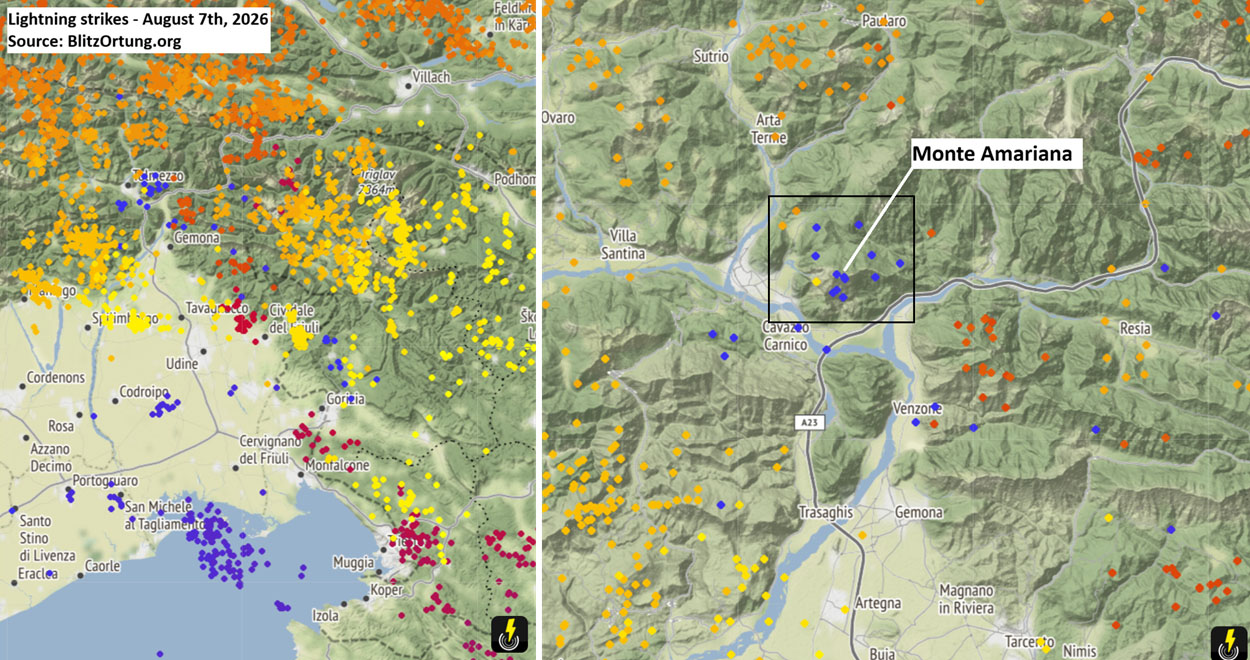
The disaster began in early August 2026, under the suffocating grip of an intense heat dome that had settled over Western and Central Europe. With the terrain baked to a tinderbox-like state, a frontal wave passing through the region on August 7th brought lightning strikes that ignited the dry vegetation on the upper Cuel Feltron.
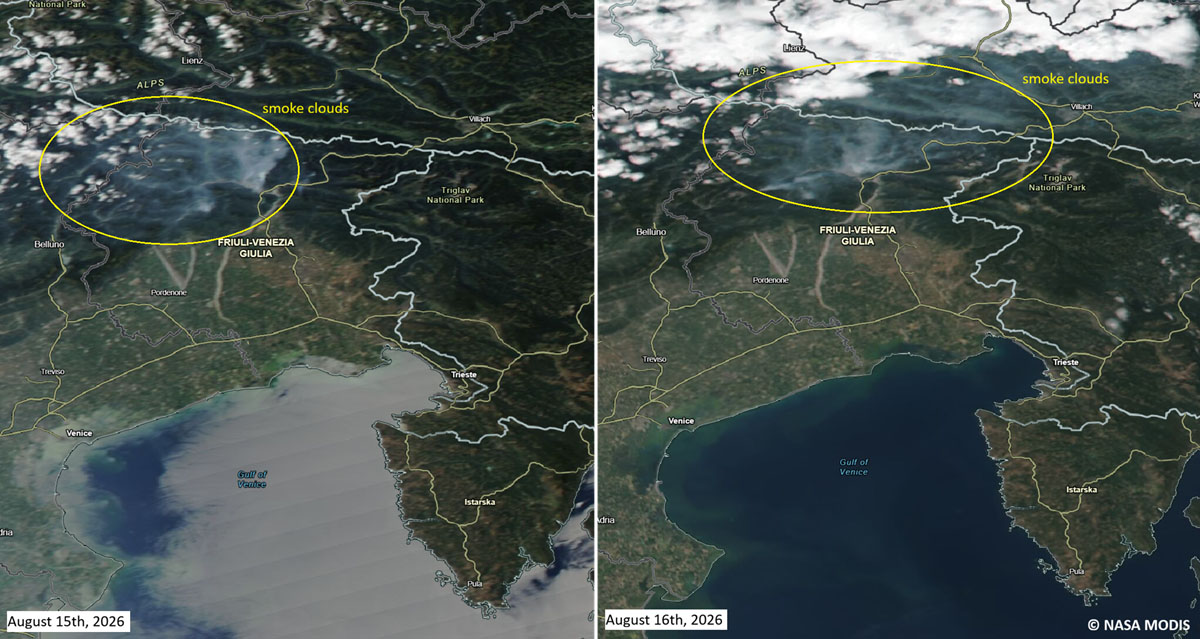
While initial efforts were made to monitor the blaze, the situation deteriorated rapidly on Ferragosto (August 15th). Gusty downslope winds acted as a bellows, fanning the embers and pushing the fire across the Rio Confine ridge. The flames leapt from the Cuel Feltron spur onto the slopes of Monte Amarianute, surging toward the residential sectors of Tolmezzo and the village of Illegio.
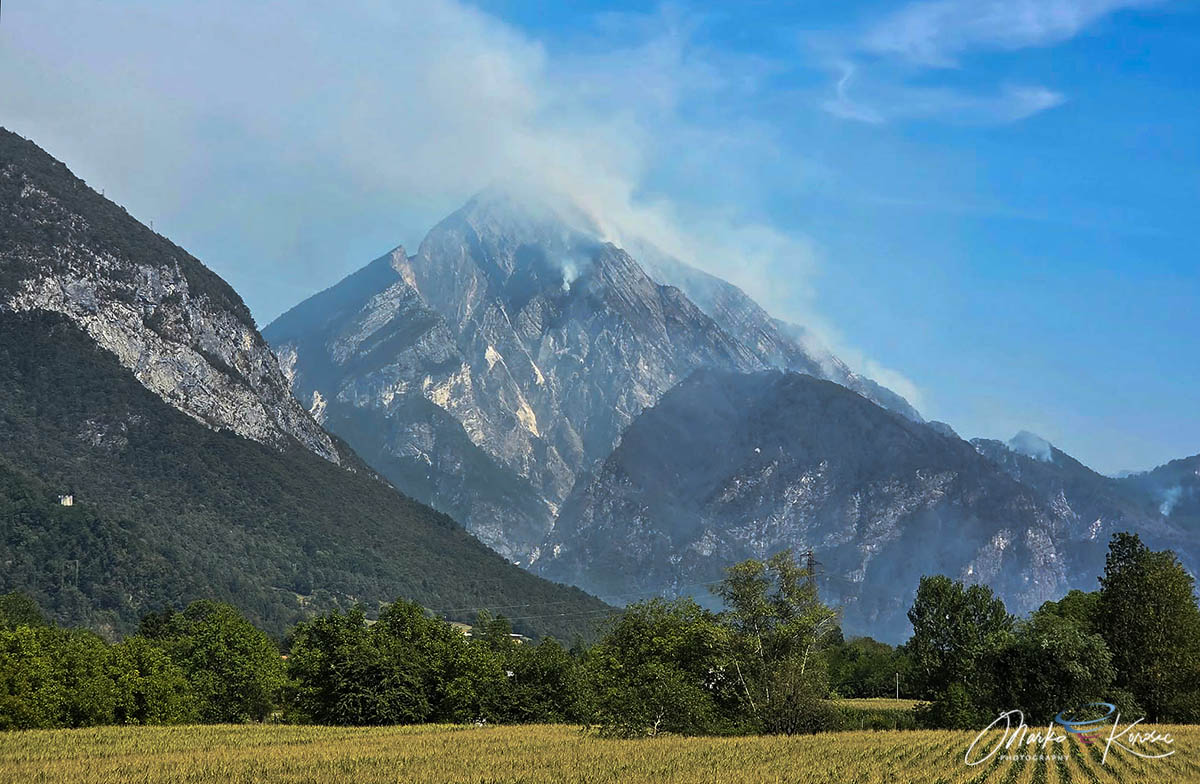
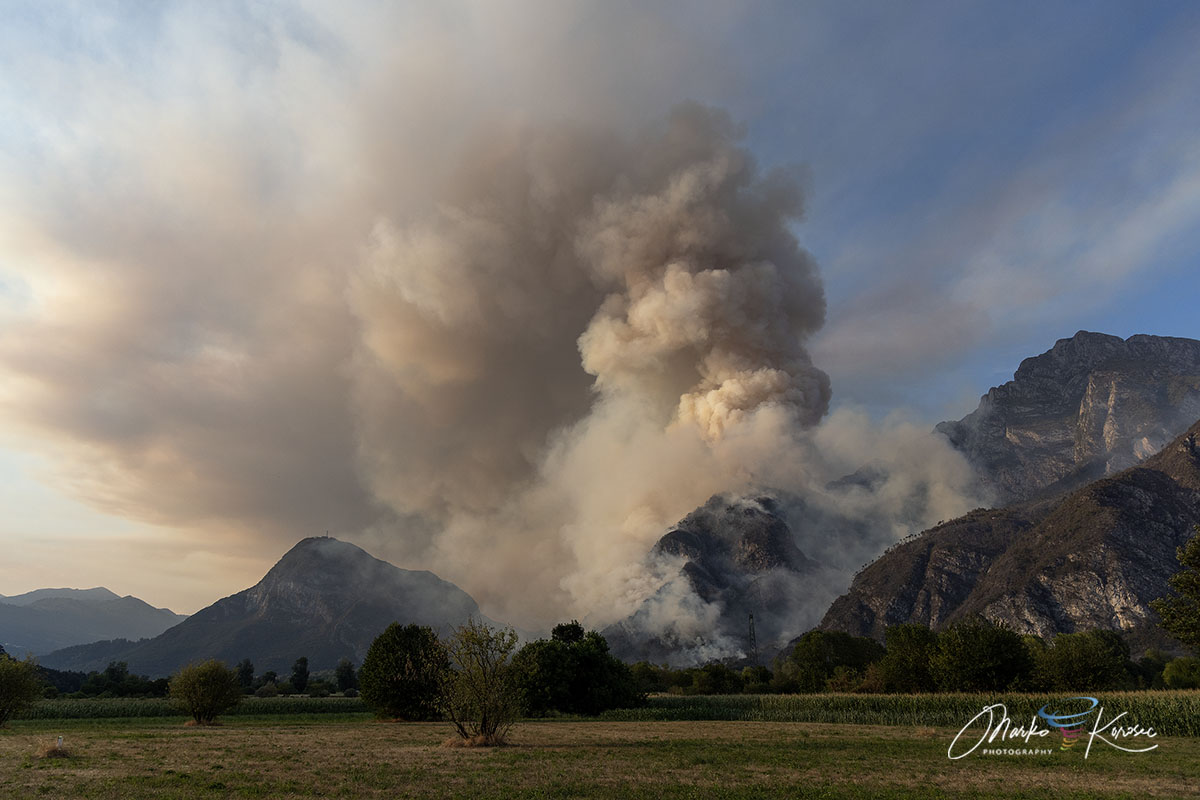
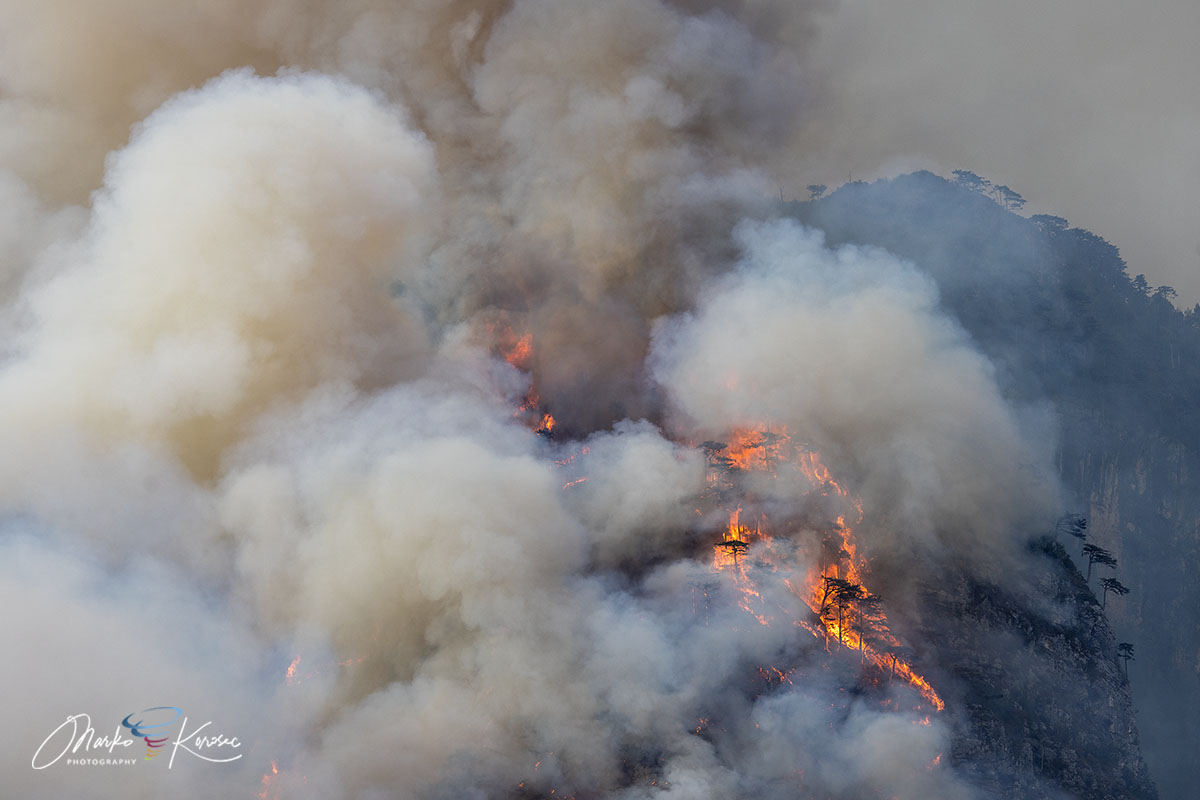
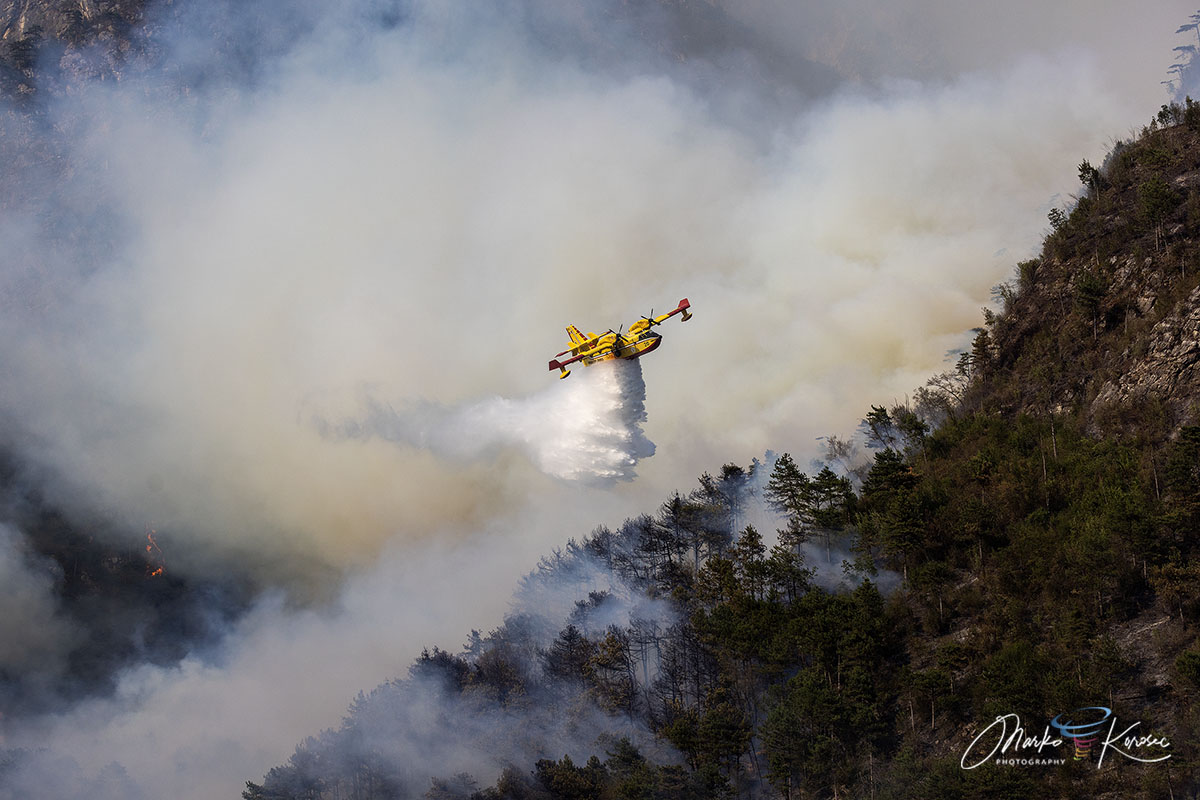
The geography of the region played a pivotal role in the fire’s explosive growth. Monte Amariana, a 1,905-meter limestone pyramid, is defined by sheer, vertical cliffs and dense Pinus nigra (black pine) forests. This topography created a "chimney effect," where heat and fire were funneled upward through narrow gullies and limestone chimneys, making direct ground-based firefighting nearly impossible. At the height of the crisis, the intensity of the fire was so extreme that it generated its own weather—pyrocumulus clouds—visible for miles, signaling the sheer scale of the inferno.
Chronology of the Crisis
The Initial Spark (August 7th)
Lightning strikes detected by Blitzortung systems marked the start of the incident. The fires began in relatively remote, high-altitude terrain, initially posing little threat to populated areas. However, the lack of immediate precipitation and the persistent heat ensured the fires remained smoldering and ready to erupt.
The Ferragosto Flare-Up (August 15th)
The transition from a manageable forest fire to an emergency situation occurred on August 15th. A sudden shift in wind direction and velocity pushed the fire out of the Cuel Feltron zone and toward the populated valley. Emergency sirens sounded, and authorities ordered the evacuation of Pissebus, as the fire front threatened to breach the perimeter of the community.
The Peak of the Battle (August 16th–19th)
For nearly four days, the focus was on containment. The primary objective was to shield the communities of Tolmezzo and Amaro from the encroaching flame fronts. It was during this period that the international aerial task force was fully mobilized, turning the skies above the Carnia region into a hive of activity.
The Turning Point (August 20th–22nd)
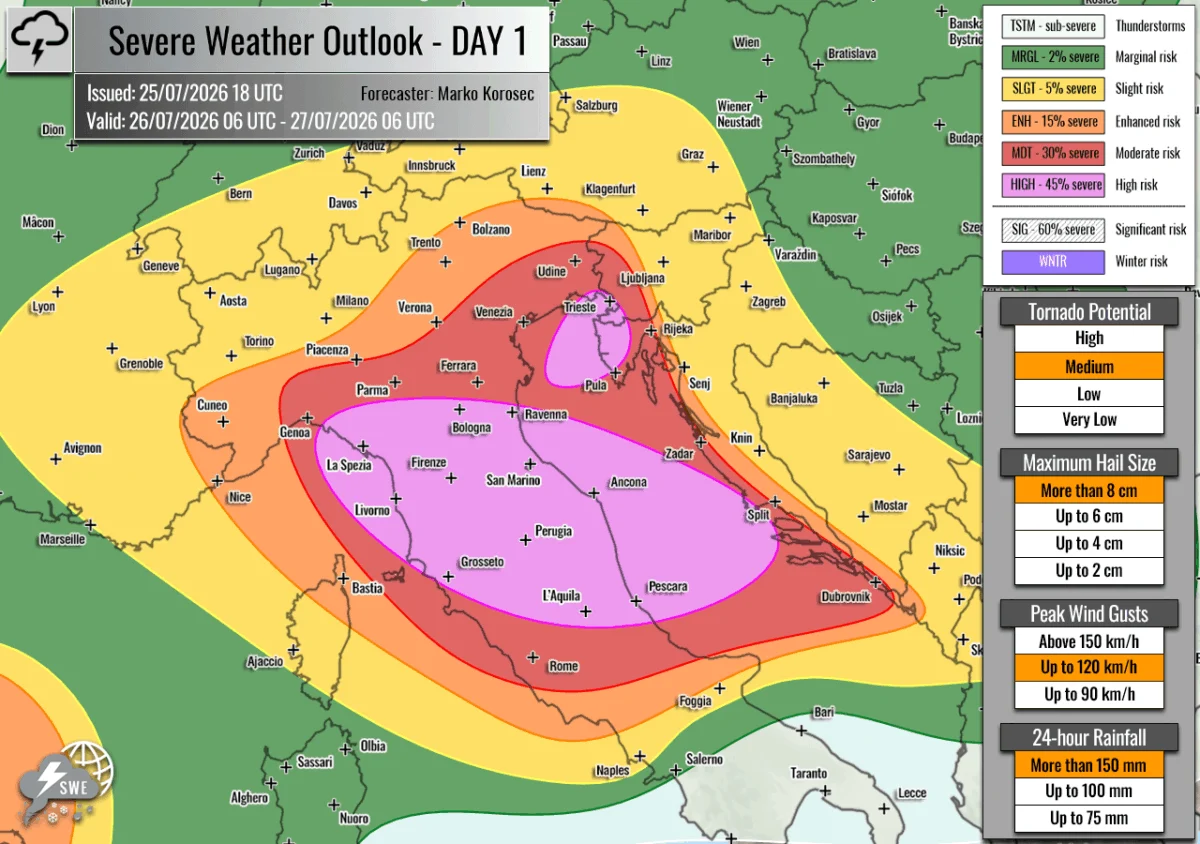
The atmosphere finally shifted. A robust frontal system moved into northeastern Italy, bringing with it the salvation of significant rainfall. Between August 20th and 22nd, accumulated rainfall reached between 150 mm and 200 mm in some areas, effectively smothering the remaining hot spots and ending the 10-day nightmare.
A Multi-National Response: The Aerial and Ground Fleet
The scale of the threat necessitated a response that transcended national borders. Because the fire occurred in an area where the terrain rendered traditional firefighting methods obsolete, the Italian Vigili del Fuoco (National Fire Corps) and the Corpo Forestale Regionale requested international assistance.
The operation featured a diverse aerial fleet:
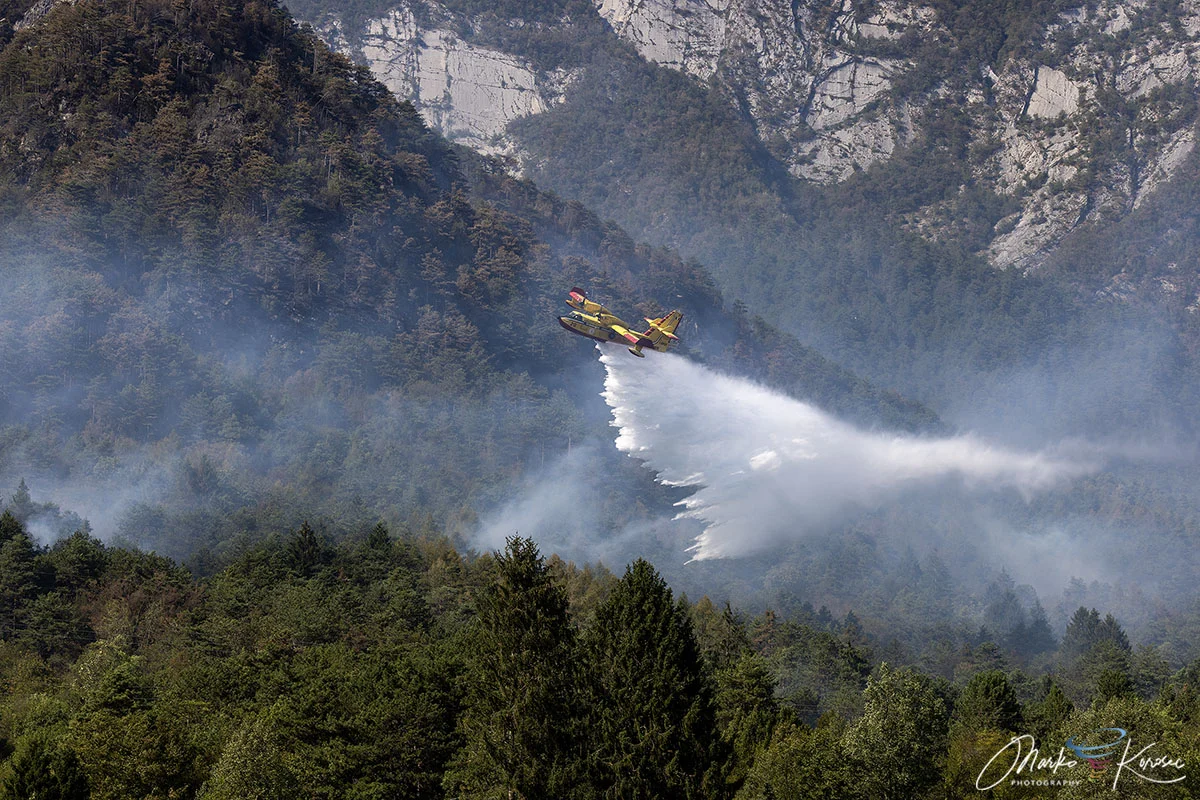
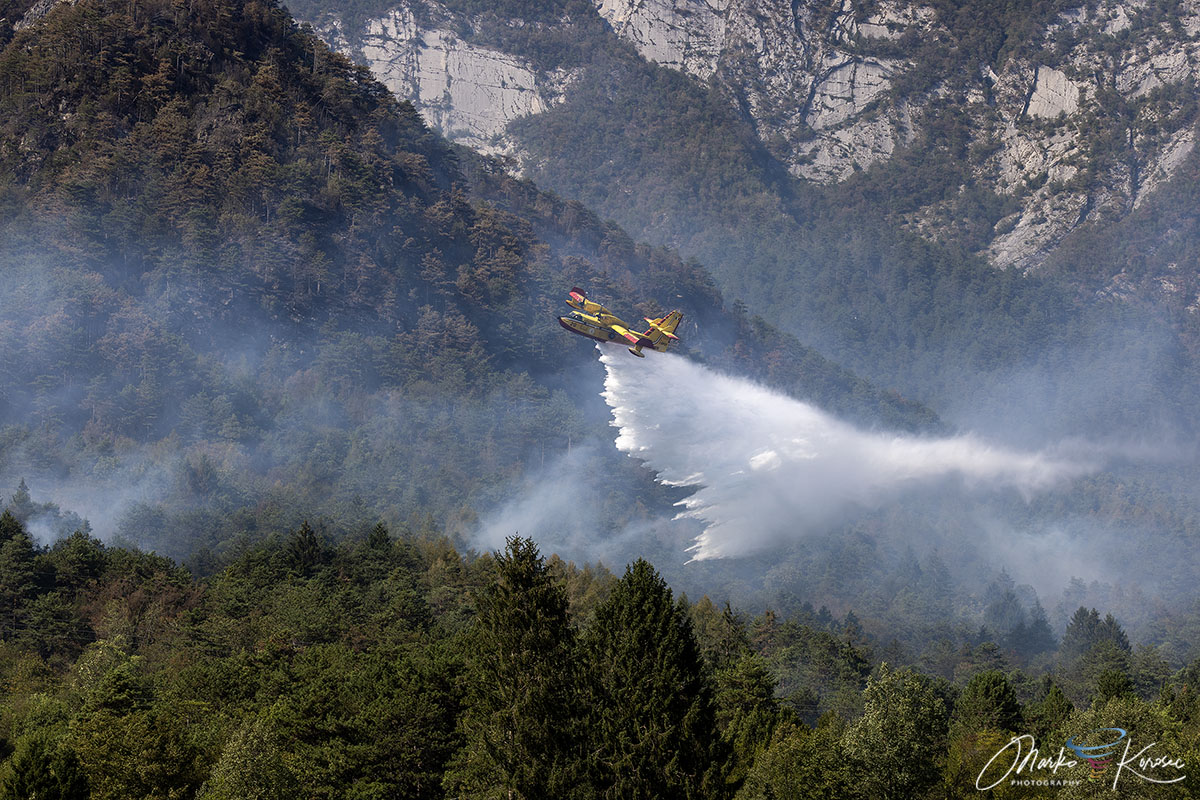
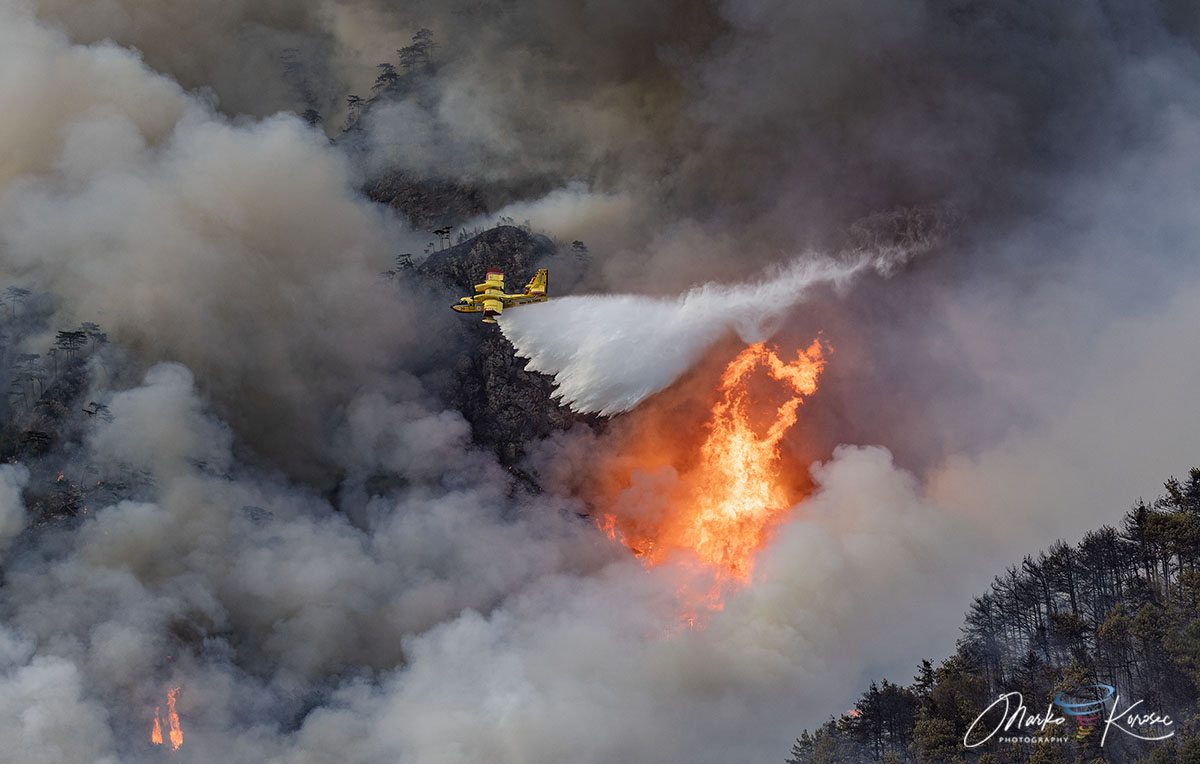
- Italian Canadair CL-415s: These specialized water bombers executed hundreds of precision drops, targeting the ridges and the inaccessible limestone cliffs to prevent the fire from crowning and spreading further.
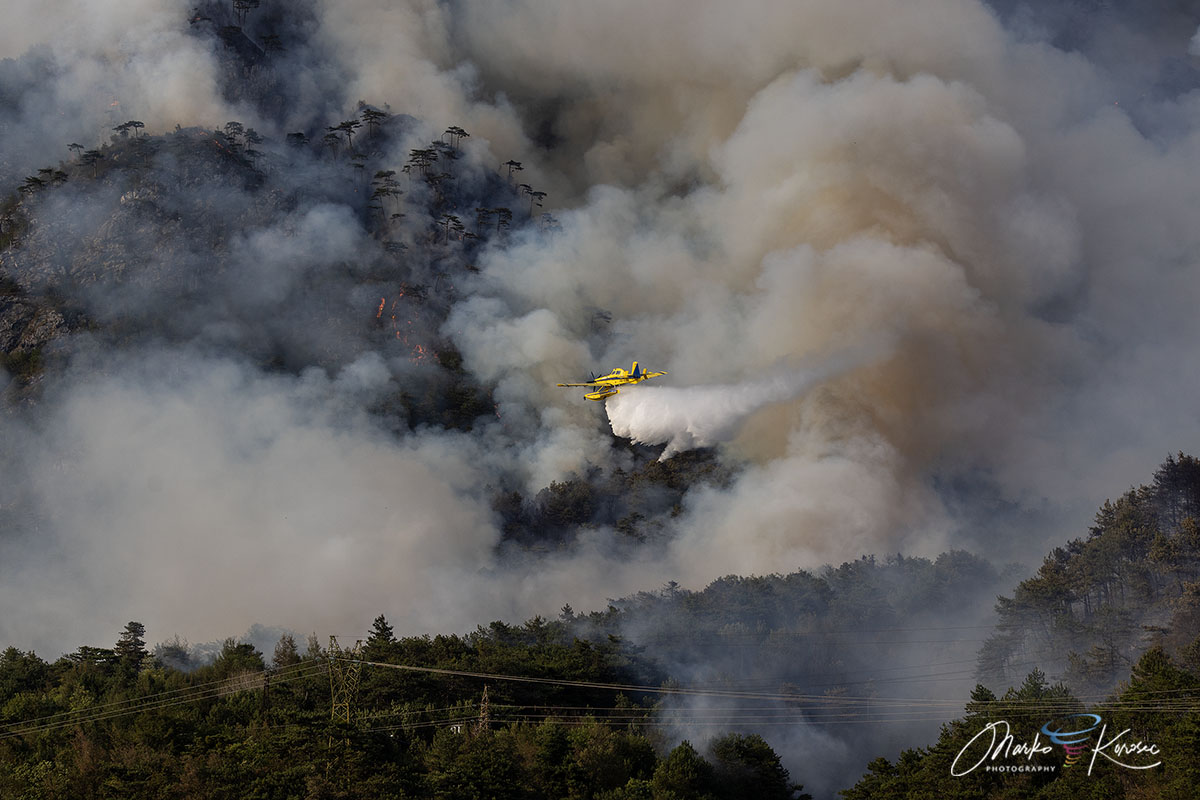
- Slovenian Air Tractor Water Bombers: In a display of cross-border cooperation, Slovenia deployed its air assets to assist the Italian teams, providing essential support in the high-altitude sectors.
- Regional Helicopters: These agile machines were utilized for both water drops in tight canyons and for the tactical transport of ground personnel to vantage points where they could monitor the fire’s progress.
On the ground, crews faced the grueling task of managing the perimeter. Their work was complicated by the presence of high- and medium-voltage power lines in the area, which had to be temporarily deactivated to ensure the safety of both the ground teams and the aerial pilots working in low-visibility conditions due to thick smoke.
Environmental and Meteorological Context
The Monte Amariana wildfire did not occur in a vacuum; it was the direct result of a prolonged meteorological trend. The Friuli-Venezia Giulia region had been suffering from a significant rainfall deficit throughout the summer of 2026. This lack of moisture reduced the fuel moisture content of the forest floor, particularly the accumulation of dry pine needles and brushwood, making the Pinus nigra stands highly combustible.
The "heat dome" phenomenon, which has become a recurring theme in European summers, served as the catalyst. By the time the storms arrived on August 20th, the region had been subjected to weeks of extreme temperatures that broke historical records. The resulting pyrocumulus clouds—towering white-and-grey plumes—were a testament to the sheer volume of heat energy being released by the burning forest, a sight that deeply unsettled local residents.
Implications and Future Mitigation
As the smoke clears over the Tagliamento valley, the focus has shifted from suppression to recovery and long-term mitigation. While the immediate danger has passed, regional teams remain on high alert. Thermal drone monitoring has been deployed to scan the charred landscape, identifying residual hotspots that could reignite should another heat wave strike.
The environmental impact is significant. Over 600 hectares of forest, much of it ancient and difficult to reforest due to the steep, limestone-based terrain, has been lost. Concerns regarding soil stability and the potential for landslides—especially given the recent heavy rains following the fire—are now at the forefront of the regional administration’s planning.
Furthermore, the event has triggered a broader conversation regarding the preparedness of the Alpine regions for climate-induced forest fires. Historically, these areas were seen as low-risk for major wildfires compared to the Mediterranean scrublands of the south. However, the 2026 fire season has shattered that perception.
"We are witnessing a shift in the fire regime of our mountains," noted one official during a post-incident briefing. "The combination of extreme drought, heat-induced volatility, and the increasing density of our forests necessitates a new approach to forest management and emergency response."
Conclusion
The suppression of the Monte Amariana wildfire is a testament to the effectiveness of international cooperation and the dedication of the men and women who risked their lives in the air and on the ground. As the community of Tolmezzo begins the process of returning to normalcy, the charred slopes of the mountain serve as a permanent reminder of the fragility of the Alpine environment.
With climate models suggesting that such extreme weather events will become more frequent, the lessons learned from the 10-day battle in Carnia will undoubtedly shape the future of civil protection and environmental stewardship in Northern Italy. The rain may have ended the fire, but the work of protecting these iconic landscapes has only just begun.
Data and imagery provided courtesy of PivotalWeather and WXcharts. Further analysis on the 2026 European heat waves can be found in our comprehensive reports on the fifth heat dome of the season.