Introduction
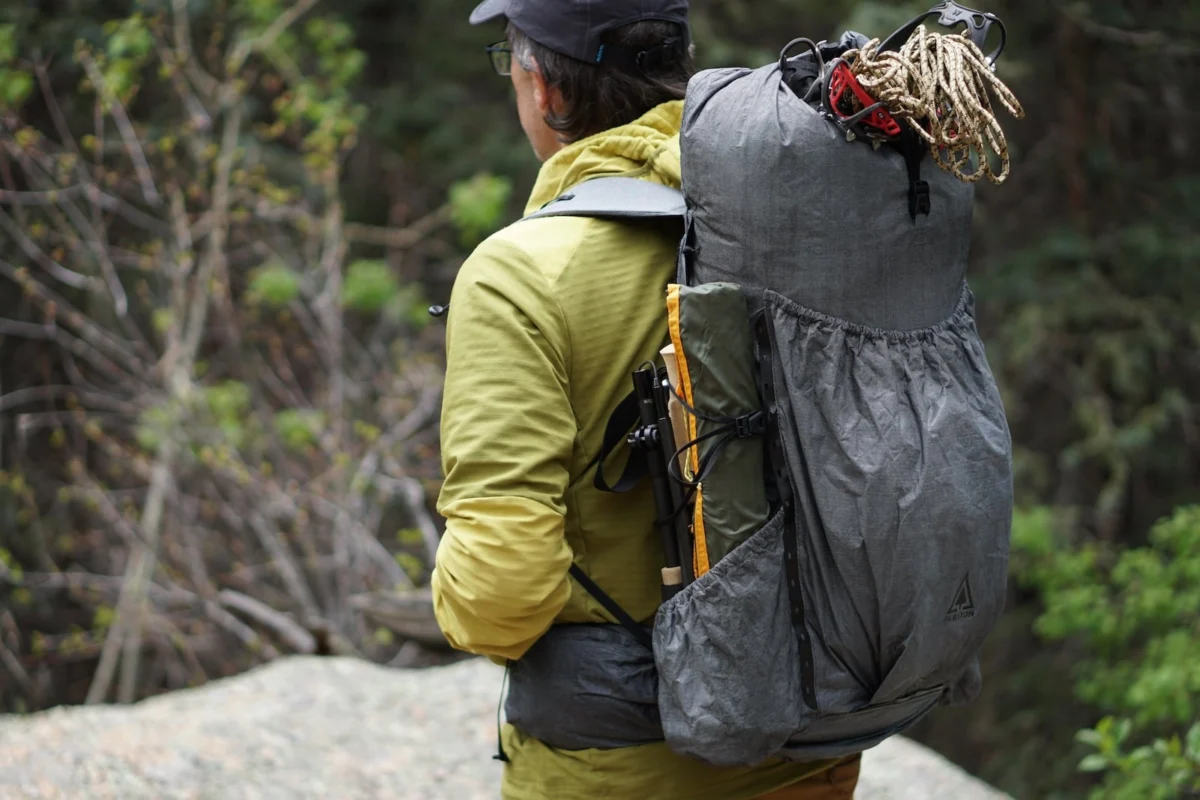
The ultralight backpacking world is currently witnessing a push toward "refined" frameless designs. At the forefront of this movement is the Durston Wapta 30. As a pack hovering in the one-pound (approx. 14 oz) weight class, it occupies a paradoxical space: it is light enough to satisfy the gram-counting purist, yet it boasts features—padded hip belts, back panels, and extensive pocket arrays—usually reserved for larger, framed packs.
The industry discourse surrounding the Wapta 30 is heavily saturated with marketing buzzwords like "comfort" and "refinement." However, a critical question remains unanswered: Does this pack actually change the mechanical reality of how weight is distributed on the human body, or is it simply a more comfortable way to carry a load entirely on the shoulders? This analysis seeks to peel back the layers of marketing to determine if the Wapta 30 represents a genuine evolution in suspension or merely a triumph of ergonomic styling.
The Core Controversy: Comfort vs. Suspension
Most current reviews of the Wapta 30 conflate three distinct variables: strap comfort, pack stability, and load transfer.
- Strap Comfort: This refers to the pressure distribution across the trapezius and clavicle.
- Pack Stability: This relates to how much the pack shifts during dynamic movement (scrambling, running, or uneven terrain).
- Load Transfer: This is the mechanical process by which a portion of the pack’s weight is diverted from the shoulders to the iliac crest (hips) via a structural frame or stiffened load path.
The Wapta 30 is undeniably stable and comfortable. However, in the realm of physics, "frameless" means there is no rigid member (like aluminum stays or a plastic framesheet) to act as a bridge between the shoulders and the hips. Consequently, regardless of how plush the hip belt is, if the pack lacks a structural "backbone," the load remains vertically oriented on the shoulders. This review evaluates whether the Wapta’s design—utilizing advanced Aluula Graflyte fabric and specific back-panel shaping—actually achieves what traditional frameless packs cannot.
Chronology of the Wapta’s Development
Durston Gear’s entry into the 30-liter category follows a broader trend of "fast-and-light" evolution.
- Phase 1: The Concept. Durston aimed to solve the "frameless fatigue" issue—the tendency for small packs to sag and pull backward when loaded with more than 15 pounds.
- Phase 2: Material Selection. The adoption of Aluula Graflyte was a pivotal design decision. Unlike traditional Dyneema Composite Fabrics (DCF), Aluula offers a unique stiffness-to-weight ratio, allowing the pack to maintain its shape under tension.
- Phase 3: The Refinement. Through several prototypes, the design team focused on the "Lumbar Interface." By narrowing the lumbar width relative to the pack body and integrating dual vertical foam pads, the design team attempted to create a "cradle" effect that mimics a frame without the weight penalty.
- Phase 4: Field Testing. The pack underwent extensive testing across various mountain kits, ranging from 22 to 29 pounds, incorporating 3-season gear, climbing ropes, and multi-day food supplies.
Comparative Data: The Benchmarking Landscape
To assess the Wapta 30, we must compare it against a diverse ecosystem of ultralight packs. The following table highlights the structural differences between the Wapta and its peers.
| Pack | Structural Logic | Primary Mechanical Advantage |
|---|---|---|
| Durston Wapta 30 | Frameless / Foam-pad reinforced | Ergonomic fit; high stability |
| Gossamer Gear Mirage 40 | Carbon fiber X-frame | Genuine frame-mediated load transfer |
| Arc’teryx Alpha SL 30 | Bonded foam framesheet | Semi-structural alpine geometry |
| Nashville Cutaway | Torso-coupled vest harness | Unrivaled movement stability |
As the data suggests, the Wapta sits in a middle ground. While packs like the Gossamer Gear Mirage 40 provide a direct load path, the Wapta relies on the user’s own body and the tension of the pack bag to maintain structure.
Official Responses and Design Intent
Durston Gear has been transparent about the pack’s capabilities. In their technical briefings, the company emphasizes that the Wapta 30 is designed for "the ultralight hiker who wants the benefits of a vest-style harness and a refined carry, without the complexity of an internal frame."
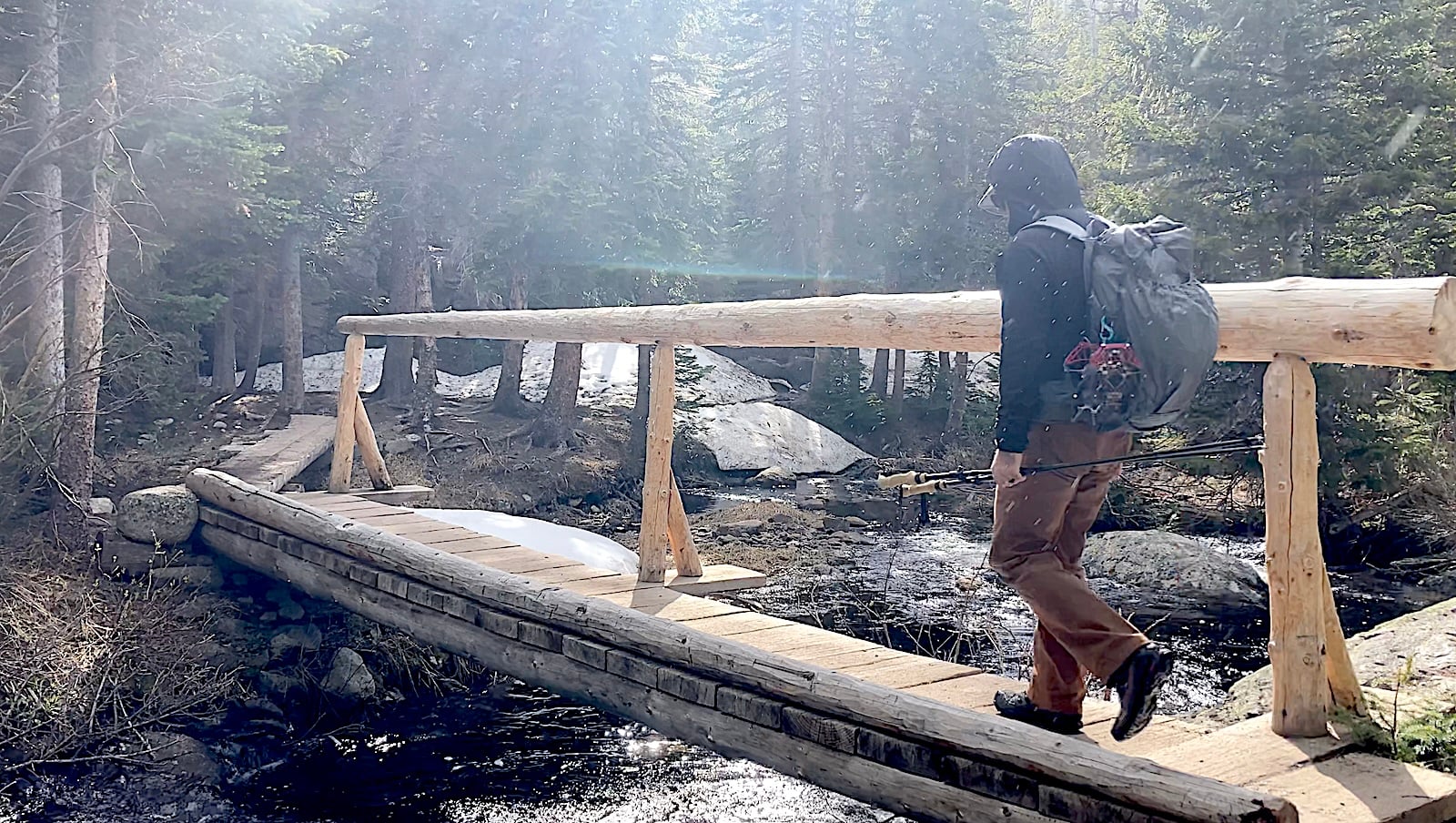
Durston’s lead engineers argue that by optimizing the geometry of the back panel and the placement of the hip belt, they can reduce the "pull-back" effect common in frameless packs. By moving the load closer to the user’s center of gravity, they claim the pack feels significantly lighter than its physical weight suggests. While this is not "load transfer" in the traditional backpacking sense (i.e., using a frame to support the weight), it is "load management"—a crucial distinction for the modern thru-hiker.
Implications for the Ultralight Market
The release of the Wapta 30 has significant implications for how we view gear innovation.
1. The Death of the "Pure" Frameless Pack
For years, the gold standard for frameless packs was simplicity—the lighter, the better. The Wapta 30 shifts this narrative. It suggests that hikers are willing to sacrifice an extra 2–3 ounces for "refinement." This signals a move away from the "suffer-fest" mentality of early UL gear toward a more comfortable, user-centric experience.
2. The Aluula Revolution
Aluula is clearly the future of high-end ultralight gear. Its ability to hold structure without being bulky allows manufacturers like Durston to create "semi-structured" packs that feel more like a glove than a sack. We expect to see more manufacturers moving away from traditional fabrics toward these high-modulus, composite materials.
3. Redefining "Load Capacity"
The Wapta 30 claims a 25-pound capacity. Our testing shows that while the pack can physically carry 29 pounds, the comfort threshold drops significantly above 20 pounds. Hikers should interpret "claimed capacity" not as a structural limit, but as a "comfort envelope." If you are consistently carrying 25+ pounds, the lack of a true frame will eventually fatigue the trapezius, regardless of how well-designed the hip belt is.
Conclusion
The Durston Wapta 30 is a masterclass in ergonomic design. It achieves a level of stability and comfort that makes it superior to traditional "sack-style" frameless packs. However, it is important to remain clear-eyed about its mechanics: it is not a substitute for a framed pack.
If you are a hiker looking to reduce your base weight while maintaining the ability to carry heavy food loads for days at a time, the Wapta 30 offers a sophisticated solution. It provides the best "non-framed" carry on the market, characterized by excellent torso coupling and intelligent pocket placement. Yet, for those expecting the hip-transfer capabilities of a traditional internal frame, the Wapta remains a reminder that physics is a stubborn discipline. It is a highly refined tool, but one that still ultimately relies on your shoulders to do the heavy lifting.
For more in-depth data on material fatigue and long-term field testing of the Wapta 30, stay tuned for our upcoming long-term follow-up report.