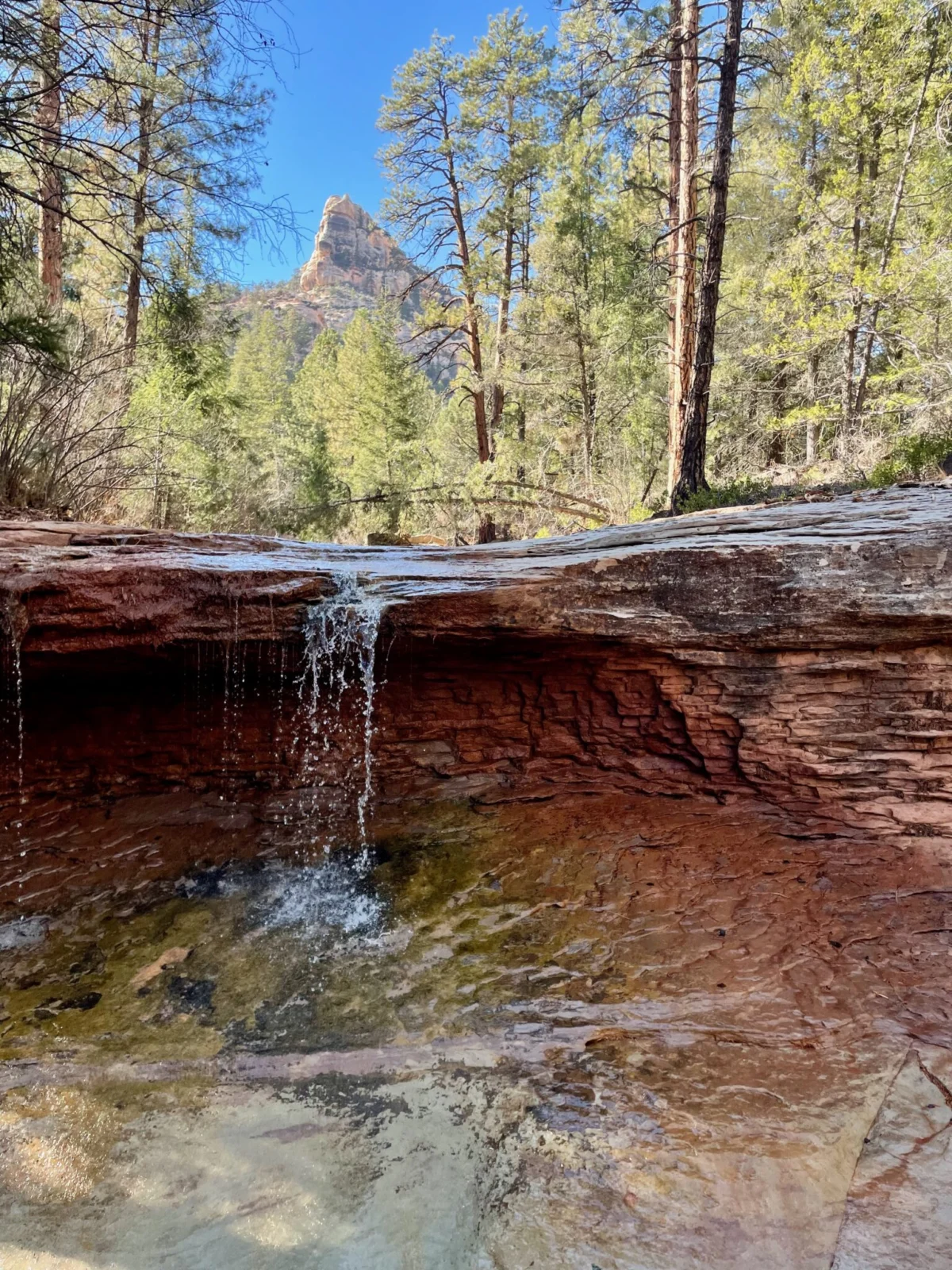
For over a century, the Antiquities Act has stood as the bedrock of American conservation. Signed into law by President Theodore Roosevelt in 1906, this singular piece of legislation granted the Executive Branch the authority to protect "objects of historic or scientific interest" as National Monuments. It is a legacy that spans generations and party lines; forty presidents have utilized this power to safeguard landscapes that would eventually evolve into the crown jewels of our park system, including the Grand Canyon, Zion, Acadia, and Olympic National Parks.
Today, that legacy faces a critical inflection point. In a move described by conservationists as the most drastic reduction of public land protection in American history, the federal government has issued proclamations slashing the boundaries of Bears Ears and Grand Staircase-Escalante National Monuments by 90 percent. As nearly three million acres of protected wilderness are suddenly opened to potential development, the nation is forced to confront a fundamental question: What is the value of our public trust, and who holds the authority to dismantle the heritage of the American landscape?
The Anatomy of the Crisis: A Chronology of Conflict
The recent reduction of Bears Ears and Grand Staircase-Escalante is not an isolated event but the culmination of a decade-long tug-of-war over the soul of the American West.
- 1996: President Bill Clinton designates the Grand Staircase-Escalante National Monument, a 1.9-million-acre expanse in southern Utah prized for its paleontological riches and stark, geologic beauty.
- 2016: Following intense lobbying by the Bears Ears Inter-Tribal Coalition—comprised of the Hopi, Navajo Nation, Ute Mountain Ute, Zuni, and Ute Indian Tribes—President Barack Obama establishes the 1.35-million-acre Bears Ears National Monument, marking the first time a monument was designated based on tribal consultation and ancestral connection.
- 2017: The administration attempts a significant rollback, reducing the monuments by roughly two million acres. This decision triggers years of litigation and local protests.
- 2021: The Biden administration restores the original boundaries, reinstating the protections for these sensitive ecosystems and cultural sites.
- July 13, 2026: In an unprecedented executive action, the current administration issues new proclamations that slash the combined protected area to just over 300,000 acres, effectively dismantling 90% of the previous designations. The Bears Ears Commission, a vital advisory body comprised of tribal representatives, is disbanded, and tribal seals are stripped from official monument signage.
The Economic and Ecological Stakes
To view these lands merely as "open space" is to ignore the vital life-support systems they provide. The 31 national monuments designated over the last three decades act as the nation’s "natural water towers," protecting 21,143 miles of rivers across 2,125 watersheds. These rivers sustain the clean water supply for more than 13 million Americans.
Gateway Communities and Sustainable Growth
The economic narrative often pushed by those favoring deregulation—that conservation stifles local growth—is contradicted by empirical data. In Taos, New Mexico, the gateway to the Rio Grande Del Norte National Monument, the community witnessed a 40% surge in tourism and a 20% increase in lodging tax revenue within just one year of the monument’s designation.
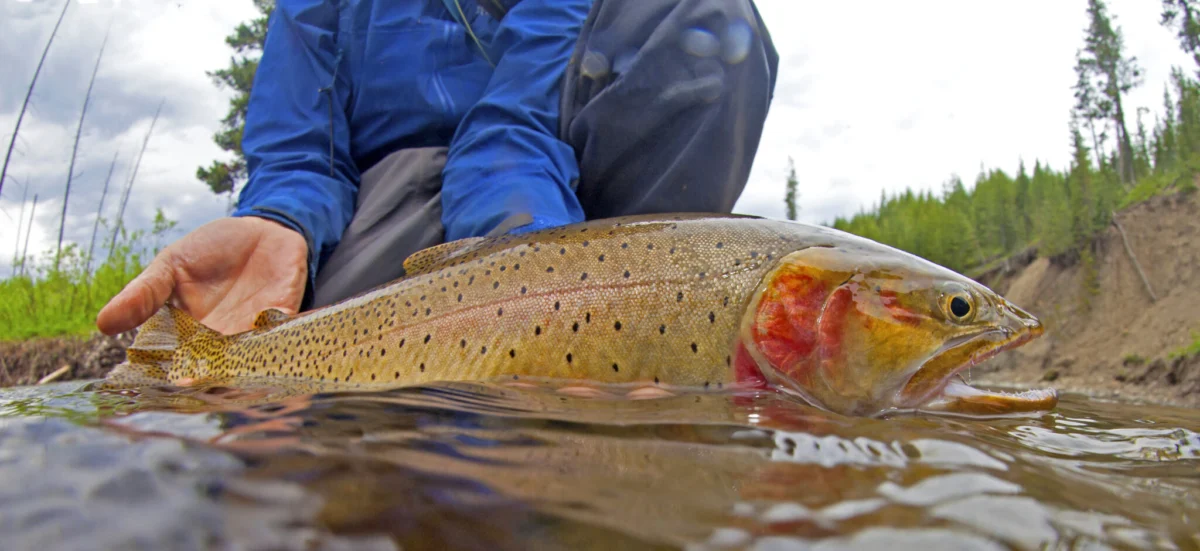
Similarly, a National Park Service study focusing on Maine’s Katahdin Woods and Waters National Monument found that the protected watersheds of the East Branch Penobscot River contributed $3.4 million to local gateway economies in a single year. These protections safeguard critical cold-water headwaters, supporting endangered Atlantic salmon, wild brook trout, and a host of species that define the regional identity.
The Migration Corridor
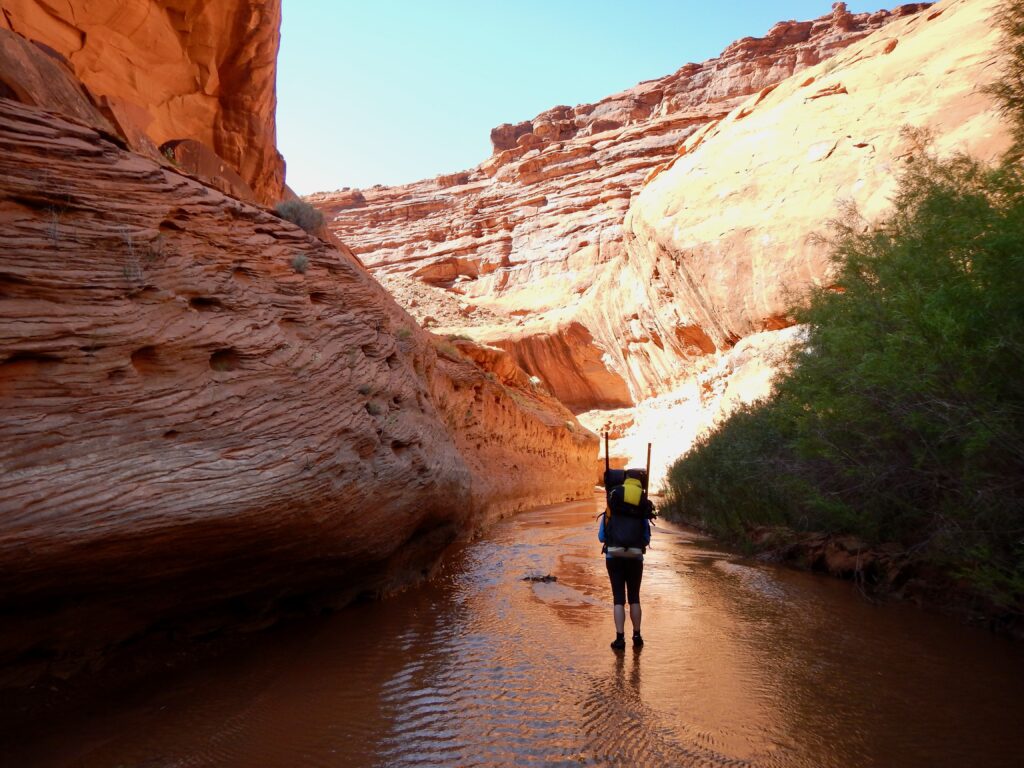
National Monuments are not static museum pieces; they are dynamic ecosystems. In the American Southwest, river corridors serve as essential migration routes for elk, pronghorn, bighorn sheep, and mule deer. By protecting the river, we protect the entire web of life. When these corridors are fragmented by development, the ecological health of the entire basin suffers, leading to long-term degradation of water quality and biodiversity.
Tribal Sovereignty and the Public Trust
Perhaps the most contentious aspect of the recent rollback is the impact on Tribal Nations. For the Indigenous peoples of the Southwest, these lands are not merely "public resources"—they are ancestral homelands, sacred sites, and living cathedrals.
Bears Ears National Monument represents a landmark achievement in co-management. The Bears Ears Inter-Tribal Coalition, working in concert with federal agencies, created a model for how the government can respect tribal sovereignty while managing natural and cultural resources. The recent decision to disband the Bears Ears Commission is seen by many as a direct assault on this collaborative governance model.
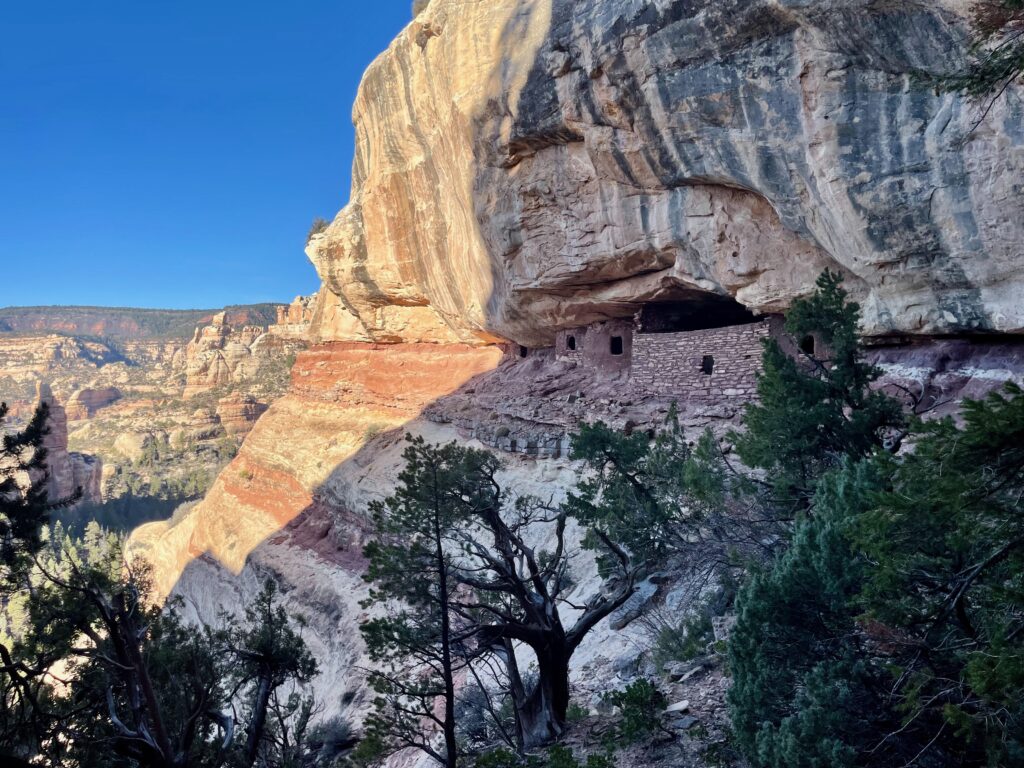
"These places are our open-air museums," says one local advocate. "The cliff houses, the rock art, the kivas—they are the physical record of our ancestors. When you strip the tribal representation from the management of these lands, you are not just changing policy; you are erasing a culture."
The Implications: A Precedent for Future Rollbacks?
The 2026 rollback creates a dangerous legal and cultural precedent. If nearly three million acres can be removed from protection with the stroke of a pen, no national monument in the United States is truly safe.
The Fragility of Conservation
Environmental organizations and legal scholars are currently analyzing the implications for other monuments across the country. From the coastal ranges of California to the forest watersheds of the Northeast, the uncertainty surrounding the Antiquities Act threatens to stall long-term conservation planning. Businesses, local governments, and tourism boards rely on the stability of federal designations to invest in the future. When that stability is replaced by political volatility, the economic "gateway" potential of these lands evaporates.
Public Sentiment vs. Policy
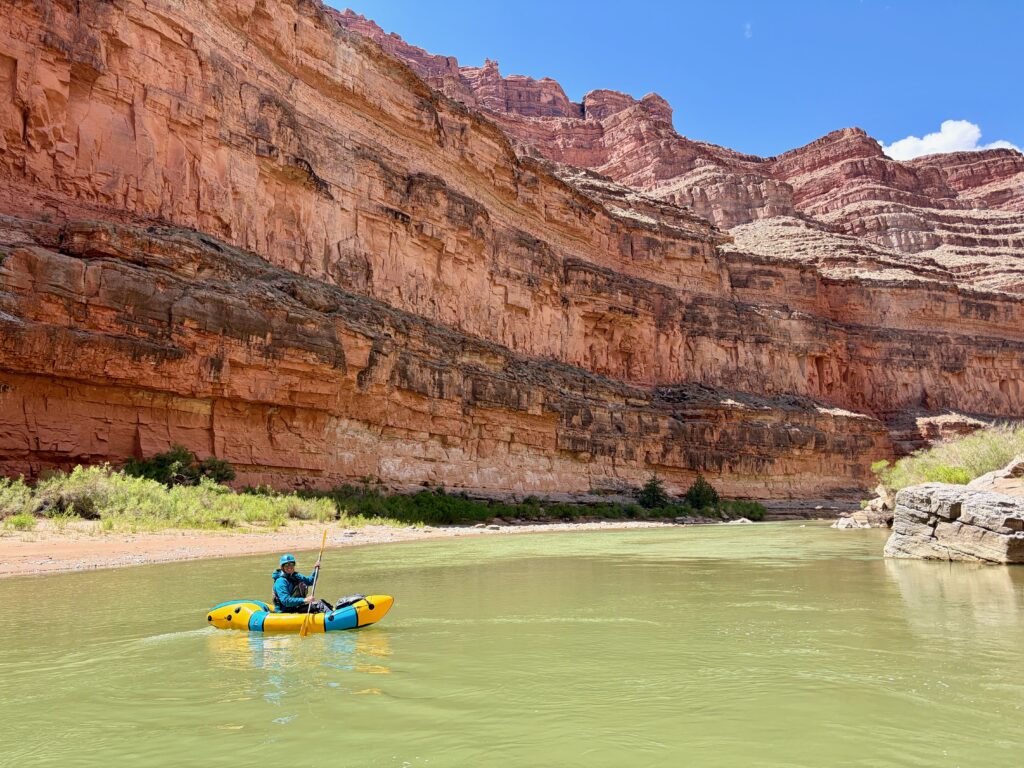
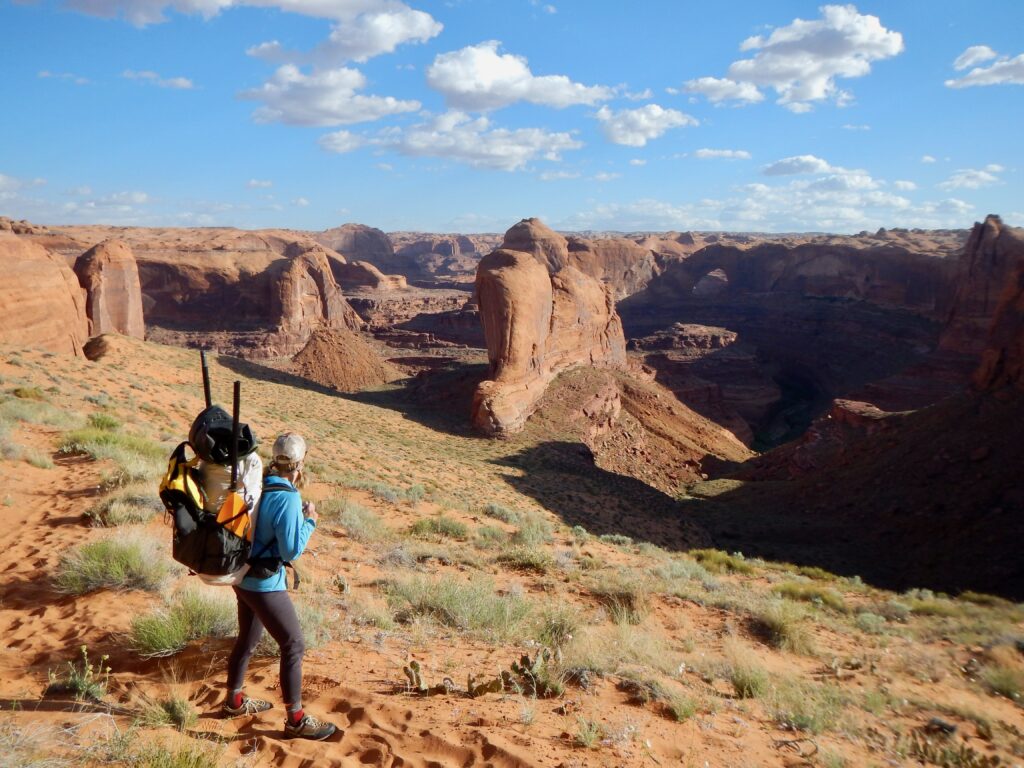
The scale of public backlash against the current decision has been significant. Over 1,000 citizens recently gathered in six cities across Utah, signaling a deep, bipartisan disconnect between the administration’s policy and the desires of those who live, work, and recreate in these landscapes. For the families who have made annual pilgrimages to the canyons of the Colorado and San Juan river systems for decades, the loss of these protected boundaries is felt as a personal and national betrayal.
Moving Forward: The Path to Restoration
As the legal battles begin in the courts, the focus remains on the necessity of maintaining the integrity of the Antiquities Act. The act has served as one of the most effective conservation tools in history precisely because it allows for the swift, decisive protection of lands that are vulnerable to exploitation.
We must ask ourselves: What do we owe the future? If we allow our most irreplaceable waterways and landscapes to be opened to short-term industrial gain, we risk losing the very things that define the American experience.
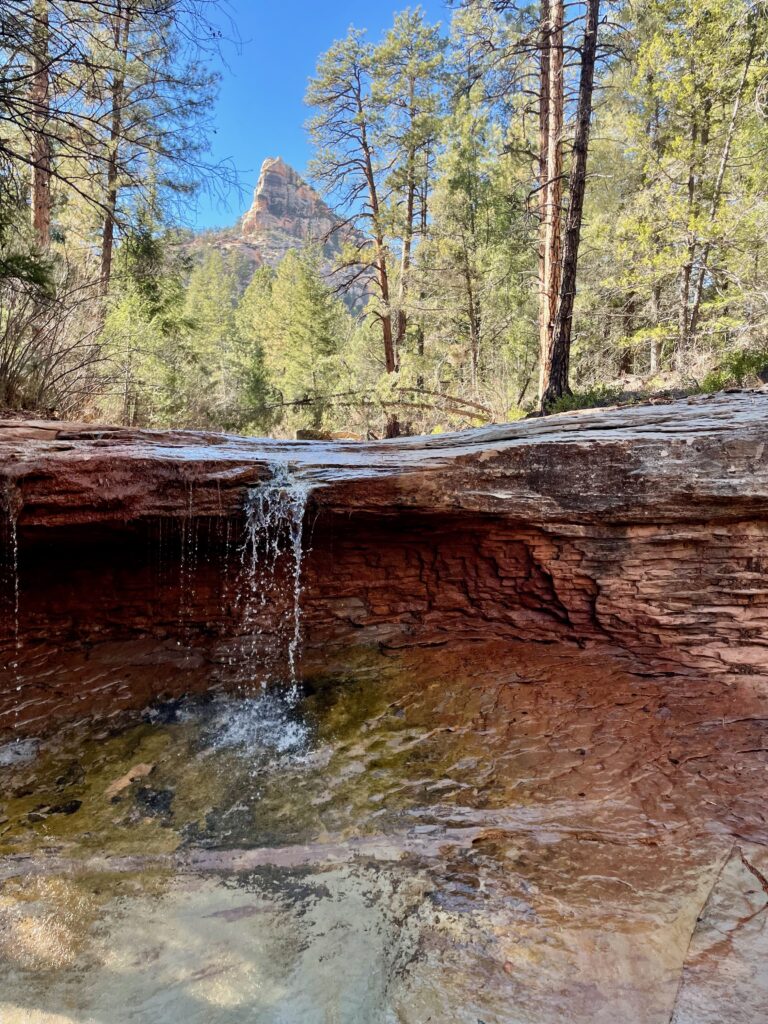
For those who wish to understand what is at stake, the message from advocates is simple: "Go. See for yourself." By visiting these monuments, engaging with the tribal history, and witnessing the ecological health of the river systems, citizens can gain a clearer perspective on why these designations are not just lines on a map, but the foundation of our national legacy.
The defense of these monuments is more than a struggle over acreage; it is a struggle for the definition of the public trust. Whether these lands remain as protected sanctuaries for future generations or are carved up for immediate extraction will depend on the resolve of the public to defend the heritage that belongs to us all.
For more information on how to support the protection of our public lands and rivers, and to track the ongoing legal status of these monuments, connect with local conservation coalitions and national river advocacy organizations.