By Alice Broderick | June 18, 2026
As the summer solstice approaches, the lengthening days invite a nationwide migration toward the water. For millions of Americans, this season is defined by the rhythm of our rivers—the cooling spray of a kayak paddle, the quiet focus of fly fishing, and the restorative stillness of a riverbank at dusk. These moments of recreation are more than just seasonal pastimes; they are essential reminders of our profound connection to the natural world.
At American Rivers, our guiding principle is the belief that Life Depends on Rivers®. This is not merely a slogan; it is a fundamental biological and societal truth. Rivers are the lifeblood of our infrastructure, providing our drinking water, sustaining our agricultural systems, and serving as the primary corridors for biodiversity. However, as we observe National Rivers Month this June, we do so with a clear-eyed recognition that these systems face unprecedented pressures from pollution, climate instability, and aging infrastructure.
Despite these daunting challenges, the past year has been defined by a series of monumental wins that prove when communities, policymakers, and advocates align, we can reverse the tide of degradation. This report highlights the significant strides made in river restoration and protection over the last twelve months, serving as both a celebration of progress and a blueprint for the future.
The State of Our Waters: A Year of Unprecedented Progress
The health of a nation can often be measured by the health of its waterways. In the past year, we have witnessed a paradigm shift in how the United States views its riverine assets. From the removal of century-old barriers to the passage of historic funding legislation, the collective efforts of conservationists have led to measurable, landscape-scale changes.
100 Dams Down: A New Era of Connectivity
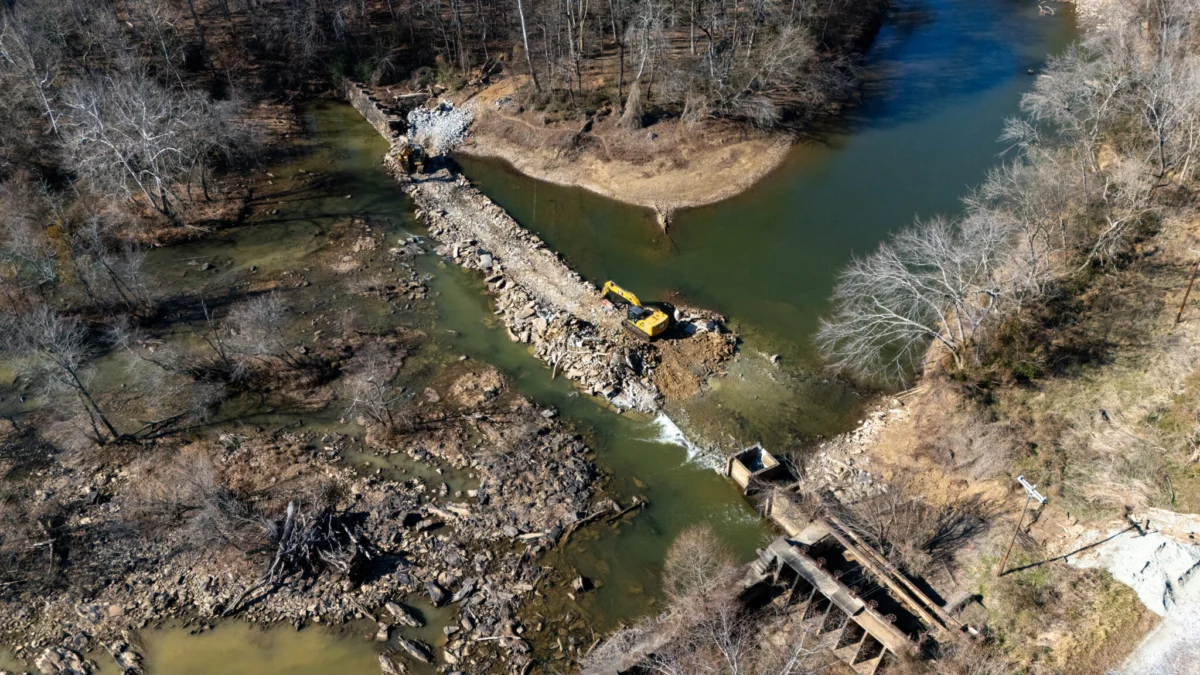
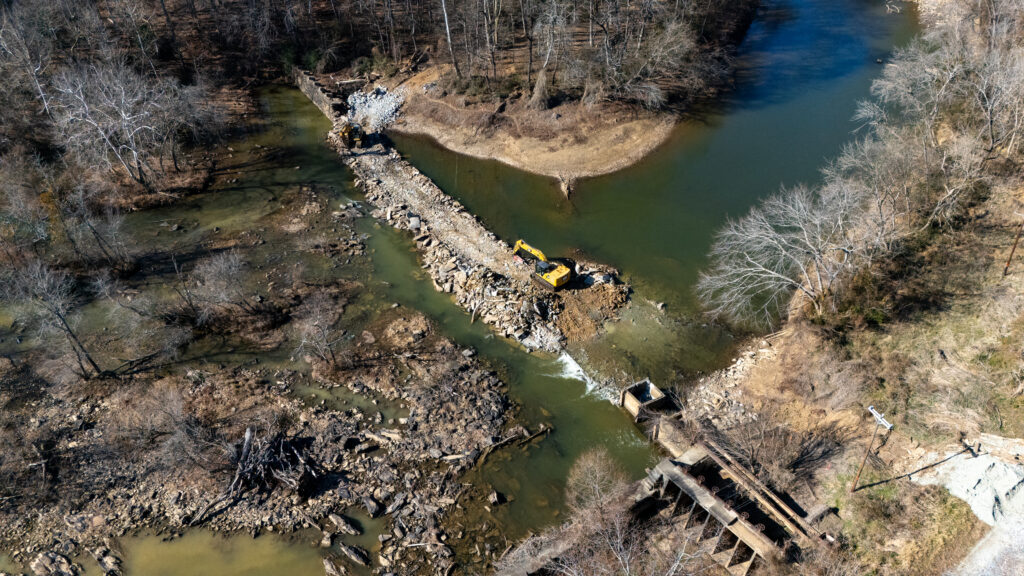
The most significant milestone of the 2025 calendar year was the removal of 100 dams across 30 states. For decades, these structures—many of which were obsolete, structurally compromised, or ecologically destructive—served as permanent barriers to fish migration and sediment transport.
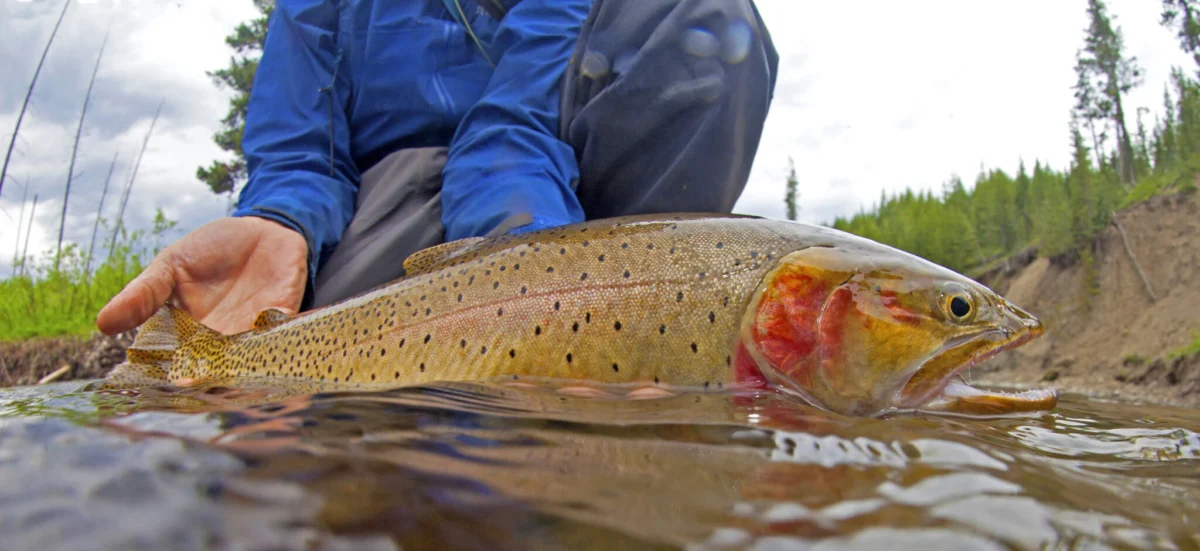
The scope of this achievement is unprecedented. By removing these 100 obstacles, we have successfully reconnected 4,893 miles of river habitat. This represents the single most significant year for river reconnection in American history. As these barriers fall, the rivers are reclaiming their natural morphology. In many cases, water is flowing freely for the first time in over a century, allowing native fish species—such as salmon, sturgeon, and trout—to reach ancestral spawning grounds that had been locked away behind concrete for generations.
The Tijuana River Agreement: Addressing a Public Health Crisis
In April 2025, the Tijuana River was identified as the #2 site on our America’s Most Endangered Rivers® report. The designation was a direct response to the toxic pollution and sewage overflows that have plagued the border region, creating a persistent public health emergency for local communities.
The designation served as a strategic catalyst. By elevating the issue on a national stage, American Rivers, in partnership with the Surfrider Foundation and Un Mar de Colores, successfully galvanized federal interest. The resulting momentum led to a high-level meeting with EPA Administrator Lee Zeldin, which accelerated negotiations between the United States and Mexico. The culmination of these efforts was a landmark bilateral agreement designed to address the infrastructure failures causing the pollution. This success story illustrates a critical lesson in modern conservation: the power of combining grassroots scientific data with high-level diplomatic pressure.
Chronology: A Year of Conservation Milestones
- February 2026: Community members and conservationists gather in West Seattle to celebrate the completion of a major headwater wetland restoration project, marking a new model for urban ecological resilience.
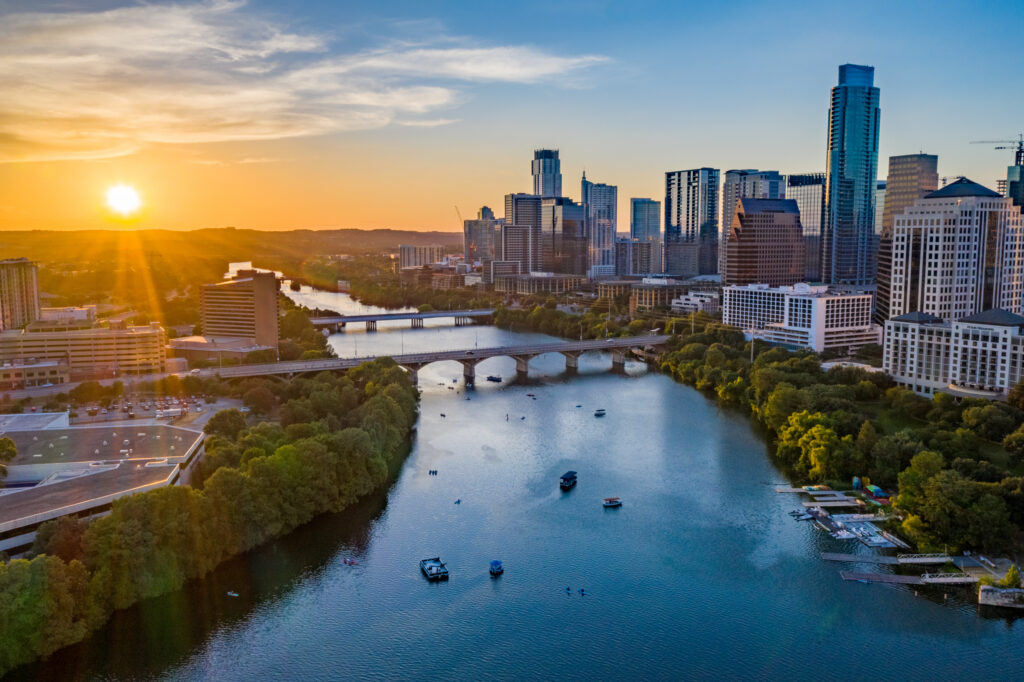
- December 2025: Texas voters approve a historic $20 billion ballot measure, the largest state-led water investment in U.S. history, setting a precedent for bipartisan support for water resilience.
- November 2025: The final tally of dam removals for the year is confirmed at 100, totaling nearly 5,000 miles of reconnected river.
- July 2025: Following the America’s Most Endangered Rivers® report, federal agencies and stakeholders engage in formal negotiations regarding the Tijuana River’s toxic effluent.
- April 2025: The annual America’s Most Endangered Rivers® report is released, sparking a national conversation on the intersection of border policy and environmental health.
Supporting Data: The Economic and Ecological Case
The momentum we are seeing is not accidental; it is driven by an increasing body of evidence that healthy rivers are a superior economic and social investment.
Ecological Impact:
The 4,893 miles of reconnected river represent a massive increase in habitat availability. Research indicates that river fragmentation is a leading driver of biodiversity loss. By restoring the connectivity of these watersheds, we are creating more resilient ecosystems capable of withstanding the impacts of climate change, such as extreme heat and altered precipitation patterns.
Economic Impact:
The $20 billion investment in Texas is the crown jewel of economic conservation. By prioritizing "natural infrastructure"—such as wetlands and floodplains—the state is not only protecting itself from catastrophic flooding but is also creating high-paying jobs in civil engineering, ecological restoration, and water management. This is proof that environmental protection is a driver of fiscal stability, not an impediment to it.
Official Perspectives and Strategic Advocacy
The success of the past year has been built on a diverse coalition of stakeholders. When asked about the record-breaking pace of dam removal, environmental policy experts note that the combination of federal funding and private-public partnerships has lowered the barrier to entry for local dam owners.
"The goal is no longer just to protest against destruction; it is to offer viable, funded alternatives for infrastructure management," stated a representative from American Rivers. "The Texas ballot initiative proved that when you frame water security as a public safety and economic necessity, you gain support from across the political spectrum. It isn’t a ‘left’ or ‘right’ issue; it’s a ‘life’ issue."
Regarding the Tijuana River, the EPA’s engagement signaled a shift in how federal agencies treat transboundary environmental issues. By treating the river as a shared asset rather than a geopolitical liability, the U.S. and Mexico have established a framework that could be applied to other distressed watersheds along the border and beyond.
Implications: The Future of River Advocacy
As we look toward the remainder of 2026, the successes of the past year present both a mandate and a challenge. We have proven that the "Life Depends on Rivers" framework works, but the threats—urban sprawl, industrial pollution, and water scarcity—are evolving.
Scaling the Urban Restoration Model
The Seattle wetland project provides a template for future urban planning. As cities become more densely populated, the integration of green space and natural water filtration is no longer optional. By restoring headwater wetlands, we can naturally mitigate the urban heat island effect, improve water quality for downstream users, and provide necessary recreational spaces for residents.
Sustaining the Political Will
The Texas victory serves as a reminder that conservation funding is won at the ballot box. Future advocacy must focus on replicating this model in other states facing water shortages. By dedicating consistent, long-term funding to water infrastructure, states can proactively manage their resources rather than reactively responding to crises.
The Power of Collective Action
The most critical takeaway from this year is the necessity of participation. Whether through supporting policy changes, participating in local river cleanups, or simply advocating for local protection, the voice of the public remains the most potent tool in the conservationist’s arsenal.
As you enjoy the rivers this summer—whether you are casting a line, paddling a rapid, or simply sitting in quiet contemplation—remember that the health of these waterways is a direct reflection of our collective values. The progress made in 2025 and 2026 has been significant, but it is only the beginning. We have 100 dams down, but thousands remain. We have a historic agreement in Tijuana, but the work of restoration has just begun.
We invite you to join us in this ongoing mission. Stay informed, stay engaged, and continue to advocate for the rivers that sustain us all. Because when we protect our rivers, we aren’t just saving a resource—we are securing our future.
Life truly depends on rivers. Let’s ensure they continue to flow for generations to come.