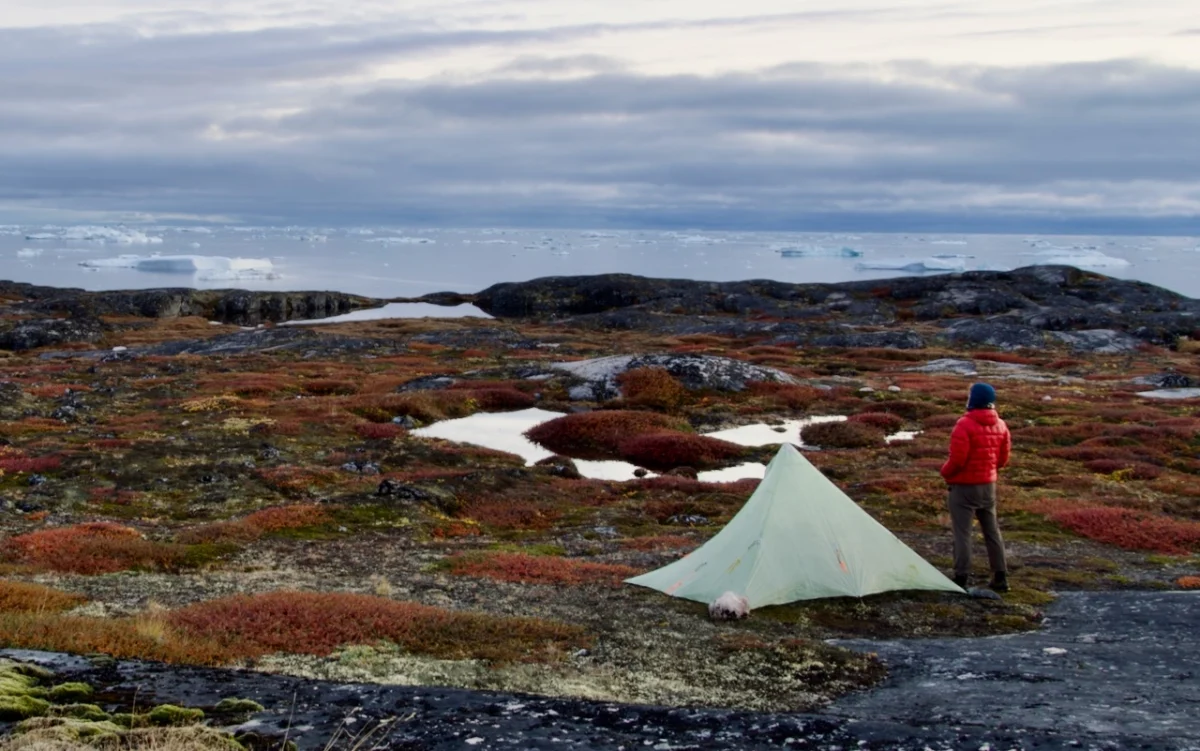
In late summer 2023, the boundaries of endurance were tested as Kate “Swept Away” Pickett and I set out to conquer two of Iceland’s most demanding trekking challenges: the isolated Hornstrandir Peninsula and a full-length north-to-south traverse of the country. Spanning 120 km (75 miles) and 600 km (373 miles) respectively, these expeditions served as a masterclass in gear management, mental fortitude, and the brutal reality of North Atlantic meteorology.
Main Facts: The Scope of the Expedition
The dual-expedition format was designed to test both technical capability and logistical planning. Hornstrandir, located in the Westfjords, is perhaps Iceland’s most remote wilderness, accessible only by boat and characterized by jagged cliffs, arctic foxes, and unpredictable coastal weather. Following this, the 600-km Iceland Traverse demanded a self-supported approach across the volcanic heart of the Central Highlands.
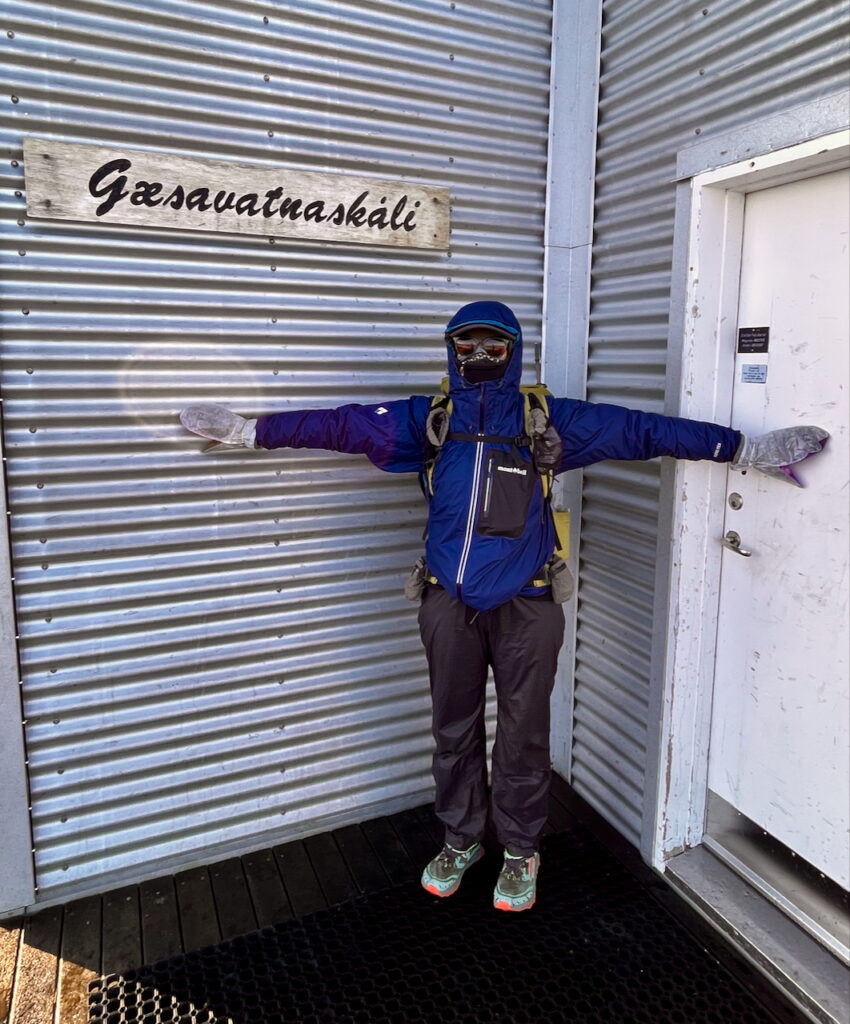
Temperatures throughout the trip fluctuated between mid-teen Celsius (low 60s F) and a biting -5°C (23°F). While the Hornstrandir segment provided a rugged introduction, the true test arrived in early September. Crossing the Central Highlands, we faced sustained cyclonic conditions, with wind speeds peaking at 100 km/h (62 mph) coupled with horizontal rain and snow.
Chronology: A Tale of Two Landscapes
The expedition began in the raw, maritime environment of Hornstrandir. The logistics here were dictated by boat schedules and the necessity of navigating cliff-side terrain. By late August, the transition to the mainland began, marking the start of the 600-km traverse.
The Central Highlands: The Crucible
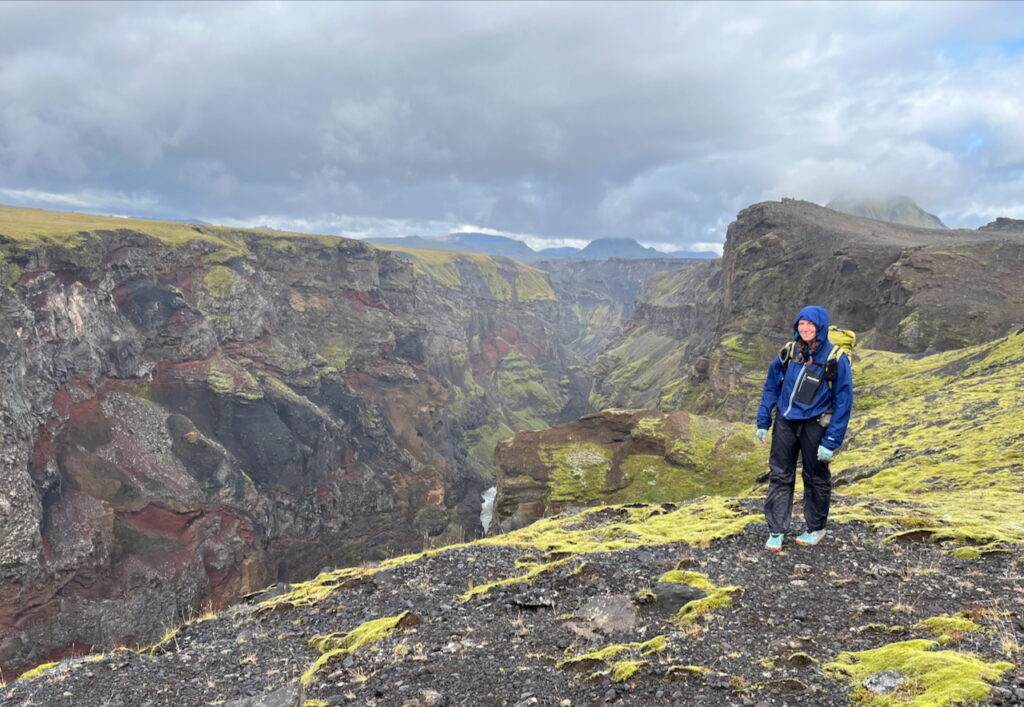
The most significant hurdle occurred during the first week of September. As we pushed through the volcanic deserts of the interior, the Icelandic weather system shifted. For three consecutive days—from September 1 through the morning of September 4—we were forced to navigate through a relentless barrage of driving wind and precipitation.
The strategy during this phase shifted from "hiking" to "survival." By maintaining a consistent pace, monitoring our caloric intake, and ensuring our shelter was optimized for high-wind conditions, we managed to maintain progress where many might have been forced to retreat to the nearest hut.
Supporting Data: Gear and Technical Analysis
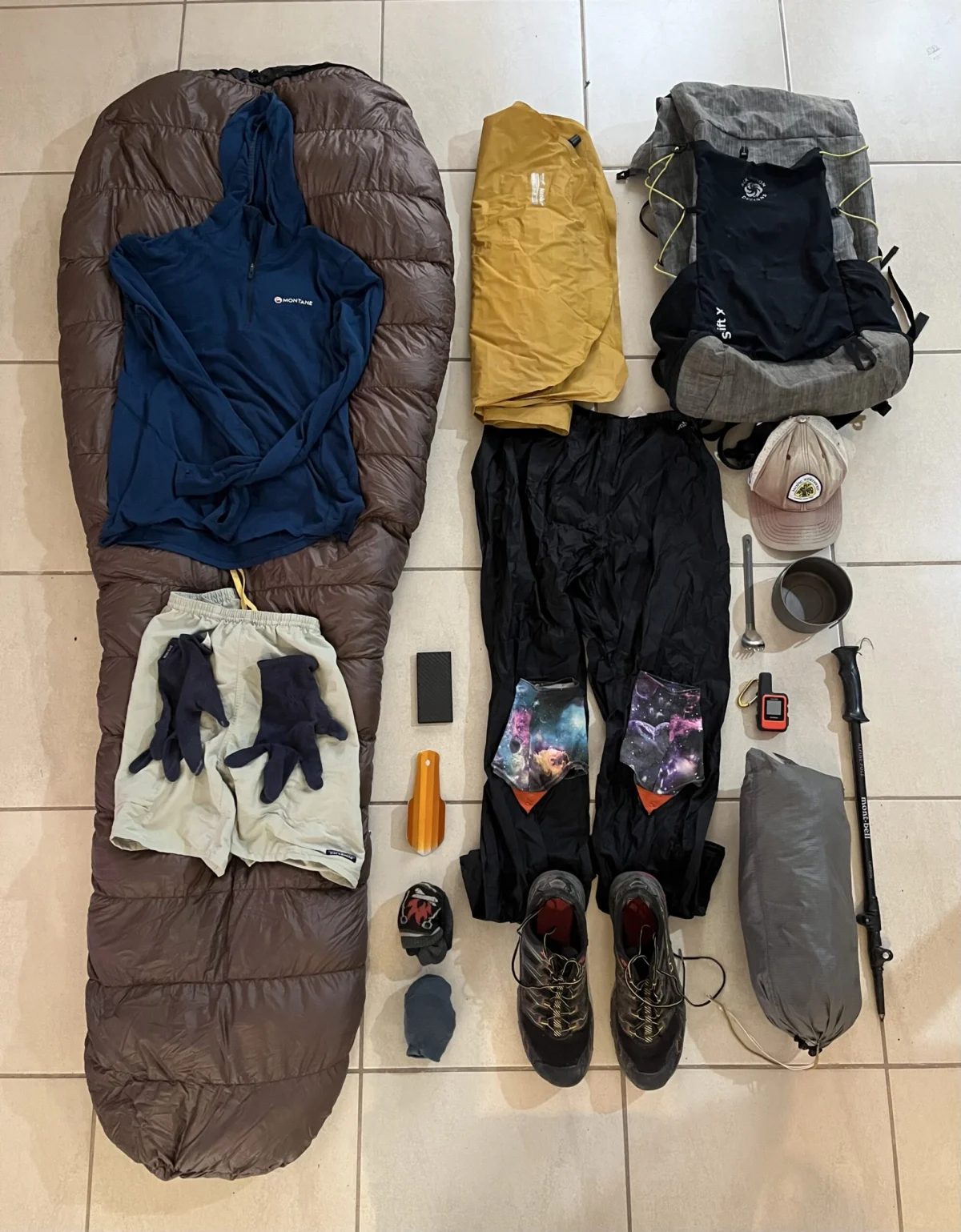
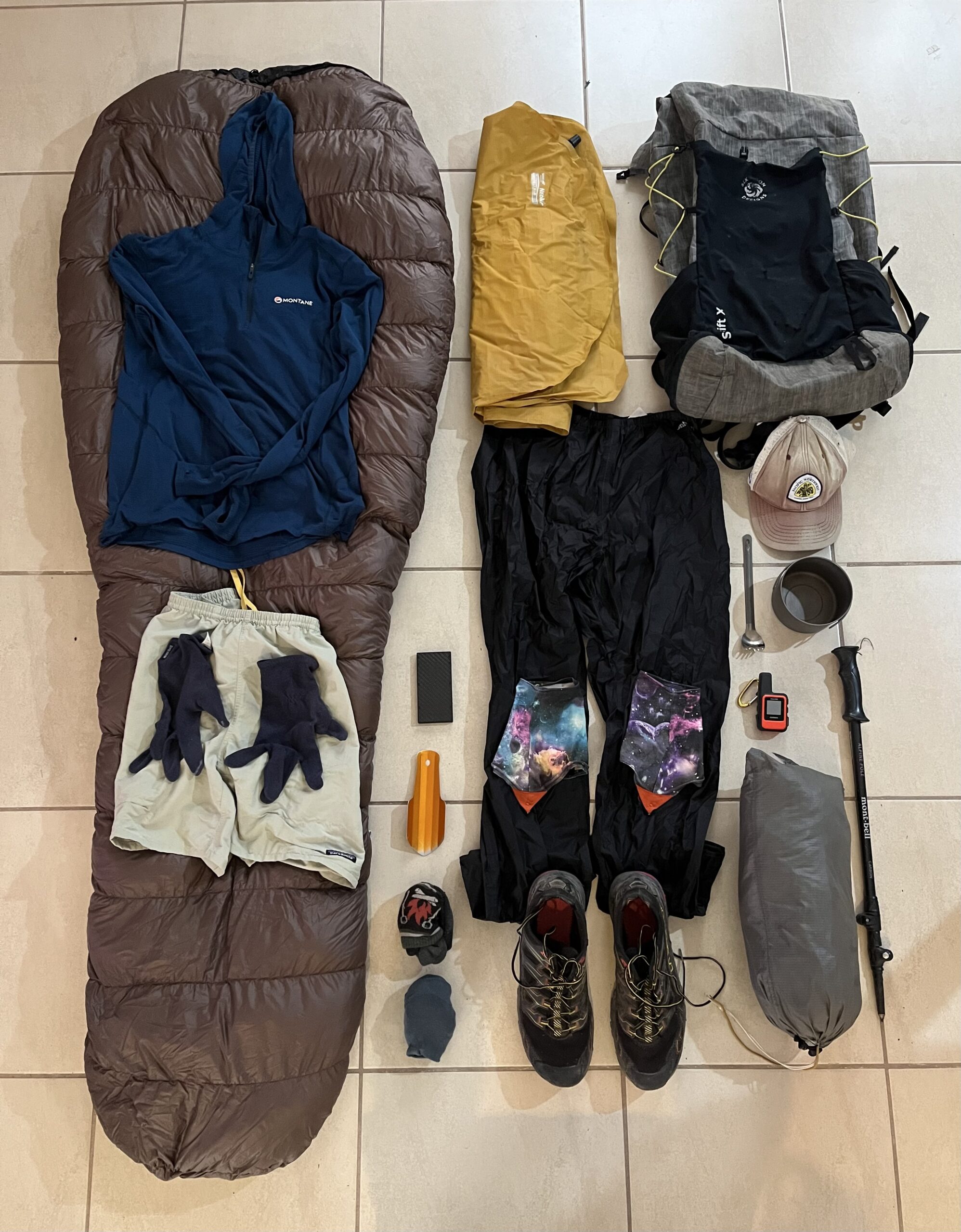
Reflecting on the equipment list, this trip resulted in one of my heaviest base weights in over two decades. However, the decision to prioritize durability over ultralight aesthetics was validated by the conditions encountered.
Shelter and Sustenance
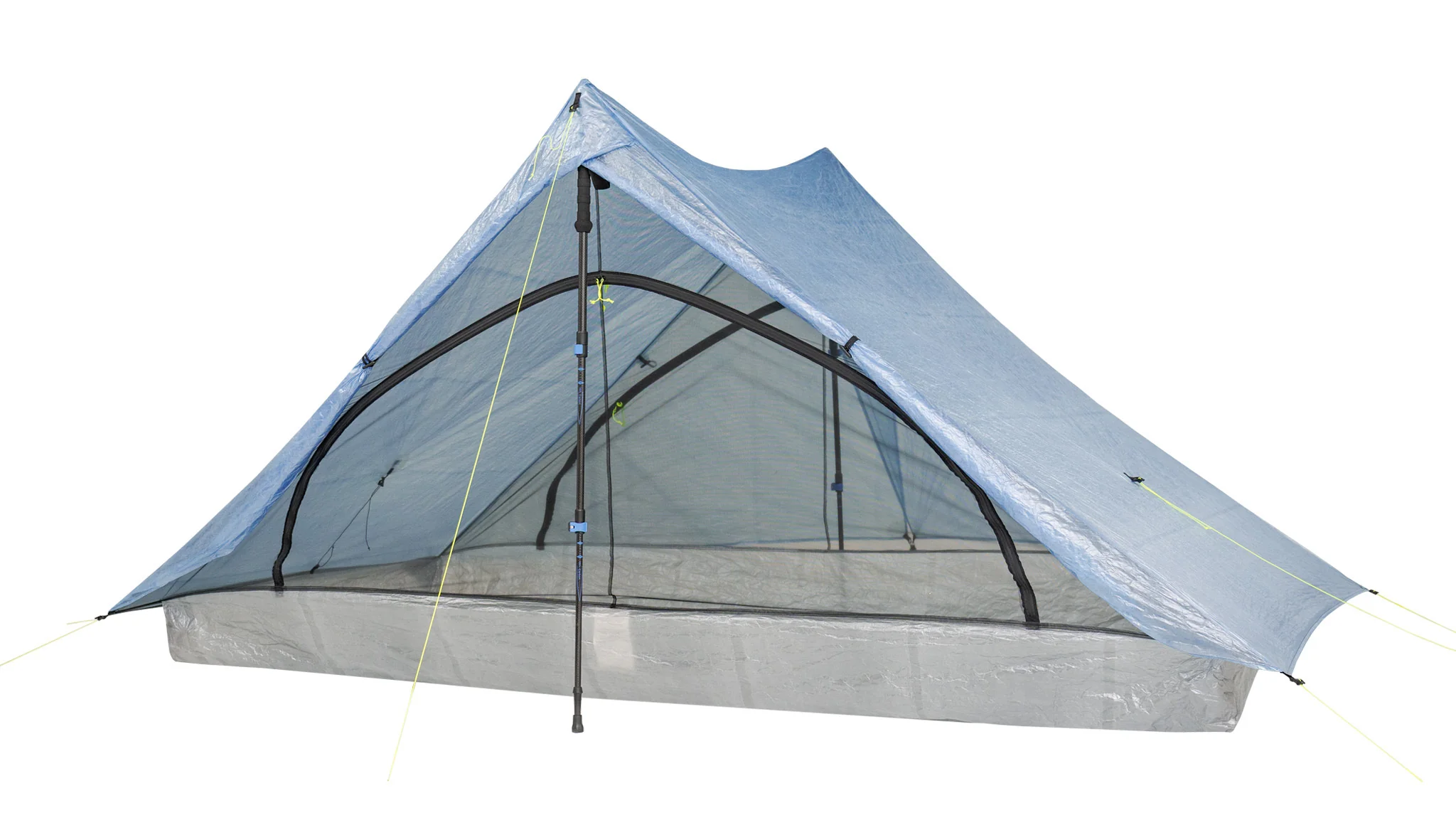
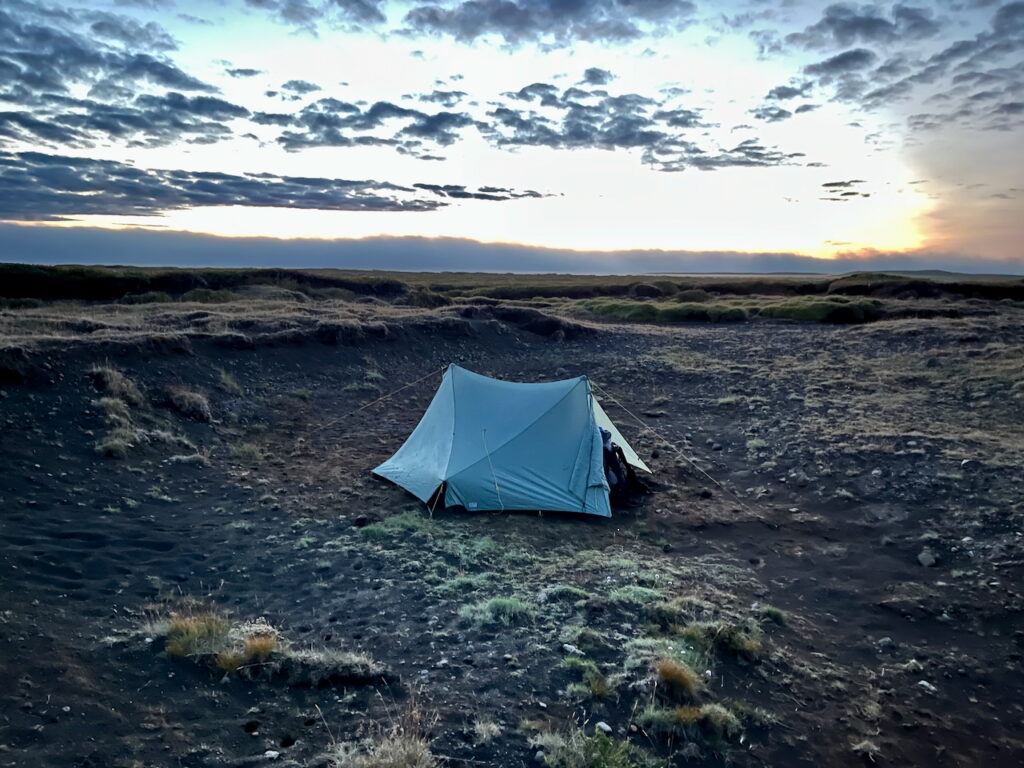
My shelter of choice was the Tarptent Stratospire 2 (silpoly). In the face of 80 km/h gusts, it performed admirably. The dual-vestibule design provided essential space for managing wet gear, while the floor space easily accommodated two wide Thermarest NeoAir pads.
- Food Logistics: We carried up to eight days of food at a time. The Six Moon Designs Swift X proved its worth, providing a comfortable carry for the substantial weight of supplies and water, particularly on long, waterless stretches in the highlands.
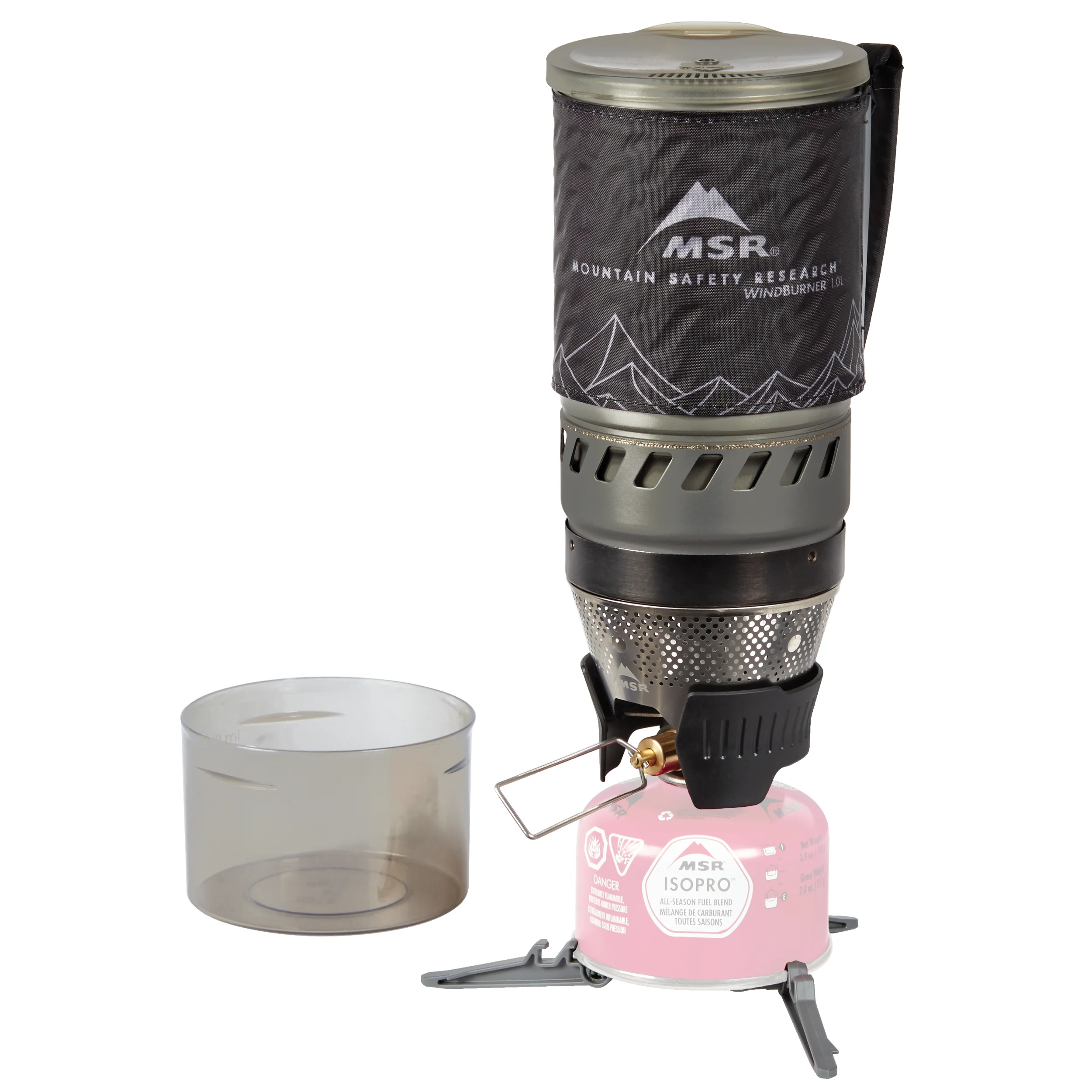
- Fuel Management: Managing fuel is a critical safety component in Iceland. We coordinated with Ferðafélag Íslands to cache fuel at the Dreki ranger station, a necessary logistical step that prevented the need to carry excessive weight through the northern segments.
Sleeping Systems: The Cold-Weather Baseline
A common error in Icelandic trekking is underestimating the night-time temperatures. I utilized the Katabatic Alsek 22 (rated -9°C), which proved to be the "Goldilocks" layer. Kate opted for the Katabatic Flex 15, a warmer quilt that provided the necessary thermal buffer for a cold-to-average sleeper.
Official Responses and Safety Protocols
The Icelandic environment is unforgiving, and the local authorities emphasize the importance of preparation. The use of the 112 Iceland app and the SafeTravel.is platform are not merely suggestions; they are standard safety requirements for anyone venturing beyond the marked tourist paths.
Our interaction with local rangers and mountain hut staff underscored a critical reality: even the most "bombproof" equipment is a secondary defense. The primary defense remains sound judgment. When the weather forecast indicated sustained storms, we adjusted our route to ensure we were within striking distance of mountain huts, which serve as vital sanctuaries in the Icelandic interior.
Implications: Lessons for the Modern Backpacker
Trekking in Iceland is an exercise in compromise. The following takeaways are essential for those considering similar expeditions:
1. The Necessity of "Bombproof" Shelters
One cannot overstate the wind. Unlike the Appalachian Trail or other forested routes, Iceland offers almost no natural windbreaks. Your tent must be capable of structural integrity under extreme lateral pressure. Always prioritize pitching your shelter with the narrowest profile facing the wind and use every available guyline.
2. Footwear and Terrain
I relied on the La Sportiva Akasha trail runners for the entire 720 km. These shoes provide a superior balance of cushioning and stability for volcanic scree. However, I suggest that hikers carry a small, lightweight microfiber towel, even if they aren’t planning to visit every hot spring—they are essential for moisture management in a damp climate.
3. The Psychological Load
The psychological weight of a 600-km traverse is as significant as the physical weight in your pack. The "pancake flat" landscapes of the interior can be monotonous, and the constant exposure to the elements wears down one’s resolve. Maintaining morale through simple comforts—like the hot springs at Landmannalaugar—is a tactical necessity for success.
4. Digital Preparedness
While I prefer a minimalist approach, the integration of technology is vital for safety. The Garmin inReach Mini provided critical communication capabilities, while the Nitecore NU25 headlamp remained a reliable workhorse. For digital mapping, ensure your device is protected by a robust case like the Otterbox Commuter and that you carry a redundant power bank, as cold temperatures significantly reduce battery life.
Conclusion: The Reward of the North
Trekking across Iceland is not a vacation; it is a profound engagement with a landscape that feels largely prehistoric. The juxtaposition of the serene, geothermal waters of the Landmannalaugar hot springs against the violent, snow-laden storms of the highlands defines the Icelandic experience.
For those who choose to undertake this journey, the reward is not just the completion of a trail, but the acquisition of a higher standard of competence. By selecting the right gear—prioritizing durability, testing your equipment in controlled environments before departure, and maintaining a strict adherence to safety protocols—you can turn the most challenging conditions into the most memorable segments of your hiking career.
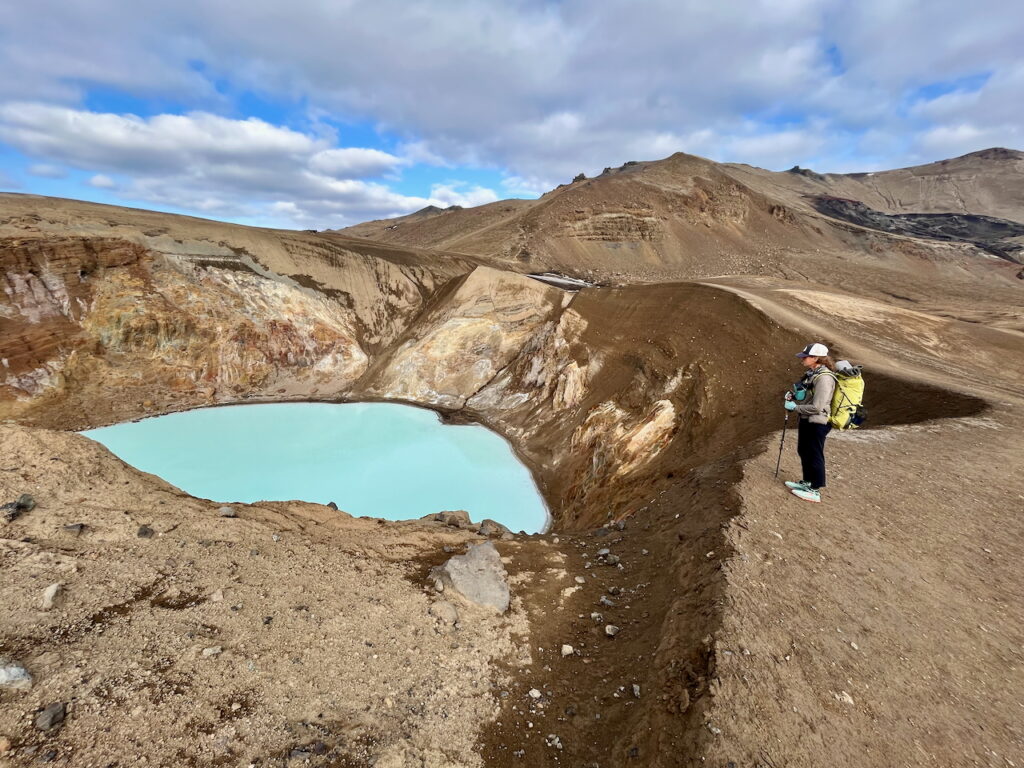
As of the conclusion of our 2023 expedition, the gear has been cleaned, the photos archived, and the memories of the rainbows over the Askja Caldera remain the definitive highlight. Iceland remains, without question, one of the most demanding and rewarding destinations on the planet for those willing to brave the wind.
Summary of Key Gear Performance
| Item | Performance Rating | Notes |
|---|---|---|
| Tarptent Stratospire 2 | Excellent | Withstood 80km/h gusts; essential for stability. |
| La Sportiva Akasha | Superior | Remarkable durability over 700+ km of volcanic terrain. |
| Katabatic Alsek 22 | Reliable | Perfect thermal regulation for moderate sleepers. |
| Six Moon Designs Swift X | Essential | Necessary volume for 8-day food carries. |
Disclosure: This article contains affiliate links. Purchases made through these links support the continued creation of independent, high-quality backpacking resources.