The East African landscape is a testament to the raw, transformative power of the Earth’s geology. Defined by the Great Rift Valley, the region is a tapestry of dormant and active volcanoes, lush highland forests, and sprawling savannahs. In recent years, East Africa has emerged as a global beacon for ecotourism, offering travelers the rare opportunity to engage with high-altitude biodiversity while supporting the conservation of fragile ecosystems and the empowerment of indigenous communities.
From the snow-capped peak of Mount Kilimanjaro to the dense, mist-shrouded jungles of Rwanda’s Volcanoes National Park, the region offers a unique synthesis of adventure and environmental stewardship. For the modern traveler, these volcanic destinations are not merely sites to visit; they are ecosystems to protect and cultures to honor.
The Geological Foundations of East African Tourism
East Africa’s unique topography is primarily the result of the East African Rift, a tectonic plate boundary that has shaped the continent’s dramatic landscape for millions of years. This geological activity has birthed iconic volcanic features that today serve as the backbone of the region’s ecotourism industry.
Major Volcanic Landmarks
- Mount Kilimanjaro (Tanzania): The world’s tallest free-standing mountain, a dormant stratovolcano that attracts thousands of trekkers annually.
- Mount Meru (Tanzania): Often considered the "little brother" of Kilimanjaro, it offers rugged trekking through diverse vegetation zones.
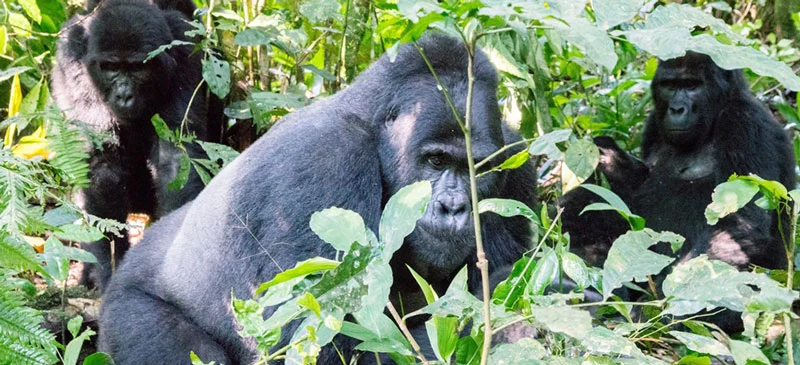
- Volcanoes National Park (Rwanda): Part of the Virunga Mountains, this park is the premier destination for mountain gorilla conservation.
- Mount Kenya: A stratovolcano formed roughly 3 million years ago, providing a challenging ascent for mountaineers.
- The Ngorongoro Highlands: A massive volcanic caldera ecosystem that serves as a sanctuary for the "Big Five" wildlife.
- Ol Doinyo Lengai: Known as the "Mountain of God," this active volcano provides a unique, otherworldly trekking experience.
Chronology: The Evolution of Ecotourism in the Rift Valley
The transition of these volcanic regions from isolated wilderness areas to world-class ecotourism hubs did not happen overnight. It is the result of decades of policy shifts, conservation efforts, and changing global travel trends.
- 1960s–1980s (Establishment Phase): Most national parks in Tanzania, Kenya, and Rwanda were gazetted during this period. The focus was primarily on wildlife preservation and standard tourism.
- 1990s (The Rise of Sustainable Travel): Global awareness regarding the impact of tourism on the environment led to the birth of "Ecotourism." Regional authorities began implementing stricter regulations on trekking, waste management, and lodge development.
- 2000s–2015 (Community Integration): Recognizing that conservation cannot succeed without local support, agencies like the Ngorongoro Conservation Area Authority began prioritizing community-based tourism, ensuring that the Maasai and other local tribes became beneficiaries of the tourism revenue.
- 2016–Present (The Luxury-Eco Boom): The current era is defined by the integration of high-end, low-impact infrastructure. Travelers are now seeking "green" luxury—stays in eco-lodges that are carbon-neutral and socially responsible.
Supporting Data: Why East Africa Leads in Sustainable Adventure
Ecotourism is defined by four core pillars: traveling responsibly, minimizing physical impact, contributing to conservation, and ensuring local economic well-being. East Africa’s model excels in these metrics.
Economic Impact on Local Communities
When travelers visit Maasai Bomas or engage in cultural tours within the Ngorongoro Conservation Area, they contribute directly to the local economy. Research indicates that community-led tourism models in Tanzania have led to a 20% increase in local infrastructure development, including schools and clinics funded by tourism levies.
Biodiversity Conservation
Gorilla trekking in Rwanda’s Volcanoes National Park is widely regarded as one of the most successful conservation stories in the world. By assigning a high monetary value to the gorillas through trekking permits, the Rwandan government has successfully disincentivized poaching and encouraged habitat restoration. Revenue from these permits is reinvested into the park and surrounding communities, turning former poachers into expert trackers and conservation advocates.
Official Perspectives: The Role of Destination Management Companies (DMCs)
The complexity of planning an East African expedition requires expert navigation. According to representatives from Kilimanjaro Tanzanite Safaris, the success of a sustainable trip lies in the synergy between the tour operator and the local environment.
"A truly responsible safari is not just about seeing the sights; it is about the footprint you leave behind," says a spokesperson for the DMC. "We prioritize eco-lodges and tented camps that utilize solar power, minimize water waste, and employ staff from local villages. Whether it is an 8-day Lemosho route expedition on Kilimanjaro or a photographic safari in the Serengeti, our goal is to ensure that the economic benefits stay within Tanzania."
These organizations serve as the bridge between international tourists and local ecosystems, ensuring that climbers are acclimatized properly—often using the Ngorongoro Highlands as a training ground—and that their presence in the wilderness is respectful and controlled.
Implications: The Future of Volcanic Tourism
As global travel patterns shift, the implications for East Africa are significant. There is a move toward longer, "slower" travel packages—typically 8 to 14 days—which allow for a more profound connection to the land and less carbon-intensive transit within the region.
The Rise of the "Combo" Tour
One of the most popular emerging trends is the "Tanzania-Rwanda Combo." This itinerary pairs the rigorous challenge of climbing Mount Kilimanjaro with the emotional intensity of gorilla trekking in Rwanda. This combination allows for a comprehensive African experience:
- High-Altitude Trekking: Building physical resilience on Kilimanjaro.
- Safari Game Drives: Observing the Great Migration in the Serengeti.
- Primate Conservation: Engaging with the endangered mountain gorillas in their jungle habitat.
The Challenge of Sustainability
Despite the growth, challenges remain. The primary concern for regional authorities is "over-tourism" at popular sites. The response has been a shift toward "high-value, low-impact" tourism. By limiting the number of daily permits for gorilla trekking and enforcing strict waste-carry-out policies on mountain treks, authorities are ensuring that the beauty of these volcanoes remains intact for future generations.
Expert Tips for the Responsible Traveler
If you are planning an expedition to the East African volcanic belt, consider the following expert guidelines:
- Acclimatization is Key: Do not rush the ascent of Kilimanjaro. Utilize the Ngorongoro Highlands for nature treks and walking safaris first. This not only aids your health but also allows you to explore the rich cultural heritage of the Maasai people.
- Choose Your Operator Wisely: Ensure your DMC is committed to ethical employment practices. Ask if they use local porters, provide fair wages, and adhere to "Leave No Trace" principles.
- Respect the Primate Habitats: When visiting Rwanda or Uganda for chimpanzee or gorilla tracking, follow all health guidelines—such as wearing masks—to prevent the transmission of human illnesses to these vulnerable primate populations.
- Extend Your Stay: Rather than a whirlwind 3-day trip, opt for a 10-day itinerary. This minimizes your relative carbon footprint and allows for a more immersive cultural experience, which is the heart of true ecotourism.
Conclusion
East Africa is a destination of profound beauty and geological wonder. Its volcanic landscapes offer more than just a backdrop for adventure; they provide a classroom for environmental consciousness. Whether you are standing at the summit of the "Roof of Africa" or watching a mountain gorilla mother with her infant in the dense forests of the Virungas, you are participating in a global movement of conservation.
By choosing to travel with purpose—selecting ethical tour providers, respecting local customs, and prioritizing the longevity of the natural environment—you ensure that the volcanic wonders of East Africa remain a legacy for the world, rather than a fleeting memory. As you plan your next journey, remember that the true value of your safari lies in the harmony between the traveler, the mountain, and the local community.