Introduction: A New Paradigm for Azerbaijani Tourism
In a landmark move that signals a profound shift in national development priorities, a consortium of seasoned industry professionals has officially announced the formation of the Azerbaijan Ecotourism Association (AETA). This initiative, catalyzed by the forward-thinking sustainable reforms championed by the government of President Ilham Aliyev, represents a strategic pivot toward integrating environmental stewardship with the burgeoning tourism sector. By fostering an ecological culture and positioning Azerbaijan as a premier destination for sustainable travel, the AETA aims to redefine the nation’s identity on the global stage.
The Genesis of the AETA: Main Facts
The Azerbaijan Ecotourism Association was established with the core objective of harmonizing the country’s rich, diverse natural landscapes with the demands of modern, responsible tourism. The founders—a group of industry veterans including Samir Dubendi, Zurab Israfilov, Rufat Gojayev, and Vugar Dargahov—recognize that the future of travel lies in the preservation of biodiversity and the promotion of authentic, low-impact experiences.
The association is not merely a promotional entity; it is a structural pillar designed to facilitate:
- Capacity Building: Training local stakeholders in sustainable hospitality management.
- Standardization: Developing criteria for eco-certified accommodation and services.
- Advocacy: Influencing policy at the national level to prioritize environmental protection alongside economic growth.
- Global Integration: Positioning Azerbaijan’s unique ecotourism products within international markets.
Chronology of Development and Collaborative Efforts
The formation of the AETA did not occur in a vacuum. It was the culmination of extensive consultations with both domestic authorities and international environmental bodies. Recognizing that true sustainability requires global alignment, the founders engaged with a wide network of experts and organizations to ensure their operational framework meets international benchmarks.
Key Consultative Milestones:
- Phase One (Conceptualization): The founders identified the gap between Azerbaijan’s natural potential and its current tourism infrastructure. During this period, initial discussions were held with the State Tourism Agency and the Ministry of Ecology and Natural Resources of the Republic of Azerbaijan to ensure alignment with state reforms.
- Phase Two (International Benchmarking): Engagement with The International Ecotourism Society (TIES) and the World Wide Fund for Nature (WWF) provided the AETA with a roadmap for global best practices in biodiversity conservation.
- Phase Three (Regional Synergy): Collaborative sessions with the REM Caucasus Regional Eco Center and the DAIR Hotels and Restaurants Association were instrumental in tailoring global standards to the specific geographical and cultural context of the Caucasus region.
- Phase Four (Formalization): As of early 2020, the association entered its final phase of administrative setup, with leadership aiming for full operational status within weeks of the announcement.
Supporting Data: Why Azerbaijan?
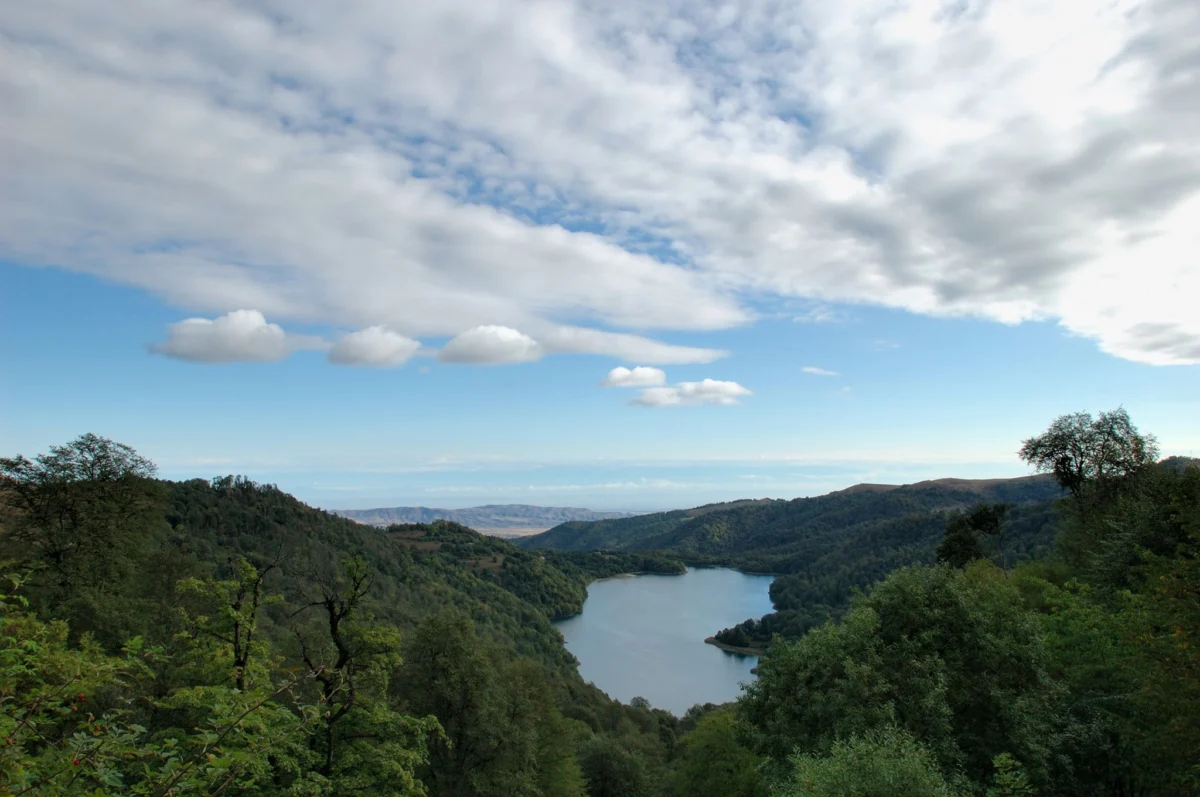
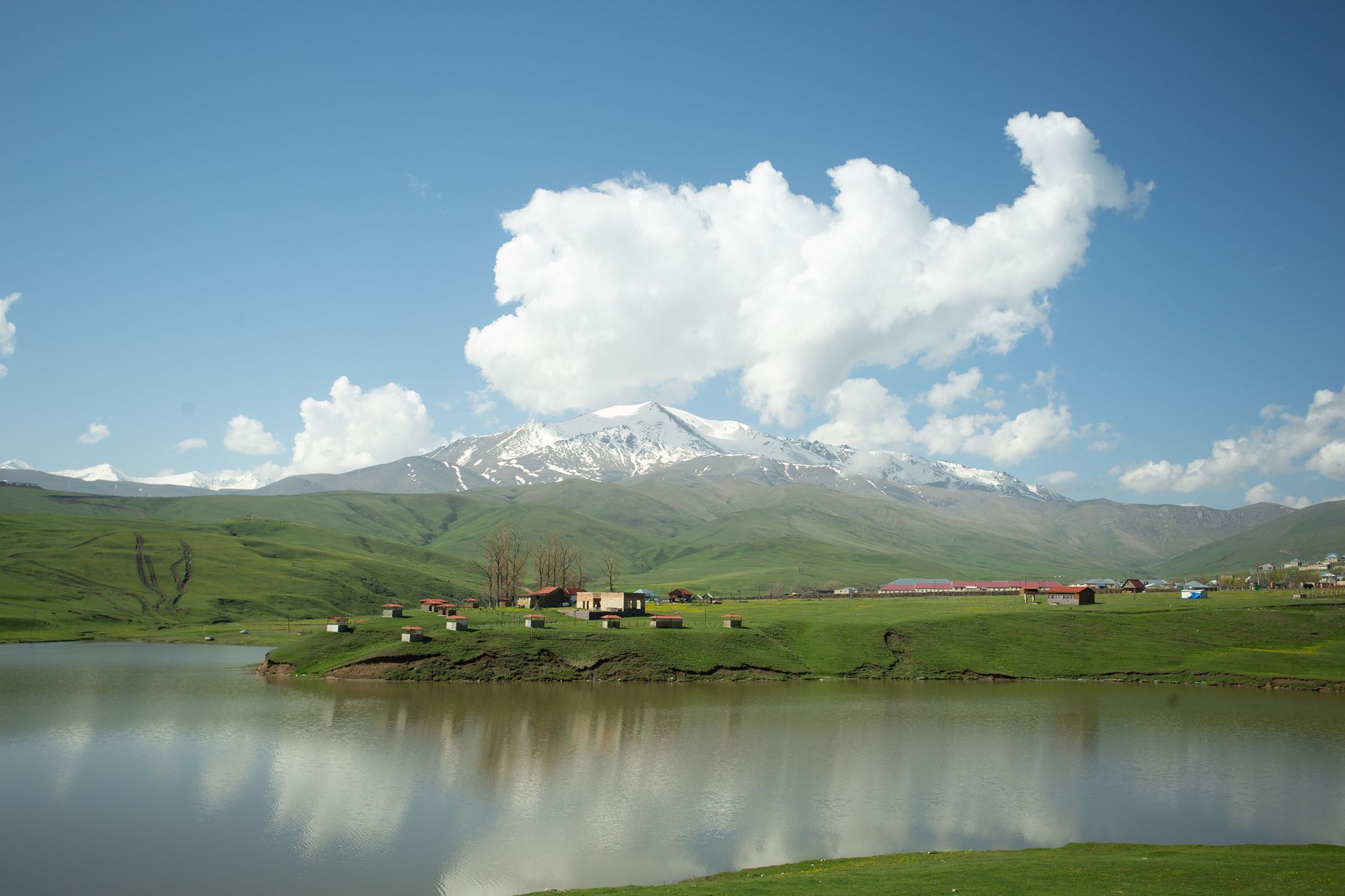
Azerbaijan possesses a unique geographical diversity, ranging from the Caspian Sea coastline to the mountainous terrains of the Greater and Lesser Caucasus. This variety is the backbone of the AETA’s strategy.
The Pillars of AETA’s Tourism Portfolio:
- Agritourism and Rural Development: By encouraging travelers to engage with local agricultural communities, the AETA aims to stimulate rural economies, providing a sustainable income stream for farmers while preserving traditional livelihoods.
- Eco-Hospitality: The association is actively promoting the transition of traditional hotels into eco-hotels, which prioritize energy efficiency, waste reduction, and local sourcing.
- Healthy and Ecological Food: A central component of the AETA mandate is to champion the "farm-to-table" movement, showcasing Azerbaijan’s organic produce and traditional, healthy culinary practices to eco-conscious tourists.
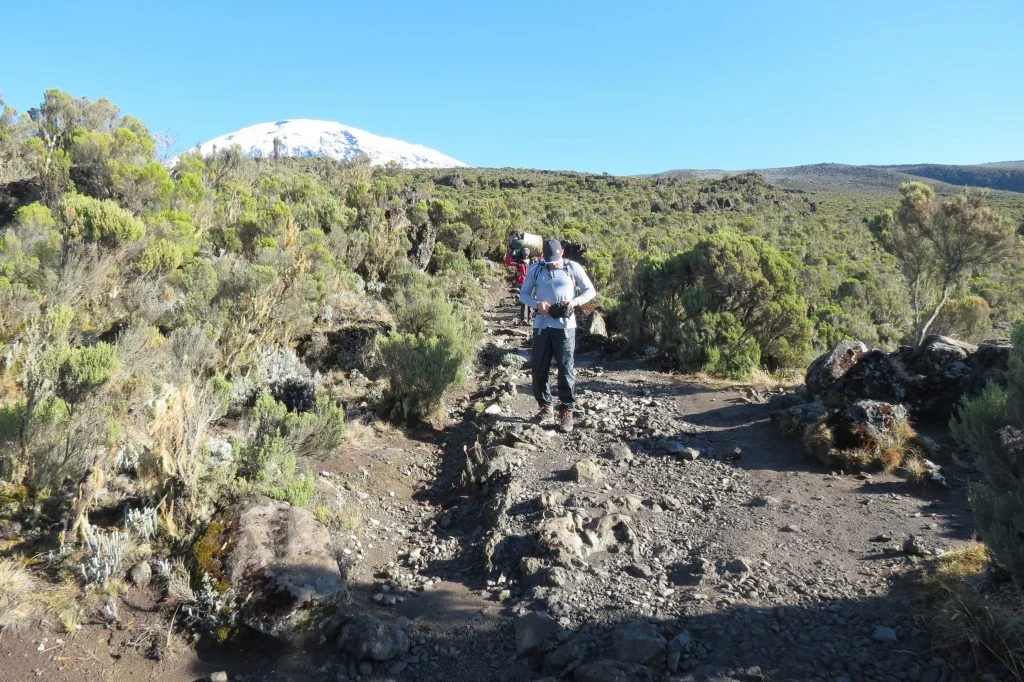
- Outdoor Adventure: Beyond luxury tourism, the AETA is focused on low-impact outdoor activities, including trekking, bird watching, and sustainable nature excursions that do not disrupt local habitats.
Leadership Vision and Strategic Intent
Samir Dubendi, who serves as the Chairman of the Executive Board of the DAIR Hotels and Restaurants Association and a head lecturer at the Azerbaijan Tourism and Management University (ATMU), has been a pivotal force in the AETA’s formation. His leadership brings a bridge between academia and industry.
"We are working hard to do everything as rapidly as we can," Dubendi stated during the announcement. His vision centers on a "permanent touch" with international organizations like TIES. By adopting the "indispensable experience" of global leaders, the AETA intends to bypass the trial-and-error phase that often plagues new national tourism initiatives.
The founders have issued a clarion call to the public, specifically the youth of Azerbaijan, to become active participants in this movement. They believe that sustainability is a generational responsibility and that by involving young professionals and students in the ecotourism value chain, the country can foster a culture of conservation that transcends tourism.
Official Responses and International Validation
The international community has responded with optimism. The International Ecotourism Society (TIES) has formally congratulated the founders of the AETA, noting that such initiatives are vital for the protection of global biodiversity hotspots.
Within Azerbaijan, the cooperation between the AETA, the State Tourism Agency, and the Ministry of Ecology and Natural Resources serves as an "official seal of approval." This cross-ministerial support suggests that the government views the AETA as a critical partner in executing its broader mandate for sustainable economic diversification. The alignment between the AETA’s goals and the state’s environmental reforms is seen by analysts as a key indicator of the long-term viability of the project.
Implications: The Path Toward Leadership
The implications of the AETA’s formation are significant for both the regional economy and the global ecotourism market.
Economic Implications
By shifting the focus from mass-market tourism to specialized, high-value ecotourism, Azerbaijan is positioning itself to attract a more affluent and conscious demographic of travelers. This shift typically leads to higher per-capita spending and a greater dispersion of revenue into local communities, rather than it being concentrated in urban luxury hubs.
Environmental Implications
The mandate for "conservation of biodiversity" is perhaps the most critical. By formalizing the link between tourism and nature protection, the AETA provides an economic incentive for the preservation of ecosystems. If a forest or a mountain range becomes the primary engine of a local economy through sustainable trekking or bird watching, the local population is incentivized to protect that environment rather than exploit it for short-term gain.
Social and Cultural Implications
The promotion of "eco-culture" is a long-term social project. It involves educating not just the hospitality staff, but the citizenry at large about the value of natural resources. By integrating this into the educational curriculum—supported by leaders like Samir Dubendi at the ATMU—the AETA is ensuring that the next generation of tourism managers is built upon a foundation of environmental ethics.
Conclusion: A Vision for the Future
The formation of the Azerbaijan Ecotourism Association is a transformative moment for the nation. It represents a maturation of the tourism industry, moving away from a reliance on traditional models toward a future that respects the delicate balance between economic development and environmental integrity.
As the AETA moves toward its next phase—securing certifications, launching marketing campaigns in international markets, and finalizing its organizational structure—the eyes of the regional tourism community will remain fixed on Baku. The challenge will lie in the implementation: translating the lofty goals of "sustainability" and "eco-culture" into tangible, everyday realities for the rural host and the international guest alike.
However, with the backing of state reforms, the expertise of industry veterans, and the support of global institutions like TIES, the AETA appears well-equipped to guide Azerbaijan toward its goal of becoming a recognized leader in the sustainable tourism landscape. In the coming years, the success of this association will likely serve as a benchmark for other nations in the Caucasus and beyond, proving that economic prosperity and ecological protection are not only compatible but mutually dependent.