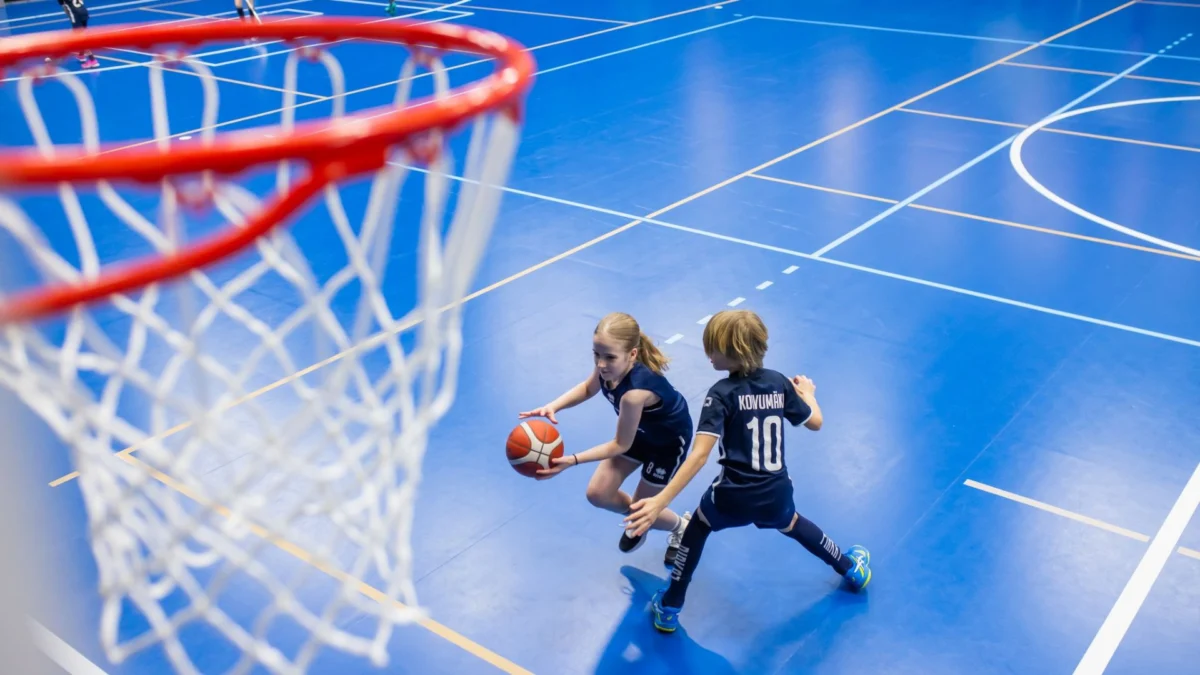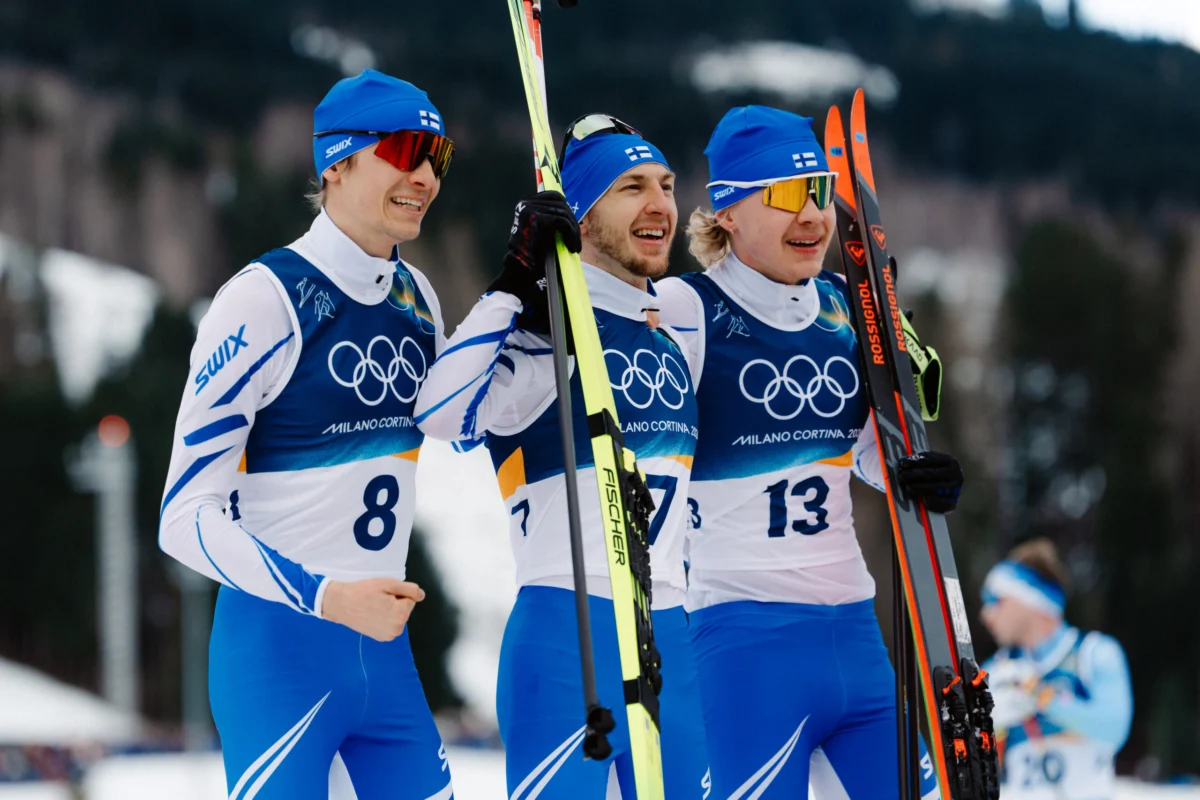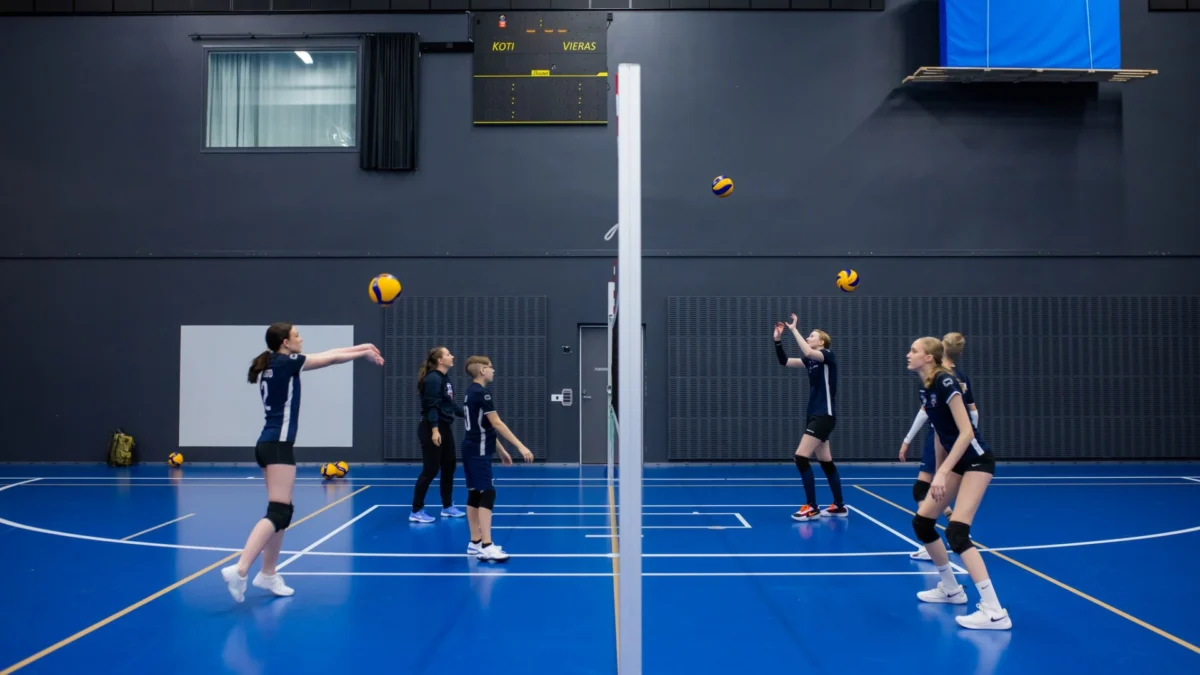
In the landscape of modern youth sports, a critical question persists: does specializing early serve a young athlete, or is a broader approach more beneficial? New findings from the Finnish Olympic Committee’s "SporttiData" initiative suggest that the latter is not only preferred but potentially essential for keeping children engaged in organized sports as they grow older.
An extensive analysis of over 420,000 licensed athletes reveals that while multi-sport participation is common among primary school children, it declines sharply as adolescents approach their teenage years. This trend—and the reasons behind it—has profound implications for sports clubs, coaches, and parents across Finland.
The Core Findings: A Shift in Participation Patterns
The SporttiData analysis offers an unprecedented look at how Finnish children and youth navigate their athletic journeys. By tracking license data, researchers have been able to map participation rates, regional differences, and, most crucially, the correlation between multi-sport engagement and long-term retention.
The primary takeaway is that the "generalist" model—where a child holds licenses in multiple sports simultaneously—is most prevalent in early childhood. For instance, among 8 to 9-year-olds, approximately one-fifth of all licensed athletes participate in two or more sports. However, this figure experiences a steep decline as children age. By the time athletes reach the 14 to 15-year-old bracket, the proportion of multi-sport participants drops to a mere 7 to 8 percent.
This transition suggests that as the pressure to specialize intensifies—often driven by club requirements, increased training volume, and social expectations—the vast majority of young athletes are funneled into a single sport, or worse, begin to drop out of the system entirely.
Regional Disparities: A Tale of Two Landscapes
The data also uncovers striking regional variations in how sports are consumed. In Finland, the geography of participation is far from uniform.
The provinces of South and Central Ostrobothnia emerge as the leaders in multi-sport participation. In these regions, approximately one-quarter of 9 to 13-year-old licensed athletes hold licenses for more than one sport annually. This suggests a local culture that perhaps values a more holistic athletic development or offers a club infrastructure that is better integrated across different disciplines.
Conversely, the Uusimaa region, which encompasses the capital area, shows the lowest rates of multi-sport participation, with only about 11 percent of youth in the same age group participating in multiple sports. While high population density in Uusimaa offers more variety in specialized coaching, the data indicates that this density may ironically lead to earlier specialization, potentially at the expense of a broader, more versatile athletic foundation.
Chronology of the Decline: When and Why Athletes Narrow Their Focus
To understand the trajectory of youth participation, one must look at the timeline of the "great narrowing."
- Ages 7–10 (The Exploratory Phase): During these formative years, children are most likely to experiment with diverse disciplines. The focus is typically on physical literacy, coordination, and enjoyment. Multi-sport participation is at its peak.
- Ages 11–13 (The Transition): This is the turning point. As competitive expectations rise, clubs often begin to demand higher commitment levels. The data shows a steady decline in the number of concurrent licenses during this three-year window.
- Ages 14–15 (The Specialization Plateau): By mid-adolescence, the system has largely pushed athletes toward a singular focus. Those who attempt to maintain multiple sports often face scheduling conflicts and physical fatigue, leading many to eventually choose one path or exit the organized sports system entirely.
The "Retention Secret": Why Multi-Sport Athletes Stay Longer
Perhaps the most significant revelation from the SporttiData report is the direct link between multi-sport participation and athletic longevity. The statistics are compelling: 94 percent of 9 to 13-year-olds who practiced multiple sports continued their organized athletic journey the following year.
In stark contrast, only 76 percent of those who held a license for a single sport returned the following year. This 18-percentage-point gap provides empirical support for the argument that "variety is the spice of retention."
Why does variety increase retention?
- Reduced Burnout: By engaging in different sports, children utilize different muscle groups and, crucially, experience different social environments and coaching styles, which prevents the monotony that often leads to burnout.
- Increased Physical Competence: A child who plays soccer, swims, and practices gymnastics develops a broader range of movement skills (agility, balance, endurance), making them a more capable athlete in any individual sport they eventually choose.
- Social Resilience: Multi-sport athletes belong to multiple peer groups, making them less socially vulnerable if they experience a "bad season" or a lack of success in one specific team.
Official Perspective: Implications for the Sports Community
The Finnish Olympic Committee views this data as a critical tool for future policy. For years, there has been an ongoing debate between the merits of early specialization versus multi-sport development. While previous research has pointed toward the physiological benefits of being a multi-sport athlete, the SporttiData report adds a structural dimension: it proves that multi-sport paths are fundamentally more sustainable for the health of the sports ecosystem.
The findings suggest that sports clubs need to reconsider their "ownership" of athletes. When clubs demand total exclusivity at a young age, they may be inadvertently shortening the athlete’s career. Instead, the data advocates for a more cooperative approach, where clubs coordinate training schedules to allow children to participate in multiple disciplines without logistical strain.
Recommendations for Stakeholders:
- For Clubs: Create "multi-sport friendly" pathways. This might involve synchronized schedules or inter-club agreements that permit children to play both summer and winter sports without penalty.
- For Parents: Encourage diverse movement. Recognize that the value of early childhood sport is in the physical literacy and enjoyment gained, not necessarily in elite performance in a single category.
- For National Federations: Develop policies that prioritize long-term development over short-term competitive success. The data shows that keeping a child in the system—regardless of the sport—is the first step toward producing lifelong athletes.
The Broader Context: SporttiData Insight Series
This analysis represents the second installment of the "SporttiData Insight" series. By leveraging the vast repository of license data, the Olympic Committee is moving toward a more data-driven governance model for Finnish sport.
The first report in the series examined the "attrition phenomenon," highlighting that roughly one-fifth of young athletes drop out of the licensed sports system annually. Together, these reports paint a complex picture of a system that is struggling to balance high-performance goals with the fundamental need for mass participation.
The message from the researchers is clear: if the goal is to keep children moving, we must stop forcing them to choose between their passions before they are even in high school. The data suggests that the most successful "pipeline" for producing future athletes—and, more importantly, healthy, active citizens—is not a straight line, but a wide, varied path that encourages exploration.
As the Finnish sports community digests these findings, the hope is that the conversation will shift. The question should no longer be "Which sport should my child specialize in?" but rather, "How can we structure our environment so that our children can enjoy as many sports as possible, for as long as possible?"
In a world where sedentary lifestyles are becoming the norm, maintaining that 94 percent retention rate for multi-sport athletes isn’t just an organizational win for clubs; it is a vital public health strategy for the nation. The SporttiData project has provided the evidence; now, the challenge lies in the implementation.