In a significant move that underscores the shifting landscape of the European energy market, Ares Infrastructure Equity—a division of the global alternative investment manager Ares Management—has officially announced its maiden investment in Europe. The firm has acquired a substantial minority stake in a 1.9GW operational portfolio of energy storage and flexible generation assets, a move that solidifies a strategic long-term partnership with the UK-based developer Statera Energy.
While the financial terms of the transaction remain undisclosed, the deal represents a pivotal moment for both entities. For Ares, it marks a tactical expansion into the European energy transition sector, while for Statera, it provides a robust capital infusion to accelerate its ambitious goal of delivering 7GW of flexible capacity by 2030.
The Core Assets: A Backbone for Grid Stability
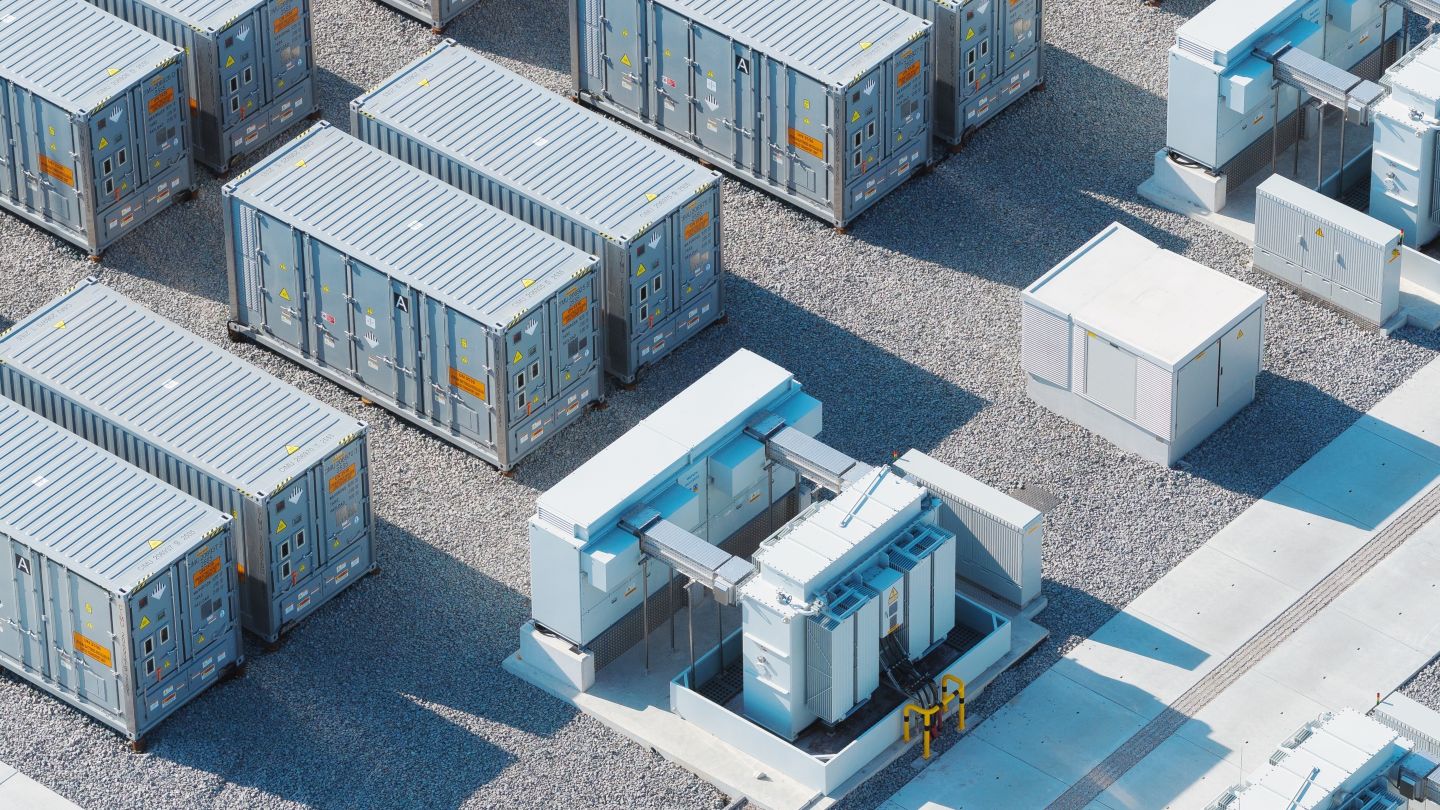
The portfolio at the center of this transaction comprises 1.9GW of highly efficient, operational assets strategically located across the United Kingdom. These projects are designed to act as the shock absorbers of the national power grid, providing essential services such as frequency response, balancing, and peak-load supply.
Key components of the acquired portfolio include:
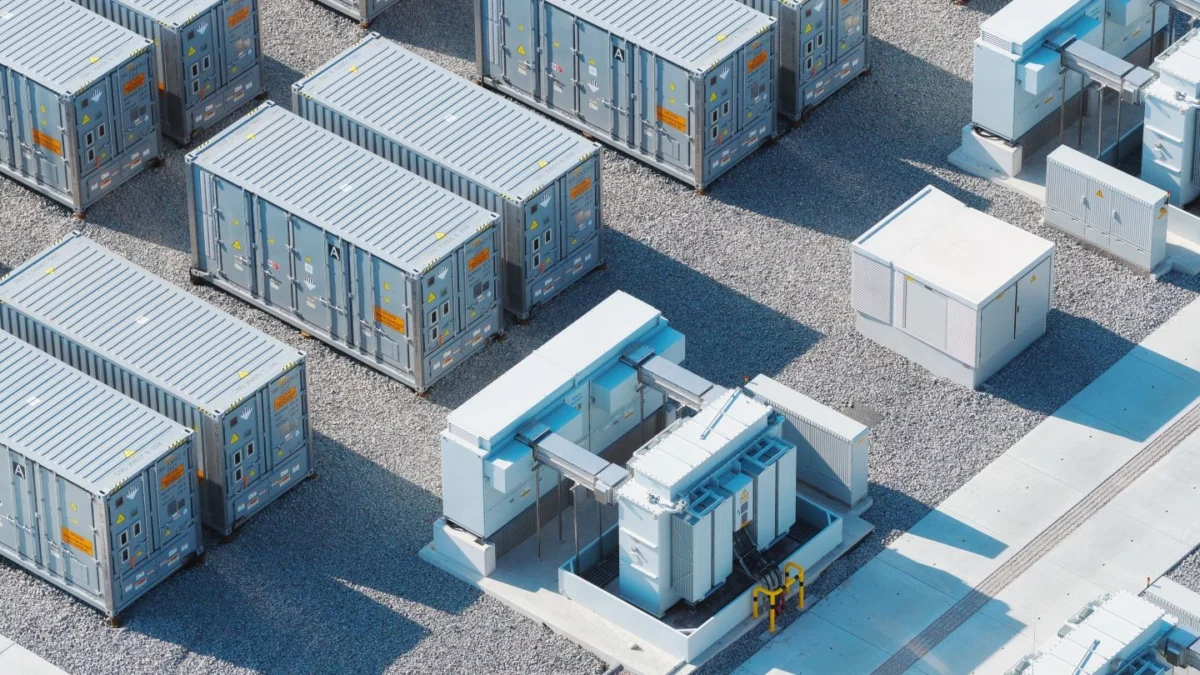
- Carrington Storage (Greater Manchester): A 680MW project that stands as one of the largest battery energy storage systems (BESS) in the region.
- Thurrock Flexible Generation (Essex): A 750MW facility that combines advanced generation technology to ensure reliable power delivery during periods of high demand or low renewable generation.
These assets are not merely individual infrastructure projects; they are integrated components of a national strategy to manage the intermittency of wind and solar power. As the UK accelerates its decommissioning of fossil-fuel baseload power, the reliance on such flexible, fast-response infrastructure becomes critical to preventing blackouts and stabilizing electricity prices.
Chronology of a Strategic Alignment
The path to this partnership reflects the growing maturity of the UK’s battery storage market. Statera Energy has spent the better part of the last decade positioning itself as a leader in flexible infrastructure.
- Foundation and Early Development: Statera established its reputation by identifying the necessity for flexible power in a grid dominated by renewables. Over several years, it built a reputation for navigating the complex UK planning and grid-connection landscapes.
- Expansion Phase: By mid-2026, Statera had successfully scaled its operational portfolio to 1.9GW, proving the technical and commercial viability of its model.
- Engagement with Ares: The negotiation process, facilitated by major financial institutions including Macquarie Capital, culminated in the deal announced in October 2026.
- The Transaction: The final agreement saw Ares Infrastructure Equity acquire a minority interest, with Statera retaining full operational and management control of the assets.
Market Implications: The Drive Toward 7GW
The investment is more than a simple acquisition; it is a catalyst for future growth. Statera currently manages a development pipeline that totals approximately 16GW. With the backing of a global heavyweight like Ares, the company is now positioned to convert this pipeline into operational capacity at a significantly accelerated pace.
Supporting the Energy Transition
The transition to a net-zero economy requires more than just adding wind turbines and solar panels; it requires a systemic overhaul of how power is managed. Statera’s business model is centered on the "flexibility gap." As the grid becomes increasingly decentralized, the need for rapid-response storage—capable of injecting power in milliseconds—becomes the defining characteristic of a stable electricity market.
The Scale of Ambition
Statera’s target of 7GW by 2030 is aggressive, placing the company at the forefront of the UK’s energy policy objectives. This capacity is intended to provide the security required for the government’s plan to decarbonize the power sector. By partnering with Ares, Statera gains not only capital but also the institutional credibility and global network necessary to navigate complex infrastructure financing in the coming years.
Official Perspectives: A Synergy of Vision
The partnership has been welcomed by leadership on both sides as a landmark union of operational expertise and global capital.
Statera CEO Tom Vernon expressed his optimism regarding the partnership, noting, "Ares is one of the world’s leading investors, and its choice of Statera’s portfolio for its first infrastructure equity investment in Europe is an endorsement of our assets and capability as a business. The capital supports our plan to deliver 7GW of flexible capacity by 2030. We look forward to working with Ares as we continue to build and operate the flexible assets needed for a secure and affordable electricity system in the UK and across Europe."
From the perspective of Ares, the investment represents a calculated move into a high-growth sector. Keith Derman, Partner and Head of Ares Infrastructure Equity, stated, "We are excited to partner with Statera to further develop and unlock incremental value from this high-quality portfolio. This investment underscores our conviction in energy transition infrastructure and reflects our belief in the critical role these assets will play in supporting the UK’s evolving energy system."
Supporting Data and Institutional Context
Ares Infrastructure Equity operates as a massive engine for energy transition financing. As of June 2026, the firm reported approximately $29.9bn in assets under management. Its track record is extensive, having deployed roughly $15bn across more than 60 individual investments. The firm’s focus typically spans energy transition, digital infrastructure, and regulated utilities.
Professional Advisory Ecosystem
The complexity of the deal required a deep bench of financial and legal experts to navigate regulatory hurdles and technical due diligence:
- For Statera: Macquarie Capital provided financial advisory services. Legal counsel was provided by Paul, Weiss, with Herbert Smith Freehills Kramer handling due diligence.
- For Ares: KPMG provided comprehensive financial and tax advisory, while DLA Piper offered legal counsel. Baringa, a specialist in energy and resources, served as the commercial adviser, ensuring the technical valuation of the storage assets met stringent investment criteria.
The Broader Impact: Why Storage Matters
The "flexibility" mentioned in the deal is the linchpin of modern energy economics. As renewable energy becomes the cheapest form of power generation, its intermittency poses a risk to the traditional grid, which was built on the concept of "always-on" fossil fuel generation.
- Grid Balancing: When wind generation drops, storage assets inject power to keep the grid frequency at 50Hz, preventing systemic instability.
- Peak Shaving: By storing power when demand is low (and prices are cheap) and releasing it when demand peaks, these assets prevent the need to fire up carbon-intensive "peaker" plants.
- Revenue Stability: Through a combination of merchant revenue and long-term contracts, these assets provide a stable, recurring cash flow that appeals to institutional investors like Ares, who prioritize long-term, risk-adjusted returns.
Future Outlook: A New Chapter for European Infrastructure
As the UK moves toward its target of a decarbonized grid, the role of independent power producers like Statera will only grow in importance. The entry of Ares Infrastructure Equity into the European market is likely a signal of what is to come: a wave of international capital flowing into mid-to-large-scale energy storage projects.
For the UK, the partnership is a vote of confidence in the regulatory environment. Despite the complexities of the energy market, the high quality of the Carrington and Thurrock projects—and the clear, ambitious roadmap provided by Statera—demonstrates that the UK remains a premier destination for infrastructure capital.
As Statera moves toward its 7GW target, the market will be watching closely to see how the partnership evolves. With the combination of Ares’s financial firepower and Statera’s operational agility, the duo is well-positioned to remain the standard-bearer for flexible energy in Europe for the foreseeable future.
Conclusion
This deal is more than a headline-grabbing transaction; it is a structural reinforcement of the UK energy system. By aligning long-term institutional capital with expert-led development, the Ares-Statera partnership provides the necessary stability to ensure that the transition to green energy is not only sustainable but also reliable and affordable for consumers across the region. As the 16GW pipeline begins to materialize, this early investment in 1.9GW of operational assets may well be viewed in retrospect as the moment the flexible energy market truly came of age in Europe.