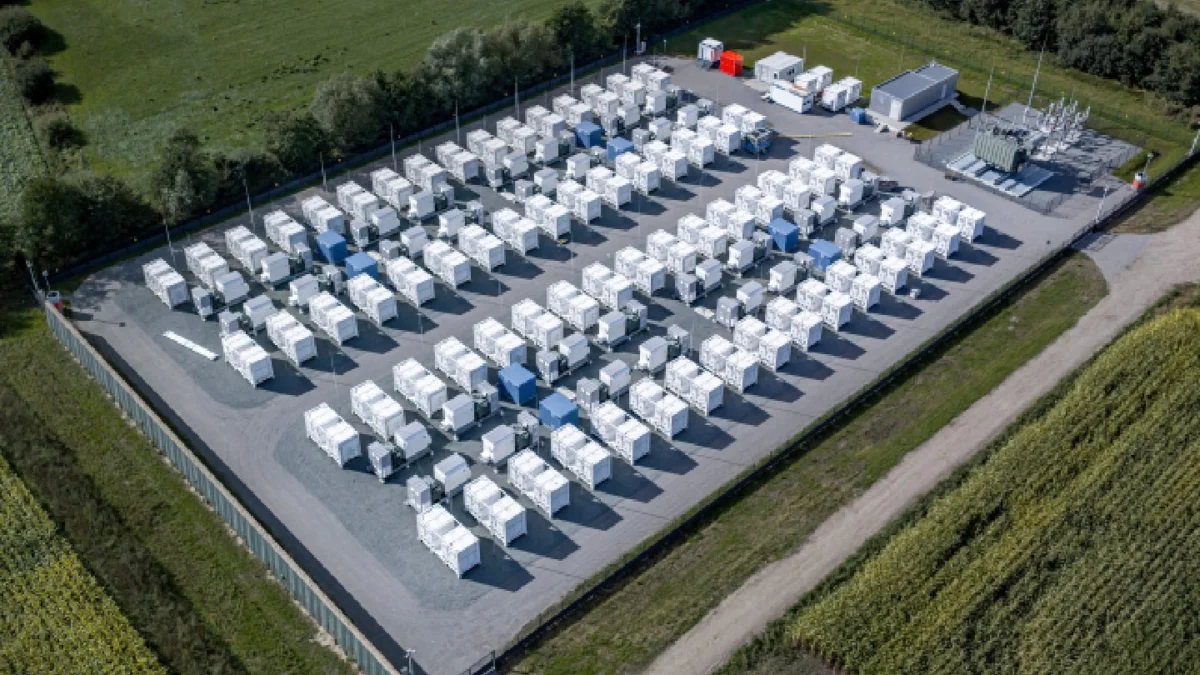
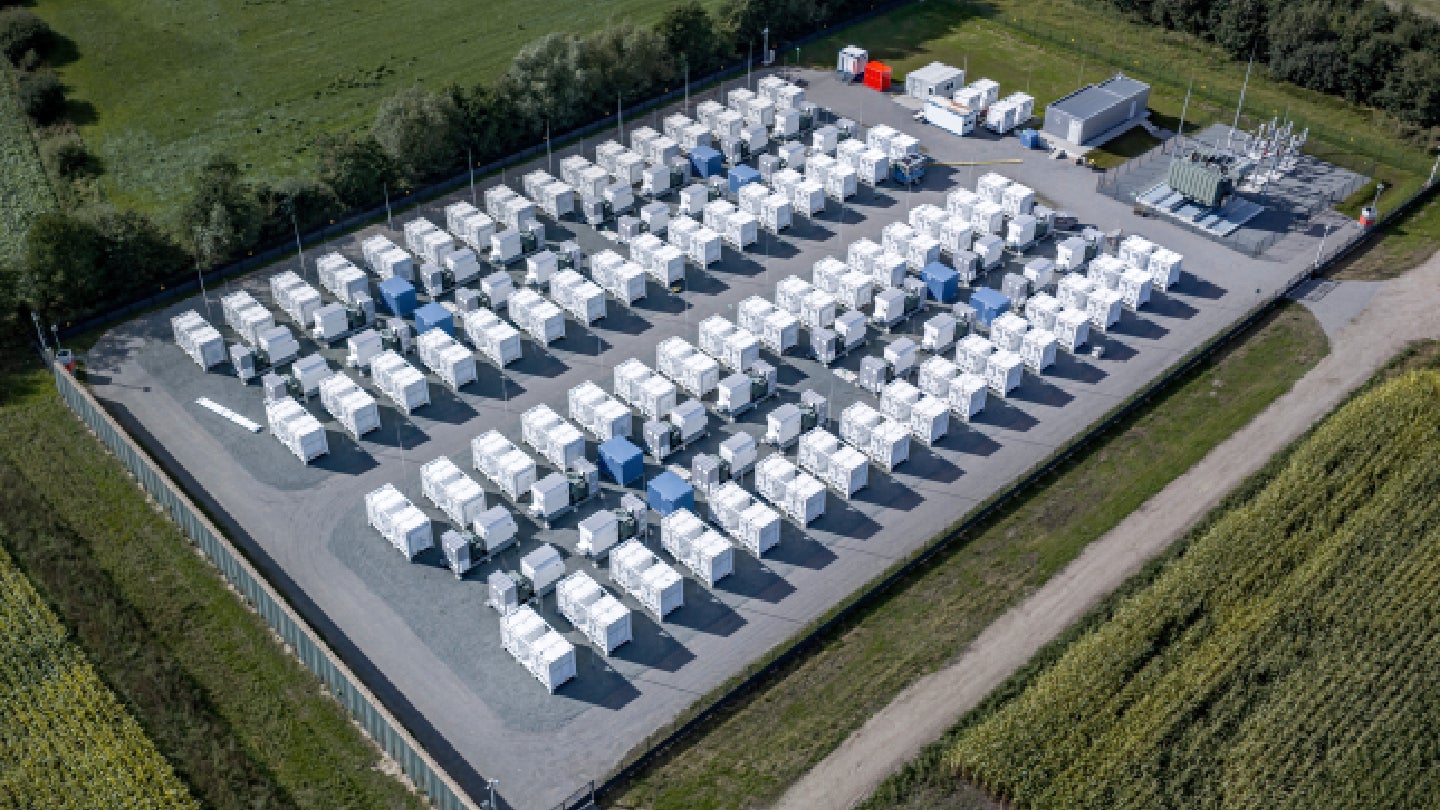
In a significant milestone for the European energy transition, Swedish energy giant Vattenfall has officially tapped energy storage leader Fluence Energy to deliver one of Germany’s most ambitious battery energy storage system (BESS) projects to date. Located at the site of a decommissioned nuclear power plant in Brunsbüttel, this facility represents a powerful symbolic and practical shift, repurposing land once dedicated to carbon-free baseload power for the next generation of grid-stabilizing technology.
The project, which carries a power output of 254MW and a massive energy capacity exceeding 1 gigawatt-hour (GWh), marks Vattenfall’s largest investment in battery technology to date. As Germany accelerates its "Energiewende"—the national transition to a low-carbon, nuclear-free, and increasingly renewable energy system—the Brunsbüttel site is set to become a vital hub for balancing supply and demand.
The Core Agreement: Turnkey Innovation
Under the terms of the agreement, Fluence Energy will serve as the primary technology provider and long-term service partner. The scope of the contract is comprehensive, covering the entire lifecycle of the facility: from engineering, procurement, and construction (EPC) to commissioning and ongoing operational maintenance.
The facility will be powered by Fluence’s flagship Gridstack Pro 5000 platform. This industrial-grade storage solution is specifically engineered for high-intensity, utility-scale applications. Beyond the battery modules themselves, the Gridstack Pro 5000 includes sophisticated power conversion equipment and an advanced energy management system. This digital layer is critical, as it allows the BESS to provide sub-second responses to grid fluctuations, essential for managing the intermittent nature of wind and solar power.
Chronology: From Final Investment Decision to Grid Connection
The journey toward the Brunsbüttel BESS began with extensive planning and site evaluation, culminating in a critical turning point last month.
- October 2026: Vattenfall reached the Final Investment Decision (FID), signaling the green light for construction and procurement.
- 2027: Construction is scheduled to commence at the Brunsbüttel site. This phase will involve extensive civil engineering to integrate the BESS into the existing local infrastructure, including preparations for the high-voltage transmission connection.
- Late 2028: The project is slated for completion and commissioning. Upon final testing, the system will be connected to the 50Hz, 380kV transmission network, marking its full integration into the German national grid.
This timeline reflects a fast-tracked approach to infrastructure deployment, necessitated by the urgent need for flexible capacity in the German market.
Supporting Data: Why Brunsbüttel?
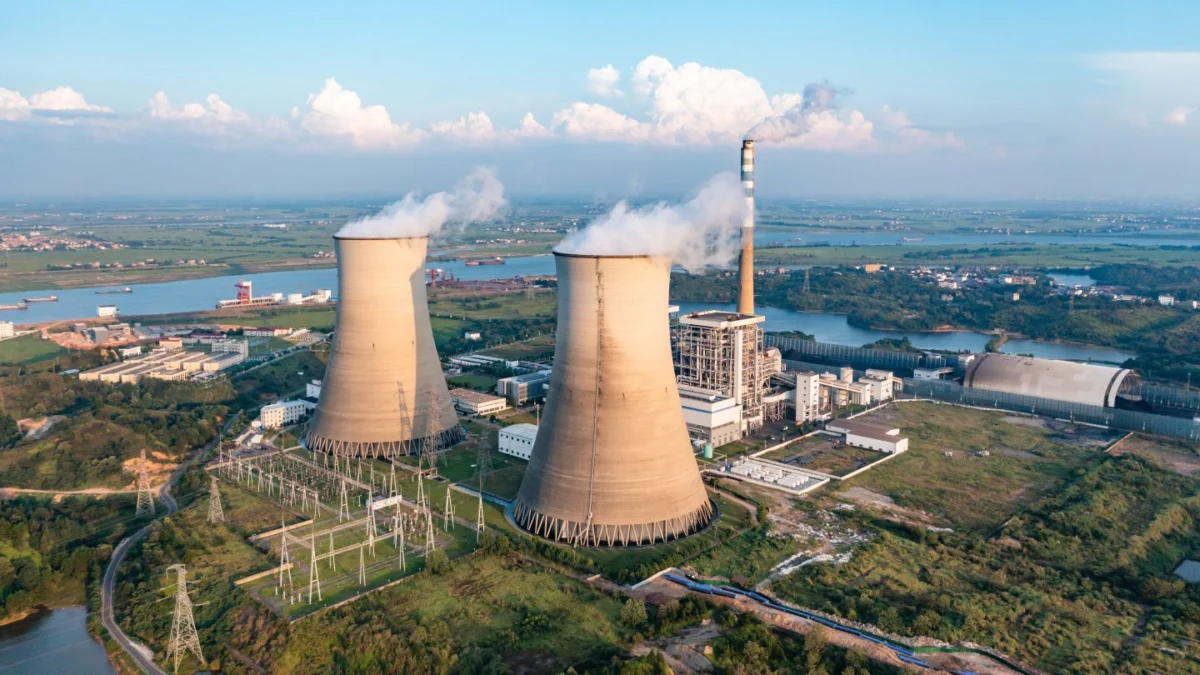
The choice of Brunsbüttel is not incidental. As a former nuclear power plant site, the location already possesses high-capacity grid connection infrastructure that can be repurposed to feed battery-stored energy into the transmission system.
Technical Specifications
- Total Capacity: >1 GWh (4-hour duration)
- Power Output: 254 MW
- Technology: Fluence Gridstack Pro 5000
- Grid Integration: 380kV, 50Hz transmission network
- Impact: Nearly doubles Vattenfall’s existing European battery storage portfolio.
The four-hour discharge capability is particularly noteworthy. While many early BESS projects were designed for short-duration frequency response (often 1–2 hours), a four-hour duration allows the facility to act as a "time-shifter." It can soak up surplus wind energy during peak generation periods—often occurring at night or during windy intervals—and release that power during the morning or evening peaks when demand is highest. This capability is vital for mitigating the price volatility currently plaguing European energy markets.
Official Responses: Aligning Strategy with Sustainability
Leadership from both Vattenfall and Fluence emphasized that this project is a blueprint for the future of utility-scale storage.
Claus Wattendrup, Head of Solar and Batteries at Vattenfall, underscored the strategic importance of the installation:
"Projects like this battery storage facility play an important role in strengthening the resilience of the energy system and enabling the continued integration of renewable power generation. Together with Fluence as our long-term partner, we are creating a flexible asset that can respond to changing electricity market needs for many years to come. The project will further strengthen our portfolio of flexibility solutions and support the transition away from fossil fuels."
For Fluence, the project validates the scalability of their Gridstack platform. By providing a turnkey solution, the company is ensuring that the technical complexity of integrating thousands of battery cells is abstracted away, allowing Vattenfall to focus on market participation and grid optimization.
Implications for the Energy Landscape
The implications of the Brunsbüttel project extend far beyond the facility itself. It provides a roadmap for the "Energy Transition 2.0" in Germany and beyond.
1. Reclaiming Nuclear Infrastructure
As nations across Europe retire aging nuclear or coal-fired power plants, they face the challenge of "stranded assets"—sites with prime grid connectivity that are no longer generating power. The Brunsbüttel project demonstrates that these sites are ideal locations for BESS, as they are already equipped with the necessary substations and transmission lines to handle large power transfers.
2. Market Stabilization
Germany’s energy market is increasingly defined by "dunkelflaute"—periods of low sun and low wind. Furthermore, on days with high wind production, the grid often faces congestion, sometimes leading to negative pricing where producers pay to keep power on the line. A 1GWh storage asset provides a massive buffer to absorb this excess, reducing the need for grid operators to curtail renewable energy generation.
3. Scaling Up for the 2030 Goals
Vattenfall’s commitment to doubling its storage portfolio signals a wider industry trend: the transition from "pilot projects" to "system-critical infrastructure." As the company moves toward its 2028 target, the Brunsbüttel BESS will likely serve as a benchmark for how future large-scale energy storage projects are financed, constructed, and operated.
4. Long-Term Service and Asset Integrity
A critical, often overlooked aspect of this agreement is the long-term service provision. Battery chemistry degrades over time, and software algorithms must be constantly updated to match evolving grid codes and market conditions. By securing a long-term service partnership with Fluence, Vattenfall is ensuring that the asset will maintain its performance metrics throughout its operational life, protecting the long-term ROI of the project.
Conclusion: A New Chapter in Grid Flexibility
The Brunsbüttel project is more than just a battery installation; it is a vital bridge between the energy systems of the past and the sustainable grids of the future. By replacing the capacity of a decommissioned nuclear site with a 254MW/1GWh battery system, Vattenfall and Fluence are proving that flexibility is the new baseload.
As construction approaches in 2027, the energy sector will be watching closely. The success of this facility will likely serve as a catalyst for further investment, proving that with the right technology and strategic planning, the challenges of a 100% renewable energy grid can be solved today. The Brunsbüttel site is not just being decommissioned; it is being repurposed to play a central role in powering the German economy for decades to come.