For decades, popular culture has painted the piranha as a ravenous, flesh-stripping terror of the Amazon—a creature capable of reducing a large animal to a skeleton in mere seconds. Yet, for those living in the vast river basins of South America, the piranha is not a cinematic monster; it is a staple of the local diet. Across Brazil, Peru, and Colombia, piranha is frequently found on dinner plates, appearing in everything from rustic soups to crispy, fried street food.
But can you actually eat a piranha? The answer is a resounding yes, though the experience of consuming this infamous fish is far more nuanced than its frightening reputation suggests.
The Reality of Piranha as a Food Source
At its core, the piranha is a freshwater fish with firm, white, and flaky meat. In culinary terms, it shares more similarities with other river-dwelling fish—such as bass or tilapia—than it does with the predatory monsters of Hollywood lore.
However, the "scare factor" is a significant hurdle for most travelers. While the fish itself is not inherently dangerous to consume, the logistics of harvesting and preparing it require a level of local expertise. In the United States, Canada, and much of Europe, piranha is not a commercial commodity. It is not something you will typically find at your local fishmonger’s counter. For the average person outside of South America, piranha remains an exotic, bucket-list culinary experience, often sampled during guided Amazonian excursions.
The Culinary Profile
If you find yourself in the Amazon basin, you will likely encounter piranha prepared in one of three ways:
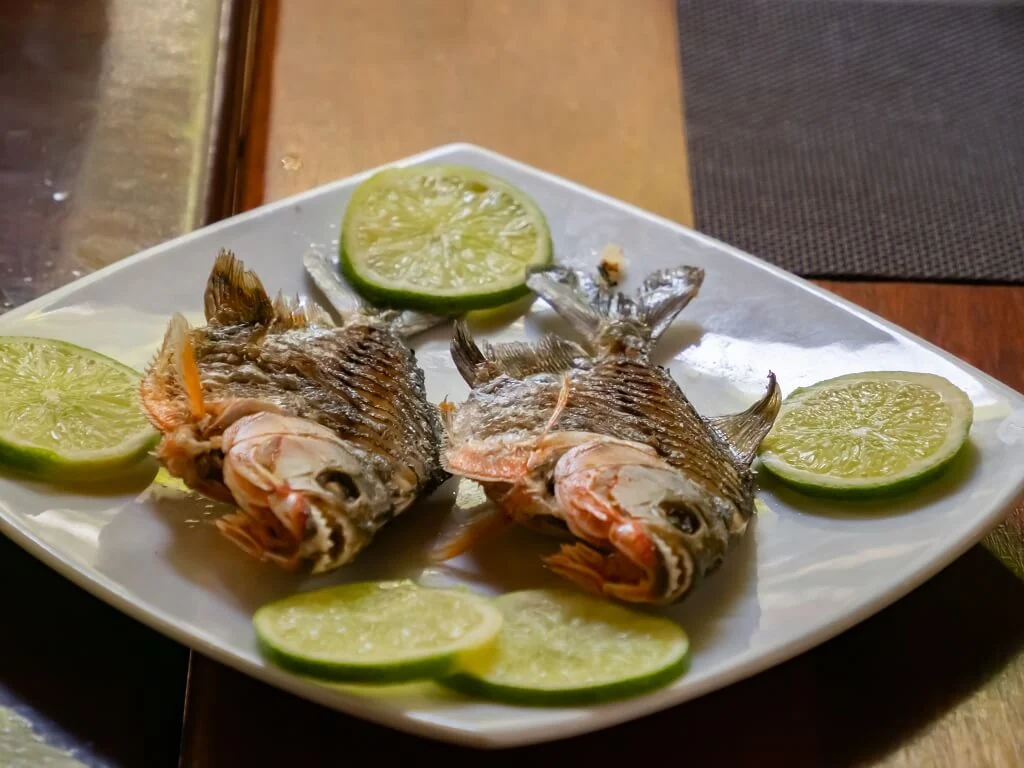
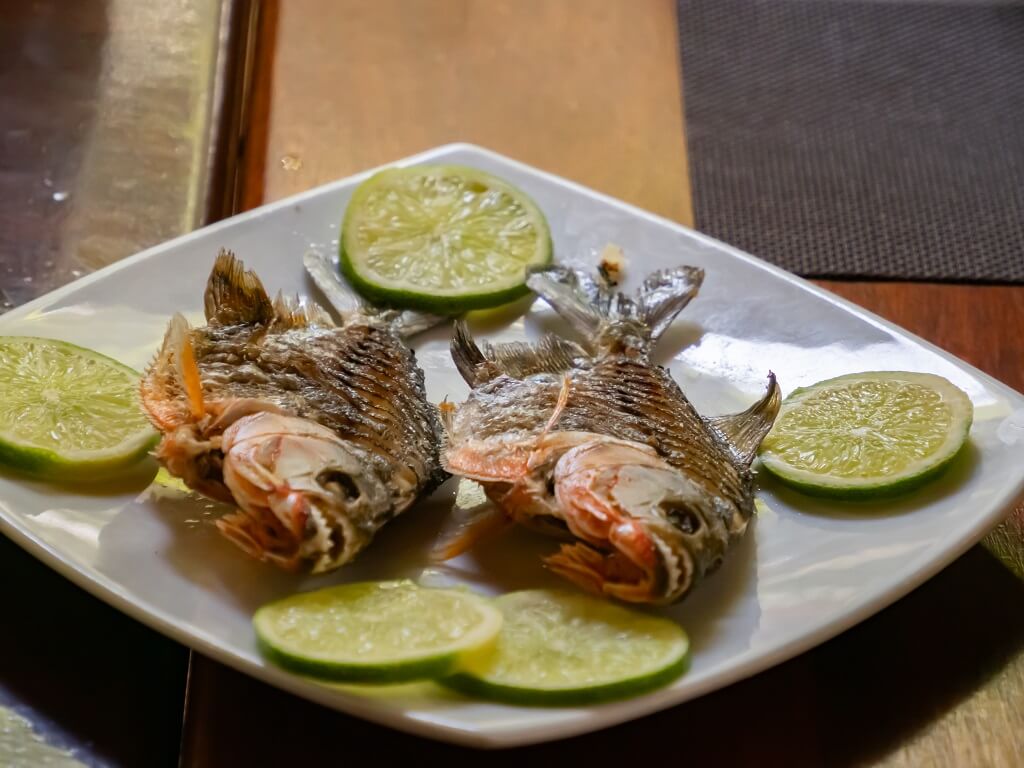
- Fried: Often served whole, frying the fish creates a crisp skin that makes the flesh easy to pick away from the bone.
- Grilled: Seasoned with local herbs and citrus, grilling emphasizes the firm, clean taste of the meat.
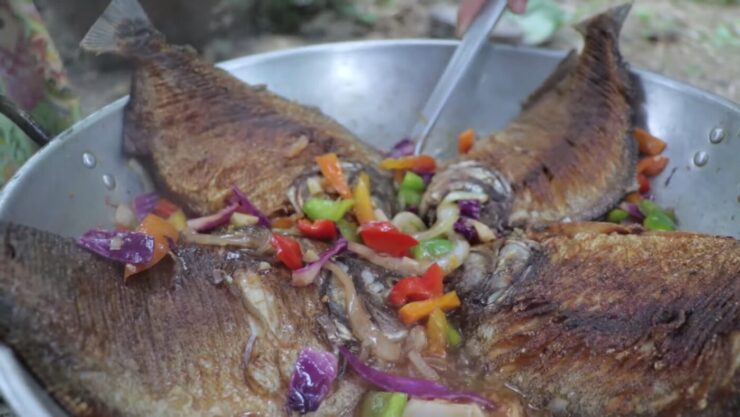
- Soup: This is perhaps the most traditional preparation. By simmering the fish, the bones—which are plentiful and often small—can be easily separated, and the broth absorbs the deep, savory essence of the fish.
Chronology and Cultural Significance
The history of piranha consumption dates back centuries, rooted in the indigenous cultures of the Amazon and Orinoco river basins. For these communities, the piranha was a reliable source of protein, abundant in the floodplains and accessible to those who understood the rhythm of the rivers.
- Pre-Colonial Era: Indigenous tribes utilized specialized traps and primitive spears to harvest piranha. The fish was rarely seen as a "trophy" but as a vital survival resource.
- The 20th Century Shift: As Hollywood began to use the piranha as a trope for "jungle danger," the perception of the fish underwent a radical shift in the Western consciousness. The gap between the "movie piranha" and the "food piranha" widened, creating a psychological barrier for outsiders.
- Modern Tourism: With the rise of eco-tourism and adventure travel in the late 1990s and early 2000s, "Piranha Fishing" became a popular activity for tourists. This shift helped bridge the gap, as lodges began serving the catch of the day, normalizing the fish for international visitors.
Supporting Data: The Nutritional and Structural Facts
Piranha is a nutrient-dense protein source. Like most freshwater fish, it provides a high-quality amino acid profile and is relatively low in fat. However, it is structurally challenging.
| Feature | Description |
|---|---|
| Flavor Profile | Mild to moderately fishy; highly dependent on water clarity and diet. |
| Meat Texture | Firm and white; maintains structure well during stewing. |
| Bone Complexity | High; significantly more bone-dense than oceanic whitefish. |
| Primary Prep | Whole-fish cooking is essential due to size and bone structure. |
Because piranhas are generally smaller than many commercially harvested fish, filleting them is often inefficient. This is why local traditions favor the "whole-fish" approach—boiling or frying the entire specimen allows the eater to navigate around the bones more effectively.
Official Guidelines and Safety Considerations
While piranha is not toxic, the safety of consuming it follows the same rigorous standards applied to any wild-caught freshwater species.
The FDA and EPA Perspective
The U.S. Food and Drug Administration (FDA) and the Environmental Protection Agency (EPA) do not specifically regulate piranha, as it is not a common import. However, their general guidelines for wild-caught freshwater fish apply:
- Water Quality: Always ensure the fish comes from clean, flowing water. Stagnant, polluted, or industrial-run-off-prone water can harbor contaminants, including mercury.
- Internal Temperature: The USDA and FoodSafety.gov mandate that all fish be cooked to an internal temperature of 145°F (63°C). This is the only way to ensure that potential parasites—which can be present in any freshwater fish—are neutralized.
- Local Advisories: If you are in South America, pay attention to local health advisories. If local guides warn against fishing in a specific tributary, it is usually due to heavy metal concentrations or bacterial contamination.
The Handling Dilemma: Beyond the Plate
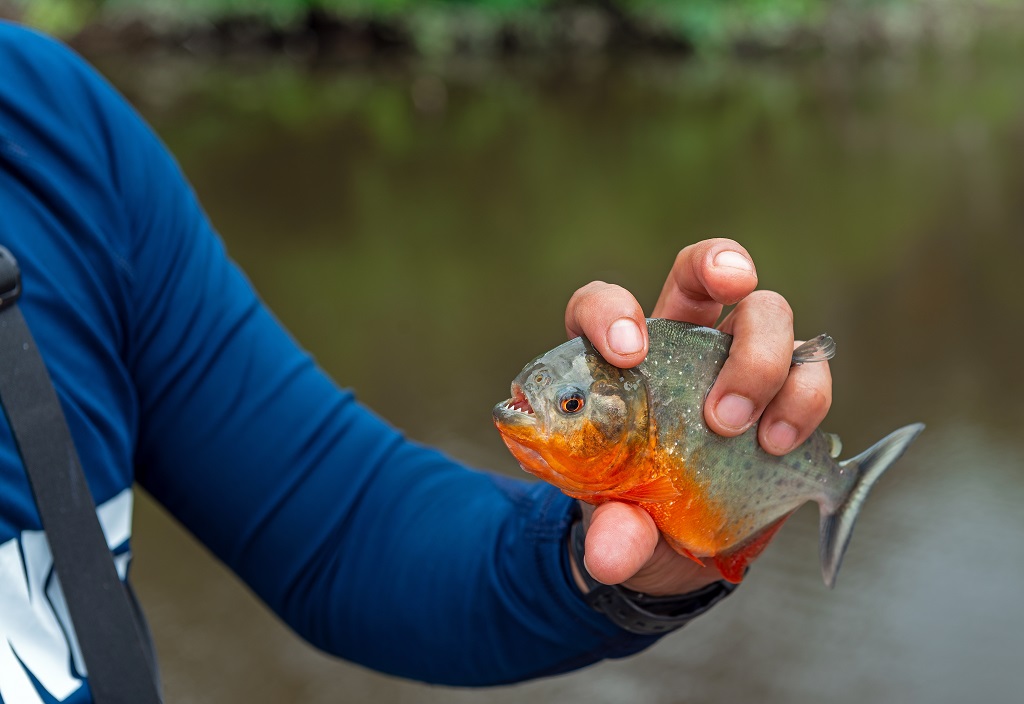
The most common injury involving piranhas does not occur in the kitchen, but on the riverbank. Handling a live piranha is inherently dangerous due to their specialized teeth and aggressive jaw reflexes.
Best Practices for Handling
- The "No-Finger" Rule: Never use your fingers to remove a hook from a piranha’s mouth. Their jaws are designed to shear; a moment of inattention can result in a severe laceration. Always use long-nosed pliers or a dedicated hook-removal tool.
- Controlled Environment: If you are fishing from a kayak—a popular choice for modern anglers—ensure you have adequate deck space. A thrashing, toothy fish in a confined space is a recipe for an accident.
- Safe Disposal: Never leave discarded fish remains near swimming areas. While they are scavengers, the smell of blood and offal can draw more piranhas to the area, which may increase the risk of accidental bites to swimmers.
Implications: The Ethics of Invasive Species
A critical point of concern regarding piranha consumption is the legal status of the fish in countries where it is not native. In many parts of the world, piranhas are classified as "prohibited invasive species."
If you are a hobbyist or an importer, the implications are severe. Releasing a non-native piranha into a local lake or river can wreak havoc on local ecosystems. Consequently, many jurisdictions strictly regulate the importation, transport, and ownership of these fish. Do not attempt to import piranha for consumption. If you want to try it, support the local economies of the Amazon by visiting a restaurant or lodge that operates within the legal framework of its home country.
The Verdict: A Culinary Adventure
Is piranha worth the effort? For the culinary adventurer, absolutely. The flavor is clean, the texture is satisfying, and the experience of eating a fish that has been mythologized as a man-eater provides a unique story.
However, it is vital to keep expectations in check. You aren’t eating a trophy predator; you are eating a regional fish that requires careful preparation and respect for its anatomy. By following local advice, ensuring proper cooking temperatures, and avoiding the "movie monster" mentality, you can enjoy a piece of Amazonian culture that has sustained communities for generations.
Final Tips for the Adventurous Eater:
- Don’t skip the lime: The acidity of citrus is a staple in Amazonian piranha recipes; it cuts through the fishiness and complements the firm flesh.
- Respect the bones: Treat piranha with the same care you would a whole trout or snapper.
- Ask the locals: If you are in a remote village or fishing lodge, ask how the chef prefers to prepare it. They are the true experts on the nuances of their local catch.
Ultimately, the piranha is a testament to the fact that, in nature, the gap between "scary" and "savory" is often just a matter of perspective and a well-heated pan. Whether you are fishing from a kayak in a remote tributary or dining at a riverside restaurant, remember: treat the fish with respect while it’s alive, and enjoy it thoroughly once it’s on your plate.