In November 2024, a significant bridge was built between the American Pacific Northwest and the rugged heart of India. Instructors Ben Schmidt and Sam Johnston of the Whitewater Rescue Institute (WRI) embarked on a mission to northwestern India, aiming to harmonize international safety standards with the unparalleled local expertise of Aquaterra Adventures. This collaboration, set against the backdrop of the sacred Ganga and the thunderous Brahmaputra, represents a pivotal moment in global river safety, emphasizing that while geography changes, the fundamental language of the river remains universal.
The Foundation of the Exchange: Safety and Synergy
The partnership between WRI and Aquaterra Adventures was born from a mutual respect for the outdoor industry and a shared commitment to risk management. Aquaterra Adventures, recognized globally as a premier leader in trekking and river expeditions, has long operated as a steward of India’s most formidable waterways.
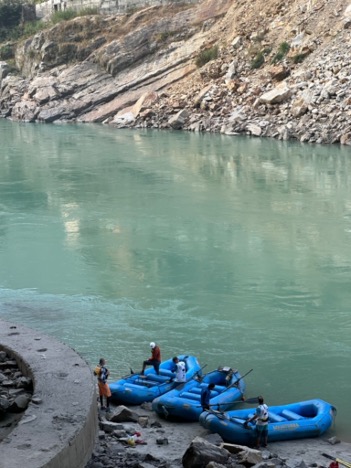
The primary objective of the mission was to integrate WRI’s rigorous swiftwater rescue curriculum into the daily operations of Aquaterra’s guide staff. The training was not merely a series of lectures; it was a collaborative exchange. The WRI instructors sought to standardize essential risk management protocols—such as upstream and downstream safety planning—while the local guides provided an invaluable perspective on reading the unique, massive hydraulics of Indian river systems.
Chronology of the Expedition: From the Ganga to the Brahmaputra
Part I: The Sacred Banks of the Ganga
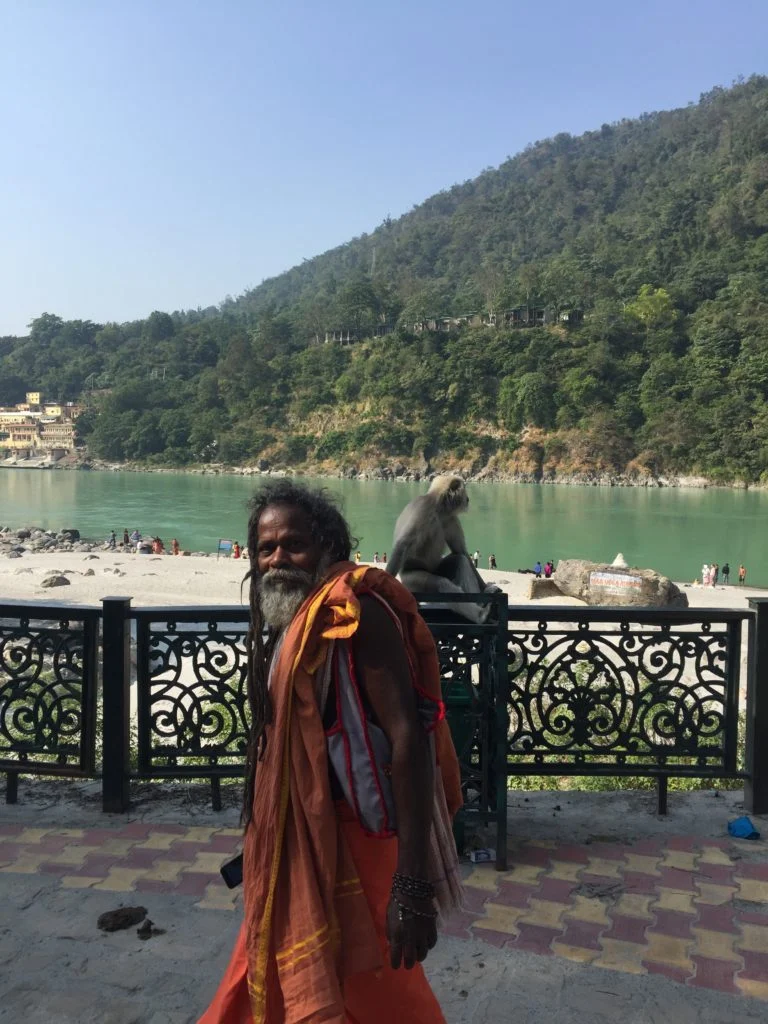
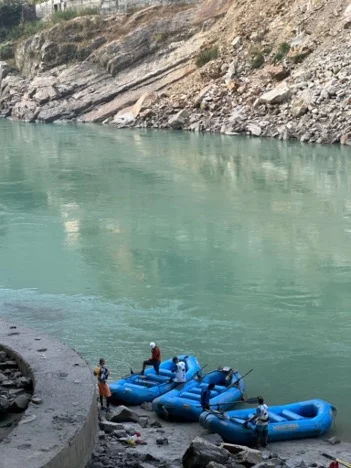
The journey began in the vibrant, sensory-rich city of Dehradun. After navigating the bustling markets and chaotic charm of the region, the team moved north to Atali Ganga, the primary basecamp for Aquaterra Adventures. Situated in the Valley of the Ganga, the site offered more than just logistical support; it provided an immersion into the environment.

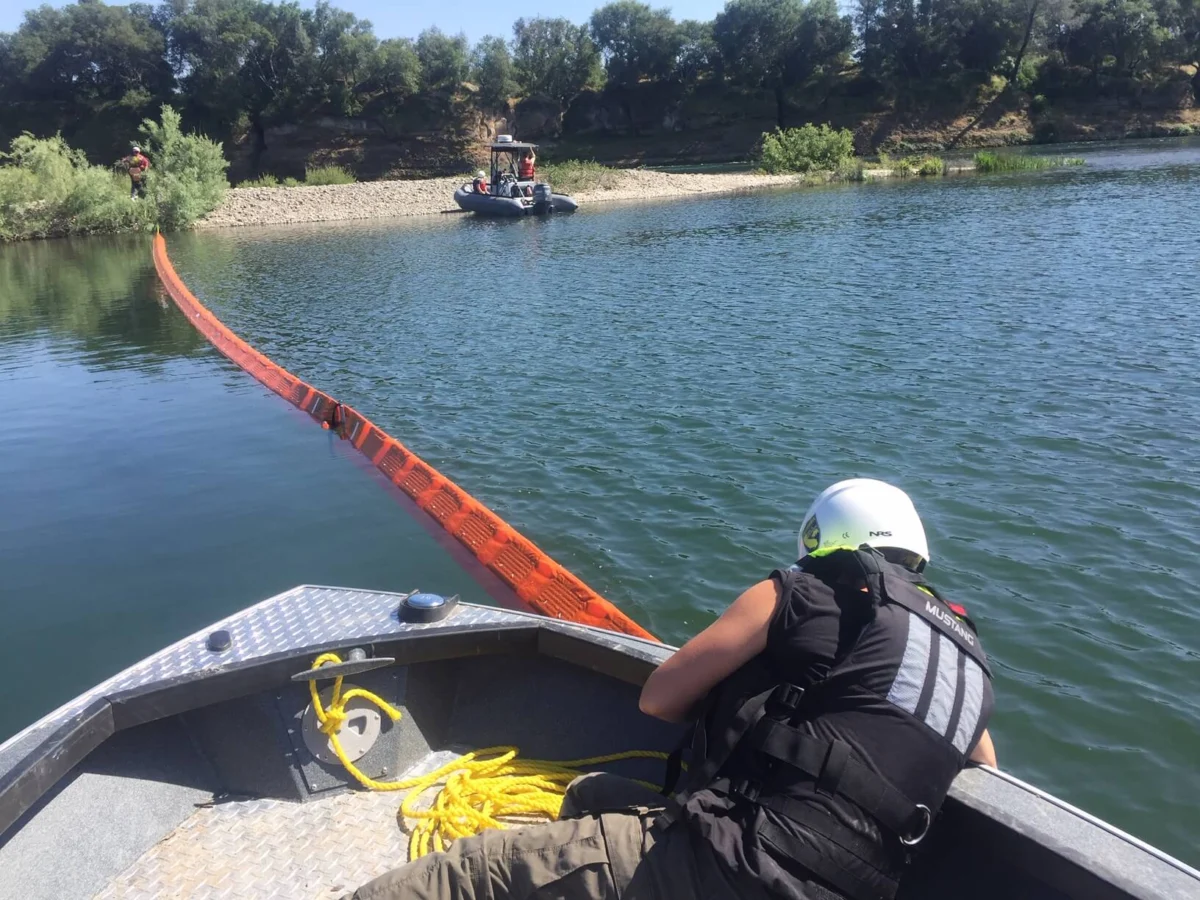
During their ten-day residency, Schmidt and Johnston worked closely with local professionals to refine technical rescue maneuvers. The curriculum focused on:
- Aggressive and Defensive Swimming: Mastering body positioning in heavy current.
- Throw-bag Deployment: Accuracy and timing in rescue scenarios.
- Inflow Rescue Strategies: Managing complex hydraulic entrapments.
The instructors noted that the local guides possessed an innate understanding of the river, having spent their lives navigating the tributaries of the Ganga. This local knowledge, combined with WRI’s systematic approach to rescue, resulted in a high-level training environment where both parties felt empowered to exchange techniques.

Part II: The Brahmaputra Odyssey
Following the success of the Ganga training, the mission shifted to the Brahmaputra River in Arunachal Pradesh. This leg of the journey required extensive logistical orchestration, facilitated by Aquaterra’s founder, Vaibhav Kala. His expertise proved vital in navigating the complex travel requirements of India’s northeastern frontier.
The transition from the training base to the river put-in was a journey into the wild. The Brahmaputra is a river of legendary proportions, offering whitewater that ranks among the most challenging in the world. Joining a crew led by veteran river guide Rana G—who has successfully navigated this expedition 23 times—the WRI team experienced firsthand the raw power of the river.

Supporting Data and Technical Observations
The technical demands of the Brahmaputra were highlighted by the physical realities of the water. Using performance tracking technology (Garmin), the team recorded river speeds reaching 20 miles per hour. The scale of the whitewater was equally staggering:
- Rapid Characteristics: Waves with faces reaching up to 30 feet in height.
- Lateral Features: Bus-sized hydraulics that required precise navigation and immense team coordination.
- Endurance Requirements: The sustained effort required to paddle through these features highlighted the need for the advanced fitness and rescue readiness protocols taught by WRI.
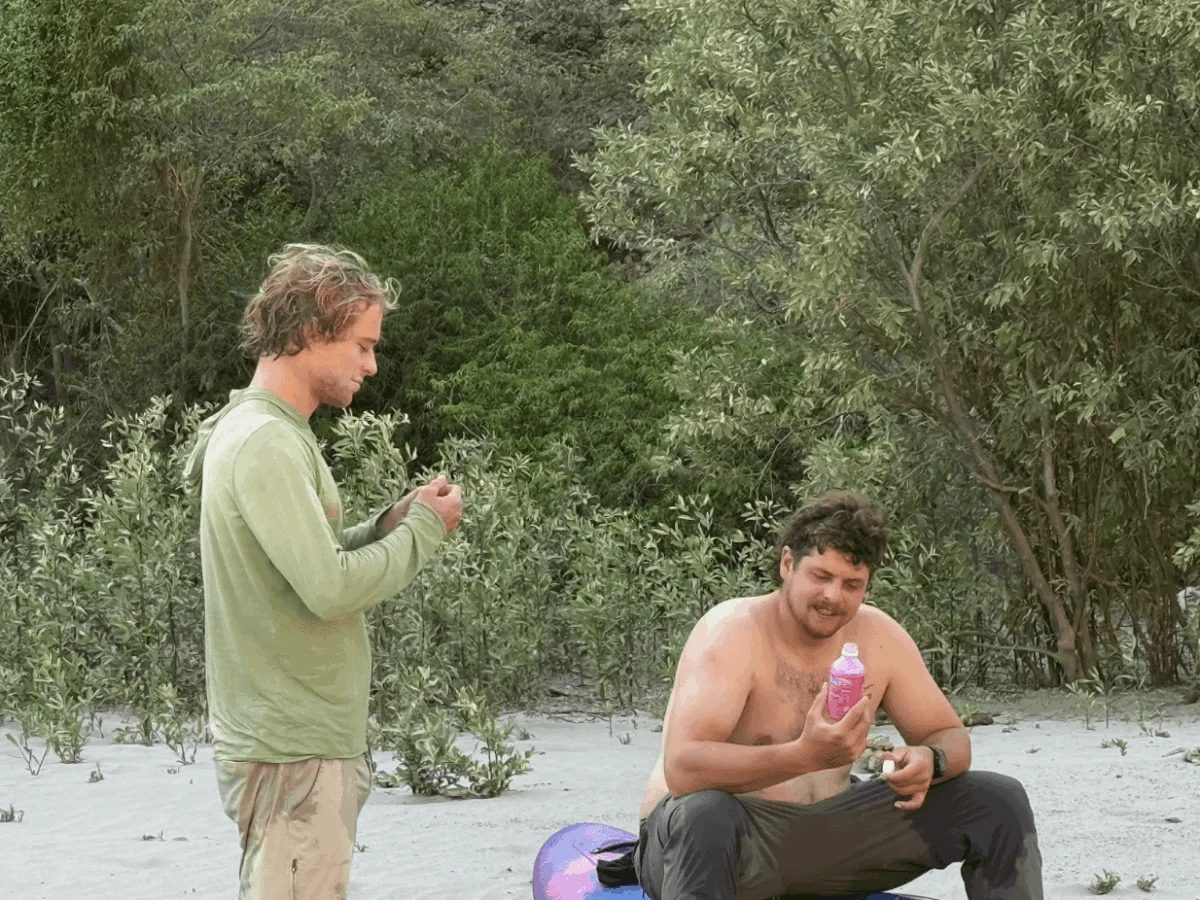
Beyond the technical data, the expedition relied on the human element. The camaraderie built around nightly driftwood fires, the shared meals, and the exchange of stories underscored the importance of team cohesion in high-risk environments.

Official Perspectives: The Value of Global Collaboration
When asked about the significance of the partnership, the participants emphasized the necessity of international standardization. For WRI, the trip was an opportunity to learn as much as it was to teach.
"The local guides grew up near the biggest mountains and the biggest rivers in the world," Sam Johnston noted in his reflection. "Their skills were humbling. Our role was to provide a framework to ensure that these world-class skills are backed by universally recognized safety protocols, allowing them to pass this knowledge down to the next generation of Indian river professionals."

The hospitality provided by the Aquaterra team served as a cornerstone of the expedition’s success. By treating the WRI instructors as family, the hosts ensured that the visitors were not merely observers, but active participants in the culture of Indian river running. This level of trust and openness is, according to WRI, the most effective catalyst for safety education.
Implications for Global River Safety
The 2024 India mission has far-reaching implications for the future of whitewater rescue.

1. Standardization of Training
By aligning WRI curriculum with the practical experience of Aquaterra’s guides, the mission proved that safety protocols can be successfully adapted across cultural and geographic boundaries. This provides a blueprint for future international collaborations.
2. Stewardship of Wild Spaces
The expedition reinforced the idea that river guides are the primary stewards of the world’s most remote environments. By equipping these guides with advanced rescue techniques, WRI is effectively increasing the safety and sustainability of adventure tourism in regions that are otherwise difficult to access.

3. Personal Transformation
Perhaps the most significant implication of the trip was the psychological growth experienced by the participants. As Johnston reflected, the journey was not about "conquering" the river, but rather navigating the internal landscape of fear and resilience. This philosophy is now being integrated into the broader educational mission of the Whitewater Rescue Institute.
Conclusion: The Story in the Current
As the expedition concluded at the Brahmaputra takeout, the sentiment shared by the WRI team was one of profound gratitude and renewed purpose. The integration of international rescue standards into the heart of India is a testament to the power of shared knowledge.

The success of this collaboration ensures that when future enthusiasts and professionals venture into the turquoise waters of the Ganga or the roaring rapids of the Brahmaputra, they do so with a deeper layer of protection. The mission served as a reminder that within each rapid and every bend in the river, there is a story of human connection, resilience, and the ongoing pursuit of safety in the face of nature’s most formidable forces.
The Whitewater Rescue Institute’s time in India has not only elevated the safety standards of one of the world’s leading outdoor companies, but it has also established a lasting bond between two worlds, united by the common current of the river. As these techniques are disseminated among local guides and enthusiasts, the legacy of this journey will continue to ripple through the whitewater community for years to come.