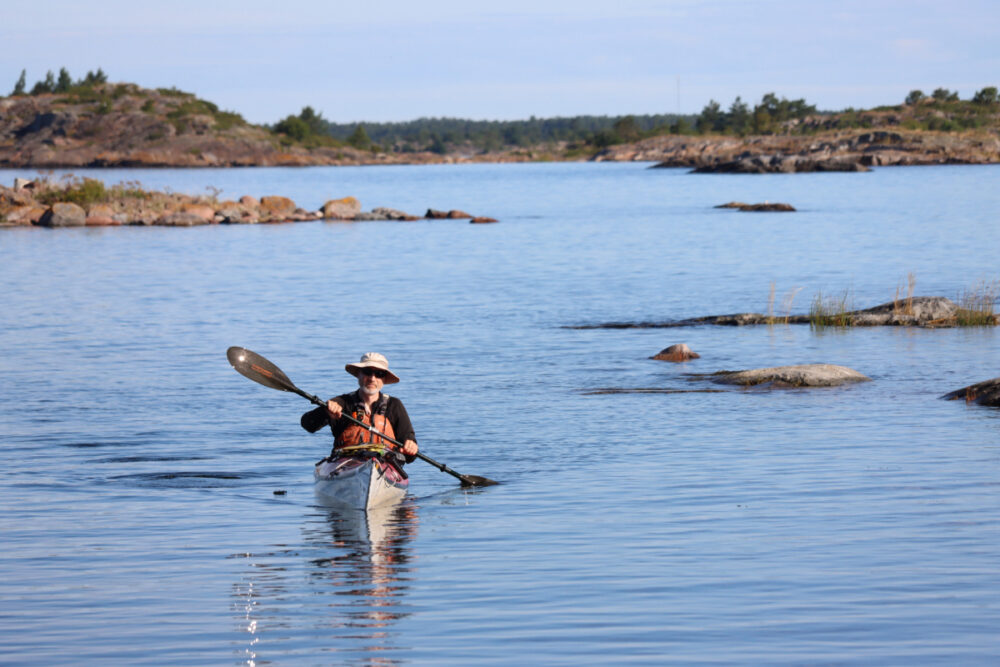
The Åland archipelago is a labyrinth of granite and saltwater, a place where time seems to slow down against the relentless rhythm of the Baltic waves. For two kayakers navigating the gusty, challenging waters between the Föglö church and the outer islands, this journey was not merely a physical test of endurance against headwinds and changing weather, but a deep-dive into the poignant, often haunting history of the region.
Main Facts: The Leprosy Hospital of Gloskär
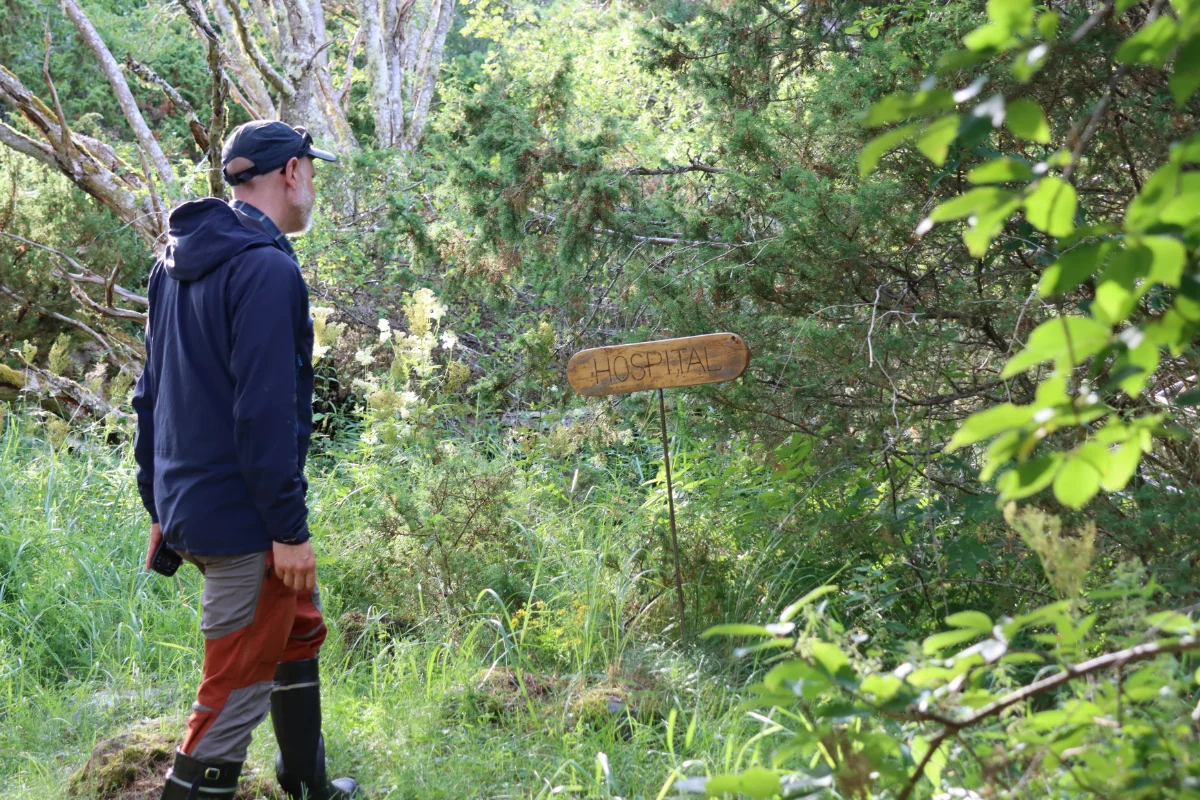
The primary objective of the expedition was to reach Gloskär, a location marked on nautical charts with the somber designation "spetälskhospital" (leper hospital). Between 1653 and 1672, this remote island served as a place of exile for those afflicted with leprosy.
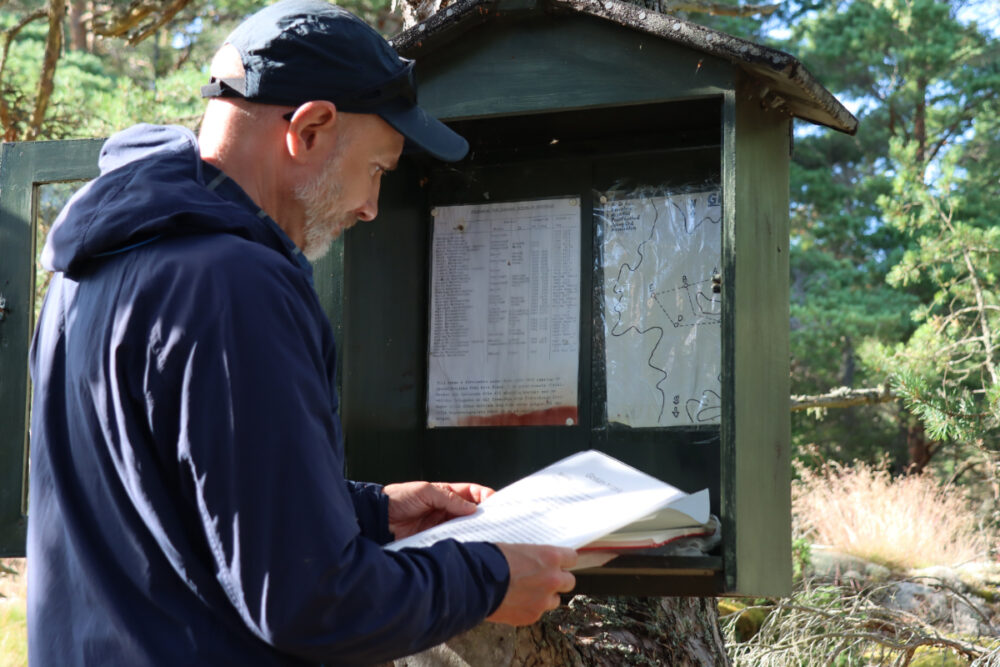
In the 17th century, a diagnosis of leprosy was essentially a death sentence—a social and biological expulsion. Records indicate that once a patient was identified, they were forced to leave their homes immediately. There was no return. Patients were required to bring their own clothing, bedding, and, chillingly, the nails and timber necessary to construct their own coffins.
The mortality rate was staggering; many succumbed within a year or two of arrival. The harsh conditions, combined with the lack of adequate food and building materials, meant that the hospital’s architecture began to decay almost immediately. By 1661, only eight years after its inception, the wooden structures were already rotting, forcing patients to dismantle their own coffins to patch roofs and repair floors. Today, only stone foundations and the remnants of a burial ground wall remain as silent witnesses to this tragic era.
Chronology of the Expedition
Day 1: The Leprosy Island
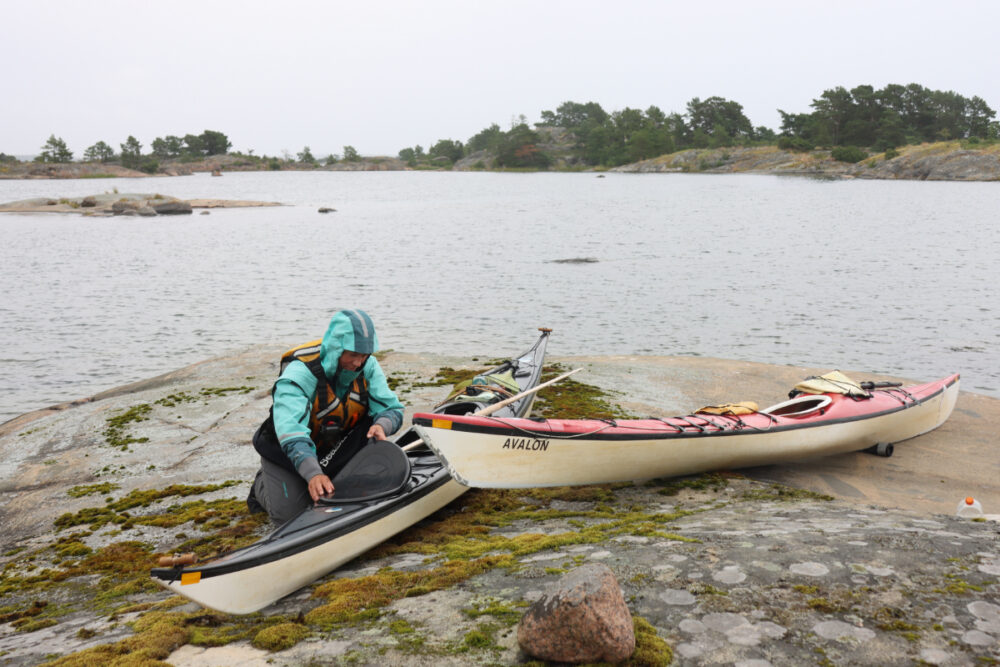
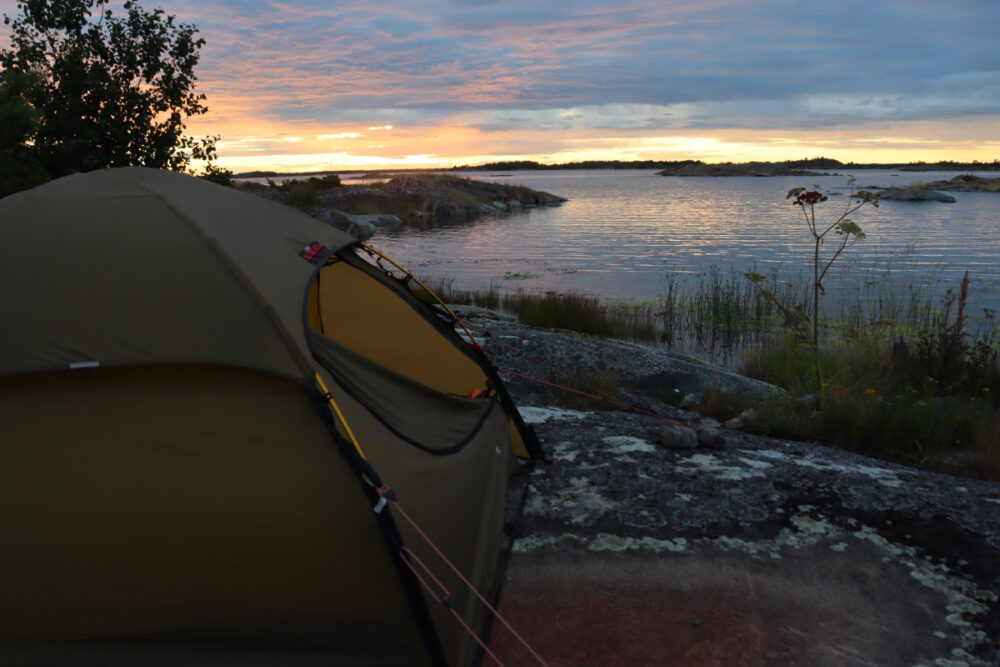
The journey began at the Föglö church, where the group launched their kayaks into a brisk, gusting headwind. After a seven-kilometer struggle, they arrived at the eastern shore of Gloskär. Given the unfavorable weather forecast, the team decided to set up camp on the smooth, glaciated granite rocks of the island.
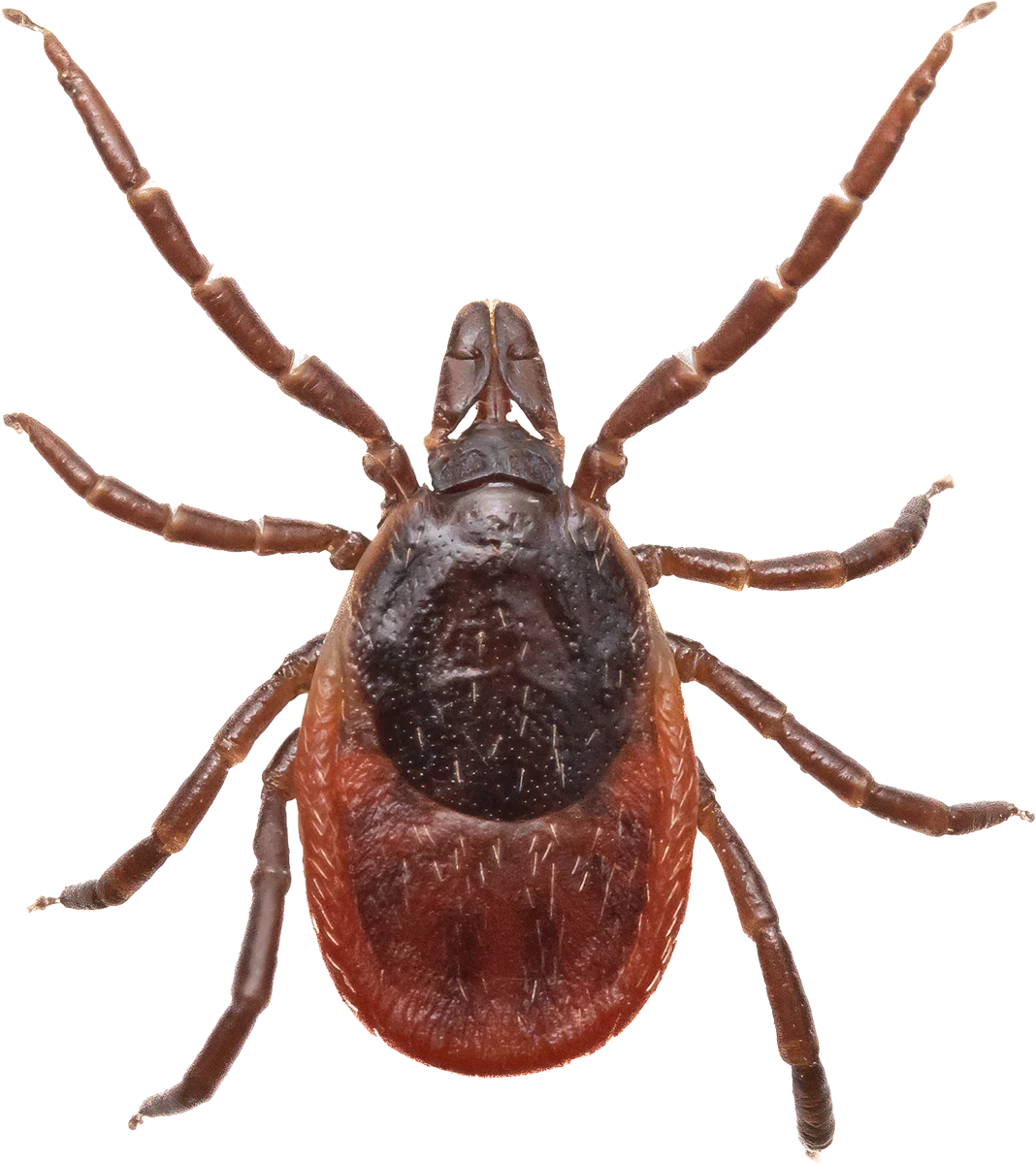
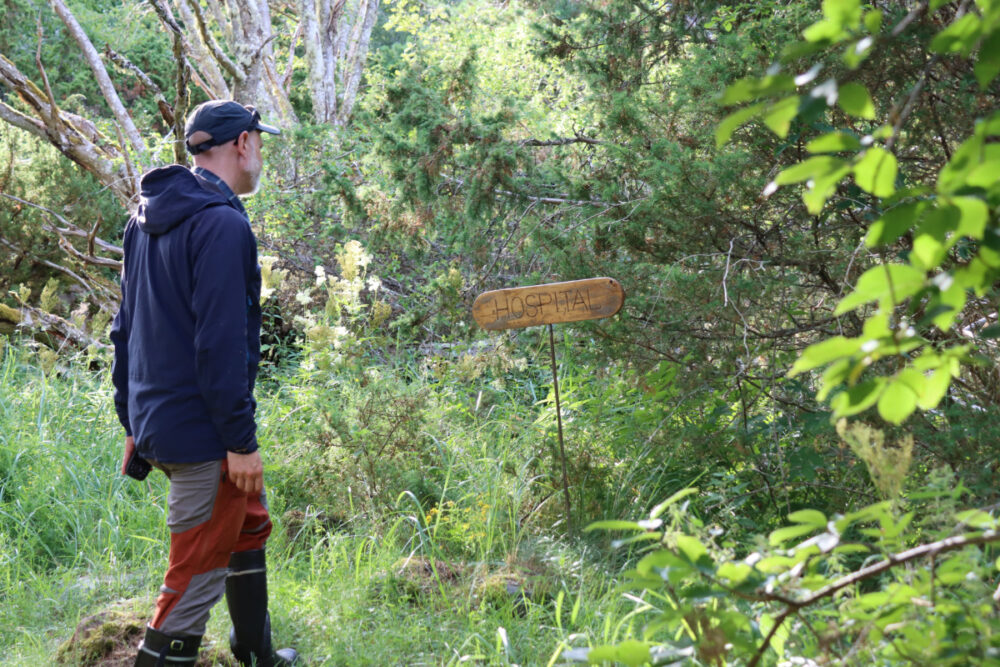
Equipped with rubber boots—a vital precaution against the island’s dense populations of ticks and vipers—the explorers ventured inland. They discovered a well-marked kilometer-long trail that detailed the island’s history, providing a stark contrast to the natural beauty surrounding them. The path is accessible by boat, though the steep natural harbor cliffs make it treacherous for kayakers.
Day 2: Seeking Shelter in Sältingskär
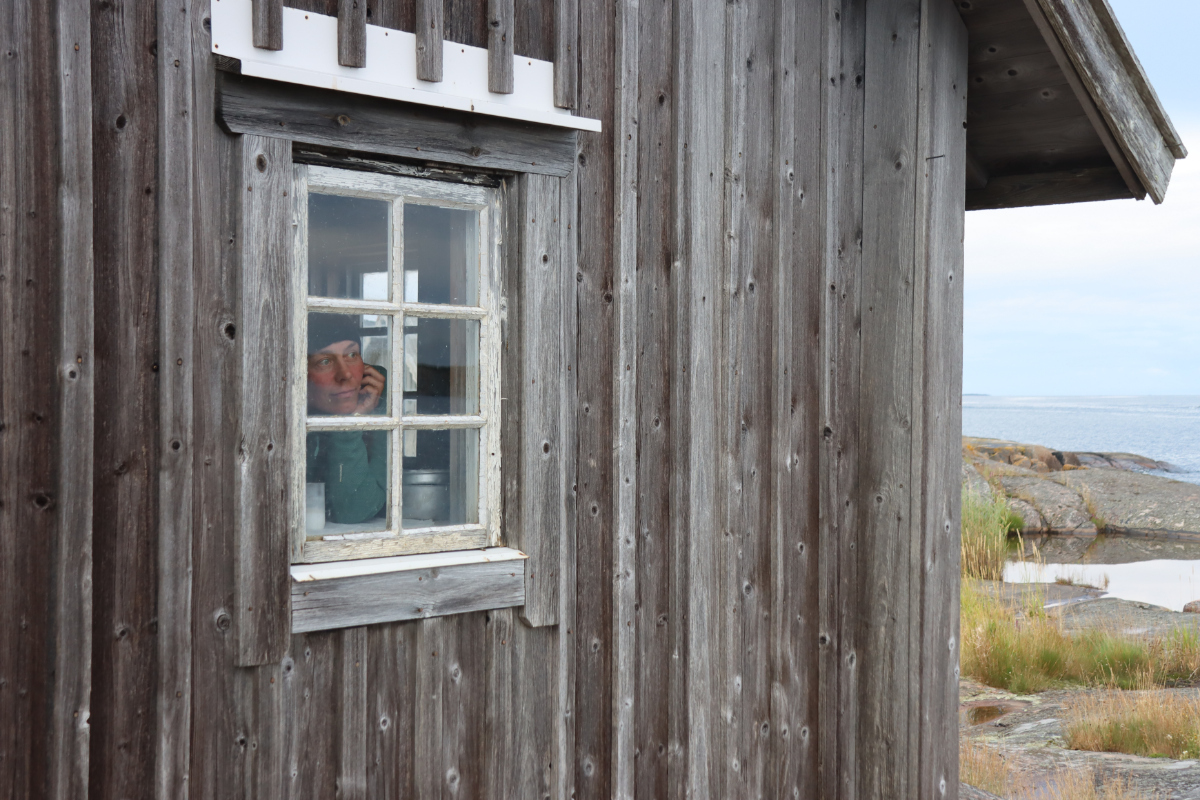
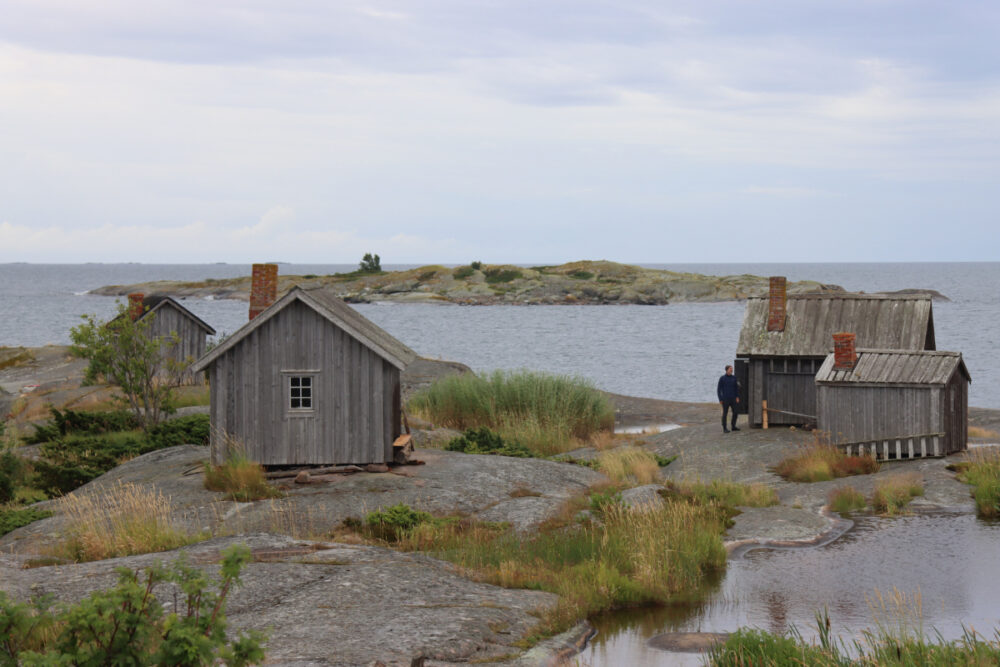
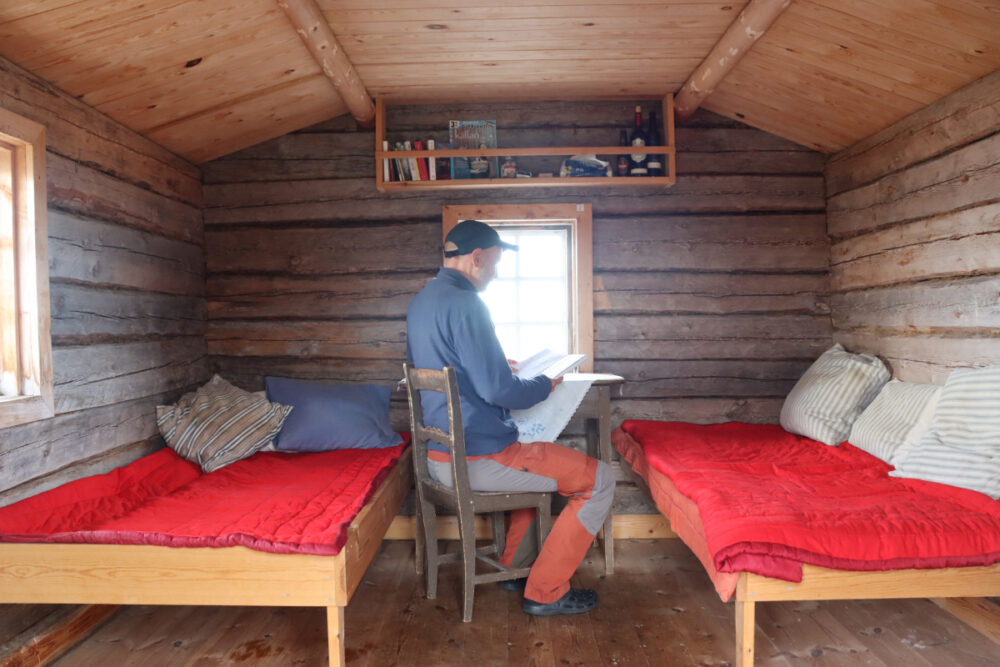
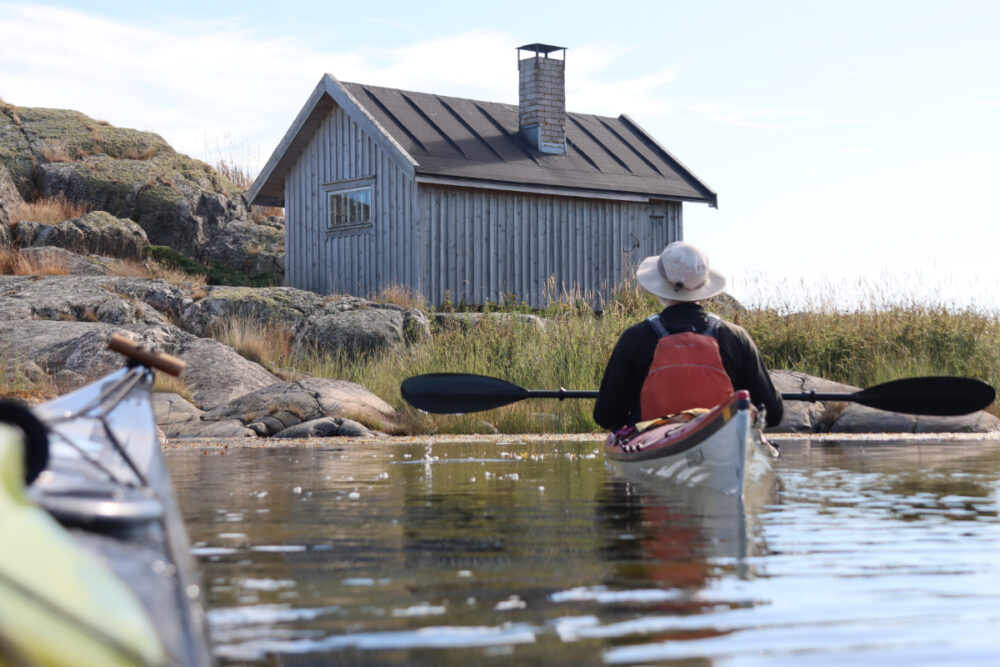
The following morning brought rain and low visibility. Choosing safety, the team pivoted toward the inner archipelago, navigating toward the traditional fishing huts of Sältingskär. These restored cabins, once the heart of seasonal fishing life, provided a refuge from the damp, grey afternoon.
Day 3: Heritage and Nature at Björkö
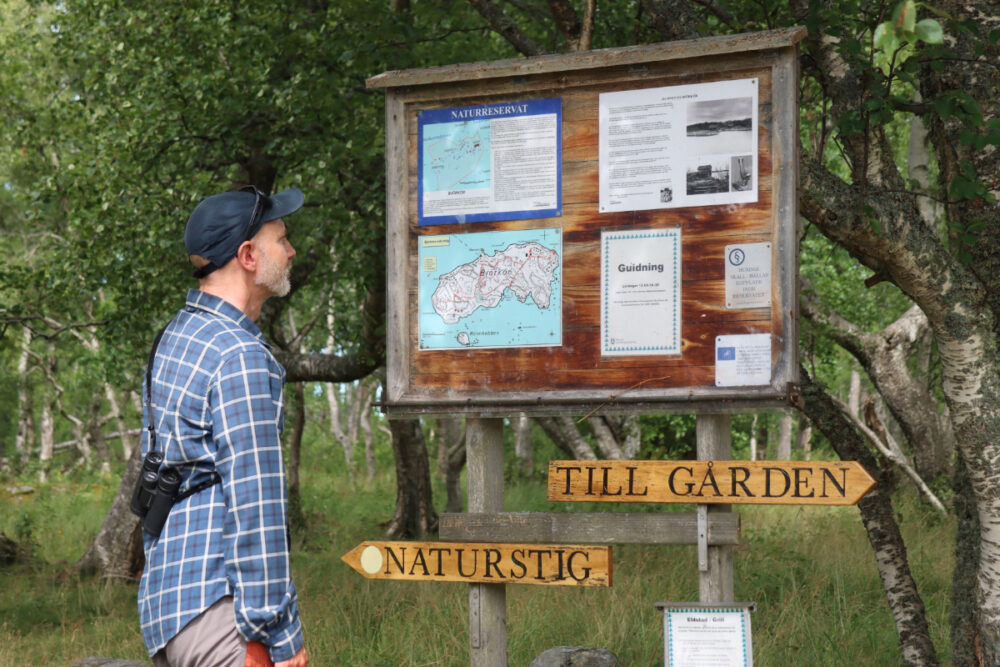
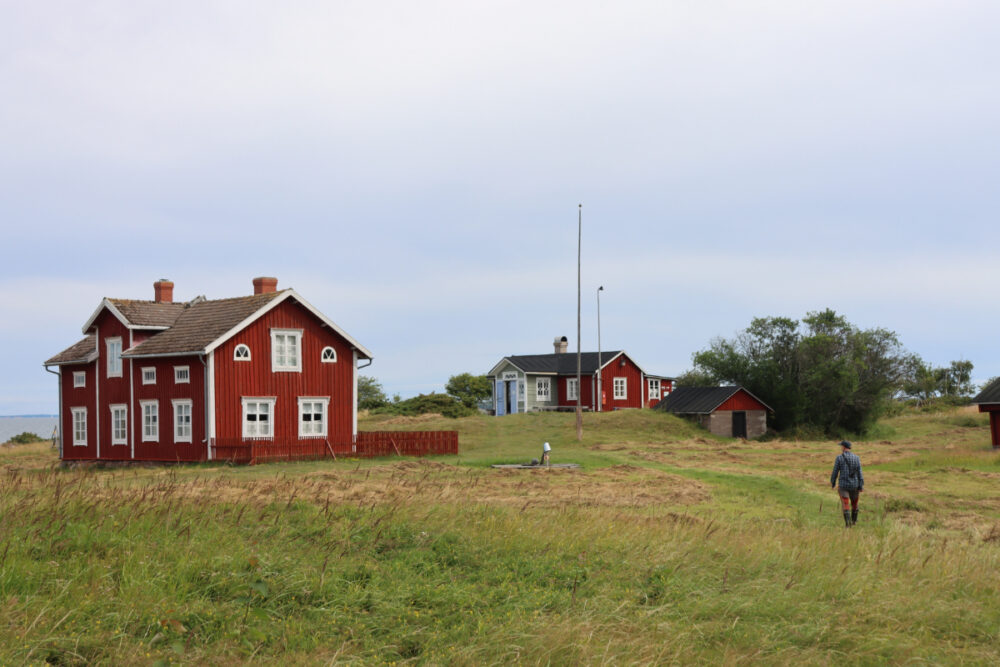
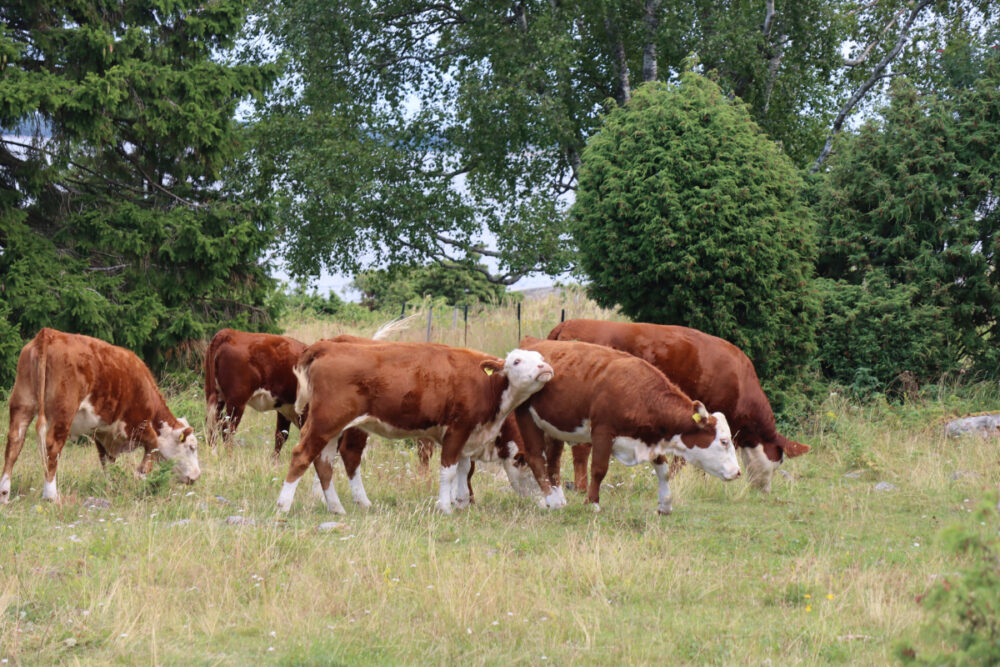
With the weather clearing, the expedition moved toward the southern shore of Björkö. This island, part of a protected nature reserve, functions much like a national park, offering amenities such as piers, fire pits, and dry toilets. The team explored a beautifully preserved 18th-century farmstead, where traditional meadow management remains a priority.
Day 4: The Outer Archipelago
The final leg involved a circuit through the outer islands. Despite the calm morning, the team remained cautious of shifting weather patterns. They visited a secondary fishing hut, which, unlike the well-maintained huts of Sältingskär, showed signs of neglect, serving as a reminder of the fragility of historical preservation in the outer islands. The journey concluded at the sandbars of Stora Sandören, a rare geological feature in the region.
Supporting Data: Environmental and Historical Significance
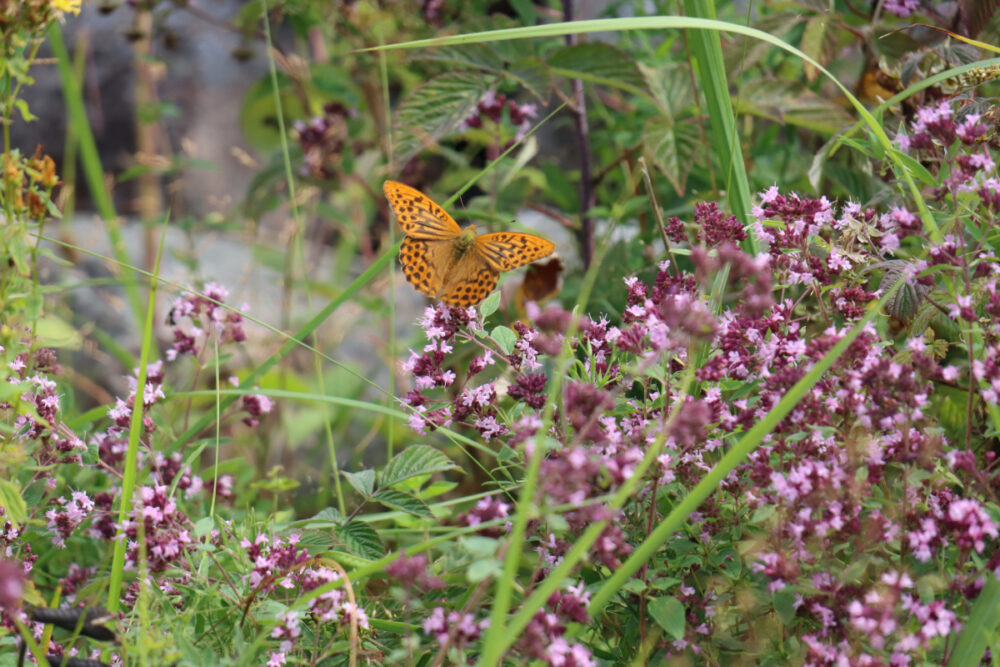
The Föglö archipelago is more than just a destination for outdoor enthusiasts; it is a critical habitat for biodiversity. The meadows at Björkö, kept open by grazing cattle and sheep, have become a sanctuary for pollinators. During the visit, the expedition observed large populations of the silver-washed fritillary (Argynnis paphia), a striking butterfly species that thrives on the nectar of wild marjoram.
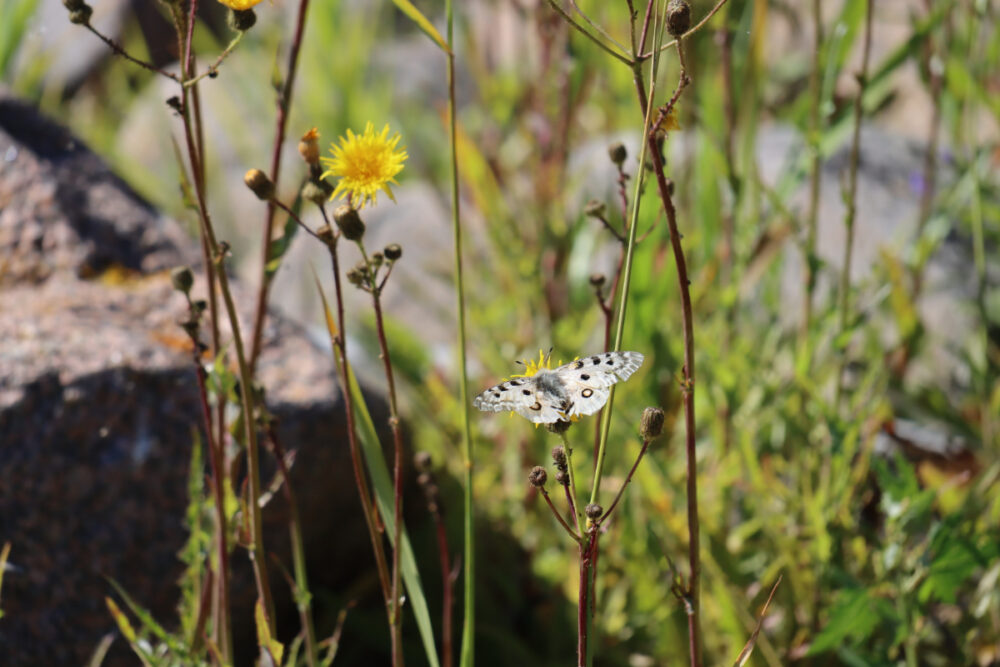
Furthermore, the area is a vital stronghold for the endangered Apollo butterfly (Parnassius apollo). The environmental efforts, including the meticulous restoration of fishing huts by the Föglö Local Heritage Society and the Åland Museum, play a dual role: they preserve human history while maintaining the ecological health of these sensitive islands.
Official Perspectives and Restoration Efforts
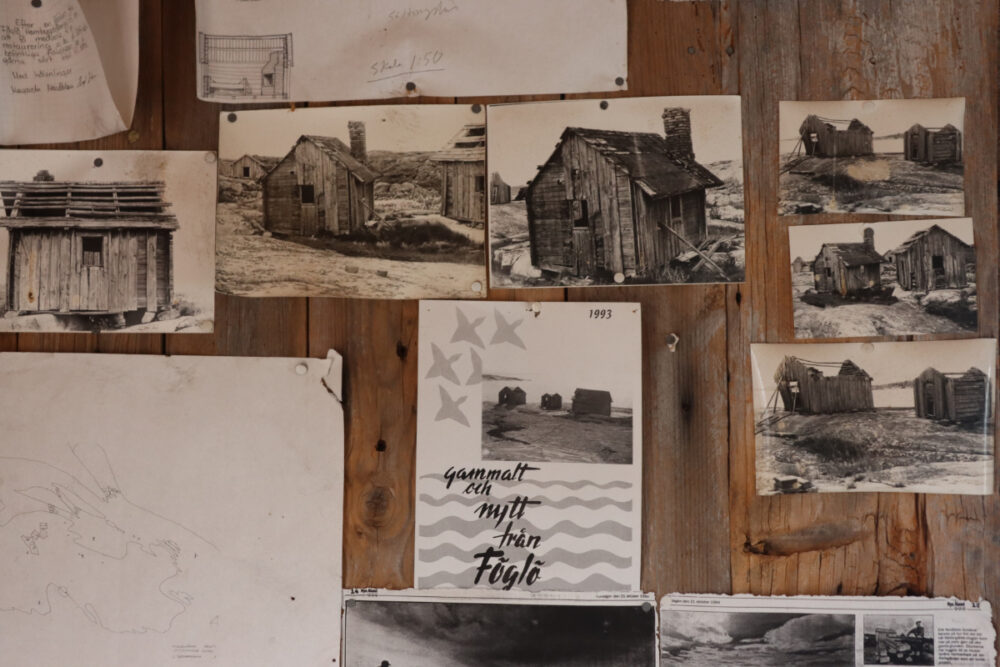
The restoration of sites like Sältingskär has been a monumental task. By the early 1990s, the huts were in a state of advanced decay—roofs were missing, and walls were unable to keep out the elements. The transformation of these sites from ruins into functional, museum-quality landmarks is largely attributed to volunteer efforts.
These projects reflect a broader commitment by the Åland authorities to balance tourism with cultural heritage. While the islands are protected, they are not sterile museum pieces; they are living landscapes that require active management—such as the grazing of livestock at Björkö—to prevent them from becoming overgrown and losing their historical character.
Implications for Future Exploration
This expedition highlights several critical aspects of modern sea kayaking and heritage tourism:
- The Necessity of Preparation: The rapid shift in weather encountered by the team near the outer islands serves as a warning for all adventurers. The decision to abort the exploration of the outermost skerries saved the team from potentially dangerous sea states.
- Cultural Responsibility: The stark difference between the well-maintained huts of Sältingskär and the neglected structures elsewhere underscores the dependency of historical preservation on local funding and volunteer passion.
- Ecological Sensitivity: The presence of endangered species like the Apollo butterfly necessitates a "leave no trace" approach. As visitor numbers in the archipelago potentially rise, the pressure on these delicate ecosystems will only increase.
The journey through Föglö was a profound reminder of the intersection between human suffering and environmental resilience. From the tragic, confined existence of the leprosy patients on Gloskär to the vibrant, buzzing life of the meadows on Björkö, the archipelago tells a story of adaptation. Whether through the survival of a building or the survival of a species, these islands continue to hold onto their history, waiting for those willing to paddle the distance to uncover them.
For the modern traveler, these islands offer more than just a place to pitch a tent; they offer a perspective on the brevity of human struggle and the enduring, if fragile, beauty of the Baltic wilderness.