Main Facts: The Transition to Summer Flow
As the spring runoff begins to subside and the long, sun-drenched days of a Montana summer take hold, the rhythm of the Clark Fork River has shifted. For the team at Montana River Guides, this transition marks the conclusion of their intensive professional swiftwater rescue training season and the official opening of their recreational whitewater program.
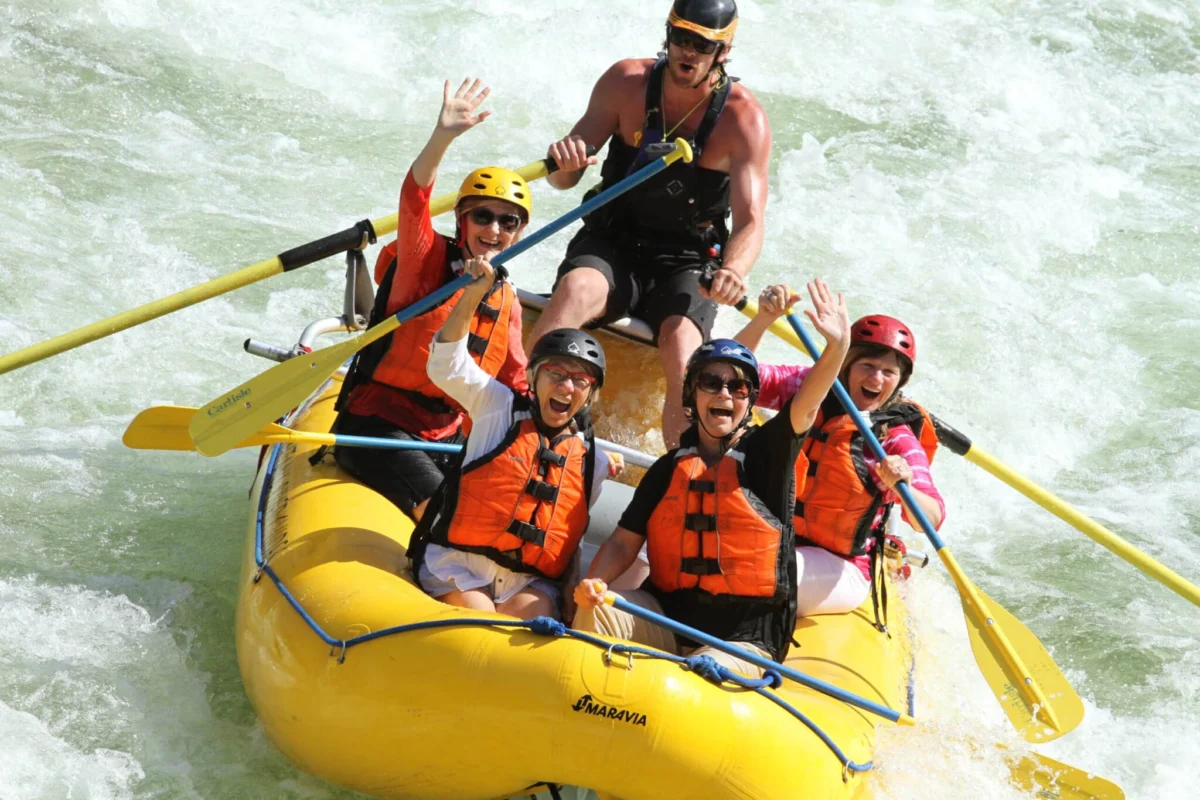
Currently, the Alberton Gorge—widely regarded as the premier rafting and kayaking destination in the Missoula region—is operating at an ideal flow rate of approximately 4,000 cubic feet per second (CFS). This volume provides a "Goldilocks" scenario for river enthusiasts: the water is warm enough for comfort, yet the technical features of the river remain engaging. Rapids such as Tumbleweed and Fang continue to provide the exhilarating splashes that define the Gorge experience, while emerging rocks in the upper sections require a higher level of navigation, adding a rewarding layer of challenge for seasoned paddlers and guided groups alike.
Chronology: From Rescue Training to Recreational Flow
The operational calendar for Montana River Guides is meticulously planned to mirror the hydrological cycles of the Clark Fork.
The Spring Training Phase
From late spring through early June, the focus was almost exclusively on education. Swiftwater rescue training is a rigorous discipline, requiring instructors to operate in high-water conditions that demand peak physical fitness and technical precision. These courses are designed for professional responders, including firefighters, search-and-rescue teams, and environmental safety officers. By wrapping up these classes, the guides have effectively transitioned their equipment and focus from emergency preparedness to high-end recreational hospitality.
The Summer Recreational Season
With the rescue certifications finalized, the transition to the summer schedule began in earnest. The current phase, lasting from mid-summer through early autumn, is dedicated to daily whitewater rafting expeditions and scenic kayaking tours. This period allows the company to leverage the stable, predictable water levels that make the Alberton Gorge accessible to a wider demographic, including families and corporate groups, without sacrificing the thrill that draws whitewater aficionados to Western Montana.
Late-Summer Educational Initiatives
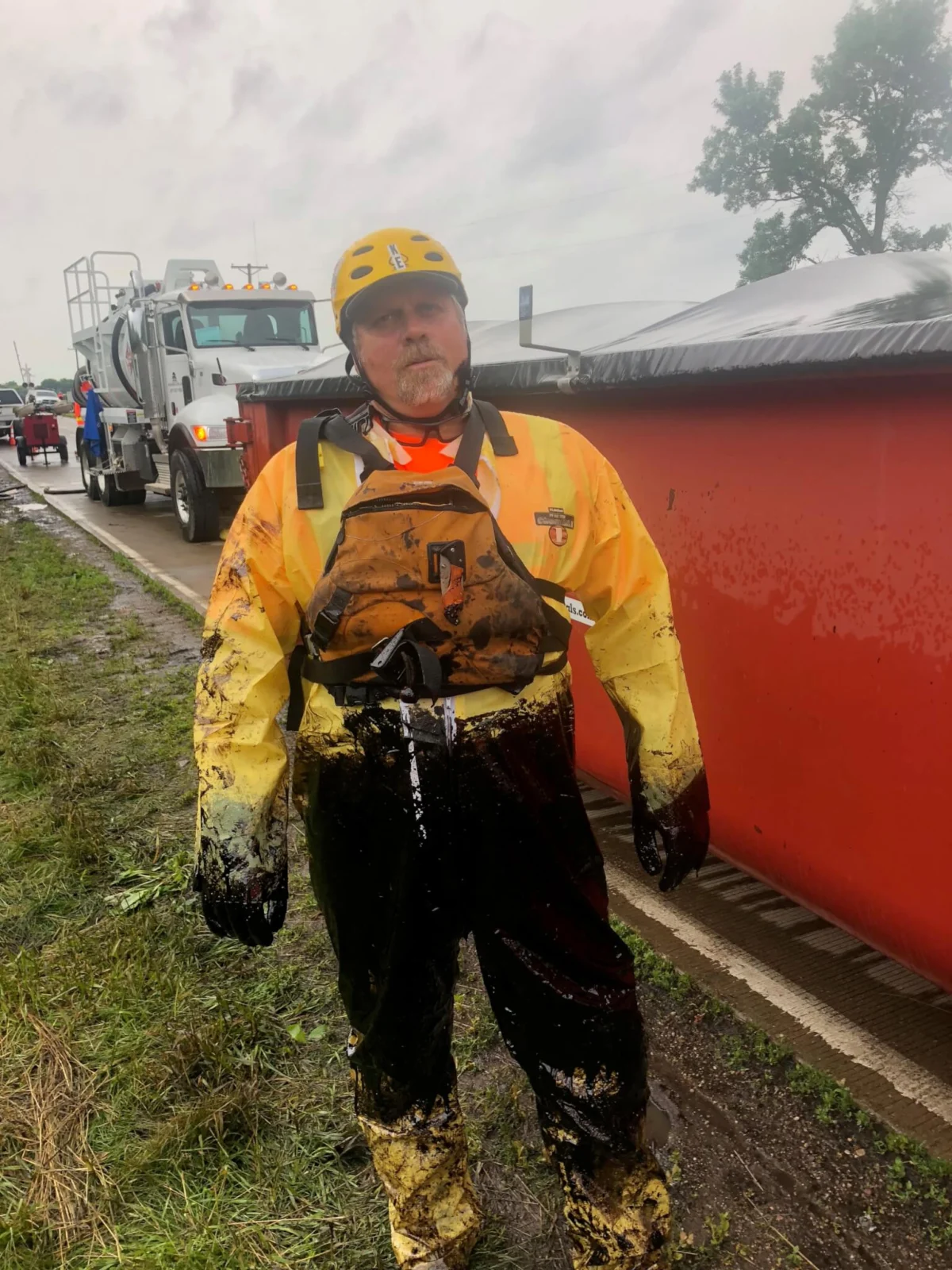
The calendar does not remain solely focused on recreation. Looking ahead to the later months of the summer, Montana River Guides is set to pivot once more, integrating specialized instruction back into their workflow. Specifically, they will host a series of "Swiftwater Spill Response" classes. This unique curriculum bridges the gap between recreational paddling and industrial safety, teaching participants how to deploy containment booms and absorbents in fast-moving water scenarios.
Supporting Data: Understanding the Alberton Gorge
The Alberton Gorge is not merely a river segment; it is a complex geological and hydraulic system that dictates the safety and enjoyment of every visitor.
Hydrological Context
The 4,000 CFS flow rate is widely considered the "sweet spot" for commercial rafting. At significantly higher volumes—typical of peak spring runoff—the river becomes a high-consequence environment, often requiring advanced maneuvering to avoid heavy hydraulic features. At 4,000 CFS, the river is "friendly" in terms of temperature and obstacle avoidance, yet the technical nature of the rapids ensures that the experience remains dynamic.
Topographical Challenges
The emergence of rocks in the upper gorge during these flow levels serves as a natural regulator for traffic. It necessitates a "heads-up" approach to steering, ensuring that guides remain focused and that participants are actively involved in the paddle-rafting process. This interaction between the riverbed and the water column is what gives the Gorge its reputation as a "living" river.
Safety Protocols
Montana River Guides emphasizes a culture of vigilance. Even in mid-summer, when the sun is bright and the water is warm, the company maintains strict protocols regarding:
- PFD Compliance: Universal use of Personal Flotation Devices, regardless of swimming ability.
- Gear Checks: Pre-launch inspections of all rafts, kayaks, and safety equipment.
- Group Dynamics: A "look out for your neighbor" policy, ensuring that in the event of a swimmer in the rapids, recovery is immediate and professional.
Official Responses and Perspectives
The leadership at Montana River Guides views their dual mission—education and recreation—as a symbiotic relationship. By training the professionals who respond to emergencies, they inherently become better guides, as their understanding of river physics is deeper than that of standard recreational outfitters.
"We believe that the best guides are the ones who understand the river at its most dangerous," says a lead instructor for the group. "When we move from teaching a rescue course to taking a family down the Tumbleweed rapid, that experience doesn’t just evaporate. It informs how we read the water, how we choose our lines, and ultimately, how we ensure that every guest has a safe, memorable day on the Clark Fork."
Regarding the upcoming spill response training, the organization highlights the importance of environmental stewardship. "The Clark Fork is the lifeblood of this region," the guide continued. "Teaching people how to mitigate the impact of industrial spills in swiftwater environments is our way of protecting the resource we rely on for our business."
Implications: The Future of River Management
The approach taken by Montana River Guides has broader implications for the tourism and environmental sectors in Western Montana.
Economic Impact
Tourism surrounding the Clark Fork River is a significant driver of the Missoula economy. By offering both high-adrenaline whitewater experiences and scenic, family-friendly kayaking, the company maximizes the accessibility of the river. This attracts a diverse range of visitors, from thrill-seeking adventurers to families looking for a relaxing afternoon, effectively sustaining the local hospitality sector throughout the summer months.
Environmental Stewardship
The inclusion of spill response training in their curriculum demonstrates a proactive approach to environmental protection. As industrial activity and transportation routes continue to intersect with Montana’s waterways, the presence of trained individuals capable of immediate, effective spill containment is a vital, yet often overlooked, component of river health.
Safety Culture
Finally, the company’s insistence on "wearing the right gear and keeping an eye on each other" sets a standard for the entire river community. In a sport where the line between fun and danger can be thin, the promotion of a professional-grade safety culture by a prominent outfitter encourages private boaters to adopt similar habits. When a professional organization leads by example, it fosters a community-wide expectation of safety that benefits everyone on the water.
As the sun sets over the Alberton Gorge, the message from the guides is clear: enjoy the river, respect its power, and stay prepared. Whether you are navigating the churning waters of the Fang rapid or learning the technical nuances of spill response, the Clark Fork River remains a vital classroom and playground for all who venture onto its currents. For those seeking to experience the magic of the river firsthand, or for those looking to sharpen their professional rescue skills, the season is officially in full swing.