As our homes become increasingly connected, the technology we use to watch over our pets has evolved from simple static cameras into complex, AI-driven companions. For the modern pet owner, the promise is alluring: the ability to monitor, interact with, and even entertain pets while away at the office or traveling. However, as recent hands-on testing reveals, the market is a chaotic landscape of hit-or-miss features, subscription-locked hardware, and connectivity hurdles.
This comprehensive evaluation breaks down the current state of pet-monitoring technology, examining the latest devices on the market to help you decide whether a dedicated "pet cam" is truly worth the investment compared to standard home security solutions.

Main Facts: What Defines a "Pet Camera"?
The primary distinction between a standard home security camera and a dedicated pet camera is the inclusion of "interactive enrichment." While a basic security camera provides a window into your home, a pet-specific model aims to bridge the physical gap between owner and animal. These devices often include:
- Remote Treat Dispensing: Mechanisms that allow owners to toss or drop snacks, often triggered via a smartphone app.
- Two-Way Audio: High-fidelity microphones and speakers to soothe pets with your voice.
- Playtime Features: Integrated lasers, moving wheels, or motorized bases designed to engage a cat’s or dog’s predatory instincts.
- AI-Powered Recognition: Algorithms designed to distinguish between humans and pets, or even identify specific animals to record meaningful moments.
Despite these advanced features, the core utility—the video feed—remains the most critical component. Across months of rigorous testing, we found that reliability, app responsiveness, and cloud storage accessibility are far more important than gimmicky add-ons that often fail to work as advertised.

Chronology of Testing: A Deep Dive into Hardware
Our testing process spanned several months, mirroring real-world usage patterns. We evaluated cameras in various environments, including living rooms, bedrooms, and near pet-frequented areas, to test for Wi-Fi stability, motion detection accuracy, and overall build quality.
The High-End Contender: Enabot Ebo Max FamilyBot ($600)
The Ebo Max represents the "robot companion" vision of the future. It moves on wheels, recognizes household members, and aims to act as an autonomous patrol.

- The Experience: Our initial unit failed to dock or charge properly, a significant flaw for a device that is supposed to be autonomous. A second unit fared better, successfully navigating and recognizing cats.
- The Verdict: While it is a feat of engineering, the AI-driven companion features struggle to justify a $600 price point. It is a niche luxury item for those who prioritize the novelty of a moving camera over practical surveillance.
The Budget-Friendly Workhorse: SwitchBot Pan/Tilt Cam Plus 3K ($50)
This fixed-base camera offers a 360-degree horizontal field of view and impressive 3K resolution.
- The Experience: During testing, the hardware proved capable but the software environment was demanding. It relies on 2.4-GHz Wi-Fi, which can be unstable in crowded urban apartments, and required multiple, sometimes freezing, firmware updates.
- The Verdict: Great for those on a budget, but be prepared for a "subscription-first" ecosystem where enhanced features like smart event summaries are locked behind a paywall.
The Value Play: Amazon Blink Mini 2K+ ($40)
The Blink Mini is a masterclass in minimalist design. It offers clear 2K video and reliable motion detection.

- The Experience: The system is highly modular. While you can opt for a subscription, the purchase of a Sync Module 2 ($50) allows for subscription-free local storage via a USB flash drive.
- The Verdict: If you are privacy-conscious and want to avoid monthly fees, this is the most viable option, provided you accept the limitations of non-subscription features like restricted live viewing times.
Supporting Data: Feature Comparison and Performance
| Device | Price | Best For | Key Weakness |
|---|---|---|---|
| Enabot Ebo Max | $600 | Tech enthusiasts | High cost, hardware bugs |
| SwitchBot Pan/Tilt | $50 | General monitoring | Subscription-locked AI |
| Blink Mini 2K+ | $40 | Budget/Privacy | Limited live view (no sub) |
| Enabot Ebo Air 2 | $199 | Playful pets | App dependency |
| Petcube Play 2 | $75 | Interactive laser | Laser lag/inaccuracy |
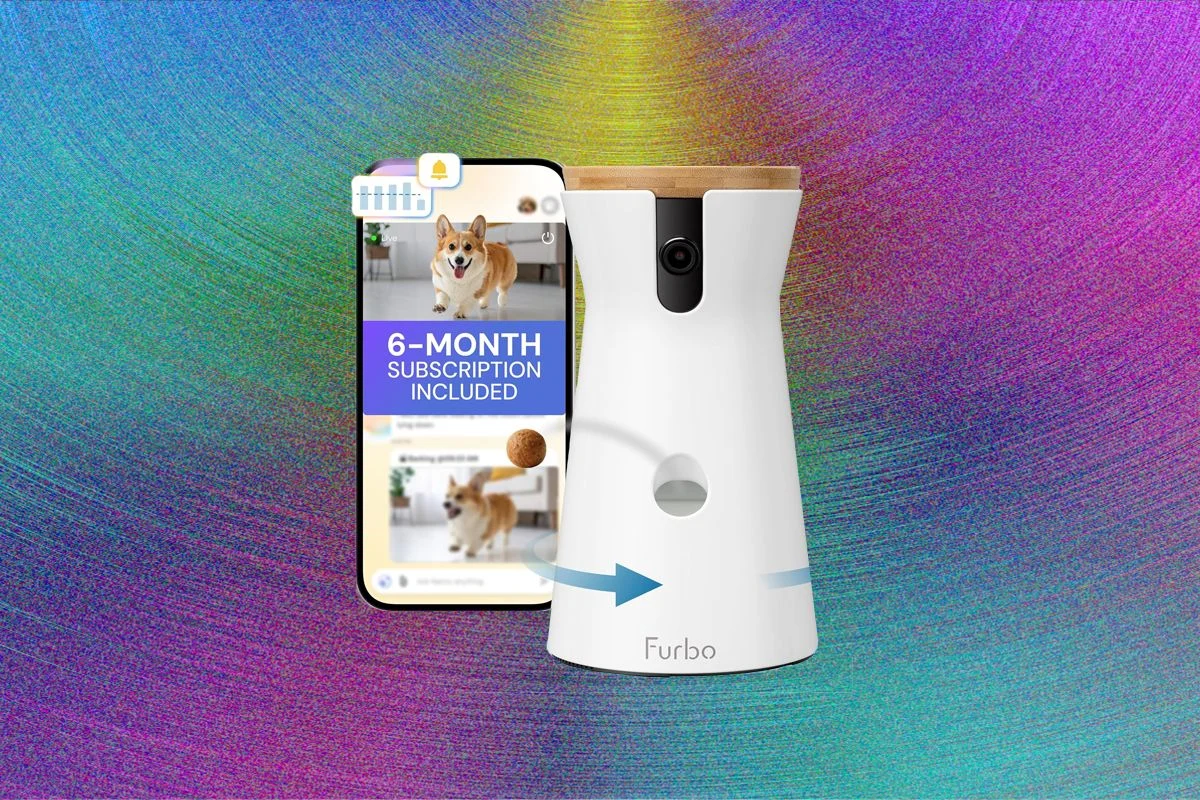
| Furbo Mini | $25 | Basic surveillance | Subscription required for alerts |
Official Responses and Industry Trends
Manufacturers in this space are increasingly pivoting toward a "Hardware-as-a-Service" model. By selling the cameras at low margins—or even at a loss—they rely on subscription plans (like Furbo Nanny or Petcube Care) to generate recurring revenue.
In our discussions with industry representatives, the focus remains on "smart event detection." Companies argue that the processing power required to identify a "pet vs. a human" is significant, hence the necessity for cloud-based AI subscriptions. However, as consumer demand for privacy grows, companies like Amazon (Blink) have begun offering local storage alternatives, signaling a potential shift back toward user-owned data.

Implications: The Privacy and Security Dilemma
When we invite smart cameras into our homes, we are effectively installing potential entry points for malicious actors. Our testing highlighted that users often neglect basic security hygiene.
Best Practices for Your Pet Cam:
- Network Isolation: If your router supports it, place your IoT devices on a guest network to prevent them from accessing your main computer or sensitive data.
- Authentication: Two-factor authentication (2FA) is non-negotiable. If the app doesn’t support it, consider a different brand.
- Physical Privacy: If a camera lacks a physical privacy shutter, consider turning it off when you are home. A simple smart plug can cut the power to the camera automatically when you return, providing physical assurance that the lens is inactive.
Conclusion: Is a Dedicated Pet Cam Necessary?
The data suggests that for most pet owners, a high-quality standard security camera with two-way audio is more than sufficient. While the "interactive" features of models like the Petcube Play 2 or the Enabot Rola PetPal sound enticing, they are often prone to software glitches, lag, and inconsistent performance.

If you have a high-energy pet that requires entertainment, a simple, non-connected laser toy or an automatic puzzle feeder often provides better engagement than a camera-based system. However, if your goal is peace of mind during long work days, the Blink Mini 2K+ offers the best balance of price, image quality, and privacy-focused local storage.
Ultimately, the best "pet cam" is the one that stays connected, protects your data, and provides a clear enough view to ensure your companion is safe, healthy, and happy—without breaking the bank or forcing you into an endless cycle of monthly subscriptions. As the technology matures, we expect to see more reliable AI and lower costs, but for 2026, the consumer must remain a discerning skeptic in a market that prioritizes flashy, often unpolished, features over foundational reliability.