For centuries, the pursuit of fish was a test of raw patience and rudimentary tools. Before the advent of the sophisticated mechanical reel, anglers relied on simple poles, hand-lines, and nets. While these primitive methods possess a nostalgic, tactile charm, they were plagued by inconsistency and frequent equipment failure—often resulting in snapped lines and lost catches. Today, the modern angler operates in a vastly different landscape, one defined by precision engineering and specialized equipment. Whether you are a novice casting from a quiet pier or a seasoned professional targeting trophy bass in a competitive tournament, understanding the mechanics of your reel is the fundamental bridge between a quiet day on the water and a successful catch.
The Chronology of Innovation: A Brief History
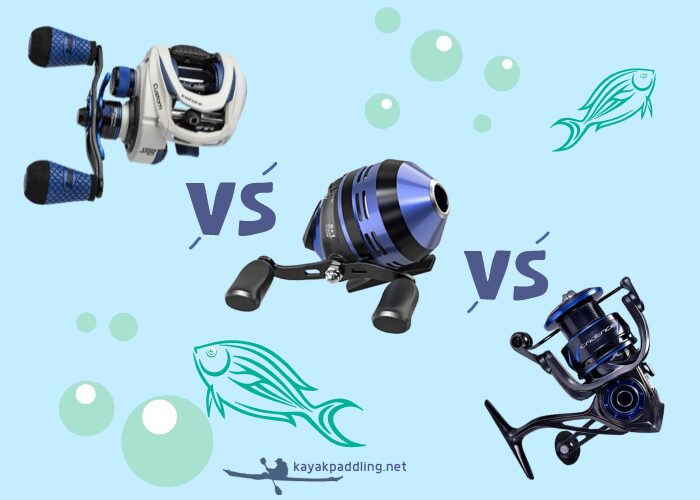
The transition from manual line management to mechanical retrieval was a slow, steady revolution in sports fishing. The history of the modern fishing reel is anchored by three major milestones that fundamentally altered how we interact with the water.
- 1938 – The Dawn of the Spinning Era: The genesis of the modern spinning reel is widely attributed to Daiwa Seiko Co., Ltd. By introducing a stationary spool design, Daiwa solved the persistent issue of line twisting and enabled anglers to cast significantly lighter baits with unprecedented ease.
- 1956 – The User-Friendly Revolution: As fishing gained popularity as a mass-market hobby, the Shakespeare Fishing Tackle Company introduced the first spin-casting reel. This design effectively lowered the barrier to entry for millions of beginners by enclosing the spool and utilizing a simple push-button release mechanism.
- 1958 – The Precision Standard: The baitcasting reel, long a specialized tool, reached a new level of legitimacy when George "Butch" Snyder Jr. refined its usage. By normalizing the mechanics of the baitcaster, Snyder paved the way for the high-performance, gear-driven reels that dominate professional bass fishing today.
The Anatomy of the Big Three
To optimize your fishing experience, one must first categorize the three pillars of modern reel technology. While every reel exists to store, release, and retrieve line, the method of execution changes everything.
1. Spincasting: The Gateway to the Sport
Spincasting reels are the quintessential "beginner" tools. Characterized by their enclosed face and simple push-button trigger, these reels utilize centrifugal force to cast. Because the line is housed within a protective nose cone, the risk of "bird’s nesting" or line tangles is significantly reduced.
- Best For: Novice anglers, children, and those who prioritize convenience over high-level performance.
- The Trade-off: The lack of a bail arm and the enclosed spool design limit the ability to control line tension during a fight. Furthermore, they are generally incompatible with heavy-duty competitive fishing.
2. Spinning: The Versatile Workhorse
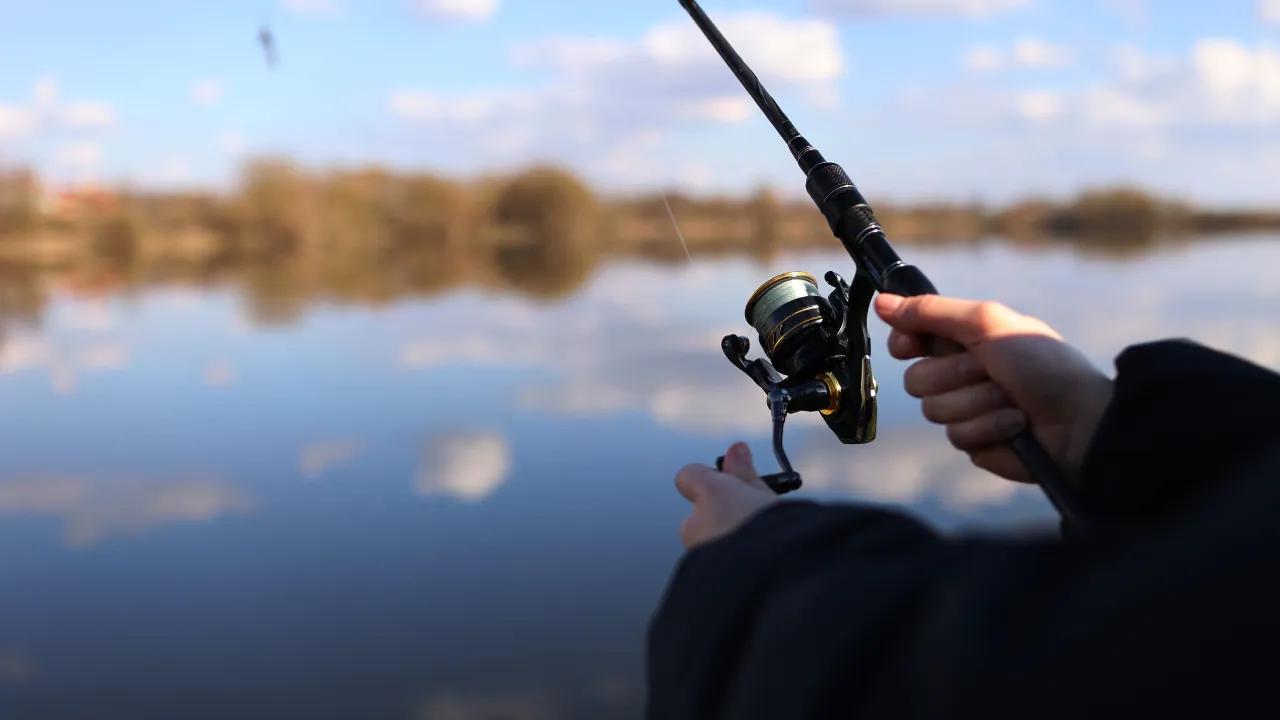
The spinning reel is the most common sight on lakes and rivers worldwide. Mounted underneath the rod, these reels feature an open-faced design where the line peels off a stationary spool. This allows for long, efficient casts—even with extremely light lures or live bait.
- Best For: Intermediate anglers, trout and panfish enthusiasts, and those who value versatility.
- The Trade-off: While excellent for light-to-medium work, they can struggle under the extreme pressure of massive saltwater species compared to high-end baitcasting counterparts.
3. Baitcasting: The Pro’s Choice
Baitcasting reels represent the pinnacle of casting accuracy. By allowing the spool to spin as the line is released, they provide the angler with the ability to "thumb" the line—a skill that allows for surgical precision when placing a lure into tight, brush-filled pockets.
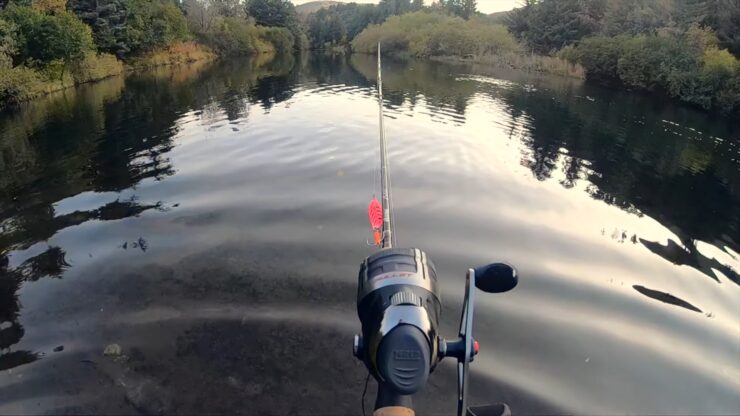
- Best For: Advanced anglers, bass fishing, and anyone requiring high-speed, heavy-duty retrieval.
- The Trade-off: The learning curve is steep. Without proper thumb control, the spool will over-rotate, leading to the dreaded "backlash" or professional-grade tangle.
Supporting Data: Understanding Gear Ratios and Capacity
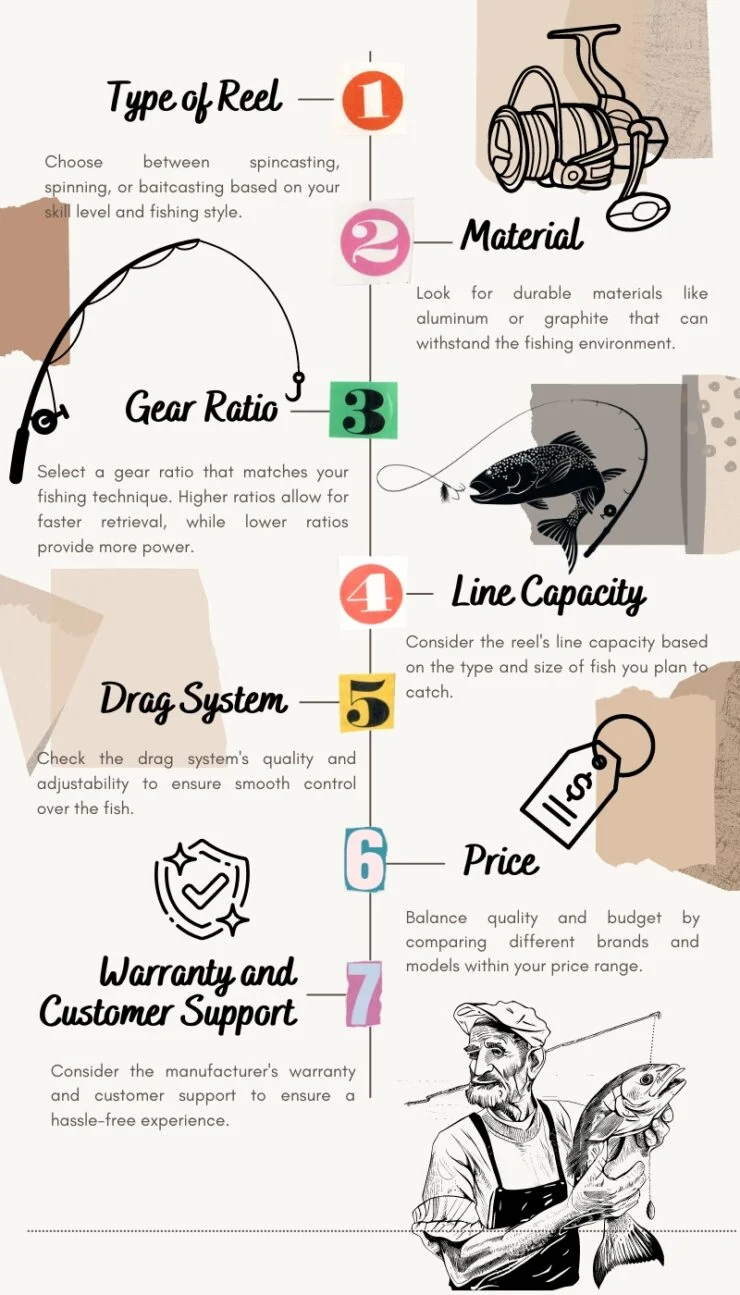
When selecting a reel, you are essentially choosing a mechanical advantage. The gear ratio is the most critical metric for the performance-minded angler.
A gear ratio—for example, 7:1—indicates that the spool rotates seven times for every single turn of the handle.
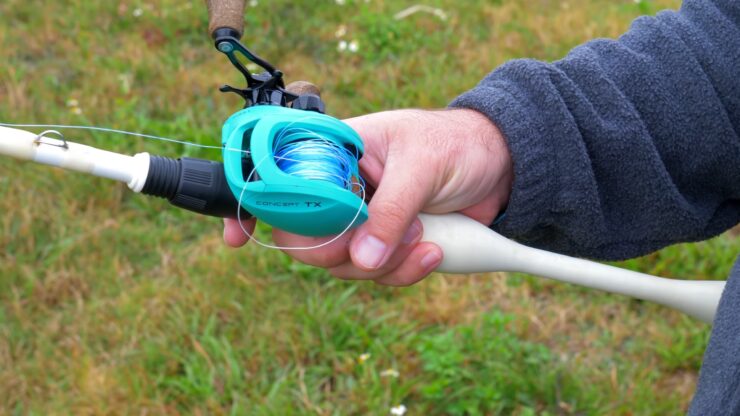
- High Ratios (7:1 and above): Ideal for "burning" lures back to the boat or working topwater baits where speed is essential.
- Low Ratios (5:1): These offer higher torque, making them the preferred choice for dragging heavy crankbaits through deep water where the resistance of the lure would otherwise fatigue the angler.
Line capacity is equally important. While a spinning reel might hold 300 yards of 10-pound monofilament for long-range distance, a baitcaster is often spooled with heavier test (20-50 lbs) for strength. Matching your line type—braided, fluorocarbon, or monofilament—to the reel’s specific construction is vital for longevity.
Implications for Fishing Strategy
The choice of reel dictates your strategy on the water. If you are aiming for "finesse" fishing—using small jigs or soft plastics to entice lethargic fish—a spinning setup is mandatory. The design of a spinning reel allows the line to flow off the spool with almost zero resistance, which is critical when using light lures that lack the weight to pull line off a baitcaster.
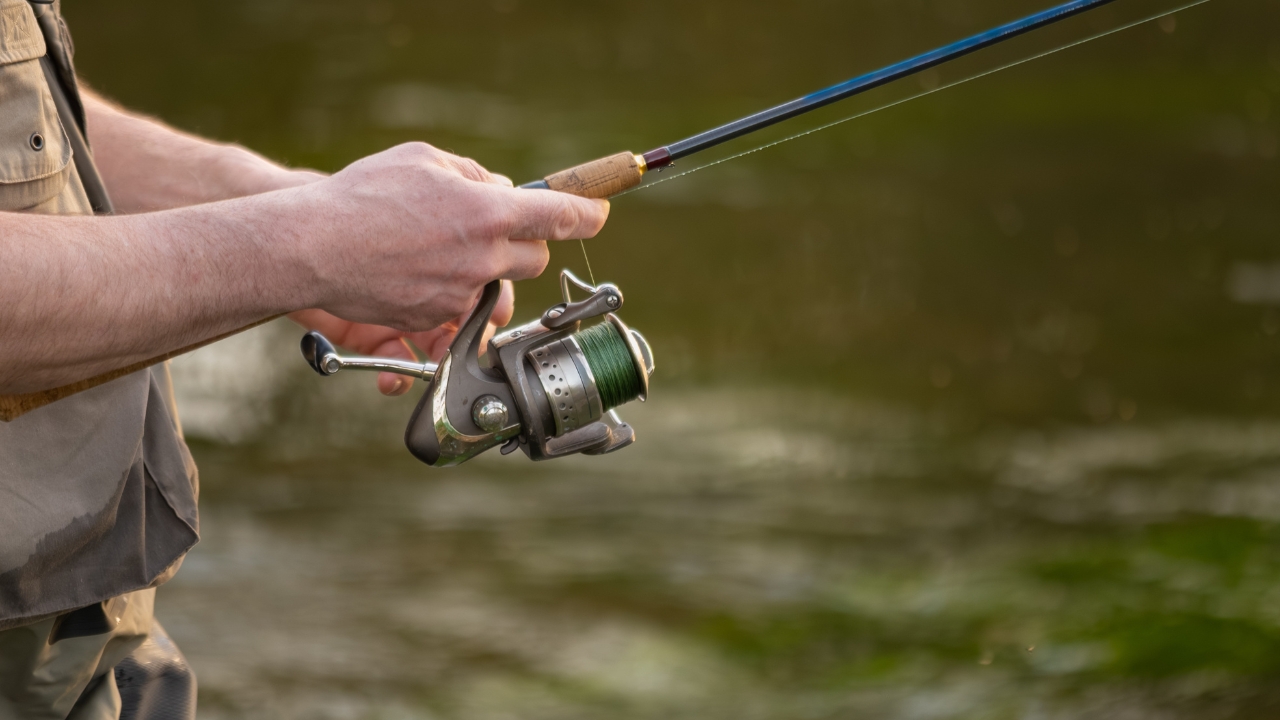
Conversely, if you are targeting "structure"—the area beneath docks, logs, or weed beds—the baitcaster is the superior tool. Its structural integrity allows you to use stronger line and provides the immediate, high-torque power needed to haul a fish out of heavy cover before it can wrap your line around an obstacle.
Professional Maintenance: The Key to Longevity
Regardless of whether you are using a $50 spincaster or a $500 tournament-grade baitcaster, your gear is only as good as its maintenance.
- Freshwater Rinsing: Always rinse your reels with a light mist of fresh water after a day of fishing, especially if you have been in brackish or saltwater environments.
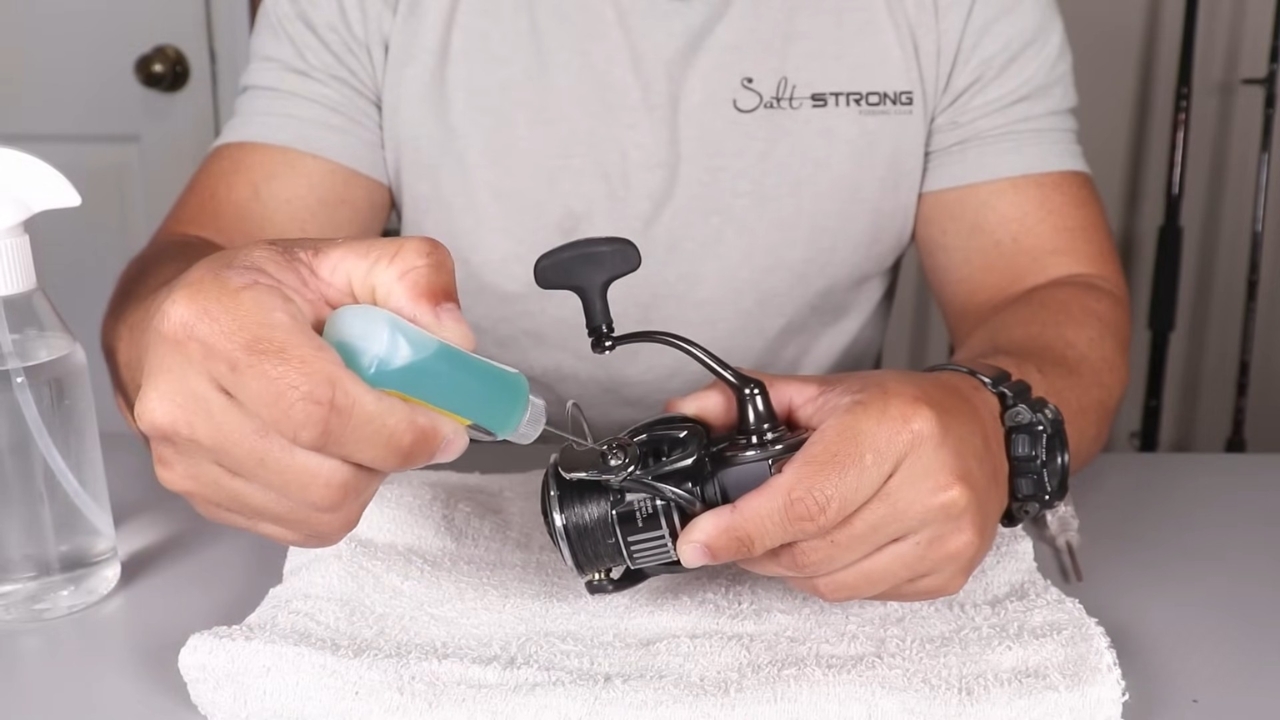
- Lubrication: Periodically apply reel-specific oil to the handle, bail arm, and level-wind mechanism. Avoid over-oiling, as this can attract dust and grime.
- The "Off-Season" Deep Clean: Once a year, break down your reel, clean out old, congealed grease from the internal gears, and replace it with fresh synthetic lubricant.
Frequently Asked Questions (FAQ)
Q: How do I fix a severe backlash on my baitcaster?
A: Patience is your greatest tool. Don’t pull on the line, as this will tighten the coils. Gently pick at the loops from the top of the spool until they loosen, then pull the line out until you reach the snag point. Practice makes perfect—your thumb must learn to "feather" the spool as the lure approaches the water.
Q: Why is braid better for spinning reels?
A: Braided line has no "memory." Unlike monofilament, which retains the coil shape of the spool, braid stays straight. This significantly reduces wind knots and tangles when casting with a spinning reel, leading to a much more frustrating-free experience.
Q: Can I use a baitcasting reel for saltwater fishing?
A: Yes, provided the reel is specifically rated for saltwater. These models feature sealed drag systems and corrosion-resistant materials. Never take a standard freshwater baitcaster into the surf; the salt will destroy the bearings within a single outing.
Conclusion: Matching Skill to Equipment
The evolution of the fishing reel is a testament to our desire to harmonize technology with the natural world. While the baitcaster offers the ultimate in accuracy and power, and the spinning reel provides unmatched versatility for the generalist, the humble spincast reel remains the most effective tool for inviting the next generation into the sport.
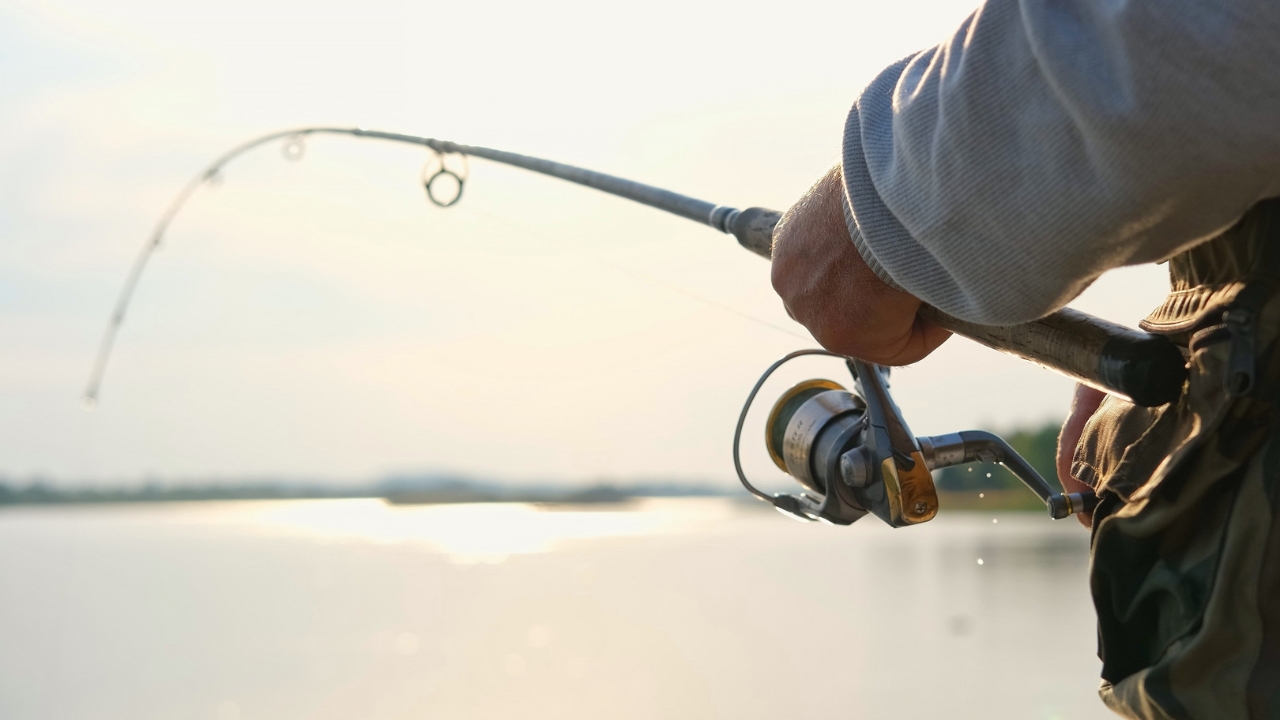
As you look to upgrade your arsenal, consider your target species and your typical environment. Do not be intimidated by the mechanical complexity of a high-end baitcaster; with time and consistent practice, the "art of the cast" becomes second nature. Whether you are battling a feisty bass or enjoying a quiet morning with a light rod, remember that the best reel is the one that allows you to focus on the water, the wildlife, and the thrill of the hunt. Success in fishing is rarely about having the most expensive gear—it is about knowing exactly how to use the gear you have.