The allure of the water has never been stronger. With nearly 60% of Americans—over 181 million people—engaging in outdoor recreation as of 2024, the call of the lake, river, and coastline is reaching a fever pitch. Within this booming sector, paddlesports have emerged as a primary gateway to nature, captivating approximately 30 million participants annually.
Yet, for the uninitiated, the entry point is often marked by a fundamental dilemma: are you a "canoe person" or a "kayak person"? While both vessels offer a serene way to traverse the water, they are distinct tools designed for different experiences. Understanding the nuances of design, intent, and logistics is essential for anyone looking to invest in their own equipment.
Main Facts: Distinguishing the Two
At their core, the difference between a canoe and a kayak is defined by seating posture, paddle design, and deck structure.
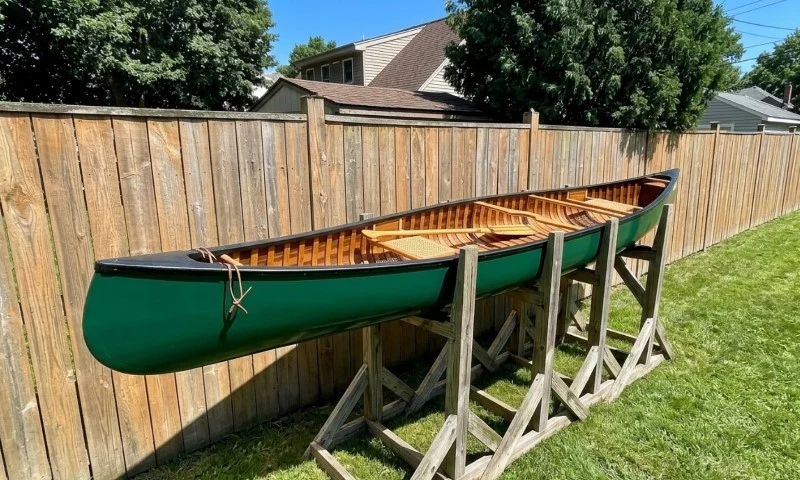
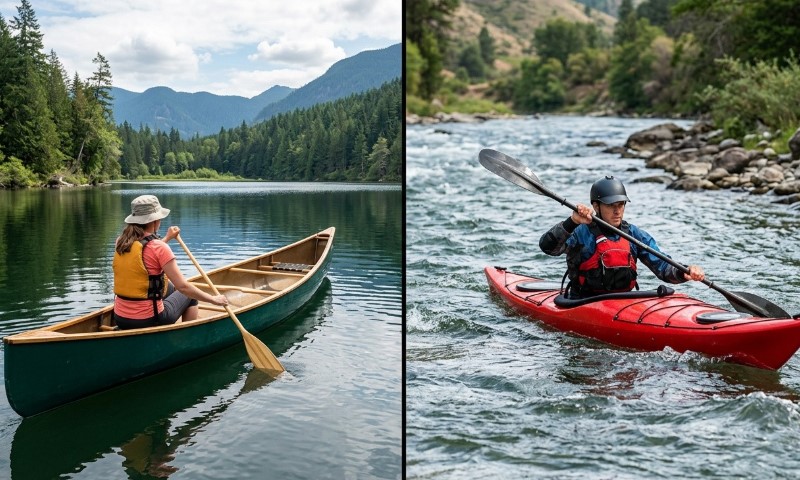
A canoe is traditionally an open-top vessel. Participants typically sit on elevated bench seats or kneel on the floor, utilizing a single-bladed paddle to navigate. This design prioritizes volume, allowing for significant cargo capacity, including gear, coolers, and even canine companions.
Conversely, a kayak places the paddler in a lower, more intimate position, often within a cockpit or atop a molded seat. The hallmark of kayaking is the double-bladed paddle, which allows for alternating strokes that provide greater efficiency and speed.
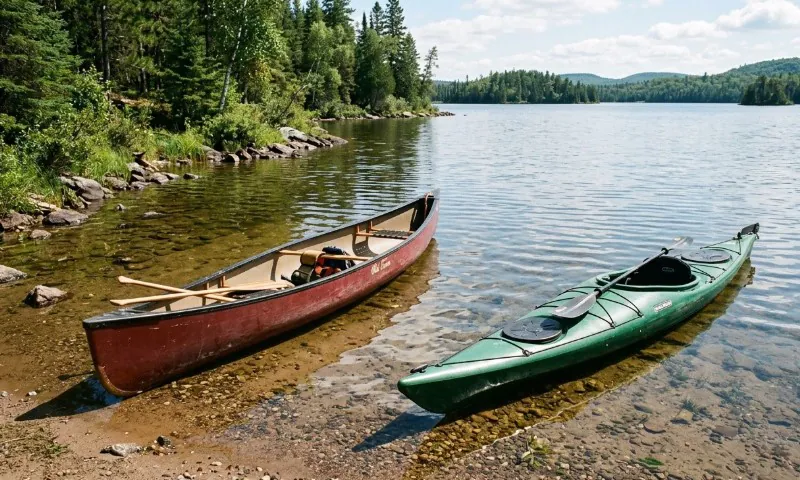
The International Canoe Federation (ICF) maintains a clear distinction based on competitive standards: canoeists maintain a kneeling posture and paddle on one side, while kayakers sit and alternate sides. However, in the recreational market, these lines have blurred with the introduction of "sit-on-top" kayaks—open-deck models that offer the accessibility of a canoe with the handling characteristics of a kayak.
A Chronological Evolution of Paddling
The development of these vessels tracks human history. The canoe, one of the oldest forms of watercraft, was engineered by indigenous cultures worldwide for survival, trade, and exploration. Its design was meant to handle rivers and lakes with maximum efficiency in terms of load-bearing.
The kayak, originating from the Arctic regions, was specifically designed for hunting in harsh, cold, and windy environments. Its closed-deck, low-profile design was a survival necessity, allowing hunters to navigate open sea and choppy waves without shipping water.
In the modern era, the evolution shifted from utility to leisure. The mid-20th century saw the rise of rotomolded plastic, which made both canoes and kayaks durable and mass-producible. By the early 2000s, the "recreational" category exploded, focusing on stability and ease of use for the general public. As we move into 2026, the industry is seeing a surge in lightweight, modular, and folding technology, making ownership possible for those living in urban environments where traditional storage is impossible.
Supporting Data and Participation Trends
According to the latest Outdoor Industry Association (OIA) data, the trajectory of paddlesports is on a steep upward curve. This growth is driven by a demographic shift toward "micro-adventures"—short, accessible outings that don’t require extensive travel.
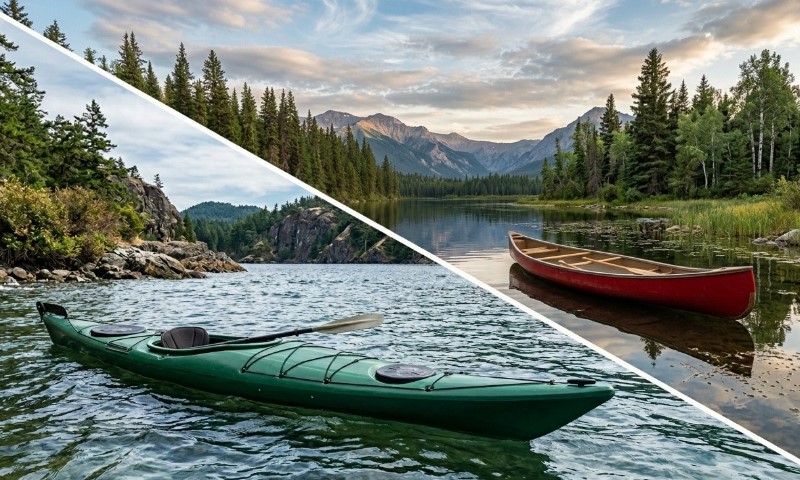
| Factor | Canoe | Kayak | Real-World Consequence |
|---|---|---|---|
| Paddle | Single-bladed | Double-bladed | Kayaks are generally more intuitive for solo beginners. |
| Seating | Bench/Kneeling | Low/Legs Forward | Kayakers feel more integrated with the hull. |
| Deck | Open | Varies (Closed/Open) | Canoes load gear faster; kayaks shed wind better. |
| Wind Exposure | High | Low | Kayaks are superior on large, open lakes. |
| Entry/Exit | Easier | Challenging (Sit-in) | Canoes are more accessible for those with mobility issues. |
The data confirms that trip style is the primary driver of satisfaction. For instance, families and multi-day campers overwhelmingly favor the canoe, while fitness-oriented paddlers and coastal explorers gravitate toward the kayak.
Official Guidance and Safety Protocols
The United States Coast Guard (USCG) and the National Park Service (NPS) have issued repeated warnings regarding the hazards of paddlesports. Despite the "low-impact" appearance of canoeing and kayaking, water safety remains a critical concern.
The Life Jacket Imperative
The most sobering statistic from the 2024 recreational boating season is that the majority of fatalities involved individuals not wearing a Personal Flotation Device (PFD). The USCG emphasizes that a PFD stored under a seat is useless in an emergency. Once a paddler is in the water—particularly in cold conditions—the onset of hypothermia can occur within minutes, making it nearly impossible to put on a jacket while struggling to stay afloat.
Legal and Regulatory Requirements
Paddlers should be aware that the legal landscape is evolving. In many jurisdictions:
- BUIs (Boating Under the Influence): These laws are strictly enforced for both canoes and kayaks.
- Night Navigation: If paddling after sunset, you are legally required to carry a white light or flashlight to signal your presence to other boaters.
- Registration: While non-motorized canoes and kayaks are often exempt from registration, the addition of even a small trolling motor frequently triggers state registration requirements.
Implications for the Prospective Buyer
Choosing between a canoe and a kayak is not merely about personal aesthetic; it is a commitment to a specific logistical lifestyle.
The Storage and Transport Reality
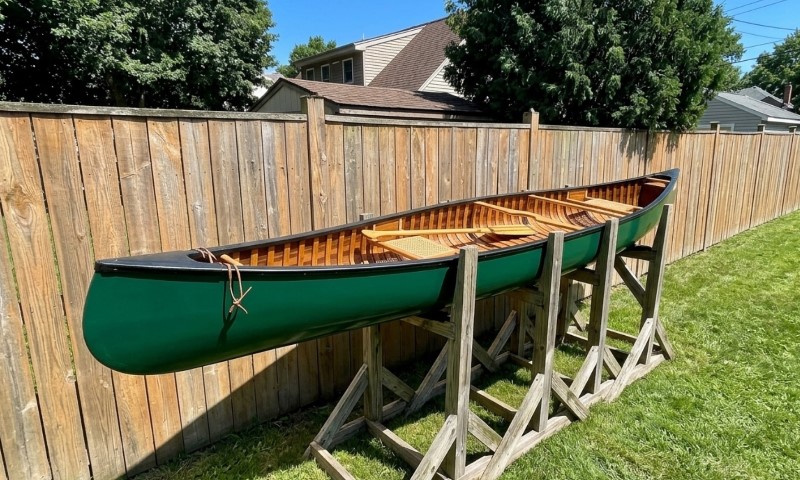
Before the first splash, one must consider the "un-fun" aspects of ownership. A 16-foot canoe requires a roof rack, significant garage space, and often a partner to load. A heavy fishing kayak may offer incredible stability on the water, but if it is too heavy to lift onto your vehicle, it will inevitably become an expensive piece of lawn art.
The "Rent Before You Buy" Strategy
Industry experts, including veteran paddlers and outfitter owners, unanimously suggest a "trial by water." Rental shops and local clubs provide the opportunity to test hull stability, seat comfort, and transport logistics.
Consider these five questions before making a purchase:
- Who is coming with me? (Solo vs. group/dog)
- Where am I storing this? (Apartment vs. garage)
- How far is the walk from the car to the launch? (The need for a cart)
- What is the typical water type? (Flat pond vs. wind-whipped reservoir)
- What is my primary goal? (Fitness, fishing, or leisure)
Specialized Utility: Fishing and Camping
The distinction between these two becomes most apparent in specialized activities.
For Fishing:
The modern fishing kayak has evolved into a "floating tackle station." With integrated rod holders, pedal drives, and sophisticated electronics, it is the ultimate tool for the solo angler. However, the canoe remains the king of the "buddy trip." Its open layout allows two anglers to manage gear, navigate, and move around with ease, provided they have the skills to handle the craft in windy conditions.
For Camping:
The canoe is the undisputed champion of the backcountry expedition. The ability to load a tent, a full-sized cooler, and dry bags without needing to Tetris them through a 10-inch hatch is a luxury that becomes a necessity on multi-day trips. Furthermore, if the route includes "portaging" (carrying the boat over land between waterways), the canoe’s shape is far more conducive to being balanced on the shoulders.
Conclusion: Finding Your Perfect Fit
There is no "perfect" boat, only the perfect boat for your specific lifestyle. If your weekends are defined by family picnics, hauling gear to a remote campsite, and enjoying a higher vantage point, the canoe is your vessel. If you crave the efficiency of a long-distance workout, the control of a low-profile hull, or the thrill of cutting through wind and chop on a solo adventure, the kayak is the superior choice.
Ultimately, the best boat is the one that actually makes it to the water. Do not purchase for the life you hope to lead; purchase for the life you have today. Whether you choose the spacious, classic utility of a canoe or the sleek, efficient performance of a kayak, the most important step is simply getting out there. The water is waiting—ensure you are wearing your life jacket, checking the weather, and preparing for the conditions ahead. Happy paddling.