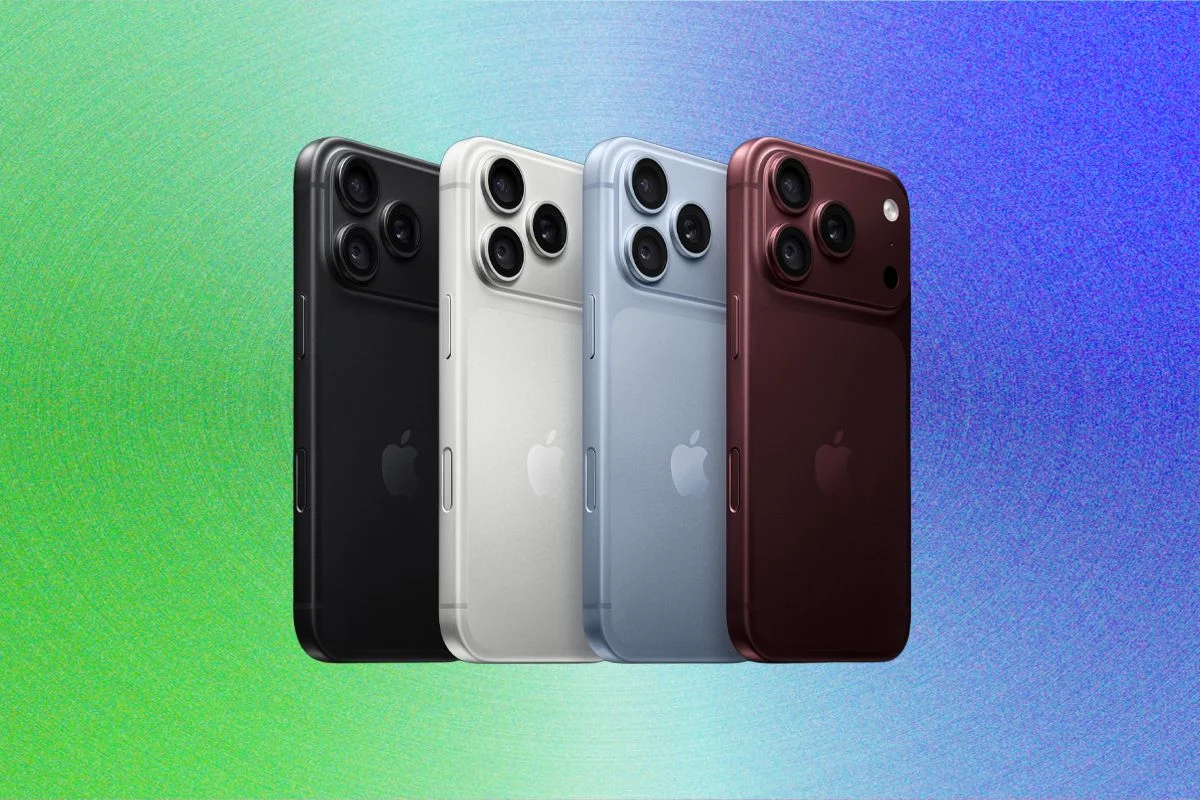
Apple has officially signaled a tectonic shift in its mobile strategy. With the debut of the iPhone Duo, the company has finally entered the folding smartphone market, marking the most significant industrial design overhaul since the original iPhone’s inception. This experimental, high-end device arrives alongside the iterative, high-performance iPhone 18 Pro and Pro Max, setting the stage for a fragmented but highly specialized future for Apple’s mobile ecosystem.
For consumers, the choice has never been more complex. Whether you are a creative professional, a tech enthusiast, or a practical user considering whether an upgrade is even necessary, navigating the specifications and implications of the iPhone 18 series requires a deep dive into what has changed, what has remained, and what the future holds for the brand.
The New Lineup: Main Facts and Specifications
The iPhone 18 series is not a monolithic release. Instead, it is a tiered strategy designed to cater to different user profiles.
- iPhone Duo: Apple’s first foray into foldable technology. It features a passport-style folding form factor, a 5.4-inch outer display, and a 7.6-inch inner display that functions effectively as a miniature tablet.
- iPhone 18 Pro: The standard-bearer for those who prefer a traditional, compact, yet ultra-powerful device. It retains the 6.3-inch display size seen in previous generations but optimizes performance and camera capabilities.
- iPhone 18 Pro Max: The pinnacle of the lineup. With a 6.9-inch display and record-breaking battery life, this model is positioned as the primary tool for heavy-duty content creators and power users.
Notably absent is the "base" iPhone 18. Industry analysts suggest that Apple is holding back a more accessible, entry-level handset—possibly an iPhone 18e or a new iteration of the iPhone Air—for a spring 2027 unveiling, effectively splitting the launch cycle into two distinct phases.
A Chronology of the Launch
Apple’s rollout strategy for the 18-series is staggered, reflecting the manufacturing complexity of the new folding technology:

- September 12: Preorders commence for the iPhone 18 Pro and Pro Max.
- September 18: Official retail availability and shipping for the Pro and Pro Max models.
- October 16: Preorders begin for the flagship iPhone Duo.
- October 23: The iPhone Duo reaches store shelves, marking the official start of Apple’s foldable era.
- Spring 2027 (Expected): Potential announcement window for the more affordable "base" models, including the rumored iPhone 18e and second-generation iPhone Air.
Supporting Data: The Power Under the Hood
Across the entire 18-series, Apple has implemented the A20 Pro chip. This silicon is the most advanced in the company’s history, boasting a 20 percent increase in raw compute power and 30 percent greater power efficiency compared to the A19 series.
Thermal Management and AI
The integration of a new neural engine is designed specifically to handle on-device AI—a core component of the "Siri AI" and Apple Intelligence suite. To manage the heat generated by this performance, Apple has introduced a redesigned thermal architecture featuring a larger vapor chamber. In the iPhone Duo, this chip is further augmented by a dedicated display engine, ensuring that the transition between the external and internal screens remains seamless.
Display and Durability
All models utilize Super Retina XDR OLED panels with ProMotion (120-Hz adaptive refresh rates). These screens can scale down to a 1-Hz refresh rate to preserve battery life when the device is idle. The displays are protected by the second generation of "Ceramic Shield," which maintains a peak brightness of 3,000 nits, ensuring visibility in direct sunlight.
The iPhone Duo, however, features a unique, custom nano-texture finish on its inner screen, a deliberate choice by Apple to mitigate glare and minimize the visibility of the crease—a common pain point in the foldable category.
The Foldable Challenge: Design and Ergonomics
Apple’s approach to the iPhone Duo reflects a "measure twice, cut once" philosophy. By observing the pitfalls and successes of competitors like the Samsung Galaxy Z Fold8, Apple has aimed for a balanced, premium feel.

The Duo uses a high-grade titanium frame and a precision-engineered hinge system that utilizes magnets to provide a satisfying, tactile "snap" when closing. However, the device is substantial. Weighing in at 254 grams, it is heavier than many of its rivals. When folded, it measures 11.3 mm, and when unfolded, it is 5.2 mm thick.
Because the folding mechanism consumes significant internal volume, Apple has made specific trade-offs. The Duo excludes Face ID in favor of a Touch ID-integrated power button and opts for a dual-camera system (48MP primary and 48MP ultrawide) rather than the triple-lens array found on the Pro models. Despite this, the device houses the largest battery ever put into an iPhone, promising a full 24 hours of mixed-use, which may offset the lack of a telephoto lens for many users.
The Pro Evolution: Camera and Battery
For the traditionalist, the iPhone 18 Pro and Pro Max remain the gold standard. The most significant advancement here is the introduction of a physical variable aperture on the main camera.
The Science of the Aperture
By allowing the lens opening to adjust physically—much like the human pupil—the iPhone 18 Pro can now handle a wider variety of lighting conditions. A wider aperture allows for superior low-light performance and natural bokeh in portraits, while a narrower aperture ensures crisp, deep focus for sweeping landscapes. This hardware change is bolstered by new software controls that allow photographers to manipulate depth of field and shutter speed with DSLR-like precision.
Battery Life Benchmarks
Apple has leaned heavily into efficiency. The iPhone 18 Pro is rated for 34 hours of video playback, while the Pro Max pushes that to an industry-leading 43 hours. This represents a significant generational leap, largely enabled by the A20 Pro’s efficiency and the optimization of the iOS power management systems.

Official Perspectives: Why You Might Not Need to Upgrade
In an era of rapid technological advancement, Apple’s own messaging remains surprisingly grounded. The company acknowledges that the pace of innovation can outstrip the actual needs of the average user.
If you are currently using an iPhone 11 Pro or newer, your device remains supported by the latest software updates. Furthermore, Apple has emphasized the importance of repairability. If your device is experiencing issues—such as a degrading battery or minor hardware failure—the company encourages users to explore repair and battery replacement options rather than rushing into a costly upgrade.
"Don’t feel like you have to spring for Apple’s shiny new thing," the guidance suggests. This professional, consumer-first stance is a refreshing pivot in a market that typically thrives on forced obsolescence.
Economic and Practical Implications
Upgrading to the latest hardware is a significant financial commitment. The Pro series has seen a price increase of $100 over the iPhone 17 Pro lineup, reflecting rising manufacturing and component costs.
Trade-ins and Setup
If you do decide to upgrade, Apple provides clear pathways for recycling your old hardware. Selling or trading in your existing phone is the most effective way to subsidize the purchase of an 18-series device. Crucially, users must:

- Back up their data: Using iCloud or a local machine to ensure no loss of personal information.
- Factory Reset: A vital step to protect privacy before transferring ownership.
- Setup: Once the new device arrives, take the time to configure the new AI-driven settings to ensure you are getting the most out of the upgraded chip and neural engine.
The Value of Unlocked Devices
The most recommended route for purchase remains the official Apple storefront. Buying an unlocked device allows for greater flexibility when traveling internationally or switching carriers, as it avoids the restrictive "locked" status often tied to carrier-specific financing deals. While Apple offers various financing options, including the Apple Card 0-percent APR and the Apple Upgrade program, consumers are urged to read the fine print regarding service contracts and insurance requirements like AppleCare+ with Theft and Loss.
Conclusion: Which Model is Right for You?
The "right" iPhone in 2027 depends entirely on your relationship with technology.
- The Early Adopter: If you are fascinated by the intersection of hardware and software and want to experience the cutting edge of mobile design, the iPhone Duo is the clear choice. It is a bold, experimental, and premium device that defines the new frontier of the smartphone.
- The Content Creator/Pro: If your life revolves around photography, videography, and high-performance tasks, the iPhone 18 Pro Max is the superior tool. It offers the most capable camera system and a battery that will not quit, even during the most demanding creative sessions.
- The Pragmatist: If you want the latest power without the bulk or the experimental nature of a foldable, the iPhone 18 Pro provides the perfect balance of size, speed, and professional-grade features.
Ultimately, the iPhone 18 lineup serves as a reminder that the smartphone is no longer a one-size-fits-all device. Whether through a folding screen or a variable-aperture lens, Apple is betting that the future of the phone is not just faster, but more specialized than ever before. Take your time, assess your needs, and remember: the best device is the one that fits your life, not just the one that dominates the headlines.