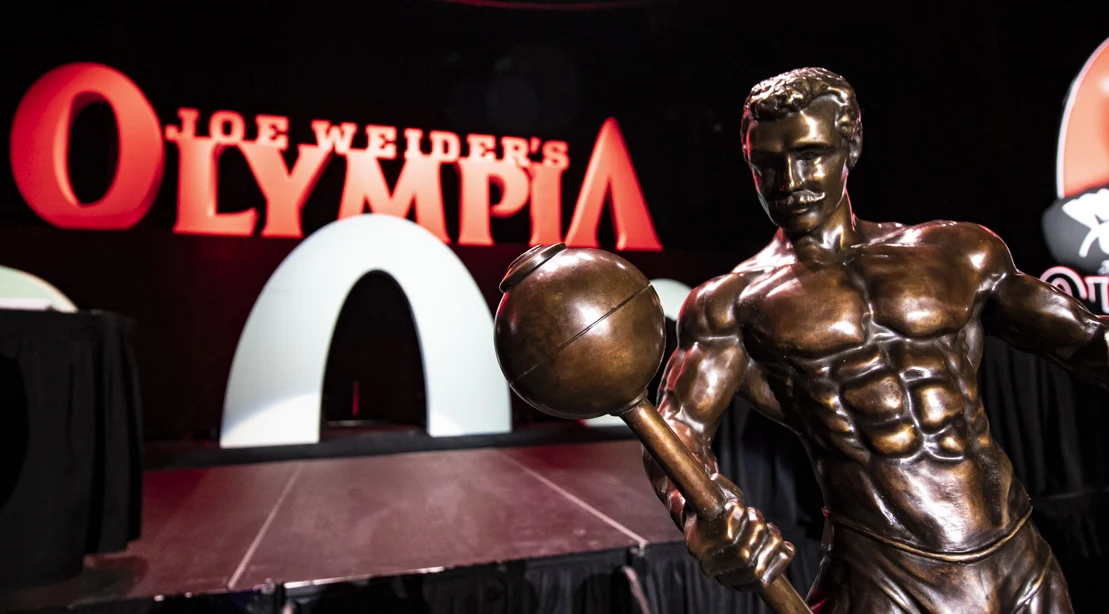
In the world of professional bodybuilding, the Mr. Olympia stage is the undisputed pinnacle of the sport. For decades, the path to the Sandow trophy has been governed by a seemingly straightforward set of regulations: win a qualifying pro show to punch your ticket, or finish in the top three of the previous year’s Olympia to secure an automatic return. For the vast majority of competitors, these rules serve as the bedrock of their career planning. However, when the elite tier of the sport—the former champions—clashes with these standard procedural mandates, the result is a complex web of administrative ambiguity.
As the IFBB Pro League continues to refine its qualification standards, the 2025-2026 transition period has highlighted a "qualification paradox" that has left many fans, and even some athletes, questioning how the system handles the overlap of lifetime eligibility and current-year performance.
Main Facts: The Anatomy of a Qualification
To understand the current confusion, one must first look at the rigid architecture of the Olympia Qualification System (OQS). Under current protocols, there are three primary ways to secure a spot at the Olympia:
- Lifetime Exemption: Former Mr. Olympia champions are granted permanent entry for life.
- Top-Three Guarantee: Athletes finishing in the top three at the previous year’s Olympia automatically qualify for the subsequent year.
- Pro Show Victory: Winning an IFBB Pro League event during the qualifying season earns a direct invitation.
The conflict arises when an athlete who holds a "Lifetime Exemption" also finishes in the top three of the most recent contest. Because these rules are additive rather than compensatory, they create a scenario where high-placing finishes do not "trickle down" to lower-ranked competitors.
Chronology of the 2025-2026 Conflict
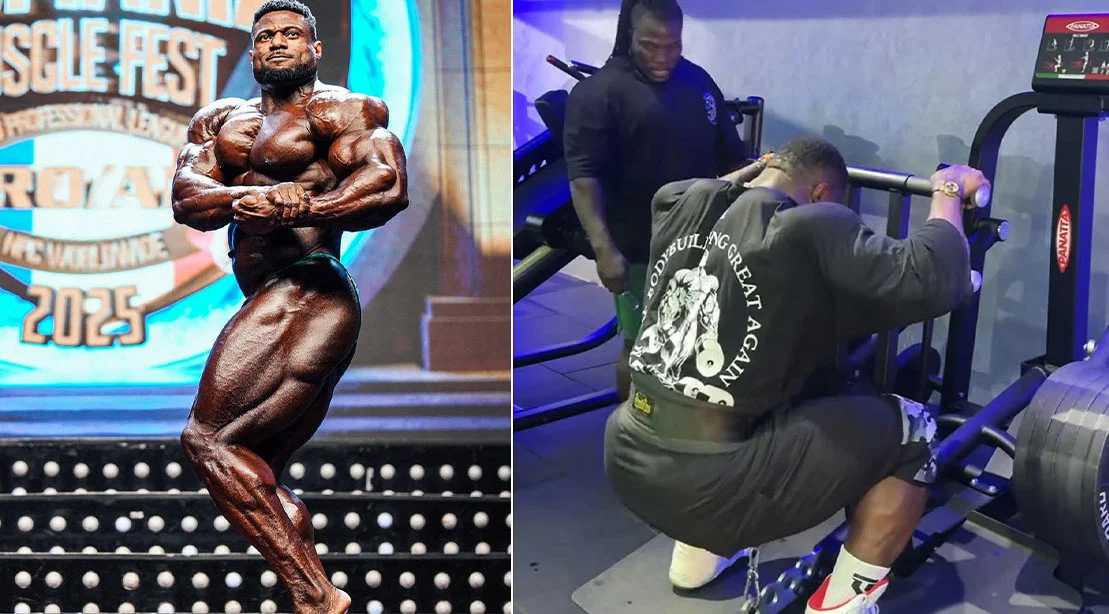
The 2025 Mr. Olympia provided the definitive case study for this administrative friction. The podium was occupied by Derek Lunsford (1st), Hadi Choopan (2nd), and Andrew Jacked (3rd).
Following the event, the qualification math seemed simple on the surface but proved deceptive in practice. Derek Lunsford, as the 2025 winner, was already secured for 2026 via his status as a former champion. Hadi Choopan, despite his historic runner-up finish, already possessed lifetime eligibility from his own previous title victory. Andrew Jacked, who has not won the Olympia, secured his first true automatic qualification of the cycle by rounding out the top three.
The ambiguity peaked when observers questioned why the qualification spots held by Lunsford and Choopan did not "roll down" to the 4th and 5th place finishers. In many sporting organizations, if a champion is already qualified, their qualifying spot is reallocated to the next highest-placing participant. In the IFBB Pro League, the rules are absolute: the top-three rule is a designation of status, not a transferable commodity.
Supporting Data: Why "Rolling" Isn’t the Reality
The confusion stems from a misunderstanding of how the OQS views "spots" versus "invitations." The IFBB does not view the top-three finish as three distinct "tickets" that must be handed out. Instead, it views the top three as a performance benchmark.
If the organization were to allow qualification spots to "cascade" downward, the integrity of the OQS would be fundamentally altered. For instance, in a scenario where the top five finishers were all former champions, a cascade rule could theoretically push a 10th-place finisher into an automatic qualifying position. This would dilute the exclusivity of the qualification process, potentially allowing athletes who did not meet the performance criteria to bypass the rigors of the pro-show circuit.
By maintaining a "hard stop" at the top three, the league ensures that the barrier to entry remains high. Athletes like Martin Fitzwater, who finished 5th in the 2025 contest, found themselves in a position where they had to return to the pro-show circuit despite being a top-tier contender. This creates a challenging reality for the sport’s rising stars: even a near-podium finish is not enough to guarantee a return trip to the biggest stage in the world.
Official Stance and Administrative Clarity
The IFBB Pro League has consistently maintained that its rules are designed to prioritize those who demonstrate current competitive dominance. When asked about the potential for rule changes regarding "cascading" qualifications, officials have historically pointed to the simplicity of the current model.
The administrative burden of calculating "who is qualified by what rule" would become exponentially more difficult if the league were to adopt a rollover system. As it stands, the "Lifetime Exemption" is a reward for past excellence, while the "Top Three" is a reward for current excellence. If an athlete happens to possess both, they are simply occupying two different categories of eligibility simultaneously. The league’s stance is that the athlete’s status is not a "wasted" spot, but rather a reflection of the athlete’s standing in the hierarchy of the sport.
Implications for the Future of Bodybuilding
The implications of this rigid rule structure are significant for the landscape of the 2026 Olympia and beyond.
1. The Burden on Contenders
For athletes outside of the top three, the message is clear: the only path to the Olympia is through a victory in a professional show. This puts immense pressure on athletes to compete in more shows throughout the year, which can lead to overtraining or the degradation of physique quality. The "middle class" of the bodybuilding world—those who are world-class but not quite top-three—must now maintain a grueling travel and competition schedule.
2. Strategic Competition
The current rules encourage strategic planning. Coaches and athletes must analyze the qualification landscape to decide which pro shows to enter. Knowing that a 4th-place finish at the Olympia offers no "safety net" for the following year, athletes are more likely to participate in high-stakes qualifiers to ensure their status before the season ends.
3. The "Legacy" Effect
The existence of multiple former champions in the lineup—such as Lunsford, Choopan, and potentially others—creates a "clog" in the qualification system. While this makes the Olympia itself more exciting by ensuring the best of the best are on stage, it complicates the optics for the fans. When a veteran who is already qualified finishes high, it feels to the audience as though a qualification spot has been "lost," even though, according to the rules, no such spot ever existed for the rest of the field.
Conclusion: A System Under Pressure
As bodybuilding continues to evolve, the IFBB Pro League faces the constant challenge of balancing tradition with the practical realities of a modern, highly competitive sport. The "qualification paradox" is not a flaw in the system, but rather a byproduct of a sport that has reached an unprecedented level of depth.
While the confusion surrounding the top-three rule is understandable, the logic behind the rigid structure remains sound: it prevents the dilution of the Olympia stage and mandates that every competitor, regardless of their past, proves their worth in the current season. For the 2026 season, the rules are set, the path is clear, and the competitors know exactly what is required to stand beneath the Sandow trophy. Whether these rules remain static or undergo further evolution in response to the "clogging" effect of multiple champions, one thing is certain: only the best will earn their place under the lights.