For decades, the humble sleeping pad was little more than a piece of blue, cross-linked polyolefin foam—a $6 slab of protection that offered minimal cushioning but absolute reliability. Today, the landscape of backcountry sleep systems has evolved into a high-tech field of study. With over 300 models available across 20+ major brands, selecting the right pad is no longer about finding a soft spot; it is an engineering challenge involving inflation pressure, baffle architecture, and system integration.
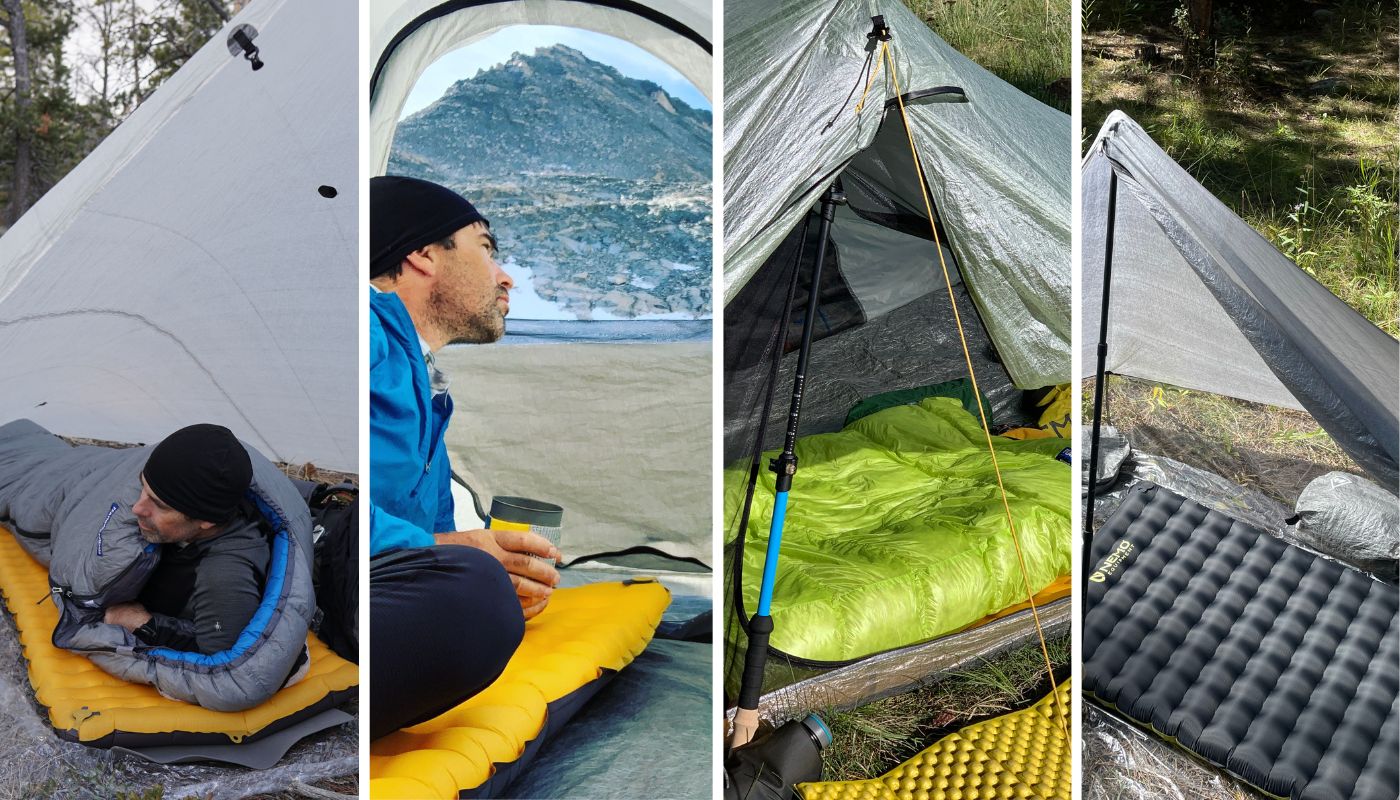
The Evolution of the Sleeping Pad: From Foam to Air
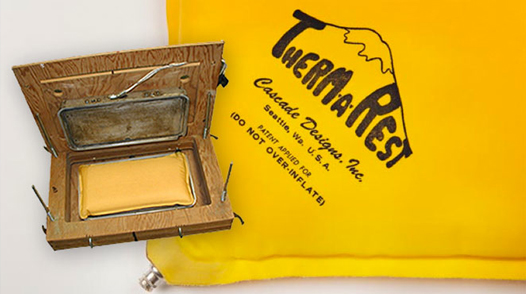
The journey from the "blue foam" era of the 1960s to today’s sophisticated inflatable mattresses represents a 45-year transition from simple insulation to complex ergonomic support.
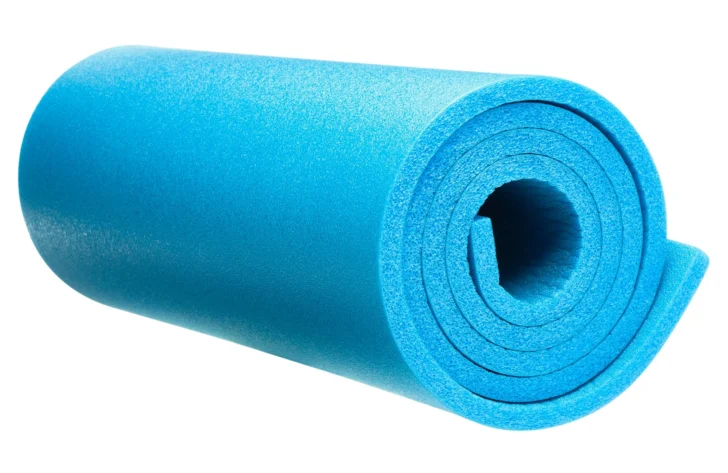
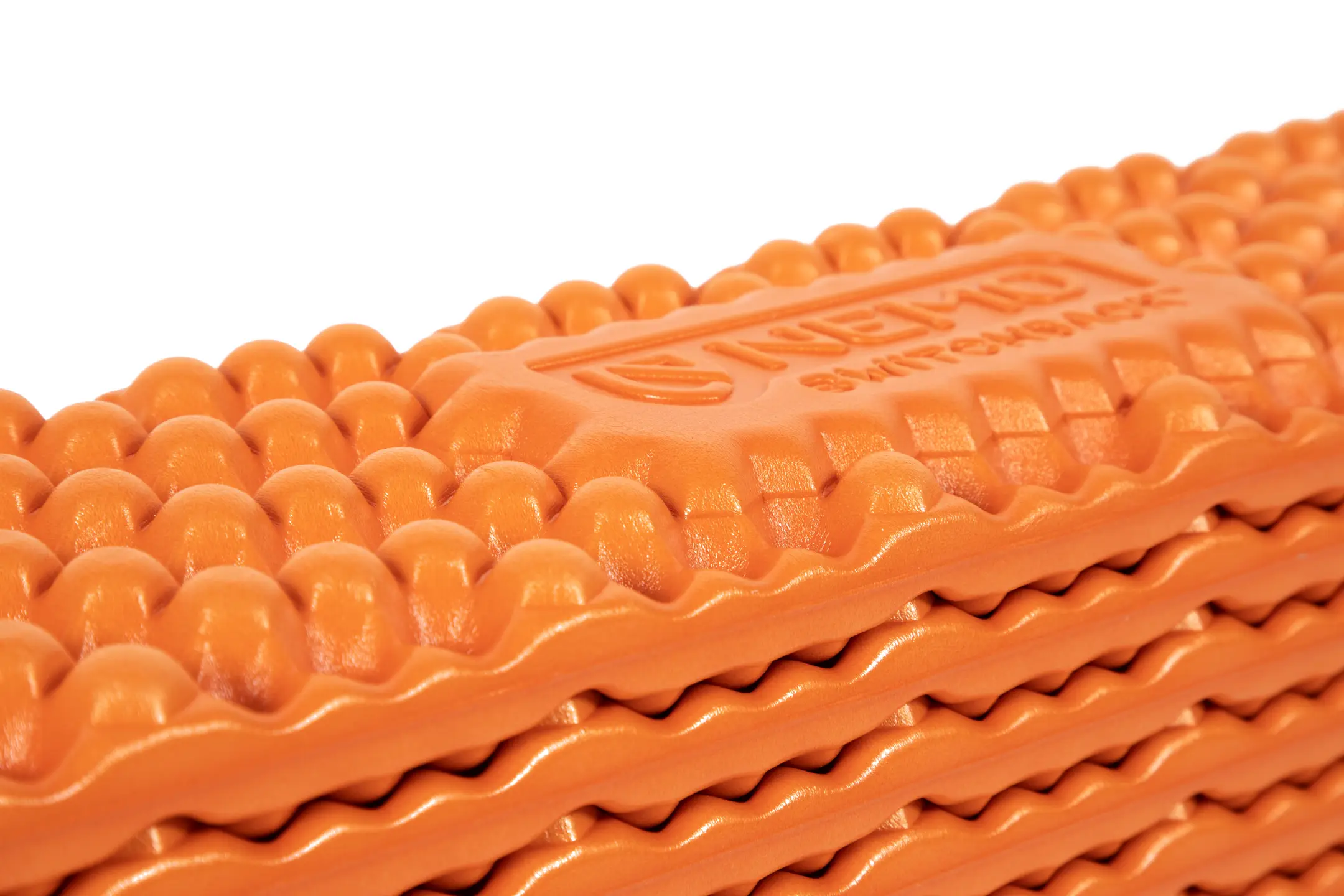
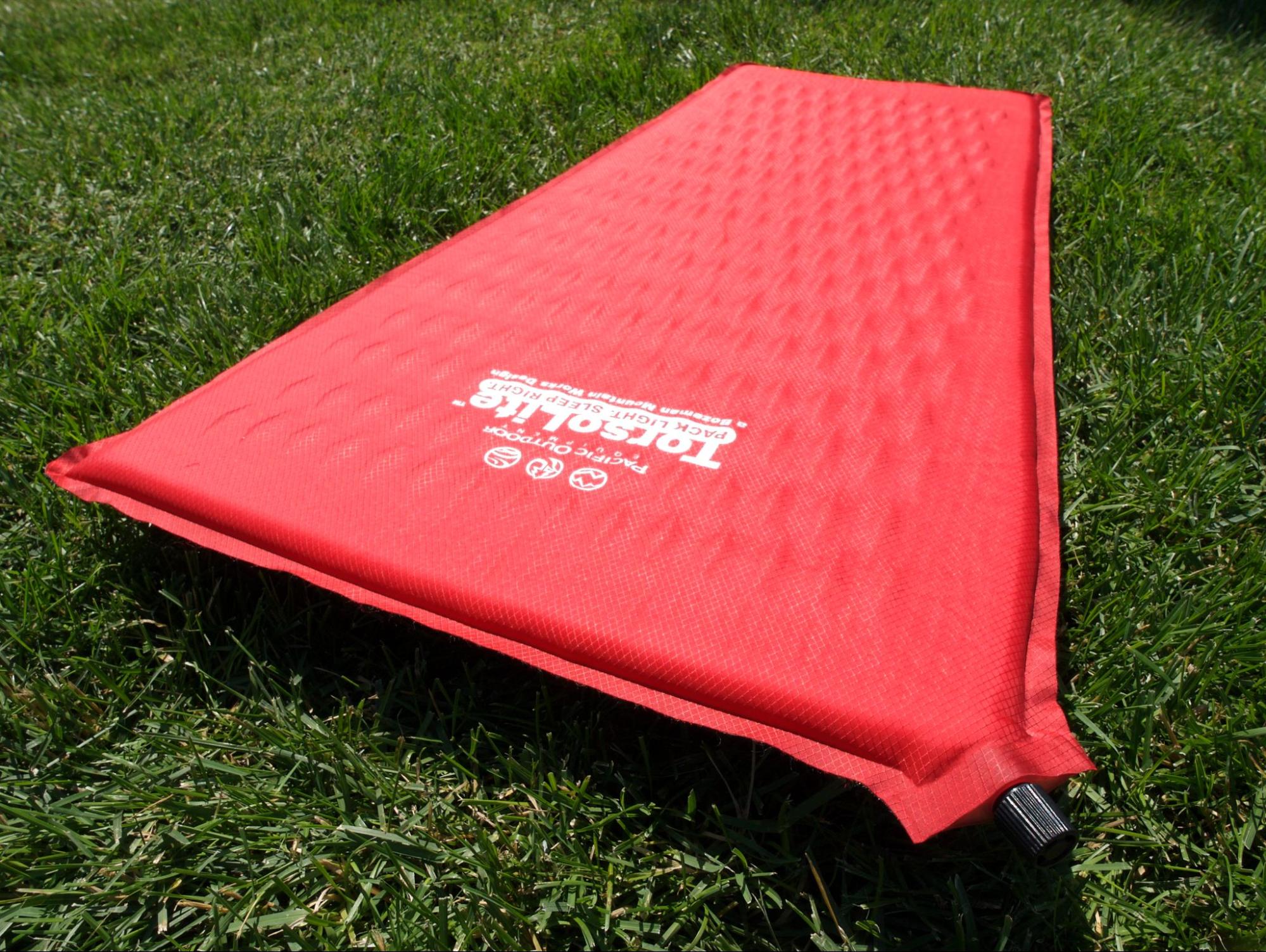
In the early days, closed-cell foam (CCF) was the gold standard. It was puncture-proof, lightweight, and required zero maintenance. Modern iterations, such as cross-linked polyethylene (XLPE), have refined these attributes. Products like the Therm-a-Rest Z-Lite SOL and the Nemo Switchback remain the favorites for thru-hikers who prioritize durability and the ability to drop a mat on jagged terrain without fear of a leak.
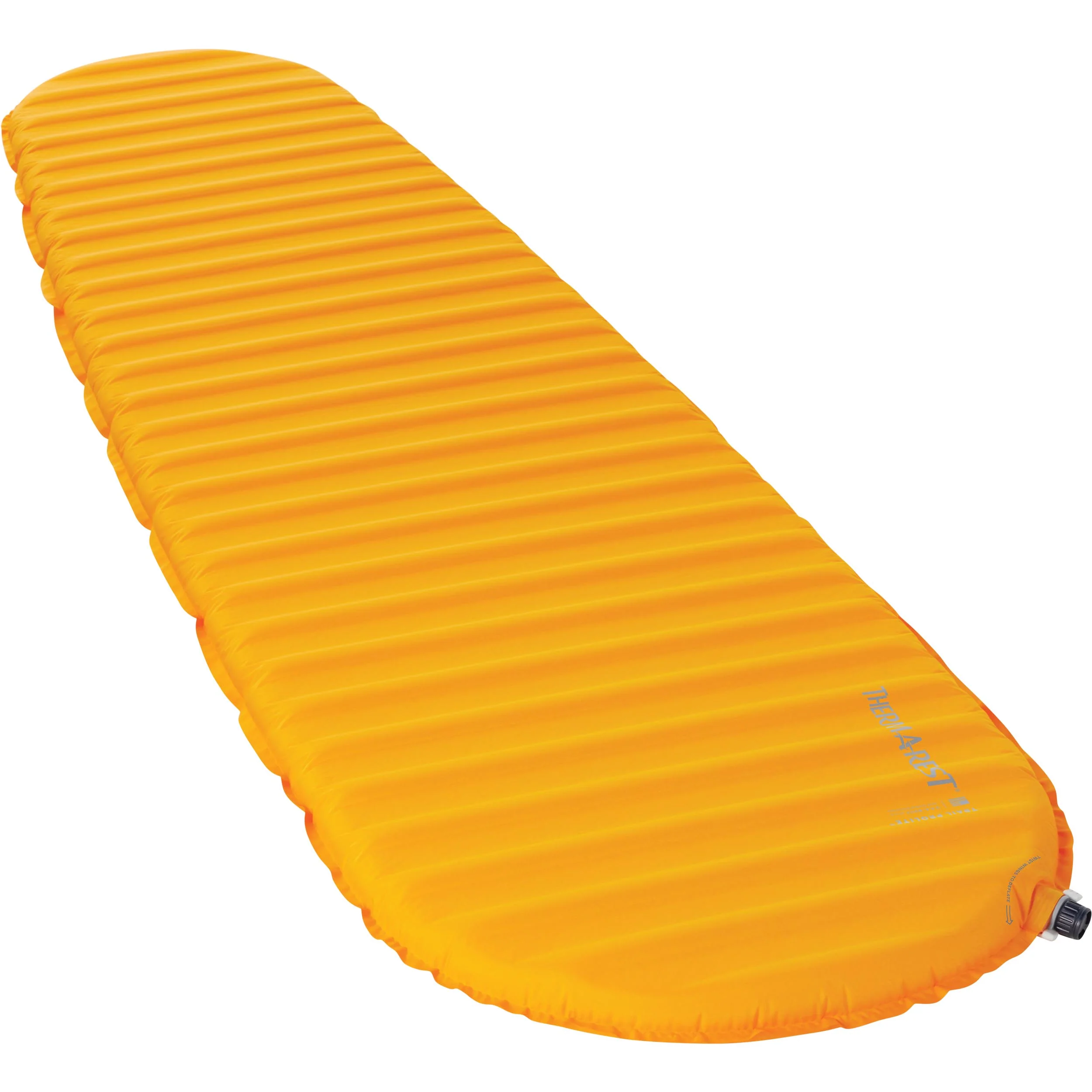
However, the 2009 introduction of the Therm-a-Rest NeoAir fundamentally altered the market. By prioritizing thickness (3 inches) and air-based insulation over foam, it shattered the previous comfort-to-weight ratio ceilings. This shift triggered an explosion of innovation, leading to the diverse category of non-self-inflating air mattresses that dominate the market today.
Market Analysis: The Current Landscape
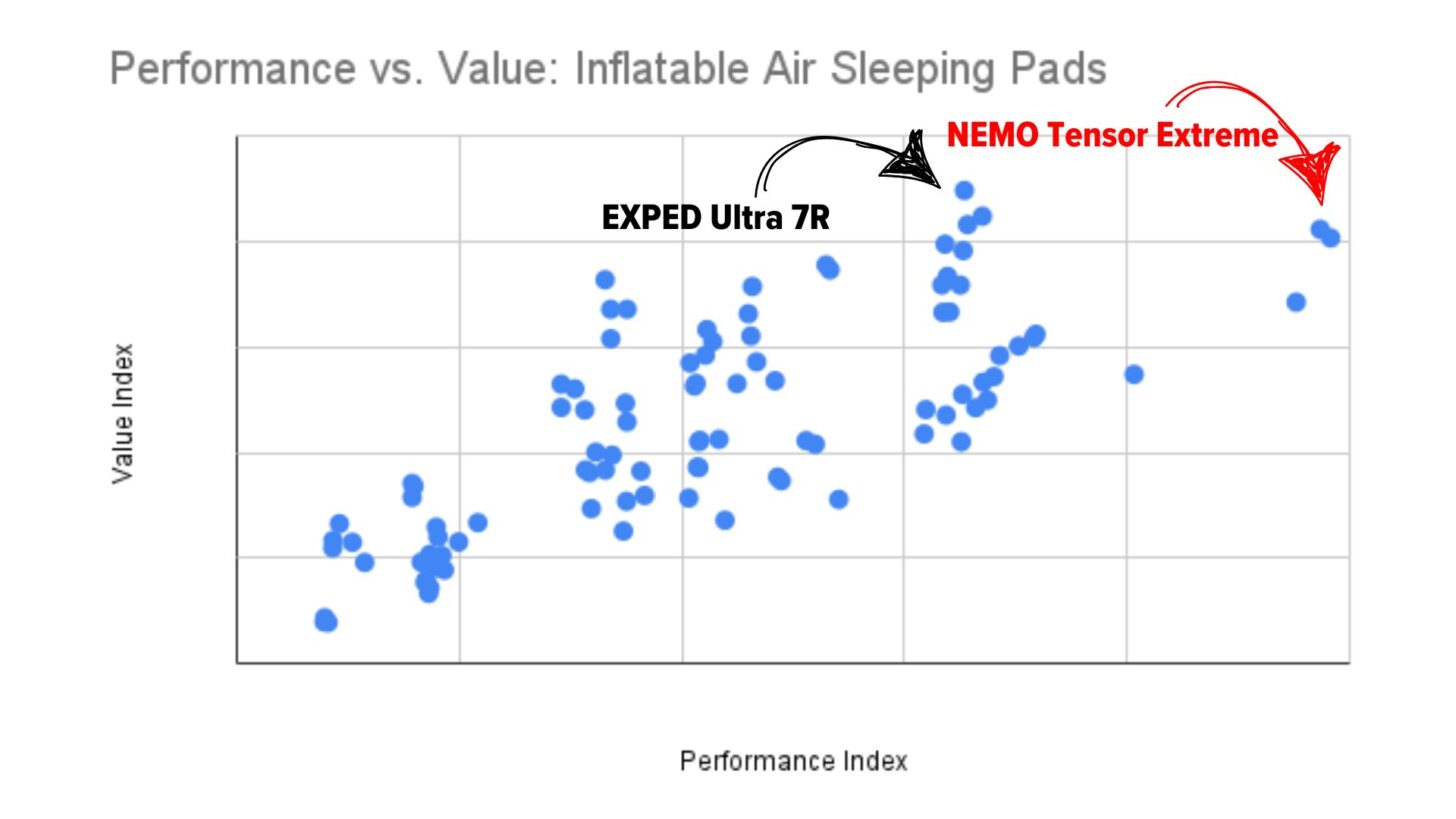
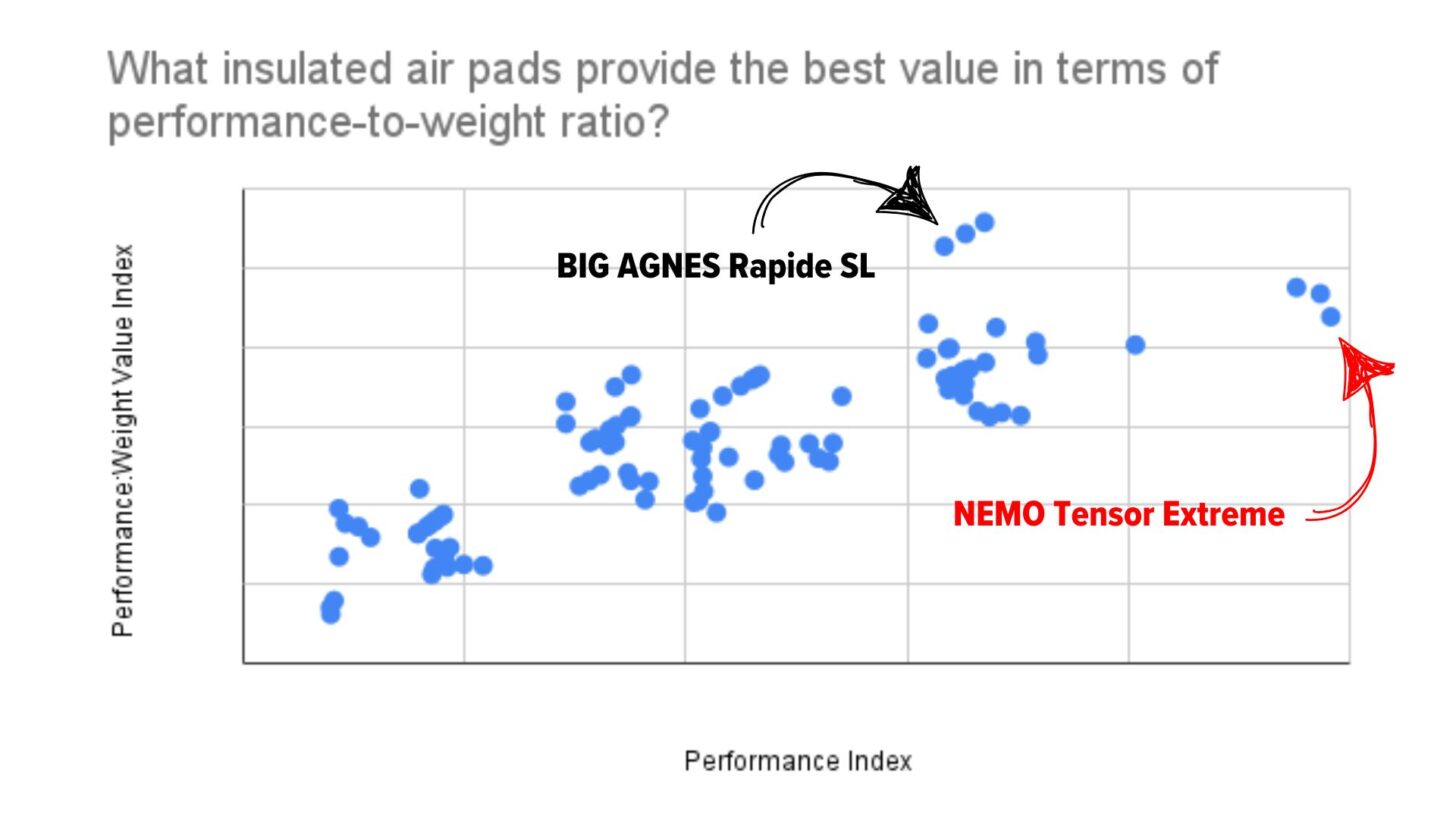
Backpacking Light’s May 2026 database update highlights a market that is increasingly commodified yet highly specialized. Performance in the current era is defined by the warmth-to-weight ratio and the value-to-performance index.

Top-Performing High R-Value Pads
When evaluating the state-of-the-art for regular-wide dimensions, specific models have risen to the top of the performance charts:
| Model | Weight | R-Value | R/Weight (oz) |
|---|---|---|---|
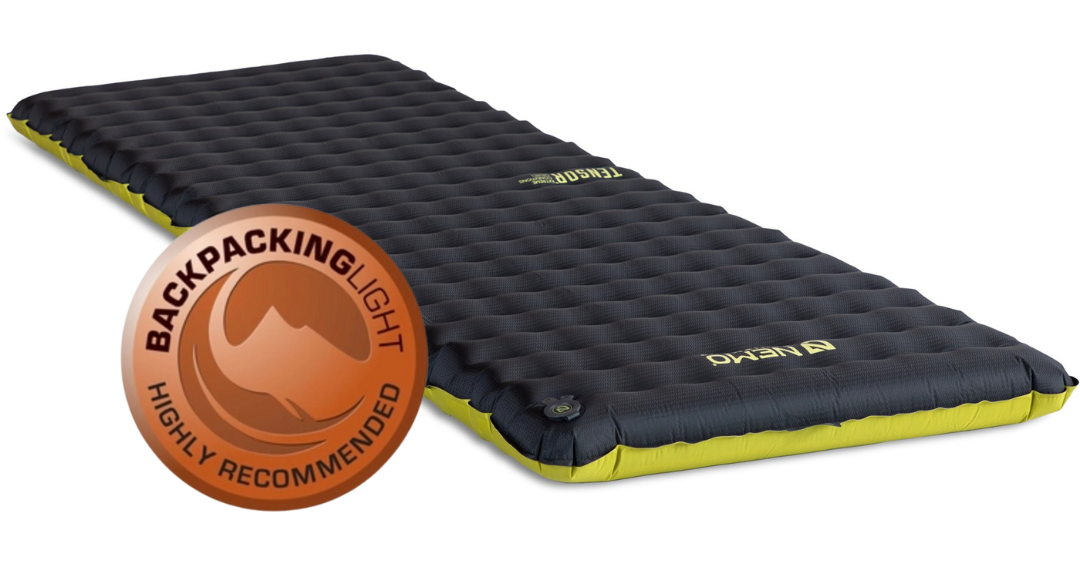
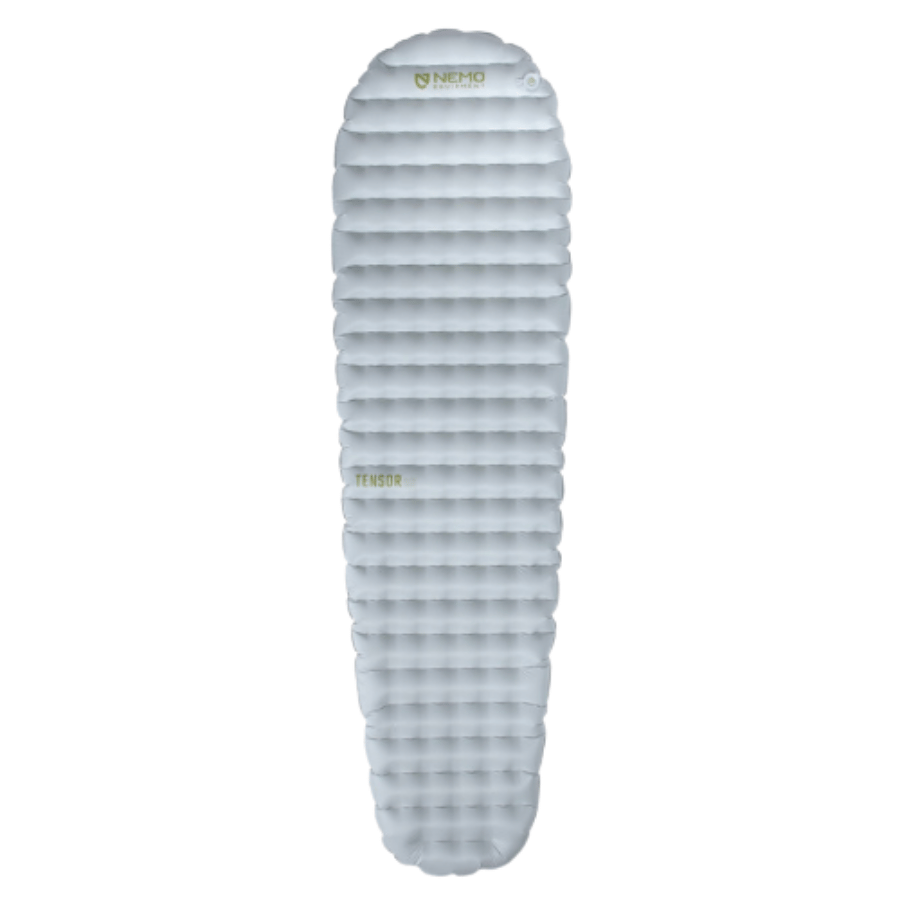
| NEMO Tensor Extreme | 22 oz | 8.5 | 0.39 |
| Therm-a-Rest NeoAir XTherm NXT | 20 oz | 7.3 | 0.37 |
| Rab Ultrasphere 5 | 16 oz | 5.5 | 0.34 |
| NEMO Tensor All-Season | 19 oz | 5.4 | 0.28 |
The NEMO Tensor Extreme currently stands as the performance leader for harsh conditions, while the Big Agnes Rapide SL has emerged as the value king, offering the most "bang for your buck" when optimizing warmth-to-weight efficiency.

Stability and Baffle Architecture
"Stability" is the most misunderstood metric in sleep systems. It refers to a pad’s ability to maintain geometry under the shifting weight of a user. Stability is dictated by how air is trapped within the chassis.

1. Horizontal Baffles
These span the width of the pad, creating a cradling effect. While comfortable, they can sometimes lead to "bottoming out" if the user’s weight is concentrated on a single chamber.
2. Vertical Baffles
Running head-to-toe, these provide consistent longitudinal support. They are excellent for back sleepers but may feel "bouncy" during side-to-side transitions.
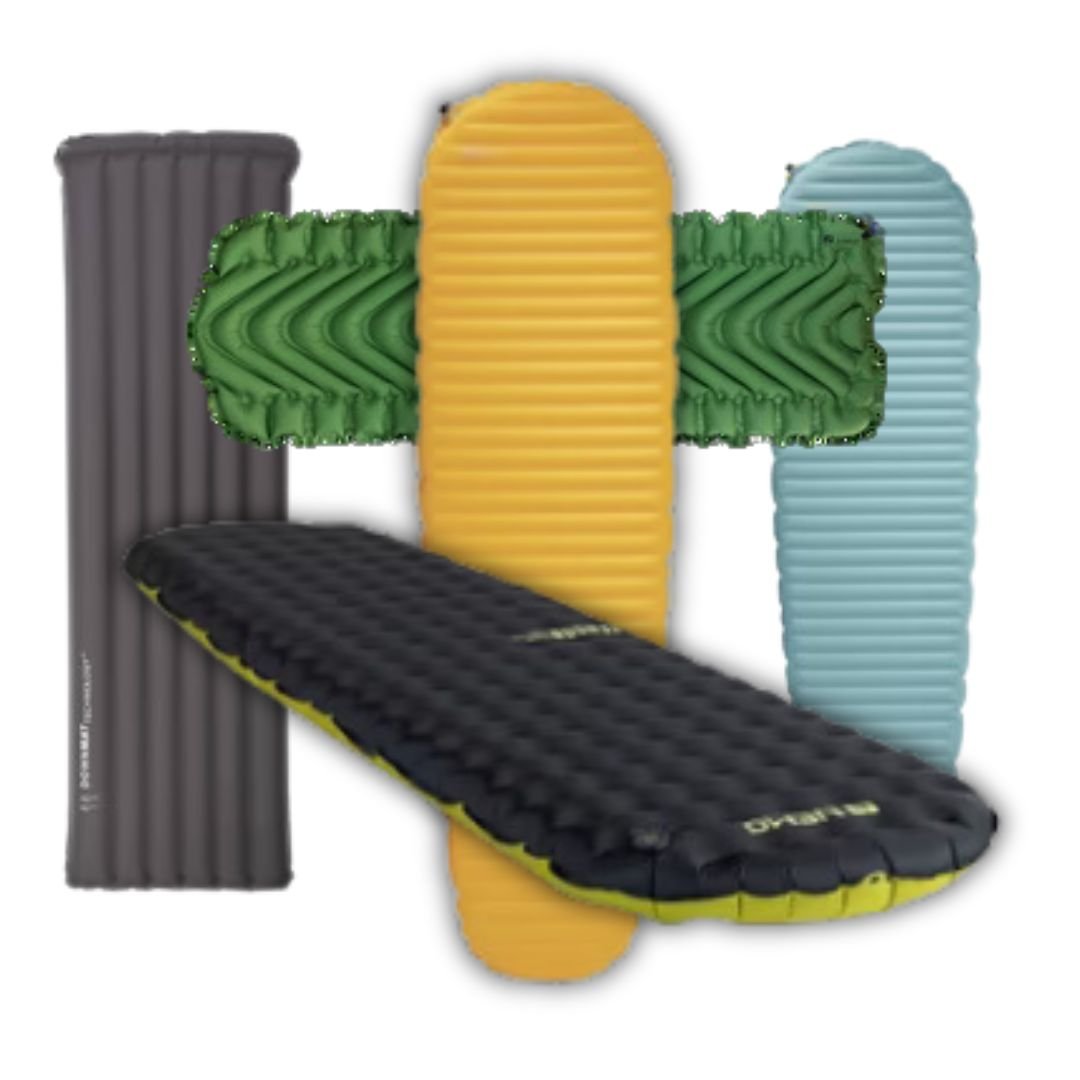
3. Air-Sprung Cells
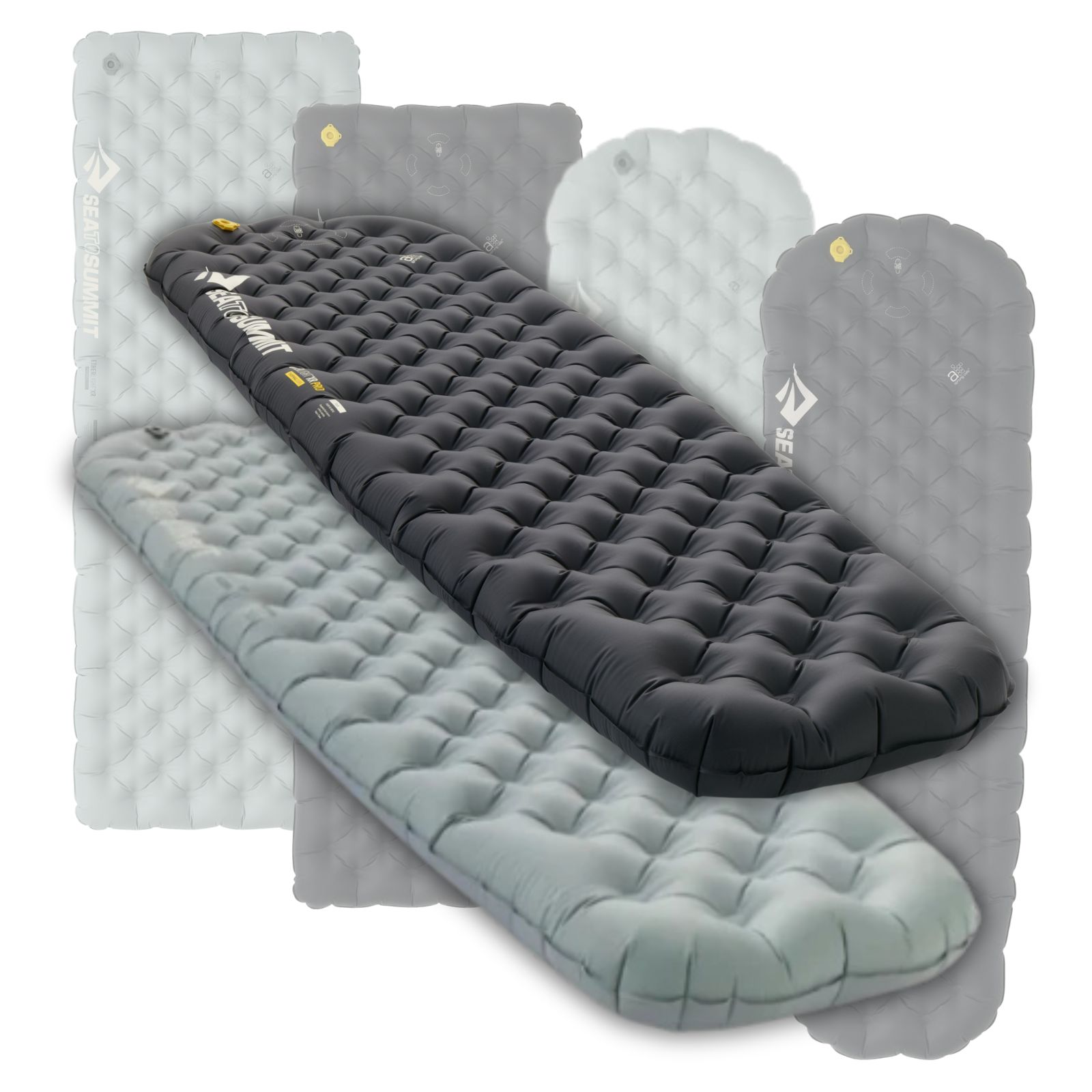
Mimicking a pocket-sprung mattress, these dot-welded chambers act independently. They offer the most natural feel, as the pad contours to the body’s unique pressure points.
4. 3D Welds
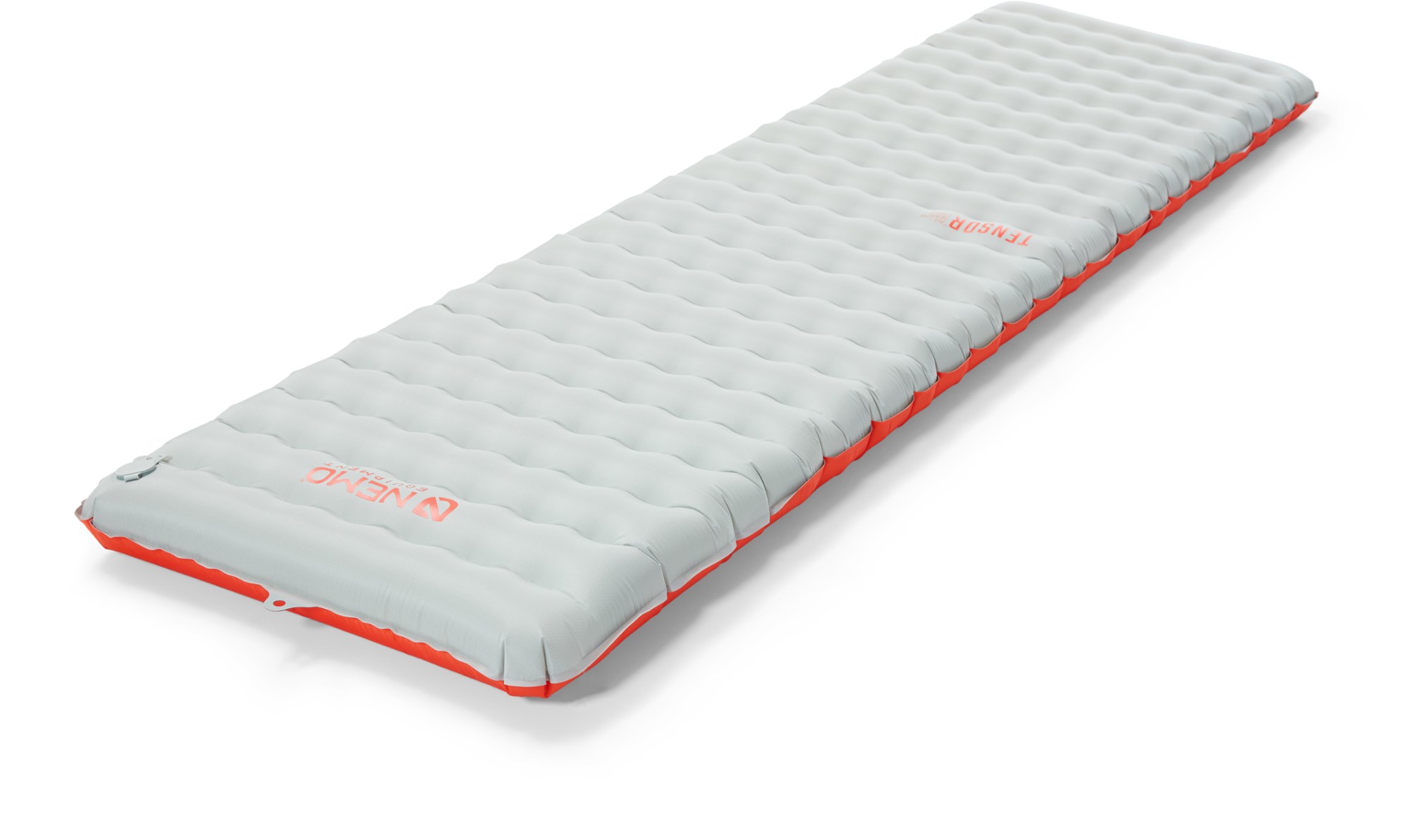
The current pinnacle of design, seen in the NEMO Tensor series. By using internal welds to control chamber depth, these pads provide targeted support for shoulders and hips while maintaining a stable, low-profile feel.
Practical Guidance: The Field Comfort Protocol
Optimizing comfort is not about inflating a pad to its maximum pressure; it is about finding the "deflection target" that matches your body type and sleep position.
Inflation Heuristics
- Side Sleepers: Require firmer inflation to prevent hips and shoulders from hitting the ground (bottoming out).
- Back Sleepers: Benefit from slightly lower pressure to allow the pad to contour to the spine.
- Temperature Sensitivity: Remember the Ideal Gas Law. As evening temperatures drop, the air inside your pad will contract, causing a noticeable loss in pressure. Always top off your pad just before drifting off to sleep.
System Integration
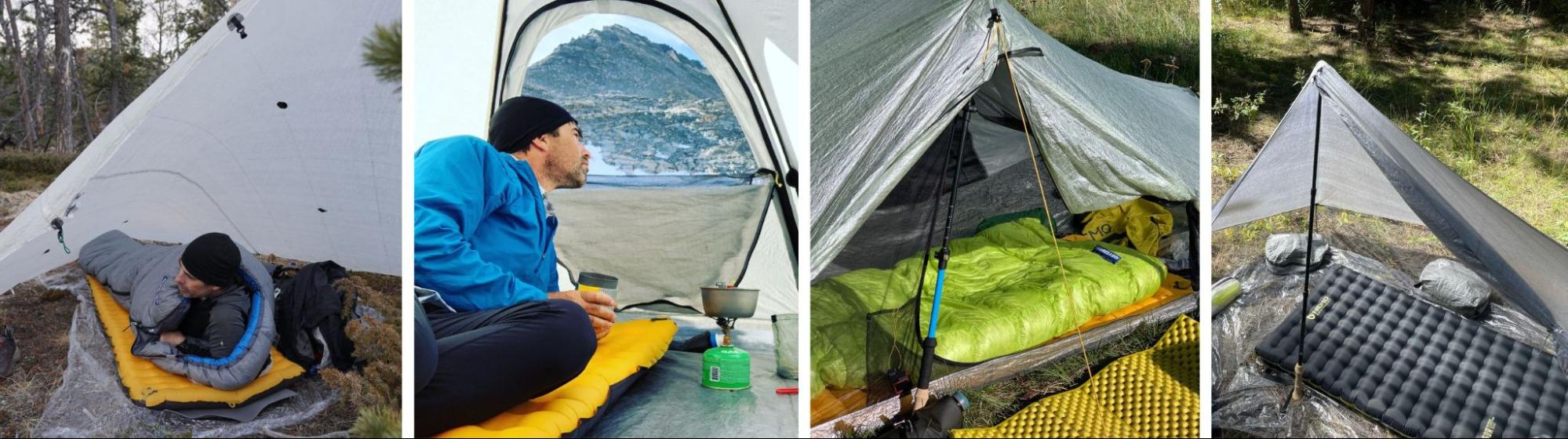
For the most demanding conditions, a two-pad system is often superior to a single high-R-value unit. Placing a thin closed-cell foam pad underneath an inflatable provides a "failsafe" against punctures and adds a significant layer of conductive warmth. Conversely, placing a thin foam layer on top of your inflatable can improve moisture management and skin comfort.

The Role of Accessories: Pumps and Power
The advent of high-R-value pads has necessitated efficient inflation methods. The Exped Schnozzel remains the benchmark for manual pump sacks, offering dual-use as a dry bag. For those looking to automate, the Flextail Zero Pump has proven to be the most reliable, light, and powerful option on the market.
When paired with a high-density power bank like the Nitecore NB10000 Gen 3, users can ensure reliable, weight-efficient inflation for the duration of a long-distance expedition.
Summary of Findings
The modern backpacking sleeping pad is a marvel of material science, but its effectiveness depends entirely on the user’s ability to tune it to their environment.
- Select for Geometry: Match your pad width to your sleeping style. A "regular-wide" (25-inch) pad is rarely a weight penalty compared to the immense gain in stability and arm-positioning comfort.
- Understand Baffles: Choose the architecture that aligns with your preferred sleep posture.
- Manage the Interface: Use clothing or a pad cover to mitigate the noise and "plastic" feel of modern ultralight fabrics.
By treating sleep as a measurable technical outcome—standardizing your inflation pressure, utilizing proper baffle geometry, and ensuring your pillow loft matches your pad thickness—you can significantly improve sleep continuity in the field. The goal is no longer to survive the night; it is to optimize the restorative potential of your rest.
Disclaimer
This report is based on a specification analysis of over 300 sleeping pads conducted by Backpacking Light. Prices and specifications reflect data current as of May 2026. All featured products have undergone independent field testing to ensure their performance claims align with user experience. Users are encouraged to verify specific manufacturer warranties and regional availability.