For decades, the mention of a tick bite in the United States primarily triggered concerns about Lyme disease—a well-documented, albeit debilitating, affliction. However, as the ecological landscape of North America shifts, so too does the profile of the pathogens hitching a ride on our local tick populations. The latest, and perhaps most concerning, addition to the list of emerging threats is the Bourbon virus.
Recently confirmed for the first time in New York, the Bourbon virus represents a significant escalation in the complexity of tick-borne illnesses. While still relatively rare, its emergence outside of its traditional Midwestern stronghold suggests that the geography of risk is expanding, leaving public health officials and outdoor enthusiasts scrambling to keep pace with an evolving biological threat.
The Core Facts: What is the Bourbon Virus?
The Bourbon virus (BRBV) is an orthomyxovirus, a member of the Thogotovirus genus. Unlike bacterial infections such as Lyme disease or Rocky Mountain spotted fever, which can be treated with antibiotics, the Bourbon virus is a viral pathogen. This distinction is critical: there are currently no vaccines to prevent infection and no specific antiviral medications to treat it.
Primary Symptoms
The clinical presentation of the Bourbon virus is often non-specific, which contributes to the difficulty of diagnosing it in a timely manner. Patients typically report:
- High-grade fever
- Profound fatigue and malaise
- Generalized body aches and muscle pain
- Headaches
- Gastrointestinal distress (nausea and vomiting)
- Rash (observed in some, but not all, clinical cases)
Because these symptoms mirror those of influenza, COVID-19, or other common tick-borne illnesses like Ehrlichiosis or Anaplasmosis, patients often go through multiple rounds of testing before a definitive diagnosis—if one is reached at all.

Transmission
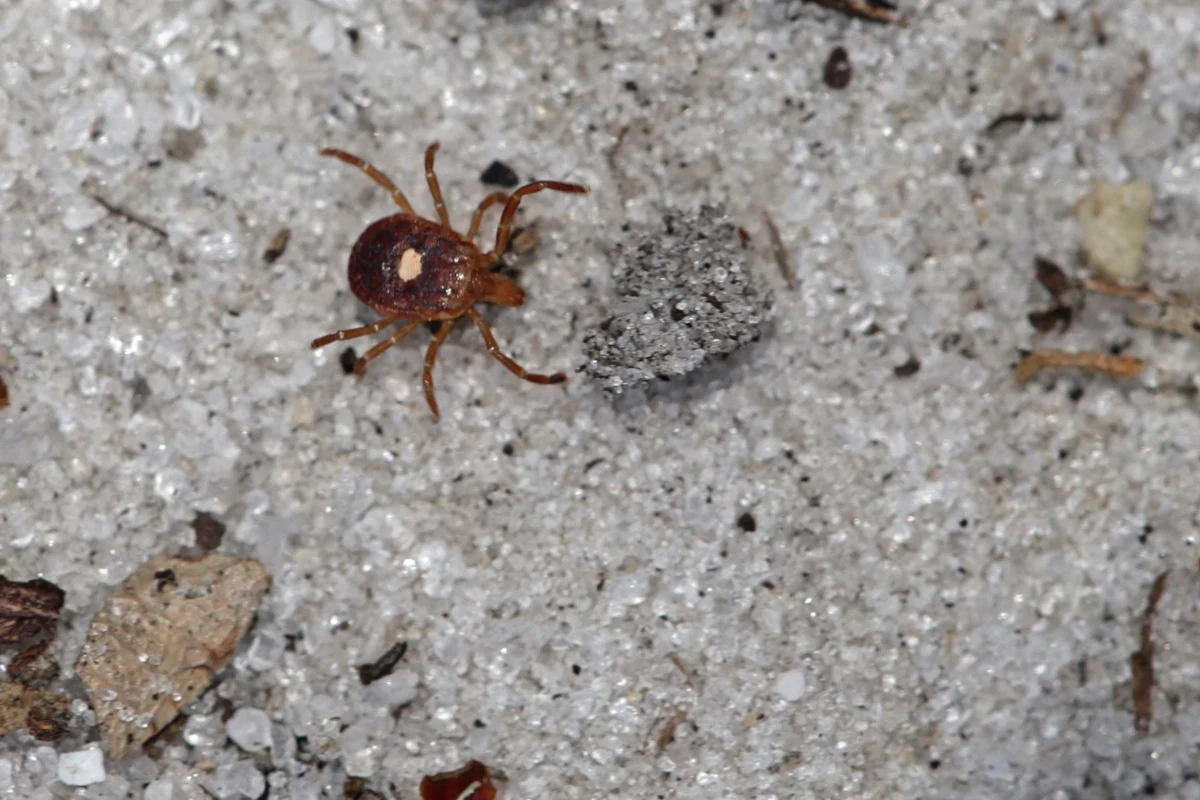
The primary vector for the Bourbon virus is the Lone Star tick (Amblyomma americanum). These ticks are aggressive biters and have seen a massive population explosion over the last decade, expanding their range from the southeastern and south-central United States into the Mid-Atlantic and Northeast regions.
A Chronological Timeline of Emergence
The discovery of the Bourbon virus is a relatively recent development in the history of American pathology, highlighting how quickly "new" diseases can surface in our changing environment.
- 2014: The Discovery: The virus was first identified in Bourbon County, Kansas, when a man presented with symptoms after suffering multiple tick bites. Tragically, the patient succumbed to the illness, marking the first recorded fatality and the naming of the virus.
- 2015–2023: The Silent Spread: Between its discovery and 2024, the CDC documented only a handful of cases—totaling fewer than six—across Kansas, Oklahoma, and Missouri. During this period, the medical community viewed the virus as a highly localized Midwestern anomaly.
- 2024: The Shift: Data published in peer-reviewed journals confirmed that the virus was circulating in regions previously thought to be safe. Researchers began tracking cases more aggressively, shifting the narrative from a "rare regional issue" to an "emerging national concern."
- 2026: The New York Milestone: In August 2026, researchers analyzing health data from Suffolk County, New York, confirmed the first cases of the Bourbon virus in the state. Out of 107 symptomatic patients tested, two individuals tested positive for antibodies, with one requiring hospitalization. This confirmed that the virus has successfully crossed the Appalachian range and established a foothold in the Northeast.
Supporting Data: Why the Danger is Growing
The transition of the Bourbon virus from a regional curiosity to a public health concern is supported by alarming data regarding both the vector and the environment.
The Expansion of the Lone Star Tick
The Lone Star tick was historically confined to the southern United States. However, climate change has played a significant role in its northward migration. Warmer, shorter winters allow these ticks to survive in regions where they would have previously frozen to death. Today, their range covers much of the Eastern Seaboard. As they move into more densely populated areas, the frequency of human-tick encounters is reaching record highs.
The "Diagnostic Gap"
A major hurdle in addressing the Bourbon virus is the lack of widespread diagnostic infrastructure. Most hospital laboratories are not equipped to test for this specific virus. As Dr. Luis Marcos of Stony Brook University noted in a recent statement, many of these cases are likely slipping through the cracks of the healthcare system, misdiagnosed as other, more common illnesses. Without commercial testing kits, the true prevalence of the virus remains a "known unknown"—scientists are certain it is more common than recorded, but lack the tools to quantify exactly how much.

Official Responses and Clinical Challenges
The Centers for Disease Control and Prevention (CDC) has been closely monitoring the situation, but the agency faces a difficult challenge. Because the Bourbon virus is viral, the medical response is currently limited to supportive care.
Patients hospitalized with the virus are typically treated with:
- Intravenous hydration to manage severe vomiting and dehydration.
- Analgesics and antipyretics to manage pain and fever.
- Close observation for signs of organ failure or neurological complications, which have been observed in severe cases.
The CDC’s current recommendation remains focused on prevention, as they emphasize that "an ounce of prevention is worth a pound of cure." However, medical societies are now calling for "expanded viral surveillance." This involves testing symptomatic patients in tick-heavy regions for a broader panel of pathogens, rather than just testing for Lyme disease or Babesiosis.
Broader Implications: A Changing Landscape of Risk
The Bourbon virus does not exist in a vacuum; it is part of a larger, more ominous trend. The 2026 season has been particularly brutal for tick-borne disease transmission.
A Confluence of Pathogens
The appearance of the Bourbon virus coincides with other concerning developments:

- Borrelia mayonii: A more aggressive, systemic form of the bacteria that causes Lyme disease, recently documented in New York.
- Rickettsia lanei: A bacteria causing a virulent form of Rocky Mountain spotted fever, which appeared in California earlier this year.
- Record E.R. Visits: The CDC reported in April 2026 that emergency room visits for tick bites are at their highest level since 2017.
The Climate-Health Connection
The warming climate is accelerating the tick life cycle. When winters fail to provide a "deep freeze," tick populations explode. Furthermore, the season for tick activity has lengthened by weeks on both ends of the calendar. This means outdoor recreationists—hikers, hunters, and campers—are at risk for a longer portion of the year than their parents or grandparents ever were.
Protecting Yourself: Staying Safe in the New Normal
As the landscape of tick-borne illness becomes more crowded, the strategies for personal protection must be rigorous.
- Chemical Defense: Use EPA-approved repellents containing DEET, Picaridin, or Oil of Lemon Eucalyptus. For clothing, Permethrin is the gold standard. Treating boots, socks, and pants with permethrin provides a powerful barrier that kills ticks on contact.
- Strategic Dressing: While it may be uncomfortable in summer, tucking pants into socks and wearing light-colored clothing makes it easier to spot and remove ticks before they attach.
- The "Tick Check" Ritual: The most effective defense remains a thorough body check after every excursion into the woods or tall grass. Pay special attention to the hairline, behind the ears, the groin, and the backs of the knees.
- Landscape Management: Keep lawns mowed short, clear leaf litter from around your home, and create a wood-chip buffer between forested areas and your lawn.
Conclusion
The arrival of the Bourbon virus in the Northeast is a clear signal that the era of "familiar" tick threats is over. We are entering an era of complexity, where a single tick bite could potentially harbor a variety of pathogens, some of which we are only just beginning to understand.
While there is no reason for panic, there is every reason for heightened awareness. By advocating for better medical surveillance, investing in diagnostic research, and maintaining strict personal safety protocols, we can navigate this new reality. As our climate continues to change, our relationship with the wild must change with it—prioritizing vigilance, education, and proactive defense against the microscopic threats waiting in the brush.