With outdoor recreation experiencing an unprecedented surge in popularity—boasting over 181 million participants in 2024, or nearly 60% of the U.S. population—the question of how to best engage with the water has become a common dilemma. Paddlesports, in particular, have captivated an estimated 30 million Americans, leading many prospective hobbyists to a fundamental crossroad: are you a "canoe person" or a "kayak person"?
While both vessels serve the same primary purpose of traversing waterways, they offer vastly different experiences, handling characteristics, and utility profiles. Understanding the nuance between these two craft is essential for anyone looking to transition from a weekend observer to an active participant in the nation’s fastest-growing recreational sector.
The Core Distinctions: Design and Functionality
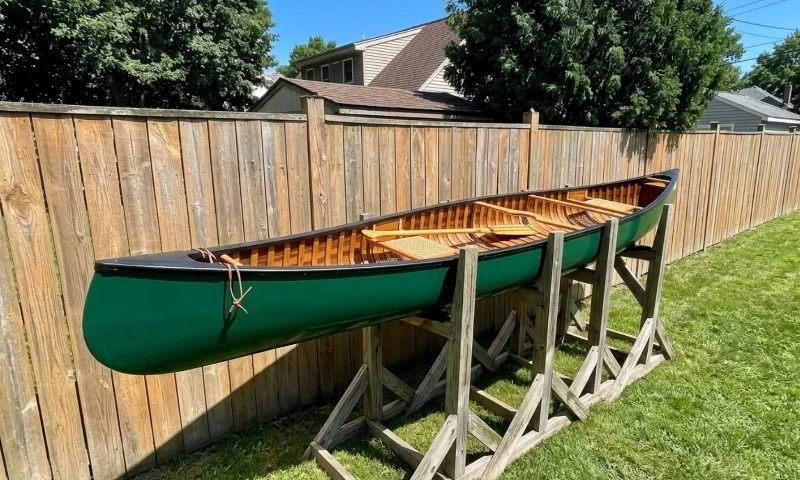
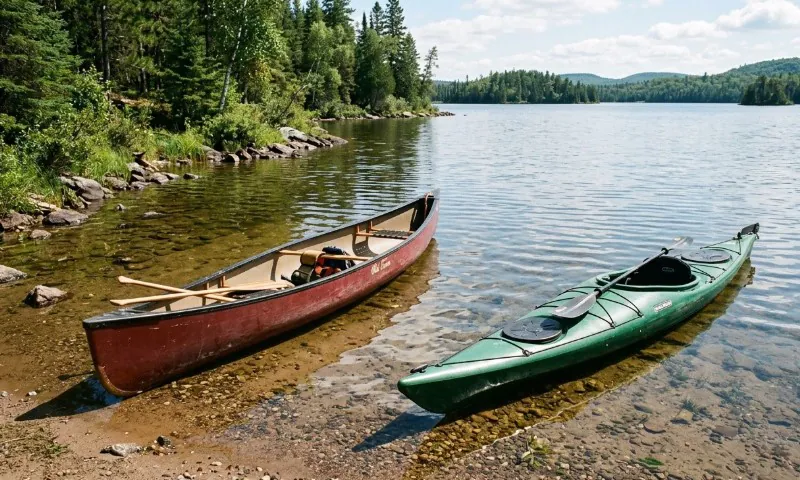
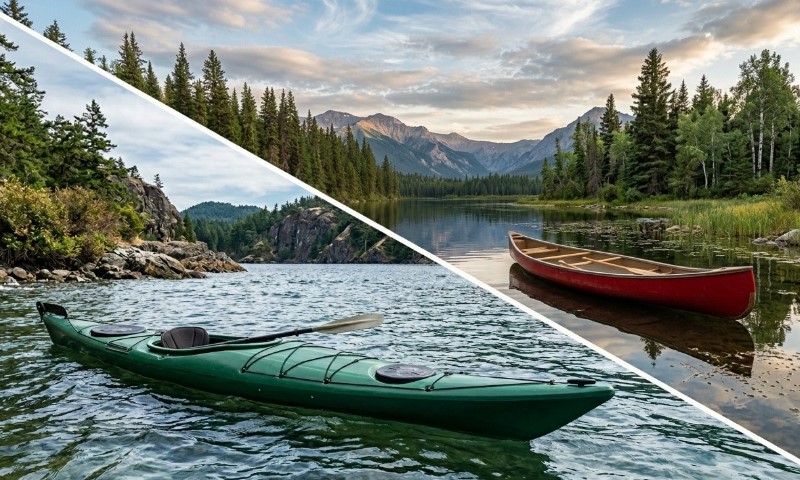
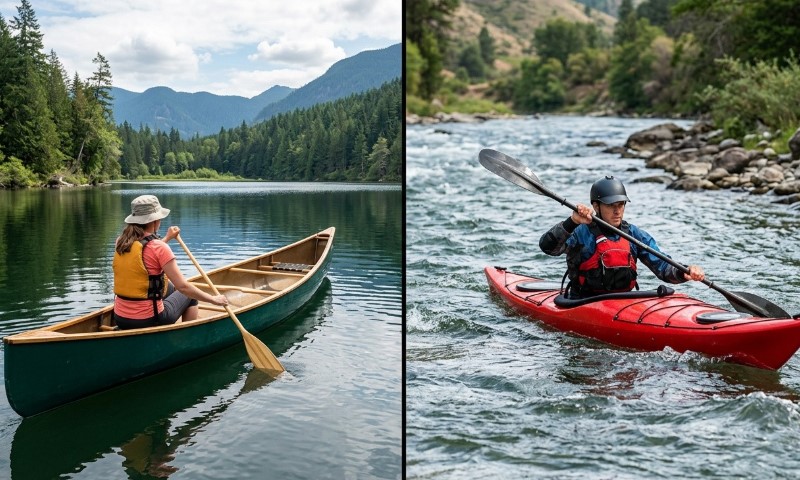
At its most basic level, the difference between a canoe and a kayak is defined by seating posture and paddle mechanics. A canoe is traditionally an open-deck vessel where the occupant sits on a bench or kneels, utilizing a single-bladed paddle. Conversely, a kayak features a lower center of gravity, with the paddler seated on the floor or a low-profile seat, propelling the craft with a double-bladed paddle.
The "Floating SUV" vs. The "Sports Car"
To visualize the difference, consider the canoe as a rugged, utility-focused floating SUV. It is designed for maximum interior volume, allowing for the transport of children, pets, camping gear, and coolers without the need for meticulous organization. The higher seating position provides an elevated vantage point, which is an undeniable advantage for wildlife observation, fishing, and navigating shallow, winding riverbeds.
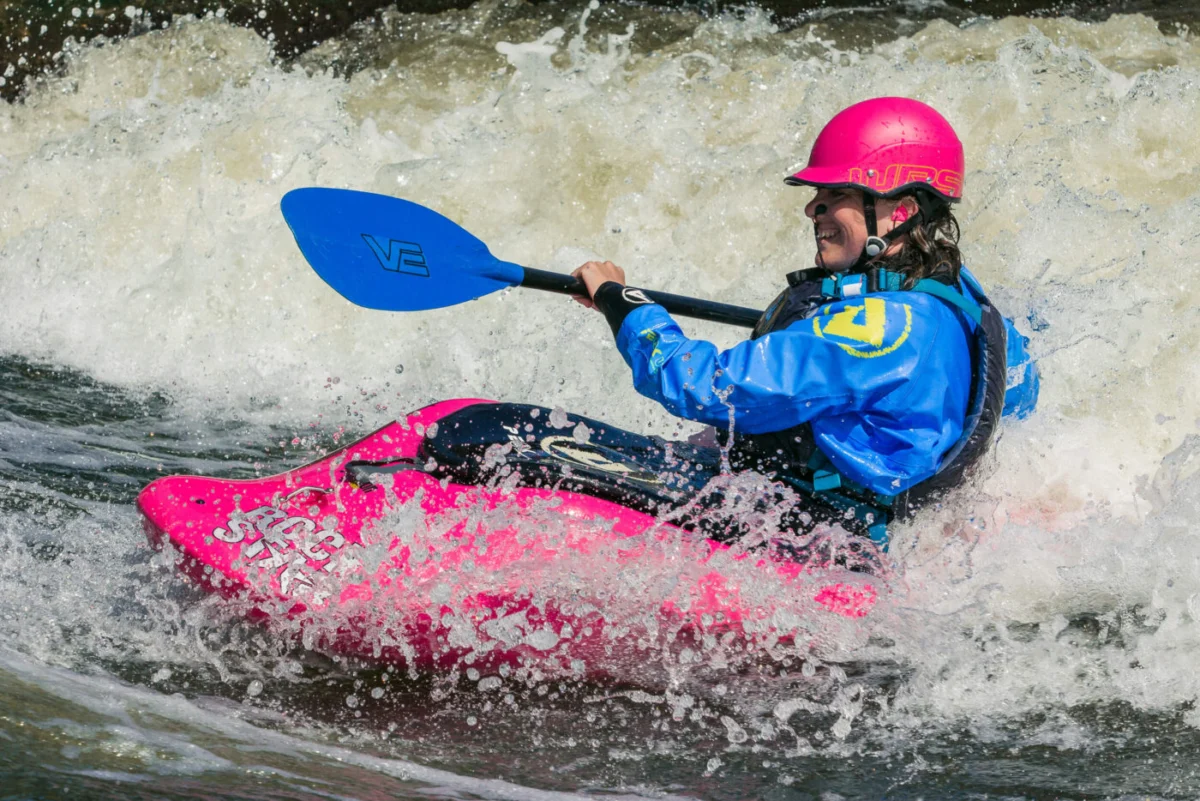
The kayak, by contrast, operates like a sleek, agile sports car. Its design is optimized for performance, tracking, and efficiency. Because the paddler sits lower and closer to the water, the kayak offers a more intimate connection to the hull, allowing for sharper turns and superior handling in challenging wind or chop.
Chronology of Paddlesport Evolution
The history of these vessels is as deep as the waters they traverse. Canoes were historically constructed by Indigenous peoples for transportation, hunting, and trade, utilizing materials like birch bark or hollowed-out logs. Their design prioritized stability and buoyancy, making them the workhorses of the wilderness.
Kayaks, originating from the Arctic regions of North America and Greenland, were developed by the Inuit and Aleut people. These "skin-on-frame" boats were designed for hunting in icy, turbulent, and open coastal waters. The enclosed cockpit and spray skirt (a waterproof cover) were essential innovations to keep the paddler dry and the boat buoyant in frigid, rough conditions.
In the 20th and 21st centuries, these designs have converged with modern material science. While traditional designs remain, the rise of rotomolded polyethylene, lightweight carbon fiber, and inflatable drop-stitch technology has democratized access to both types of watercraft, leading to the current "blended" market where sit-on-top kayaks can sometimes mimic the open feel of a canoe.
Supporting Data and Participation Trends
According to the 2025 Outdoor Industry Association (OIA) participation report, the demographic shift in paddlesports is significant. Younger generations and urban dwellers are increasingly opting for versatile, transportable options.
Comparative Performance Metrics
| Factor | Canoe | Kayak |
|---|---|---|
| Paddle Style | Single-blade | Double-blade |
| Primary Advantage | Capacity & Visibility | Speed & Efficiency |
| Wind Handling | Poor (High windage) | Excellent (Low profile) |
| Stability | High Initial | High Secondary |
| Best For | Family/Camping | Solo/Fitness |
As indicated in the data, the choice is rarely about "which boat is better" and almost always about "which boat suits the mission." A canoe’s high sides are a detriment in a 15-knot headwind on a large lake, whereas a low-profile sea kayak would slice through the same conditions with minimal effort.
Official Guidance and Regulatory Perspectives
Safety remains the primary concern for regulatory bodies like the U.S. Coast Guard and the National Park Service (NPS). In 2024, the Coast Guard reported that a vast majority of boating-related fatalities involved individuals who were not wearing a life jacket.
The Life Jacket Mandate
Official guidance from the NPS is unequivocal: a life jacket stored under a seat or in a hatch is useless during an emergency. The sudden shock of cold water immersion can induce a "gasp reflex," leading to rapid incapacitation even for strong swimmers. Consequently, the consensus among safety experts is that personal flotation devices (PFDs) should be worn at all times, regardless of the vessel type or perceived skill level.
Regulatory Nuances
While many states do not require non-motorized vessels to be registered, laws regarding "Boating Under the Influence" (BUI) remain strictly enforced. Furthermore, the requirement for a white light or signaling device during night-time operation is universal across most jurisdictions, a detail often overlooked by casual sunset paddlers.
Implications for the Modern Consumer
The decision to purchase should be driven by the reality of one’s lifestyle rather than an idealized vision of adventure. The most common pitfall for new buyers is the "transportation trap."
The "Real-World" Checklist
Before finalizing a purchase, consumers must address five critical questions:
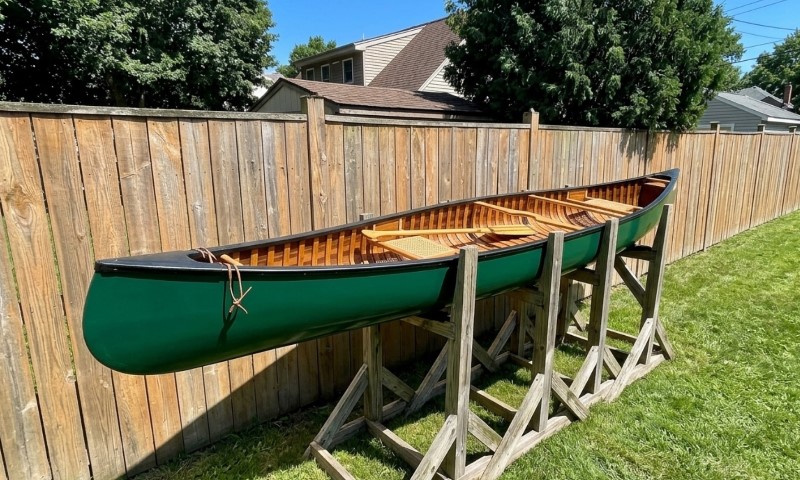
- Storage: Do you have the garage, rack, or shed space to store a 16-foot canoe or a long sea kayak?
- Transportation: Can you physically lift the boat onto your vehicle’s roof, or do you need a trailer?
- Logistics: Will you be paddling alone, or will you have a partner to help with the portage?
- Frequency: How often will you actually get to the water? If the answer is "twice a year," an expensive composite boat may be an inefficient investment.
- Environment: Are your local waters calm lakes, winding rivers, or coastal bays?
Rent Before You Buy
Industry professionals strongly recommend renting different models through local outfitters. A kayak that feels stable in a showroom may feel terrifyingly tippy on open water, and a canoe that looks spacious may prove cumbersome to steer for a solo beginner. Testing the specific hull shape on the water you intend to frequent is the only way to ensure satisfaction.
Strategic Choices for Specific Missions
The "right" boat is a variable that changes based on the trip type:
- The Family Outing: The canoe remains the gold standard. The ability to manage children and gear in an open space is unmatched.
- The Solo Workout: The kayak is superior. The symmetry of the double-bladed stroke and the lower center of gravity make for a more efficient, faster-paced fitness experience.
- The Multi-Day Expedition: For river camping, the canoe is the clear winner for gear capacity. However, for coastal touring where speed and long-distance tracking are required, a high-volume sea kayak is the necessary tool.
- The Casual Beach Day: A sit-on-top kayak provides the easiest entry and exit, making it ideal for those who plan to swim frequently.
Maintaining Your Investment
The longevity of a boat is directly proportional to its care. Plastic (polyethylene) boats are durable but can warp if left in direct, intense sunlight on improper racks. Composite boats (fiberglass/kevlar) are lighter and faster but susceptible to cracking under impact.
Basic maintenance includes rinsing the hull with fresh water after use—especially in saltwater—to prevent corrosion of metal hardware. If using an inflatable model, ensure it is completely dry before storage to prevent mold.
Conclusion: The Path Forward
The divide between canoes and kayaks is not a matter of prestige or skill, but one of utility and intent. The canoe offers a timeless, social, and expansive experience that prioritizes the journey and the cargo. The kayak offers a focused, efficient, and agile experience that prioritizes the paddler’s connection to the elements.
Ultimately, the best vessel is the one that minimizes the barrier to entry. If the process of loading, transporting, and launching a boat becomes a source of stress, that boat will remain in the garage. By aligning your choice with your specific needs—whether it be the family-friendly capacity of a canoe or the sleek, solo efficiency of a kayak—you ensure that your time on the water remains what it should be: a restorative escape into the great outdoors.
Whether you choose the high-sitting vantage of the canoe or the low-slung control of the kayak, the most important aspect of the sport remains the same: wear your life jacket, respect the water, and enjoy the paddle.