The Åland Islands are known for their picturesque red granite shores and serene sailing routes, but beneath the tranquil surface of the Föglö archipelago lies a history carved in hardship and isolation. A recent multi-day kayaking expedition through this labyrinth of islands revealed a stark contrast between the idyllic natural beauty of the modern landscape and the grim realities of the 17th-century leper colony that once operated in these waters.
Main Facts: A Historical Crucible
The Föglö archipelago, located in the southern part of the Åland Islands, serves as an open-air museum of human resilience. The expedition centered on two primary historical sites: the site of a 17th-century spetälskhospital (leper hospital) and the restored fishing villages of Sältingskär.
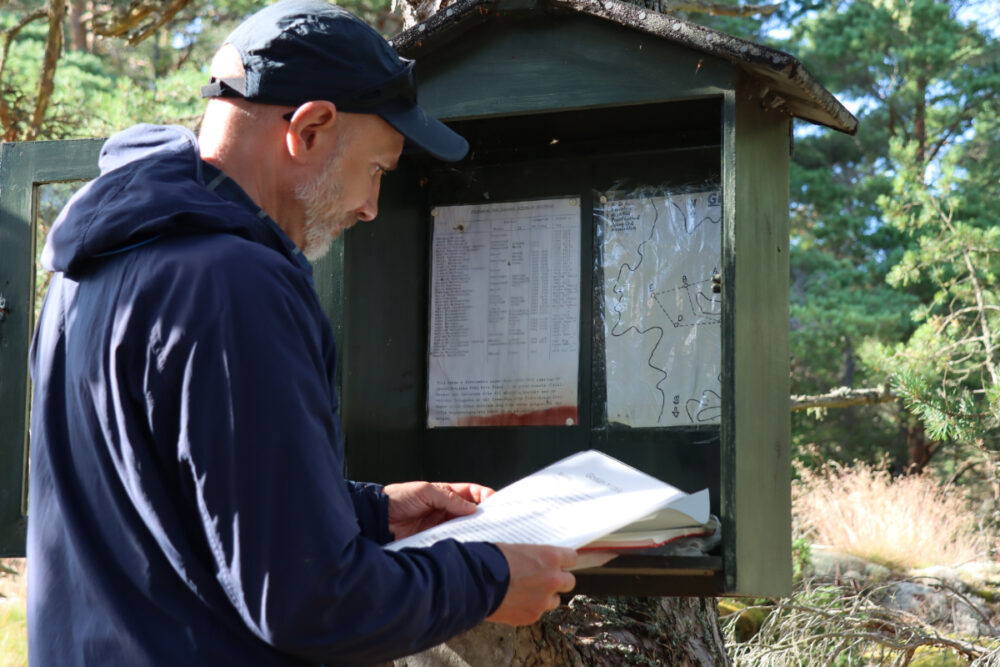
The leper hospital, which operated between 1653 and 1672, represents one of the darkest chapters in local history. At that time, leprosy—then termed "the holy sickness"—was a death sentence. Patients were forcibly removed from their homes, required to bring their own clothing, bedding, and, chillingly, the wood and nails necessary to construct their own coffins.
Chronology of the Expedition
Day 1: The Leprosy Island
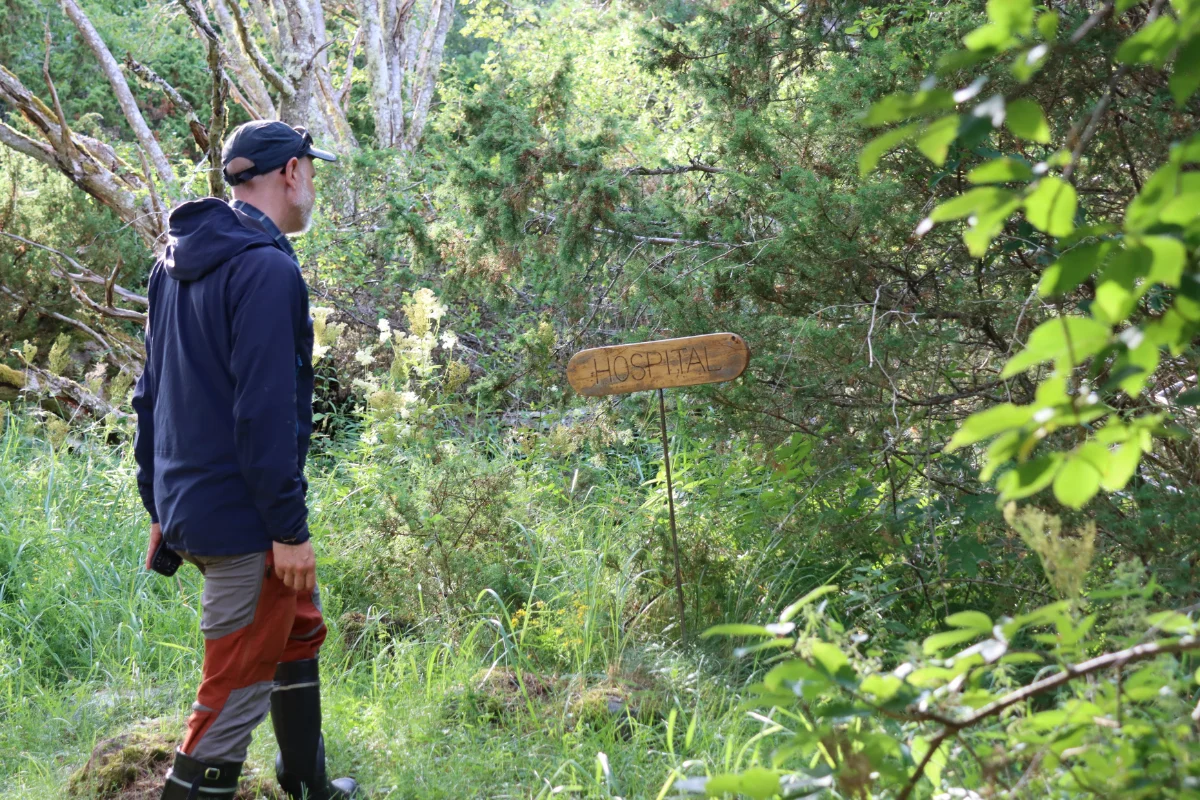
The journey began at the Föglö church, where the team faced strong, gusty head-winds. After a strenuous seven-kilometer paddle, the team arrived at the island marked on nautical charts as the site of the former hospital.
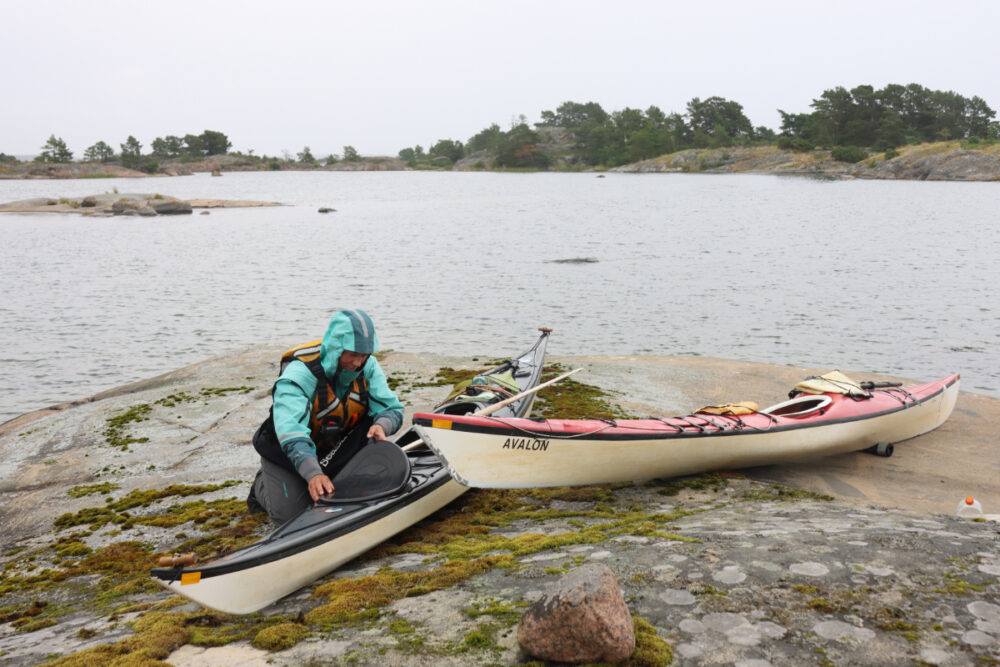
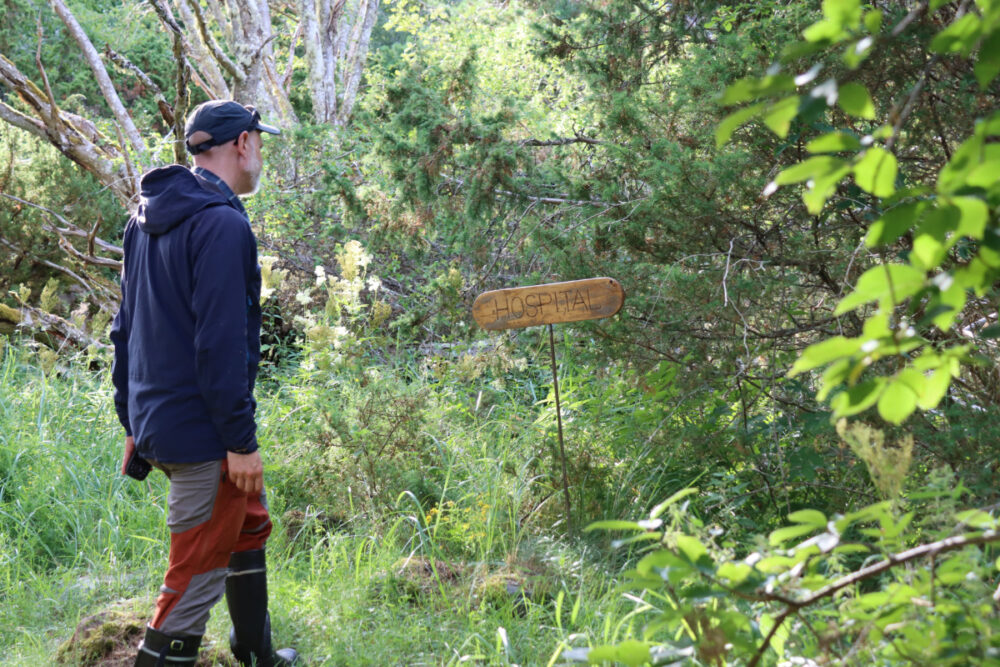
The reality of the island far exceeded the brief mention on the map. A one-kilometer marked trail guided the expedition through the remains of the colony. The site is a testament to survival; historical records indicate that most patients succumbed to their illnesses within a year or two of arrival. The combination of the disease and the brutal living conditions created a scenario where inhabitants were forced to cannibalize their own coffins to patch leaking roofs and repair floors during the harsh island winters. Today, only stone foundations and the remnants of a burial ground wall remain.
Day 2: Seeking Shelter in Sältingskär
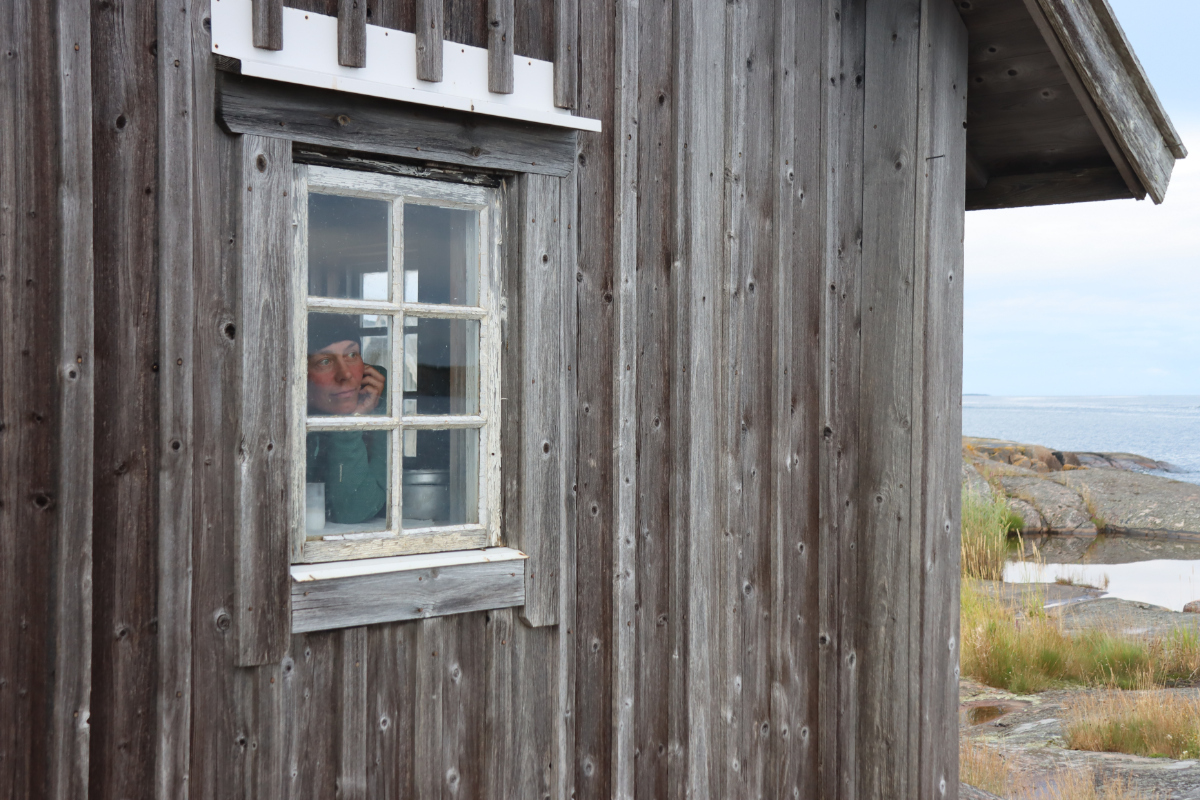
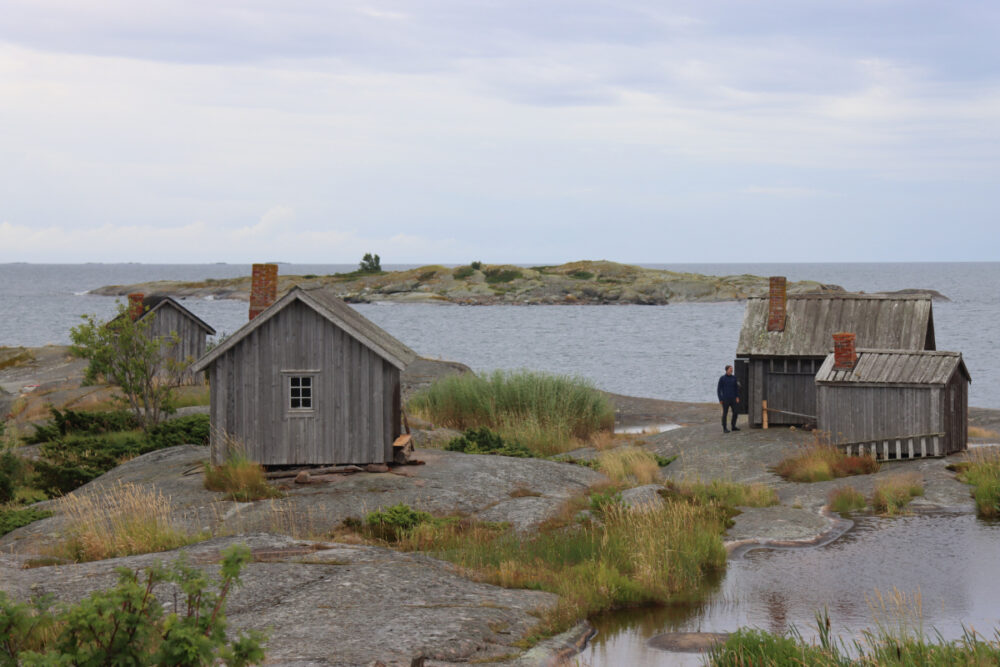
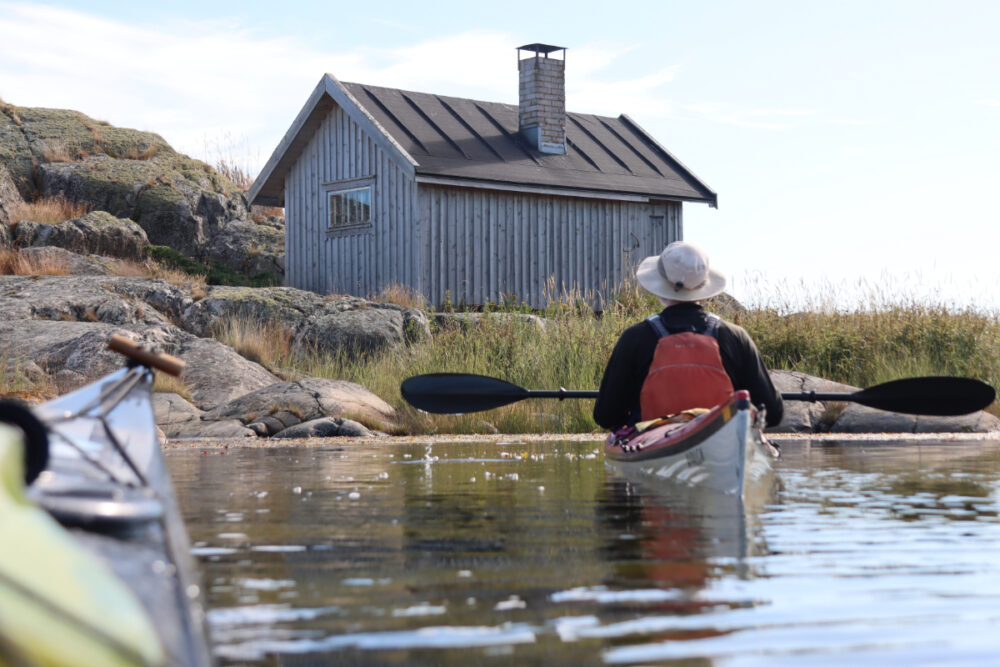
As weather conditions deteriorated into a persistent, misty rain, the team navigated toward the inner archipelago. They reached the Sältingskär fishing village, a collection of five restored huts.
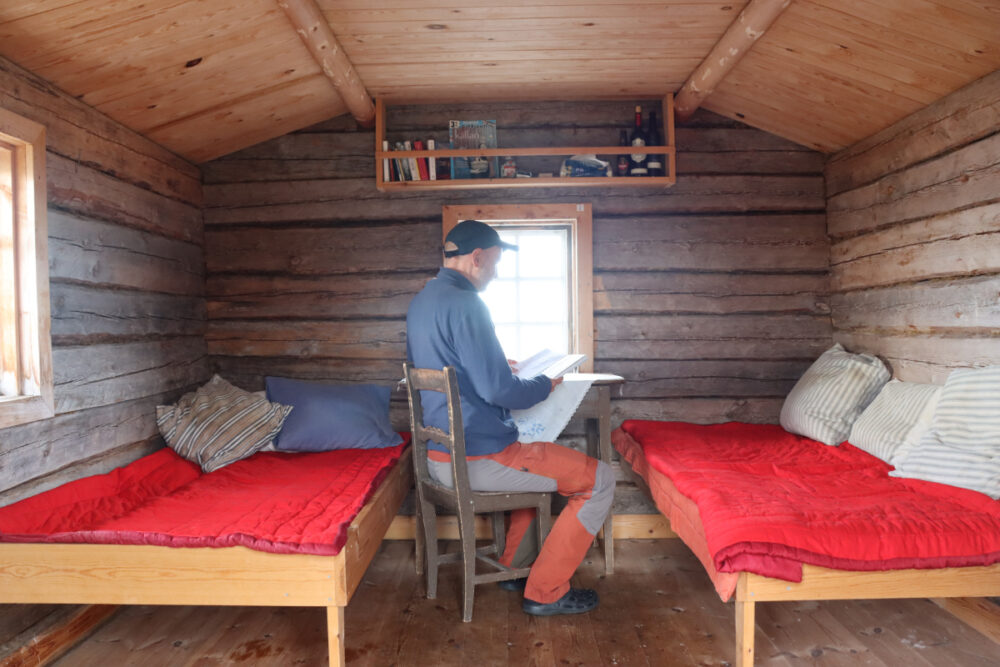
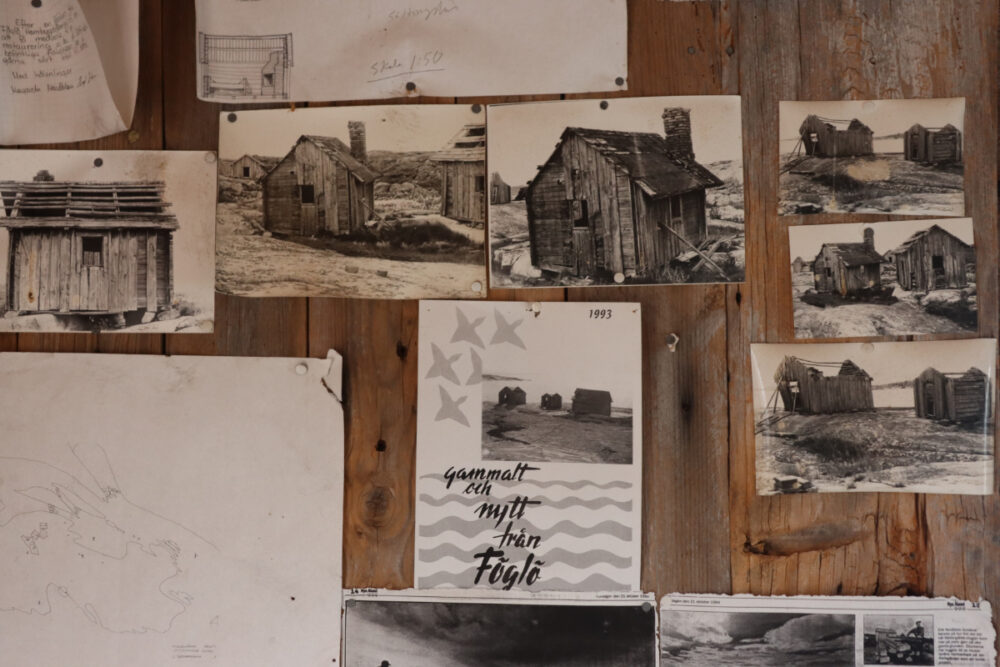
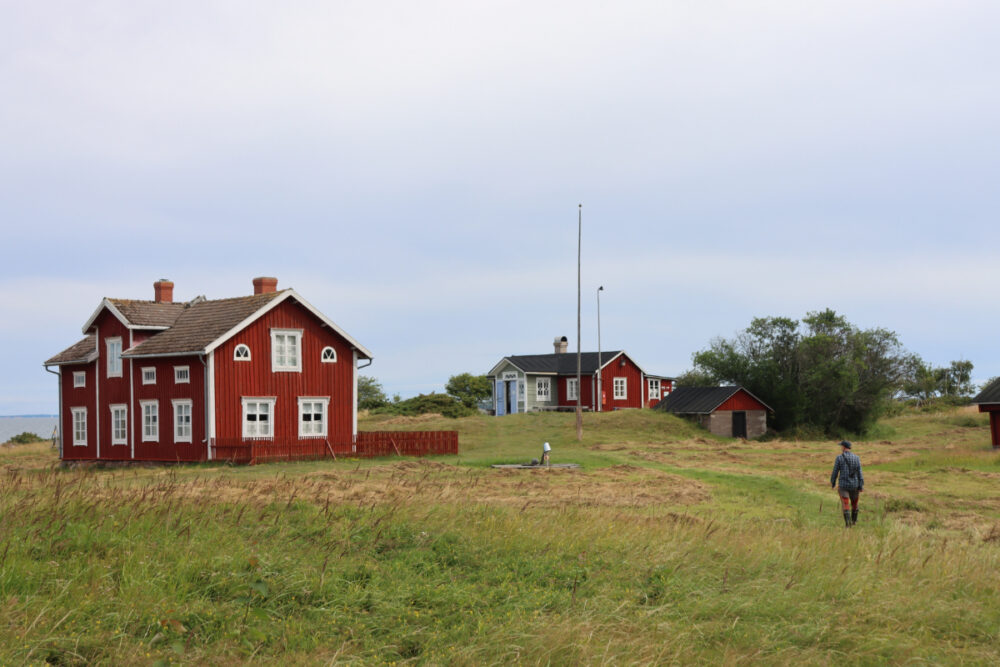
Historically, these huts were the nerve centers of the seasonal fishing industry. Before the advent of motorboats, fishermen relied on muscle and wind power, necessitating these base camps to stay close to the prime fishing waters. The site has been meticulously preserved by the Föglö Local Heritage Society and the Åland Museum Board, transforming it from a dilapidated ruin in the 1990s into a functioning, albeit rustic, sanctuary for modern travelers.
Day 3: The Biodiversity of Björkö
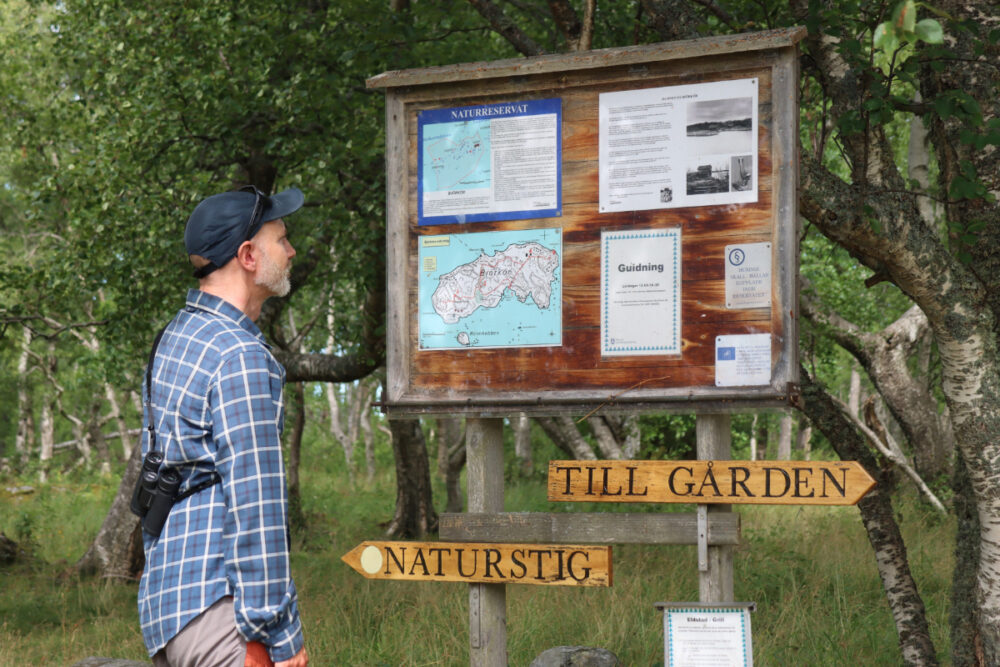
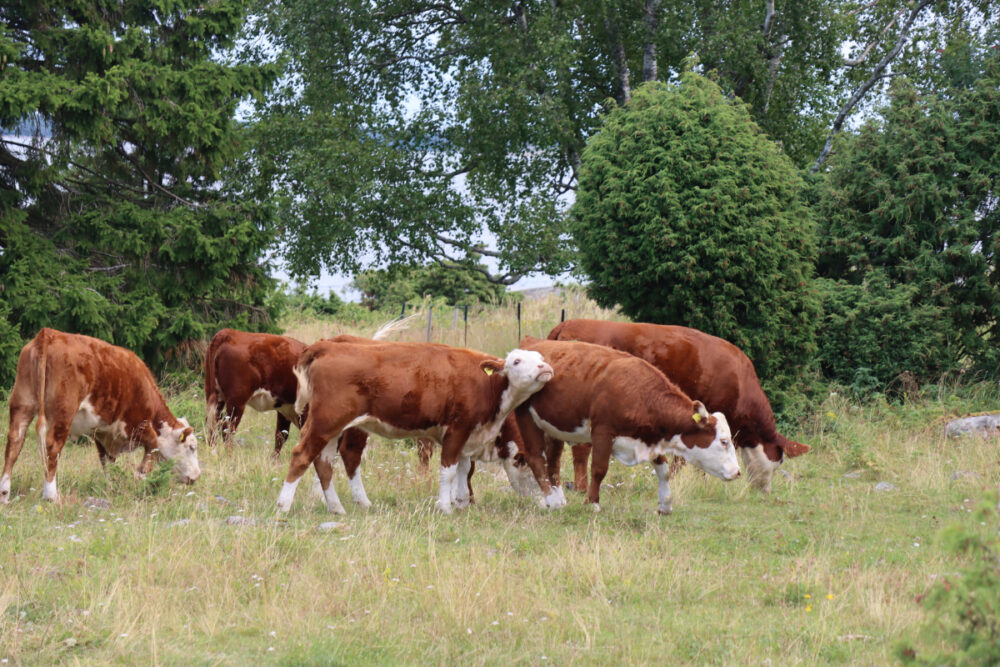
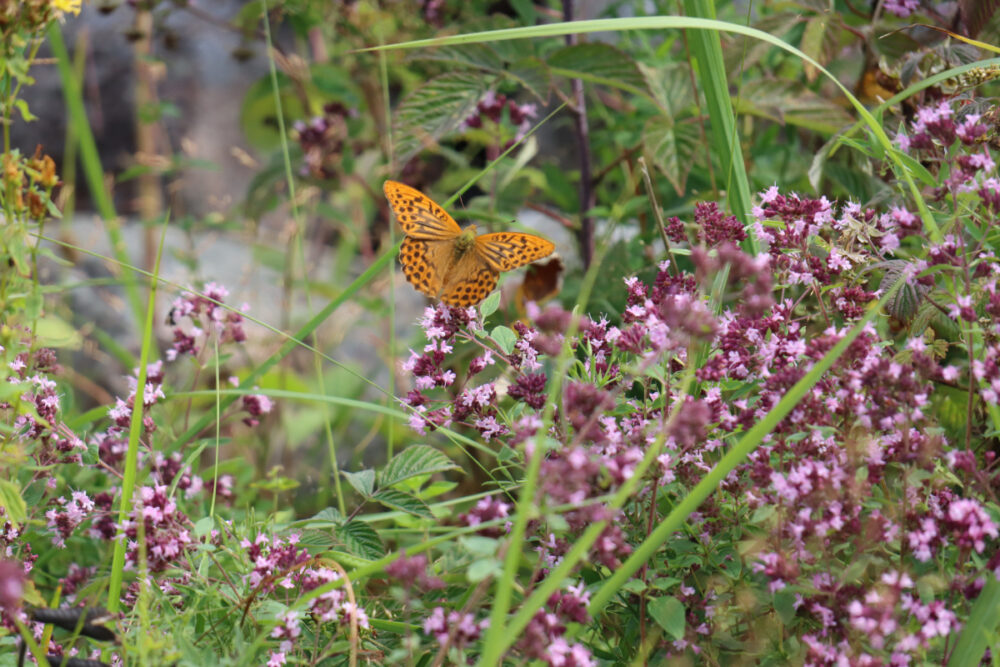
Moving toward the protected waters of Björkö, the team encountered a well-preserved 18th-century archipelago farm. Unlike the seasonal fishing outposts, this farm was a permanent residence. The island is now managed as a nature reserve, featuring traditional meadow management maintained by cattle and sheep. This agricultural practice has fostered a haven for pollinators, most notably the Argynnis paphia (silver-washed fritillary), which were observed feeding in large numbers on wild marjoram.
Day 4: The Outer Archipelago and The Apollo Butterfly
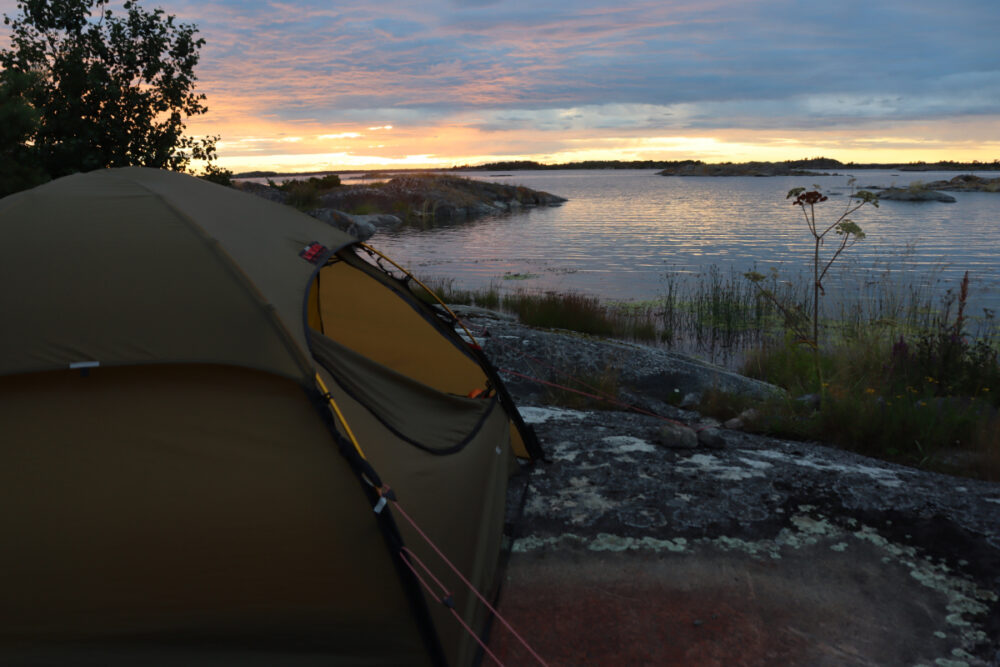
The final leg of the journey took the team to the fringes of the outer archipelago, where they navigated through shallow, wave-swept islets. The region is a critical habitat for the endangered Parnassius apollo (Apollo butterfly). The encounter with these rare insects underscored the ecological significance of the Föglö archipelago, which serves as a vital corridor for species struggling against the backdrop of climate change and habitat loss.
Supporting Data: Infrastructure and Preservation
The preservation of these sites is not merely an aesthetic endeavor but a rigorous archaeological and community-driven project.
- The Leprosy Site: Documentation is provided via laminated leaflets at the trail head, offering a grim but necessary narrative of the patient lists and the material poverty of the 17th century.
- Sältingskär Restoration: The restoration process was a massive undertaking, largely driven by volunteers. Photographs on the walls of the huts document the transition from wind-swept, roofless ruins to the current state of structural stability.
- Björkö Management: The ongoing grazing program is essential. Without the intervention of livestock, the meadows would quickly revert to scrubland, leading to a loss of the specific butterfly species that rely on the open, flower-rich habitat.
Official Responses and Conservation Efforts
The Åland Museum Board (Ålands Museimyndighet) maintains a strict policy regarding these sites. While they encourage responsible tourism, they emphasize that these areas are fragile. The distinction between the "museum-like" nature of Sältingskär and the "strictly protected" nature of reserves like Björkö is critical.
Experts note that while the restoration of fishing huts provides a glimpse into the economic past, the archaeological sites, such as the leper colony, are left intentionally minimalist. This approach is designed to honor the somber nature of the site rather than commercializing it. The goal is to ensure that the landscape remains a place of reflection, where the visitor feels the weight of the history rather than merely observing it from a distance.
Implications: The Intersection of History and Ecology
The expedition highlights the dual-layered value of the Föglö archipelago. It is a place where:
- Cultural Heritage is Fragile: The transition from a thriving fishing community to an abandoned island, and finally to a protected heritage site, mirrors the broader trend of rural depopulation in the Baltic region.
- Ecological Resilience is Essential: The presence of the Apollo butterfly is an indicator of environmental health. The collaboration between conservationists and local farmers to maintain meadows is the only thing preventing the loss of these unique, specialized ecosystems.
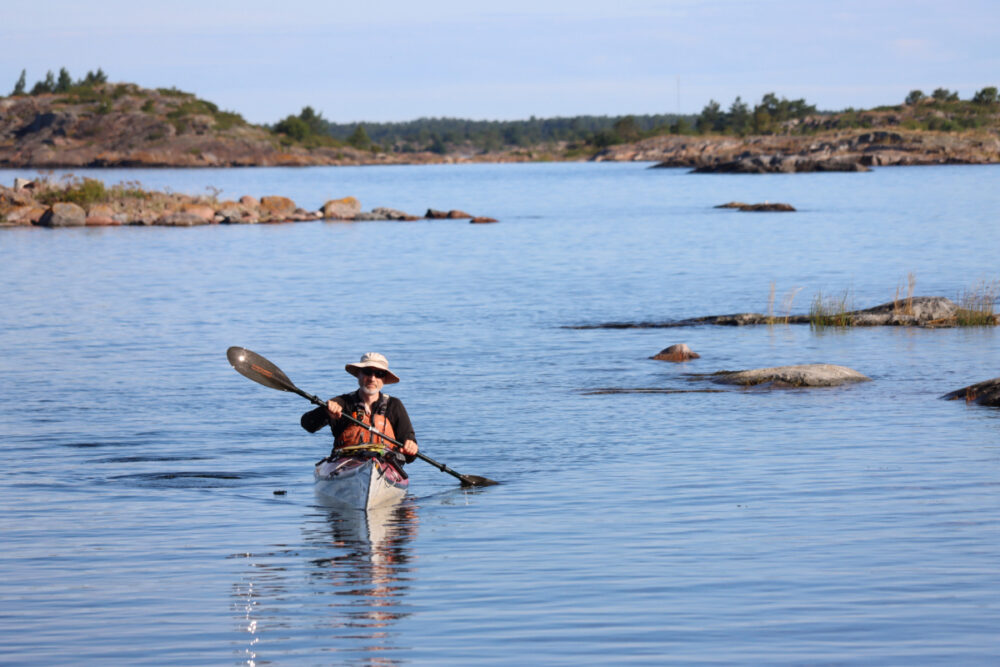
- Modern Travel as Education: For the modern kayaker, these waters offer more than just a physical challenge. They offer a connection to a past where human survival was precarious and directly tied to the whims of the Baltic Sea.
Conclusion
As the expedition concluded at the sandy shores of Stora Sandören, the contrast was profound. The silence of the island, broken only by the wind and the lap of the sea, stood in stark relief to the suffering of those who were exiled there centuries ago. The Föglö archipelago remains a reminder that the environment we enjoy today is built upon layers of history—some tragic, some industrious, and all deeply connected to the rhythm of the sea.
For those planning to visit, the archipelago offers a rare opportunity to step back in time. However, it is a privilege that comes with the responsibility of preservation. Whether it is respecting the no-camping rules in sensitive nature reserves or leaving the historic fishing huts cleaner than they were found, the preservation of Föglö relies on the awareness of those who traverse its waters.