By Emily Wolf | July 2, 2026
In the high-altitude expanse of Southern Colorado’s San Luis Valley, the heartbeat of the community—the Rio Grande—is sounding a quiet alarm. As the Southwest grapples with a historic, near-record-setting snow drought, the Valley finds itself at a critical juncture. With early runoff forecasts and plummeting snow water equivalent (SWE) levels, the region is bracing for a season of acute water scarcity. Yet, amidst the parched earth and thinning streamflows, a quiet revolution is taking root. By merging ancestral wisdom with cutting-edge hydrology, local communities are proving that water scarcity does not have to mean economic or ecological collapse.
The State of the Basin: A Crisis of Supply
The San Luis Valley is not merely a geographic landmark; it is the headwaters of the Rio Grande, a river that sustains millions of lives, sprawling agricultural economies, and delicate desert ecosystems across the American Southwest. However, the region is currently facing the compounding pressures of a drying climate and systemic water depletion.
Recent climate studies confirm that the Southwestern United States is experiencing a structural shift in its water cycle. Warmer temperatures are accelerating snowmelt, leaving the Valley’s aquifers and river systems vulnerable during the hot summer months. The current SWE levels—the measurement of liquid water contained within the snowpack—have reached some of the lowest points in recorded history. This deficit sends a ripple effect through the Valley, threatening the livelihoods of farmers who anchor the local economy and the survival of riparian habitats that host migrating birds and native fish.
Chronology of Collaborative Innovation
The path to the current, proactive state of the Valley did not happen overnight. It is the result of decades of incremental, community-driven shifts in water management.
- Early 2000s: Recognition of groundwater depletion reaches a fever pitch as well levels drop, prompting local irrigation companies and conservation groups to begin formalizing water-sharing agreements.
- 2010s: The shift toward "multi-benefit" projects begins. Stakeholders move away from isolated solutions, realizing that agricultural, municipal, and ecological goals are inextricably linked.
- 2023: The launch of the "Rye Resurgence Project" marks a significant pivot toward market-driven water conservation, incentivizing farmers to switch to lower-water-demand crops.
- 2024-2025: Research into "Frozen Assets"—the use of winter sheet ice for aquifer recharge—moves from experimental trials to a regional water management strategy.
- 2026: The Rio Grande Corridor Restoration Project at the Alamosa National Wildlife Refuge reaches a key milestone, proving that infrastructure and nature-based solutions can coexist.
The "Frozen Assets" Strategy: Storing Water in Plain Sight
One of the most innovative projects currently unfolding is known as "Frozen Assets." Led by American Rivers in partnership with Wetland Dynamics, Ducks Unlimited, the Rio Grande Headwaters Land Trust, and Colorado Parks and Wildlife, the project reimagines how the Valley handles its winter water supply.
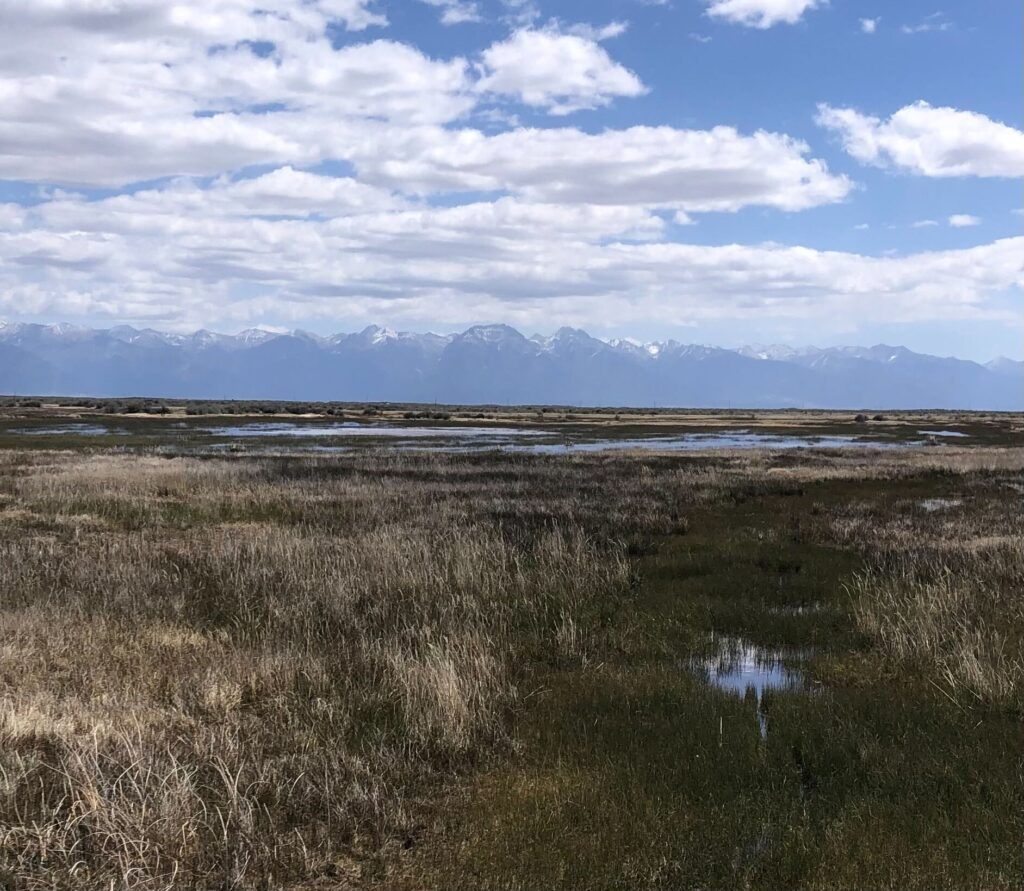
Historically, producers in the Valley used "winter sheet ice" to manage their lands, but the practice had largely fallen out of favor. Today, it is being revived as a sophisticated hydrological tool. The process involves spreading shallow layers of water across the landscape during freezing temperatures. As these layers freeze, they build a solid sheet of ice that serves as a storage mechanism.
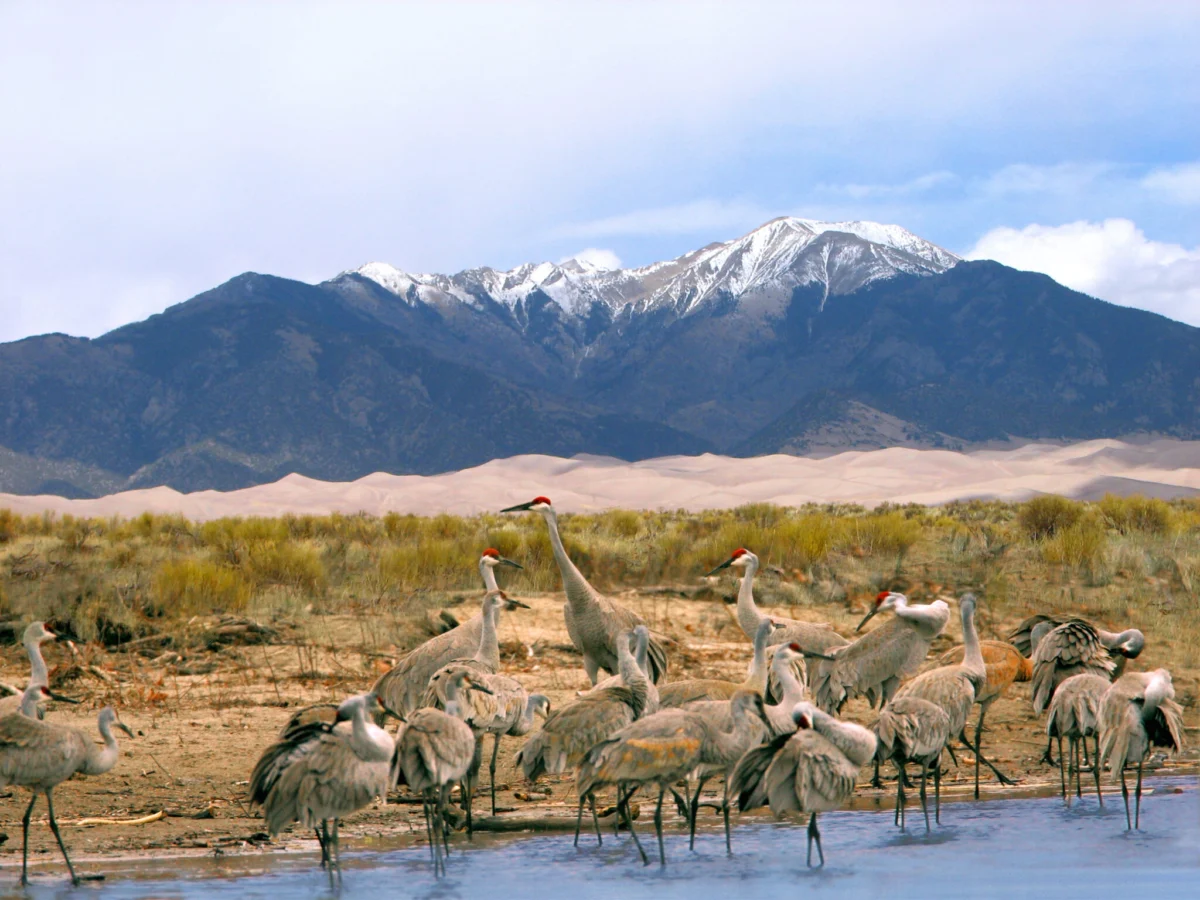
This is not merely about ice; it is about infiltration. As the ice slowly melts, it minimizes the water lost to evaporation—a major issue in the high-desert climate—and allows the water to percolate into the soil, recharging the local aquifer. Furthermore, this artificial "winter wetland" provides critical foraging resources for early-spring migrants, including sandhill cranes and waterfowl, creating a symbiotic relationship between agricultural operations and migratory wildlife.
Market-Driven Conservation: The Rye Resurgence
Water conservation is often viewed as a restrictive practice, but the Rye Resurgence Project has flipped the narrative to one of economic opportunity. Groundwater depletion is a structural threat to the Valley’s long-term agricultural viability. By encouraging the cultivation of winter rye—a crop that requires significantly less water than traditional rotational crops—the project addresses the root cause of the crisis.
The challenge, however, was never just growing the crop; it was ensuring the farmers could sell it. The project team acted as a bridge, connecting local farmers with millers, brewers, and distillers across Colorado.
The data from the first year is compelling:
- Acreage: 4,500 acres of winter rye were planted in the fall of 2023.
- Water Savings: An estimated 4,670 acre-feet of water was saved in a single year.
- Economic Impact: 24 regional businesses were successfully onboarded as partners, creating a stable, local supply chain for a climate-resilient product.
River Restoration and Habitat Resilience
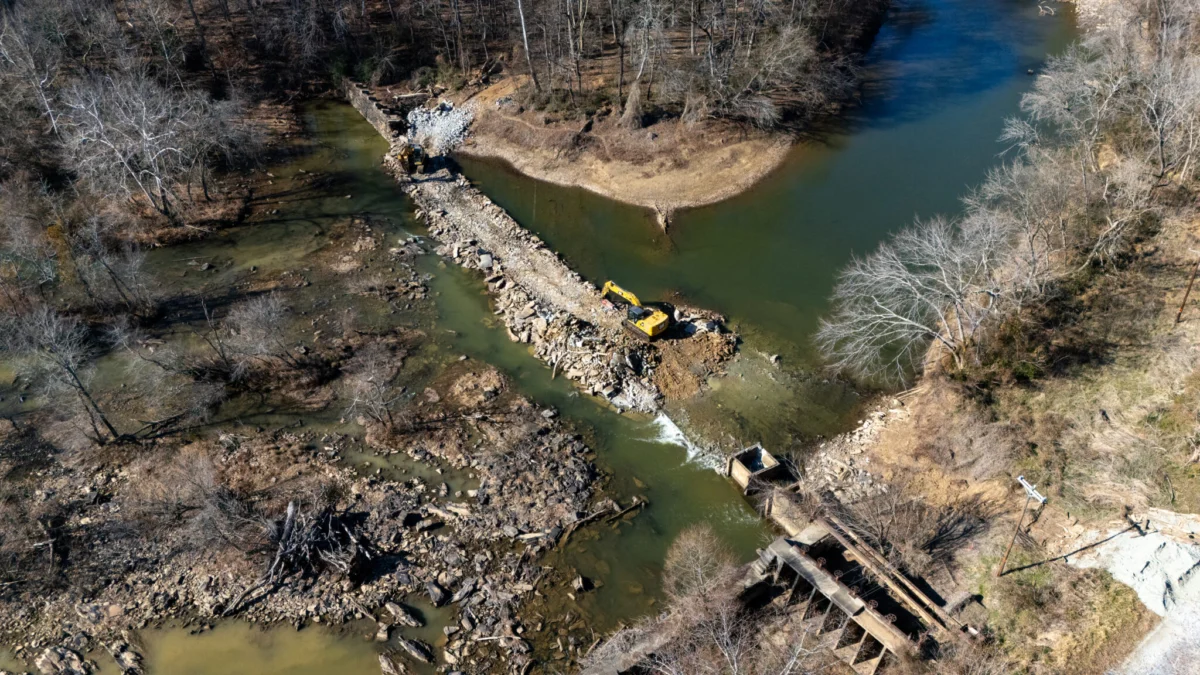
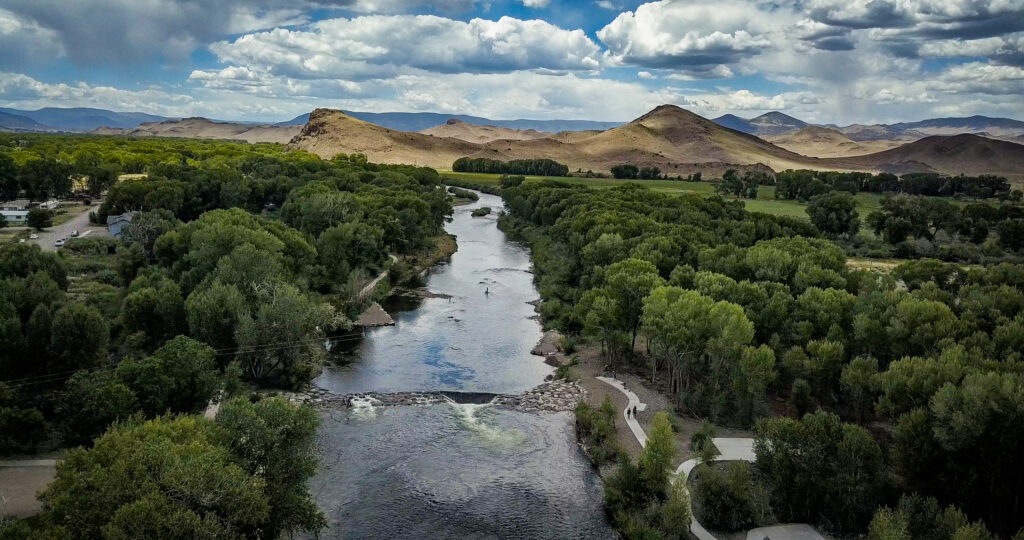
While agricultural efficiency is vital, the river itself requires physical restoration to handle the variable flow regimes caused by climate change. The Alamosa National Wildlife Refuge has long been a focal point for these efforts.
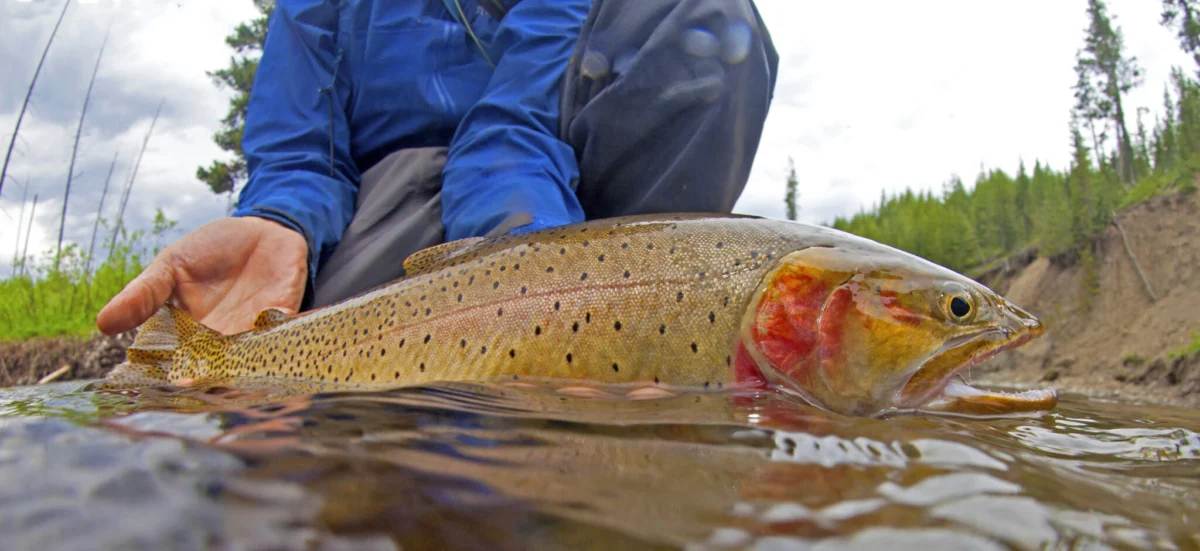
Recent years saw lower streamflows causing extreme stress on the Rio Grande chub and other native fish populations. The Rio Grande Corridor Restoration Project intervened by reshaping eroding streambanks with native vegetation and rock stabilization. This "soft engineering" approach allows the river to access its floodplain more effectively during high-flow events, reducing the velocity of the water and creating deeper, cooler pools for aquatic life. By creating off-channel habitat, the project has provided a sanctuary for fish while simultaneously improving trail access for human visitors, reducing human-wildlife conflict.
Official Perspectives: A Unified Front
The success of these initiatives rests on the unprecedented cooperation between historically siloed sectors.
"We are moving past the ‘us vs. them’ mentality of water rights," says a spokesperson for the local water conservation district. "When we look at the data, it becomes clear that if the river fails, the farm fails. If the farm fails, the community fails. By integrating agricultural modernization with ecological restoration, we aren’t just saving water—we are building a durable regional economy."
State and federal agencies have also praised the model. By utilizing public-private partnerships, the Valley has been able to leverage federal funding to scale up projects that might have otherwise stalled due to budget constraints.
The Implications for the Southwest
The San Luis Valley serves as a "living laboratory" for the rest of the Southwest. As other river basins face the existential threat of drought, the lessons learned here are becoming increasingly portable:
- Multiple Benefits: Projects that only address one problem (e.g., just irrigation) are no longer sufficient. Solutions must simultaneously address soil health, aquifer recharge, wildlife habitat, and economic viability.
- Market Integration: Conservation is more successful when it is tied to an economic incentive. The Rye Resurgence model demonstrates that consumers are willing to support "water-smart" products, provided the supply chain is established.
- Nature-Based Infrastructure: Engineering projects should work with natural processes, such as the freezing cycle of the Valley, rather than fighting against them.
A Future Held in Trust
As we look toward the remainder of 2026 and beyond, the challenges facing the San Luis Valley remain daunting. The snow drought is a reminder of the volatility of the climate we now inhabit. However, the Valley’s proactive posture offers a template for survival.
Water is the lifeblood of this region, a finite resource that dictates the limits of our growth. By embracing creativity, fostering collaboration, and respecting the hydrological realities of the Rio Grande, the communities of the San Luis Valley are doing more than just managing a shortage—they are securing a future. Whether through the slow melt of winter ice or the hardiness of a field of rye, the Valley is proving that when a community unites, it can transform even the most frozen of assets into a flowing, vibrant future.