A groundbreaking analysis of Finnish youth sports, synthesized from the Olympic Committee’s extensive "SporttiData" repository, has revealed a critical trend: the path to long-term athletic engagement is paved with variety. As the landscape of organized sports evolves, the data suggests that the "specialization early" model may be failing to retain young athletes, while those who pursue multiple disciplines are significantly more likely to remain active within the sports club ecosystem.
The report, which draws upon the digital footprints of over 420,000 licensed athletes, provides a rare, high-resolution look at how Finnish children and adolescents interact with sports clubs. The findings serve as a wake-up call for coaches, parents, and policymakers, suggesting that the key to curbing dropout rates may lie in encouraging breadth over depth during the formative years.
Main Facts: The State of Youth Participation
At the core of the SporttiData analysis is a simple, yet stark reality: the vast majority of Finnish children and adolescents hold a license for only one sport at any given time. While curiosity and energy levels in early childhood suggest a natural inclination toward diverse movement, the data indicates a steady, rhythmic decline in multi-sport participation as children age.
For the youngest participants—typically aged 8 to 9—the multi-sport approach is relatively healthy, with approximately one in five children juggling licenses in two or more sports. However, as these athletes transition into their teenage years, the diversity of their sporting lives evaporates. By the time they reach 14 to 15 years old, the percentage of multi-sport athletes plummets to a mere 7 to 8 percent.
This transition marks a critical "narrowing" phase. Whether driven by the increasing demands of school, the rising cost of multiple memberships, or the pressure from sports clubs to specialize in a single pursuit, the result is a homogenized athletic experience for older teenagers.
Chronological Trends: From Playful Versatility to Focused Specialization
To understand the current landscape, one must view the sporting journey as a chronological evolution. The SporttiData analysis maps this progression with precision:
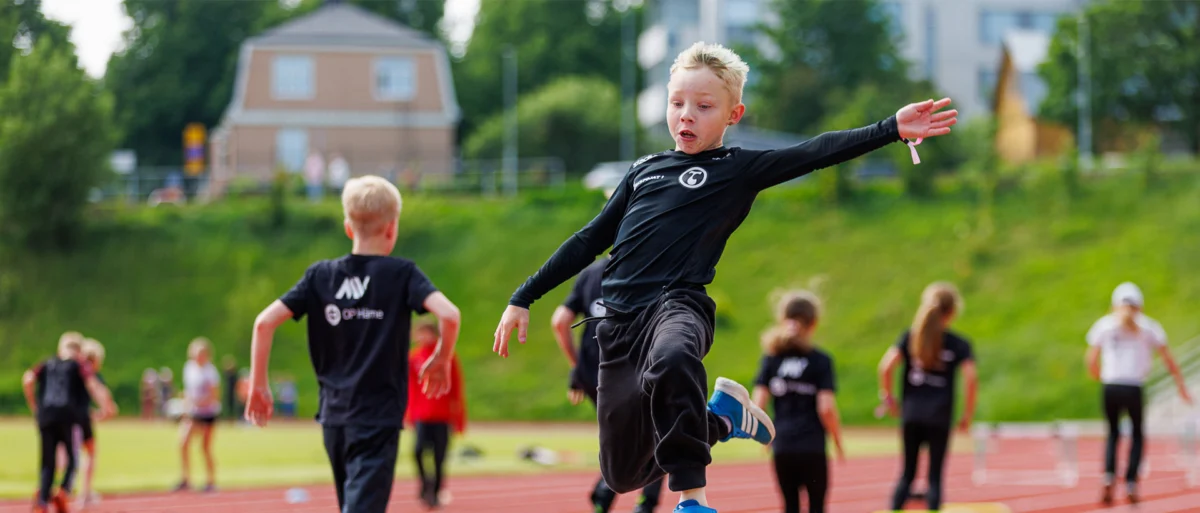
- The Foundation Years (Ages 7–10): This is the "golden era" of multi-disciplinary activity. Children are encouraged to explore. Their licenses often reflect a mix of team sports—like football or floorball—combined with individual pursuits, such as gymnastics or swimming.
- The Transition Period (Ages 11–13): As biological and social shifts occur, the data shows the first significant signs of attrition in secondary sports. The "choice" becomes more binary.
- The Specialization Threshold (Ages 14–15): The data reveals a definitive pivot point. By this age, the societal expectation shifts toward performance and specialization. The "multi-sport" athlete becomes an outlier, often seen as a logistical anomaly rather than a well-rounded participant.
This chronological decline is not merely a reflection of physical maturity; it is a systemic trend. When the environment stops facilitating multiple licenses, the children stop pursuing them. The question, therefore, is whether this shift is a natural consequence of aging or a structural failure to accommodate diverse interests in older age groups.
Supporting Data: Regional Disparities and the Retention Gap
The SporttiData report does not view Finland as a monolith; it highlights striking regional variances that suggest local culture and club organization play a major role in how youth sports are consumed.
The Regional Divide
Geography appears to dictate sporting behavior. In South and Central Ostrobothnia, the culture of multi-sport participation is robust. In these regions, roughly one-quarter of 9-to-13-year-olds maintain licenses in multiple sports. This stands in stark contrast to the Uusimaa region (including the Helsinki metropolitan area), where the figure drops to approximately 11 percent.
This discrepancy raises important questions: Is the disparity due to higher costs in urban centers? Is it a result of more intense competition for ice time and field space, which forces early specialization? Or does it reflect a difference in the philosophy of local sports clubs? The data suggests that where multi-sport participation is culturally encouraged and structurally supported, it thrives.
The Retention Catalyst
Perhaps the most compelling finding in the report is the correlation between multi-sport participation and retention. When comparing the dropout rates of 9-to-13-year-olds, the disparity is staggering:
- The Multi-Sport Advantage: 94 percent of athletes who held multiple licenses continued their organized sports journey the following year.
- The Single-Sport Struggle: Among those restricted to a single license, only 76 percent returned the following year.
This 18-percentage-point gap is a smoking gun for sports administrators. It implies that diversifying an athlete’s portfolio does not just add variety—it adds "stickiness." It creates a more resilient athlete who is less prone to burnout, less vulnerable to injury in a single motion pattern, and more deeply integrated into the social fabric of the sports community.
Official Responses and Philosophical Shifts
The Finnish Olympic Committee’s "SporttiData Insight" series is designed to move beyond anecdotal evidence, providing a data-driven foundation for policy. By releasing this analysis, the Committee is signaling a move toward "Long-Term Athletic Development" (LTAD) models that prioritize the holistic athlete.
Sports experts involved in the study emphasize that the objective of youth sports should be the cultivation of a lifelong relationship with physical activity. When a child specializes too early, they tie their self-worth and their social life to a single outcome. If they face an injury or a period of poor performance, the risk of dropping out entirely is high. By contrast, the multi-sport athlete possesses a "buffer"—if they struggle in one sport, their success or enjoyment in another keeps them tethered to the club environment.
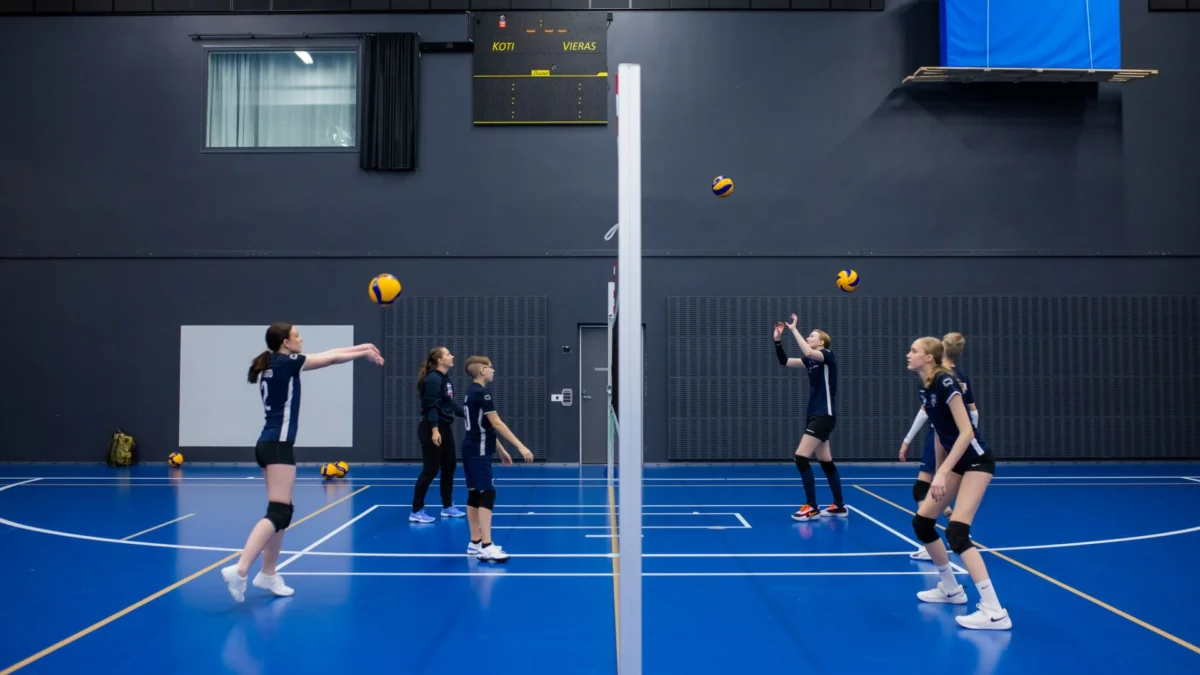
The message to the Finnish sports community is clear: Clubs should not view themselves as competitors for a child’s time, but as partners in a broader sporting ecosystem. The data encourages clubs to create scheduling synergies, where an ice hockey club and a football club, for example, coordinate their training times to allow children to participate in both without conflict.
Implications: Building a Resilient Future
The implications of the SporttiData report extend far beyond the pitch. If the goal of the Finnish sports system is to ensure that children remain active, healthy, and connected to their communities, then the current trend of early, mandatory specialization must be re-evaluated.
1. Economic and Logistical Barriers
The data highlights that for many families, the barrier to multi-sport participation is both financial and logistical. If a child needs to pay separate, full-price memberships for two different sports, the "multi-sport" option becomes a luxury. Clubs and municipalities must explore "all-access" or "bundle" licensing models to make participation in multiple sports more affordable.
2. Redefining Coaching Success
Coaches often face pressure to produce results, which can lead to the monopolization of an athlete’s time. A cultural shift is required where a coach’s success is measured not just by the win-loss record of their team, but by the long-term retention of their players. Encouraging a player to participate in a second sport should be viewed as a sign of quality coaching, not a betrayal of the primary team.
3. Strengthening the Social Fabric
Sport is one of the most effective tools for social integration in Finland. By encouraging children to engage with different clubs and different peer groups through various sports, the community fosters greater social cohesion. The multi-sport athlete is more socially versatile, having navigated the different subcultures of, for example, a basketball court and an athletics track.
4. A Data-Driven Roadmap
As the second installment of the SporttiData Insight series, this analysis provides the "how-to" for future policy. The first installment addressed the general "pitovoima" (holding power) of sports, identifying why kids leave. This second installment provides the solution: variety.
The evidence is now undeniable. If Finland wants to stem the tide of youth sports dropouts, it must embrace the "multi-sport" model. By valuing the breadth of the experience over the depth of the specialization, the country can ensure that the next generation of Finnish athletes remains not only talented but engaged, resilient, and active for years to come.
As the Olympic Committee continues to track these metrics, the hope is that the regional gaps will close and the 14-to-15-year-old "specialization drop-off" will begin to reverse. The data has spoken; the responsibility now lies with the coaches, the parents, and the organizations to build a structure that allows children to be children—versatile, curious, and active in more ways than one.